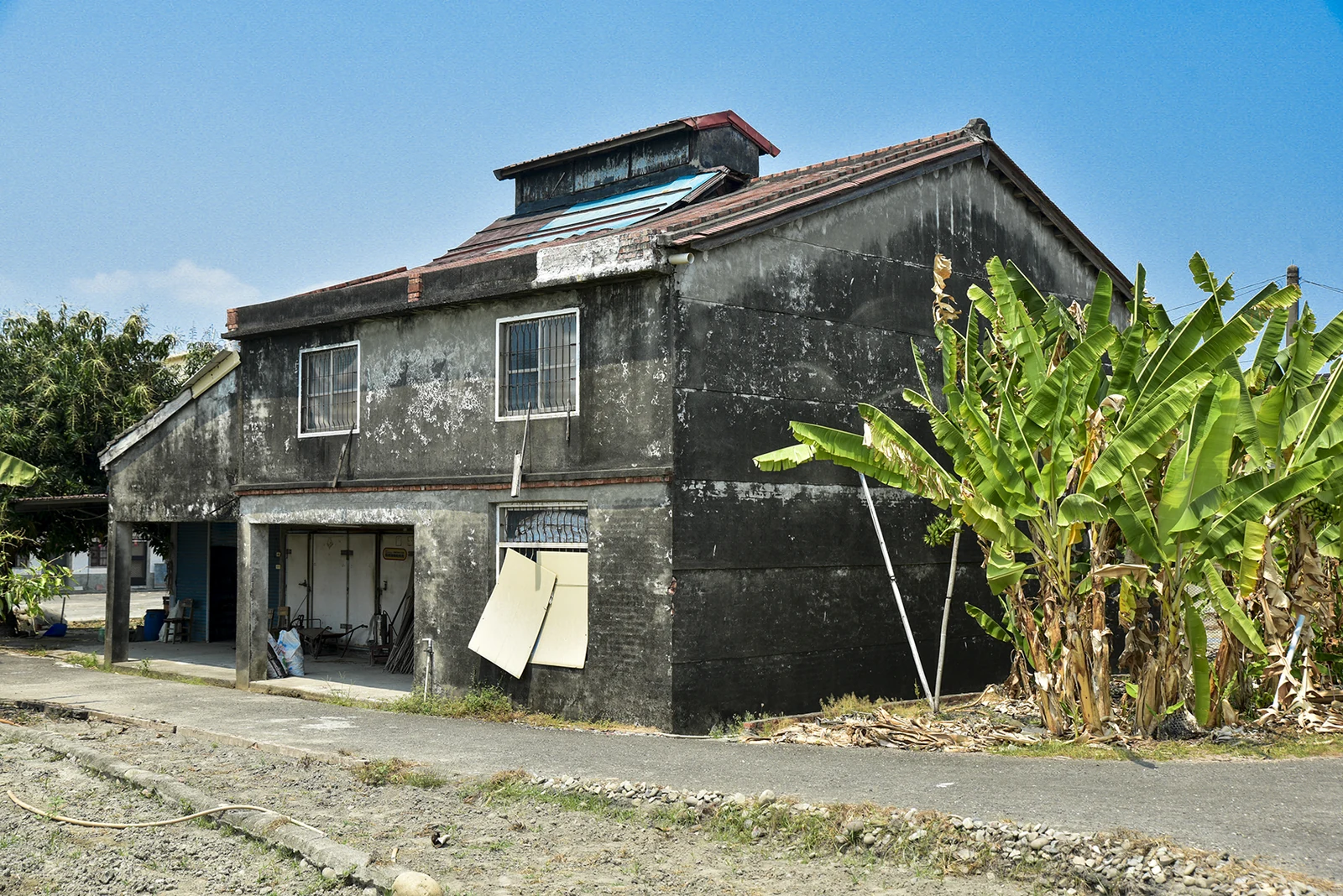
Meinong sits in a basin of rivers and low hills northeast of Kaohsiung, about 120 square kilometres in extent. Most of its residents are Hakka, and the district is one of four in the city, with Jiasian, Shanlin and Liouguei, where Hakka culture is the focus of public policy. The name may come from a local indigenous word, Malang, and was written in different characters before the Japanese period. Farming was the base of the economy: rice, tobacco, and the fruit and vegetables sold in the morning market. The old street and the East Gate Tower are the remains of the walled settlement.
From the journal
Umbrellas, tobacco and a Hakka basin
Meinong is a Hakka district in the hills above Kaohsiung, known for oil-paper umbrellas, tobacco barns and the writer Chung Li-ho.
In the same city · Kaohsiung ↗A Hakka basin
The oil-paper umbrella
Meinong is known across Taiwan for its oil-paper umbrellas. The frames are made from bamboo split and bent by hand, and the canopy is paper brushed with tung oil, which makes it translucent and water-resistant. The umbrellas are painted with flowers, birds or calligraphy, and in Hakka custom they are given at weddings as a wish for many children, because oil paper (油紙) sounds like having children (有子) in Hakka. The craft declined as inexpensive factory-made umbrellas became common, then found new life through interest in local craftsmanship. Workshops in the district still make them, and visitors can paint their own.
Tobacco barns and a writer
Tobacco was a protected crop during the Japanese period and after, and the district still has curing barns once used to dry the leaf. Some have found new uses as shops and museums. The Hakka writer Chung Li-ho was born in Gaoshu, Pingtung, and later lived and wrote in Meinong. His stories depict rural life, and the Chung Li-ho Memorial Museum preserves manuscripts and other materials connected with his work. The lake, old street and workshops offer other ways into the district.