The Antiquities and Monuments Office describes Lung Yeuk Tau as a settlement where the Tang clan expanded into neighbouring areas and established five wais and six tsuens. The five walled villages are Lo Wai, Ma Wat Wai, Wing Ning Wai, Tung Kok Wai and San Wai; the six villages include Ma Wat Tsuen, Wing Ning Tsuen, Tsz Tong Tsuen, San Uk Tsuen, Siu Hang Tsuen and Kun Lung Tsuen. Naming them separately resists treating “Lung Yeuk Tau” as one enclosed village. The place is a group of settlements linked by clan history and geography.
From the journal
The Five Wais of Lung Yeuk Tau
Lung Yeuk Tau’s five walled villages and six villages form a local network shaped by Tang settlement. AMO’s heritage trail links surviving buildings and records communal customs practiced in the area.
In this district · North District ↗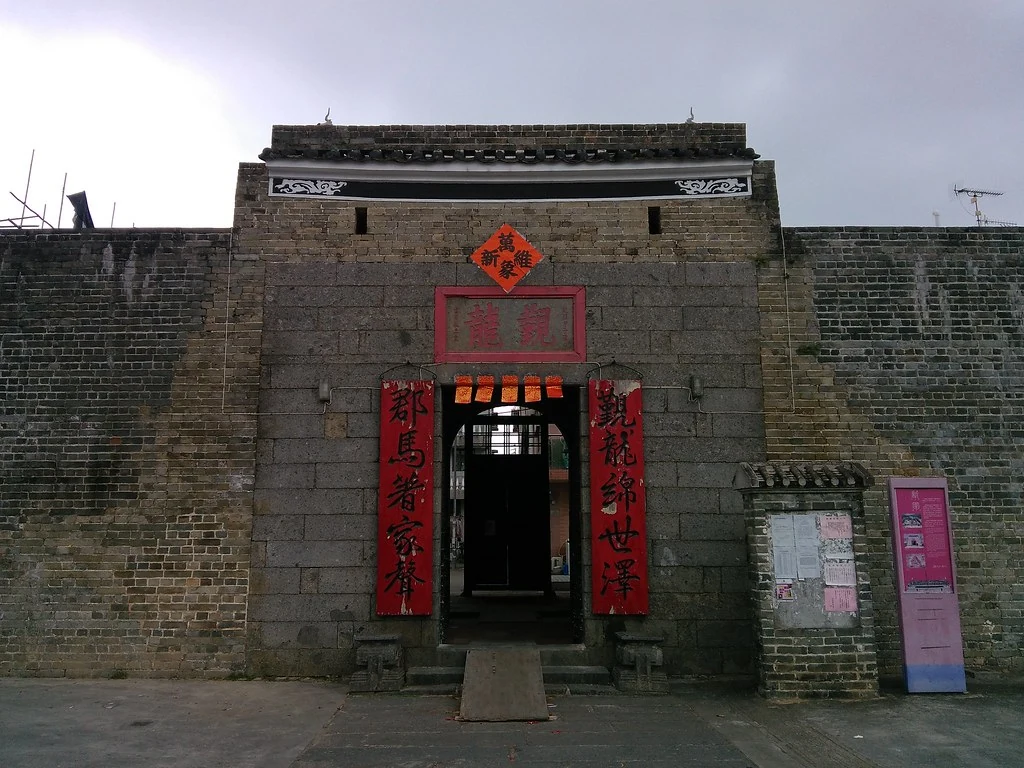
A network rather than a single village
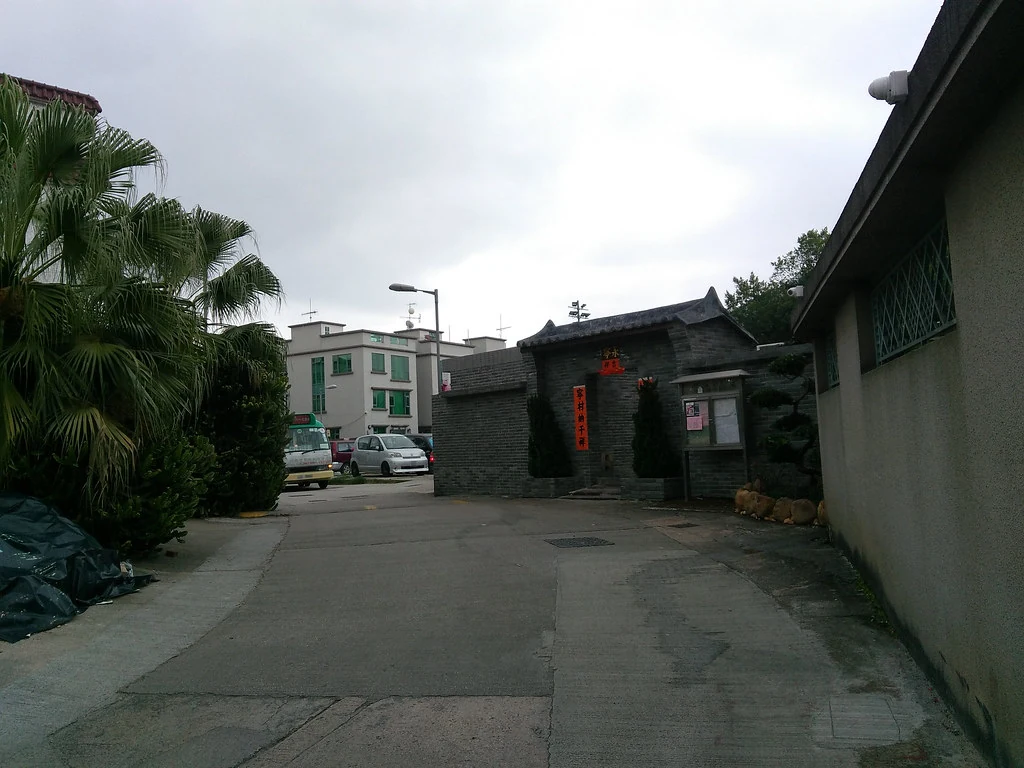
Buildings that hold local histories
AMO’s heritage trail connects sites including Tang Chung Ling Ancestral Hall, Tin Hau Temple and the enclosing walls of Lo Wai. The trail was inaugurated in 1999 and is described as linking built heritage within walking distance. These structures offer different points of entry into the area’s past: ancestral worship, religious practice and village boundaries.
Rituals across the year
The AMO account says Tang clan members in the area continue customs including communal worship in spring and autumn and the Tin Hau Festival. It also describes lantern lighting for newborn boys and an ancestral worship ceremony with a vegetarian feast, as well as a Jiao Festival held once every decade. These are specifically described as customs of the area, not a single ritual shared identically by all residents. The page asks visitors to respect local residents and minimize nuisance, an important reminder that heritage here belongs to a lived community as well as to a trail map.