A herbal tea shop offers more than a different drink from the tea served in a restaurant. Its counter connects an urban neighbourhood to a southern Chinese tradition of preparing drinks from herbs. The names and mixtures belong to a vocabulary of tastes, seasons and bodily experience, shaped by Chinese medical ideas. In Hong Kong, that vocabulary acquired a place in the ordinary rhythm of shops and streets.
From the journal
The Herbal Tea Shop as a Neighbourhood Room
Hong Kong’s herbal tea shops bring a southern Chinese drink tradition into the everyday spaces of the city.
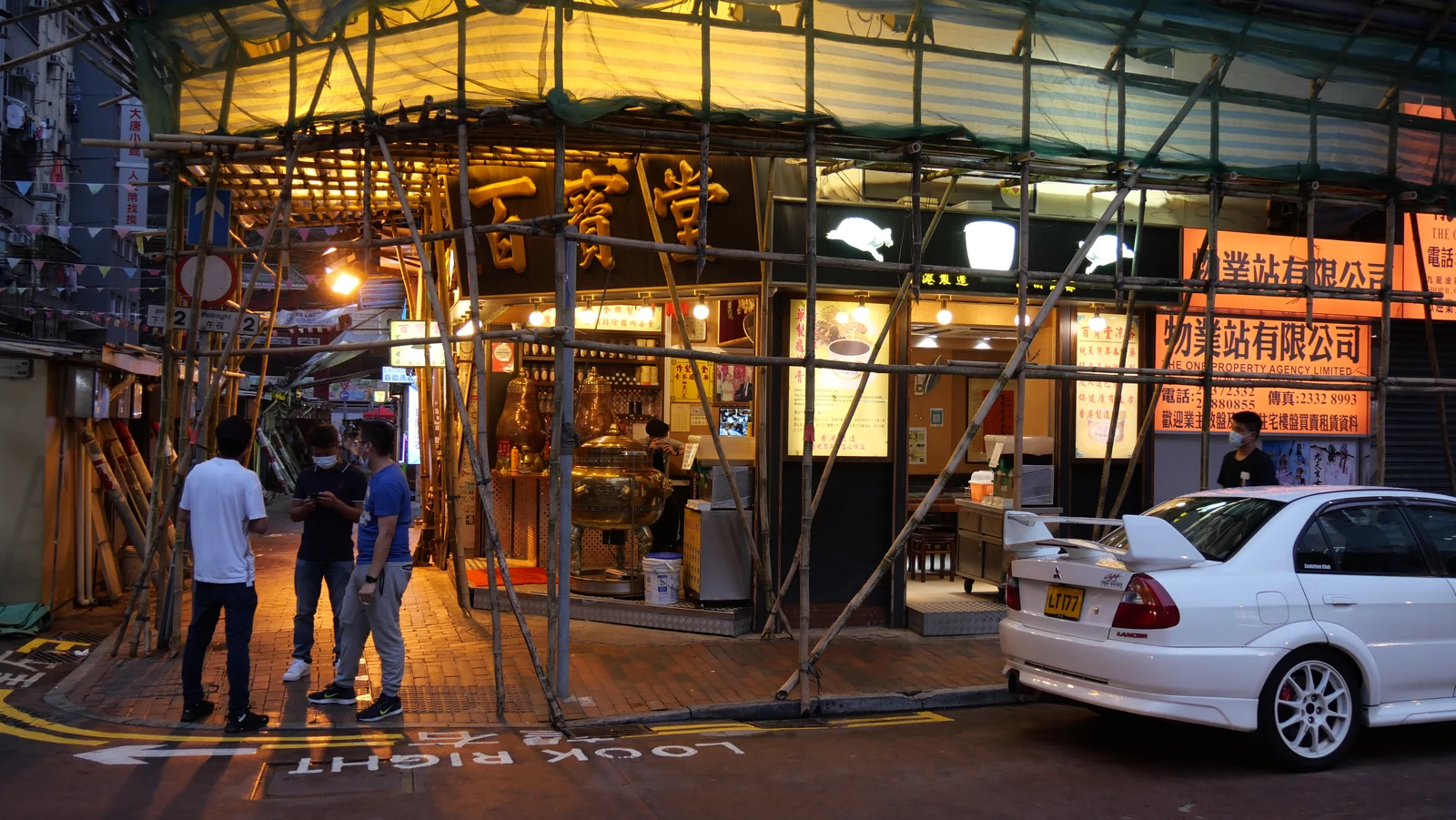
A counter and a neighbourhood
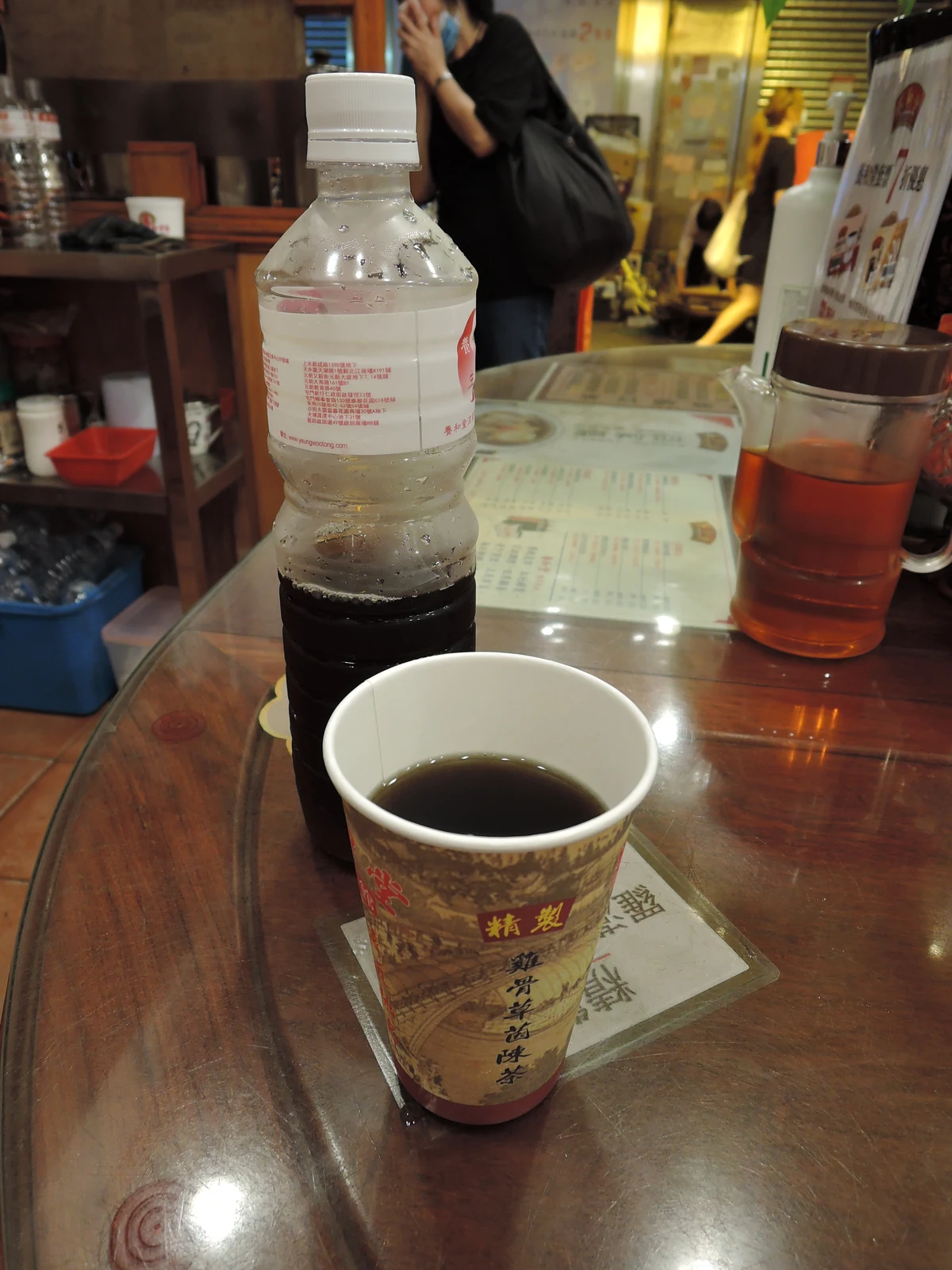
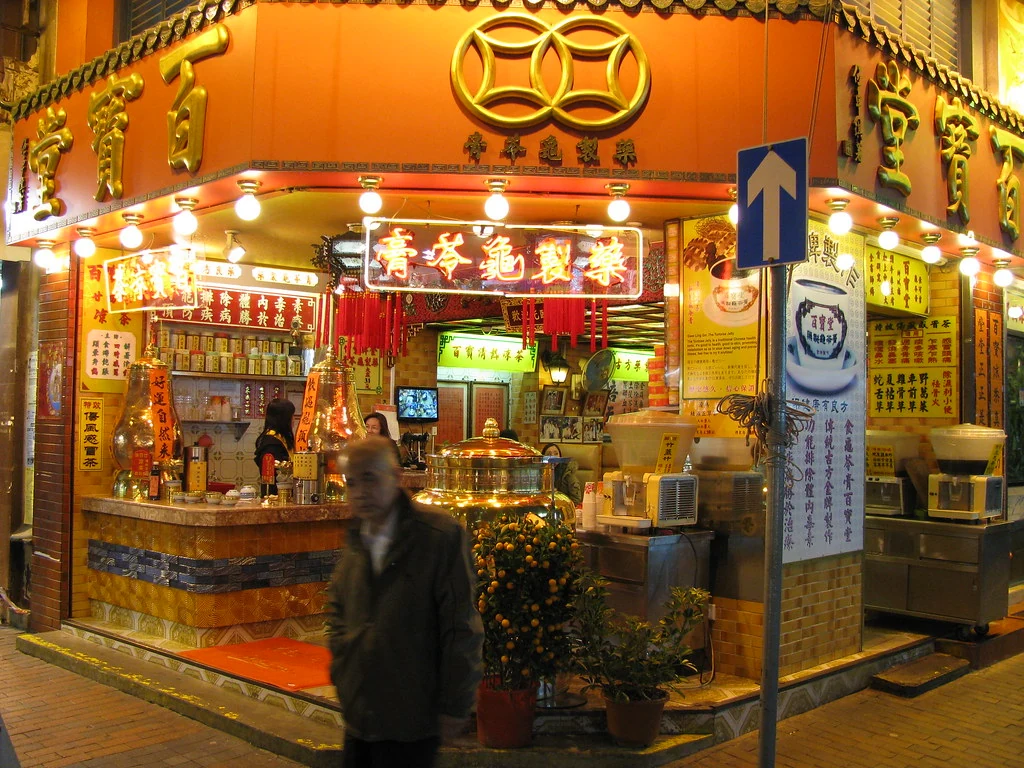
A southern tradition in an urban setting
The Intangible Cultural Heritage Office traces the custom across southern China and records a Hong Kong shop history extending back more than a century. The shops made a specialised preparation available in a public, everyday setting. Customers did not have to gather and process all the ingredients themselves; a trade brought makers and drinkers together.
Historically, some shops were also neighbourhood entertainment centres. That role helps explain why a drink counter can remain vivid in local memory. A purchase was part of time spent among other people, with listening and conversation sharing the setting.
Keeping the social history in view
The cultural interest lies in that combination of preparation and company. The drink’s place in Chinese medical tradition explains how people understood it, while the shop reveals how a practice became part of city life. Remembering both keeps the story close to makers and customers. It also leaves room for different mixtures and different neighbourhood experiences, rather than turning every herbal tea shop into one identical institution.