From the journal

The Salt Bridge: A Railway Across Qarhan

A 2026 account of railway maintenance calls the Qinghai–Tibet Railway’s passage across Qarhan Salt Lake a 33-kilometre “Salt Bridge.”
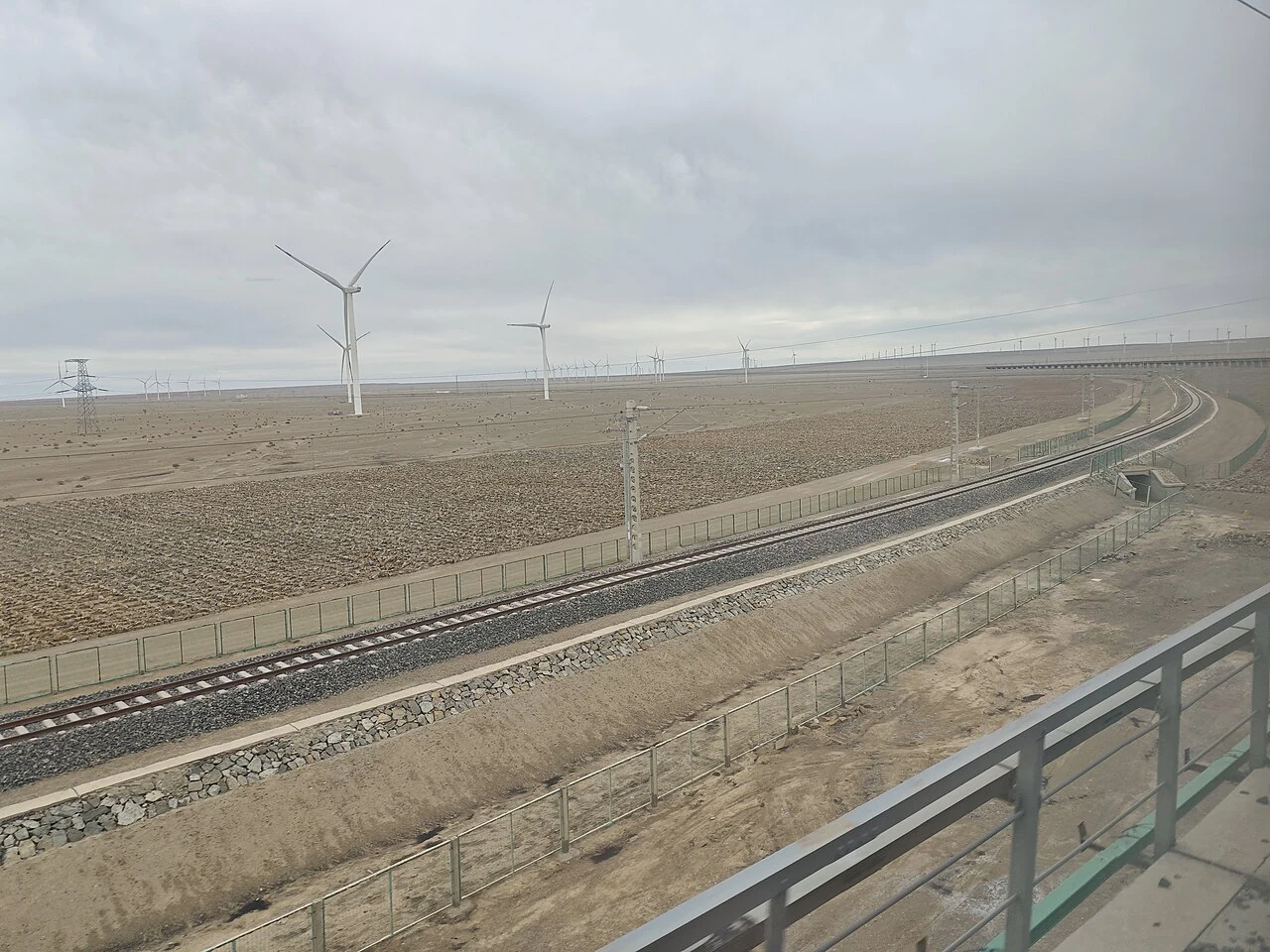
The North Hulsan branch of the Qinghai–Tibet Railway in 2024; railway context rather than a photograph of the Wanzhang Salt Bridge.

A name for the crossing

At Qarhan Salt Lake in Haixi, the Qinghai–Tibet Railway crosses the lake on a section known as the “Ten-Thousand-Zhang Salt Bridge.” A China Youth Daily account published for the railway’s twentieth anniversary gives the span as 33 kilometres. The name turns a long stretch of track into a single image: railway and salt lake sharing the same narrow line across the basin.

Keeping the line working

The same report centers on the Dabusun maintenance section, where railway staff contend with a setting of saline soil and desert. It identifies water damage, salt corrosion and collapse in salt cavities among the problems that can affect the line. Here the bridge is more than a visual crossing. It is a working railway corridor whose upkeep must account for the ground beneath it and the salt carried by the surrounding air.
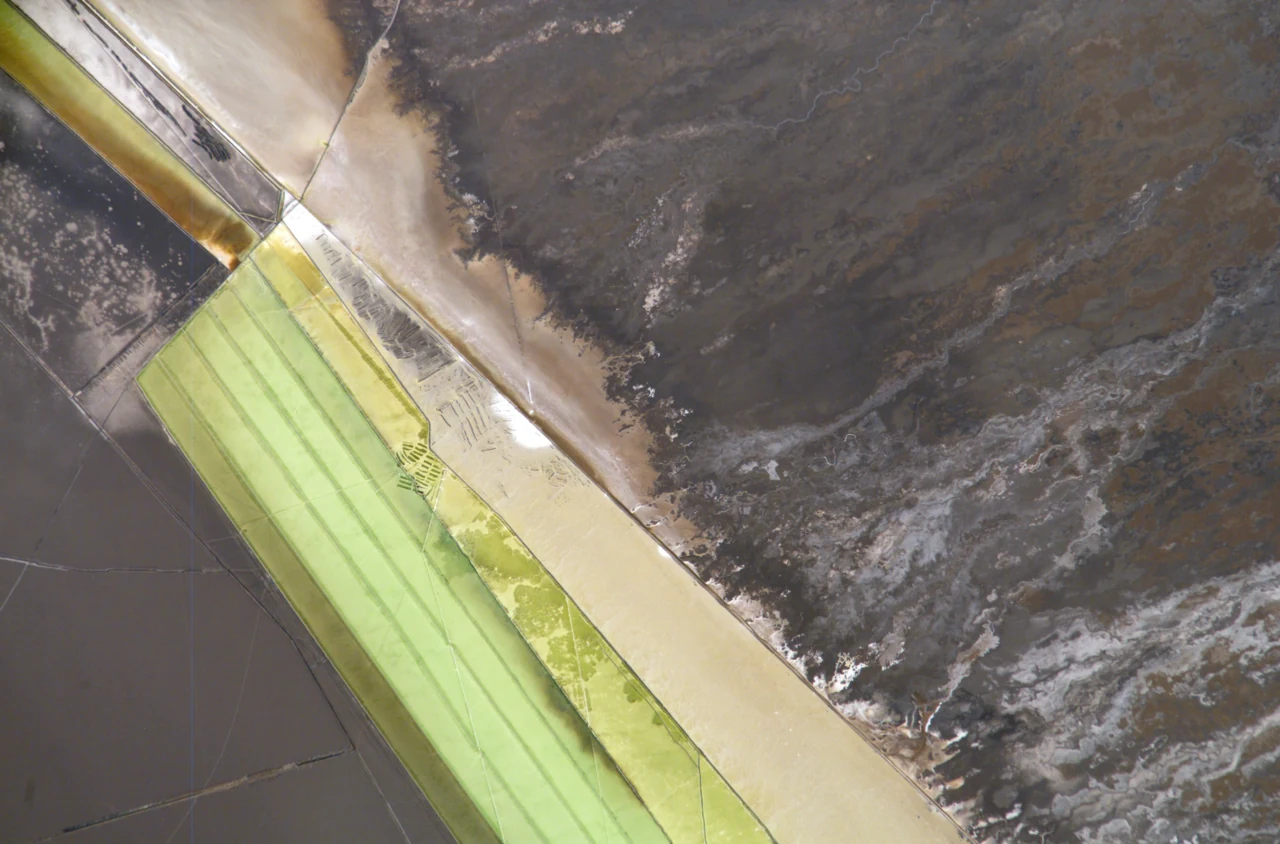
The South Hulsan salt pans photographed from the International Space Station in November 2007.
Continue exploring · Haixi ↗
Photo credits and rights
  1. The North Hulsan branch of the Qinghai–Tibet Railway in 2024; railway context rather than a photograph of the Wanzhang Salt Bridge.Liuxingy · CC BY-SA 4.0 Photo source ↗ Rights information ↗ Proportionally resized and converted to WebP without cropping. No objects were added, removed or reconstructed.
  2. The South Hulsan salt pans photographed from the International Space Station in November 2007.NASA · Public domain Photo source ↗ Proportionally resized and converted to WebP without cropping. No objects were added, removed or reconstructed.