A stream of dark tea falls from a raised metal pot into a cloth bag held above another pot. The movement is conspicuous, but it belongs to a longer sequence of quiet decisions: which leaves to blend, when to boil, how long to rest the brew and when to add the milk. Hong Kong-style milk tea, often called silk-stocking milk tea, is as much a way of working as a list of ingredients. Its cloth filter and paired pots give the counter its own small choreography.
From the journal
The Pour That Makes Hong Kong Milk Tea
Two metal pots, a cloth bag and a practiced sequence turn black tea and milk into one of Hong Kong’s everyday pleasures.
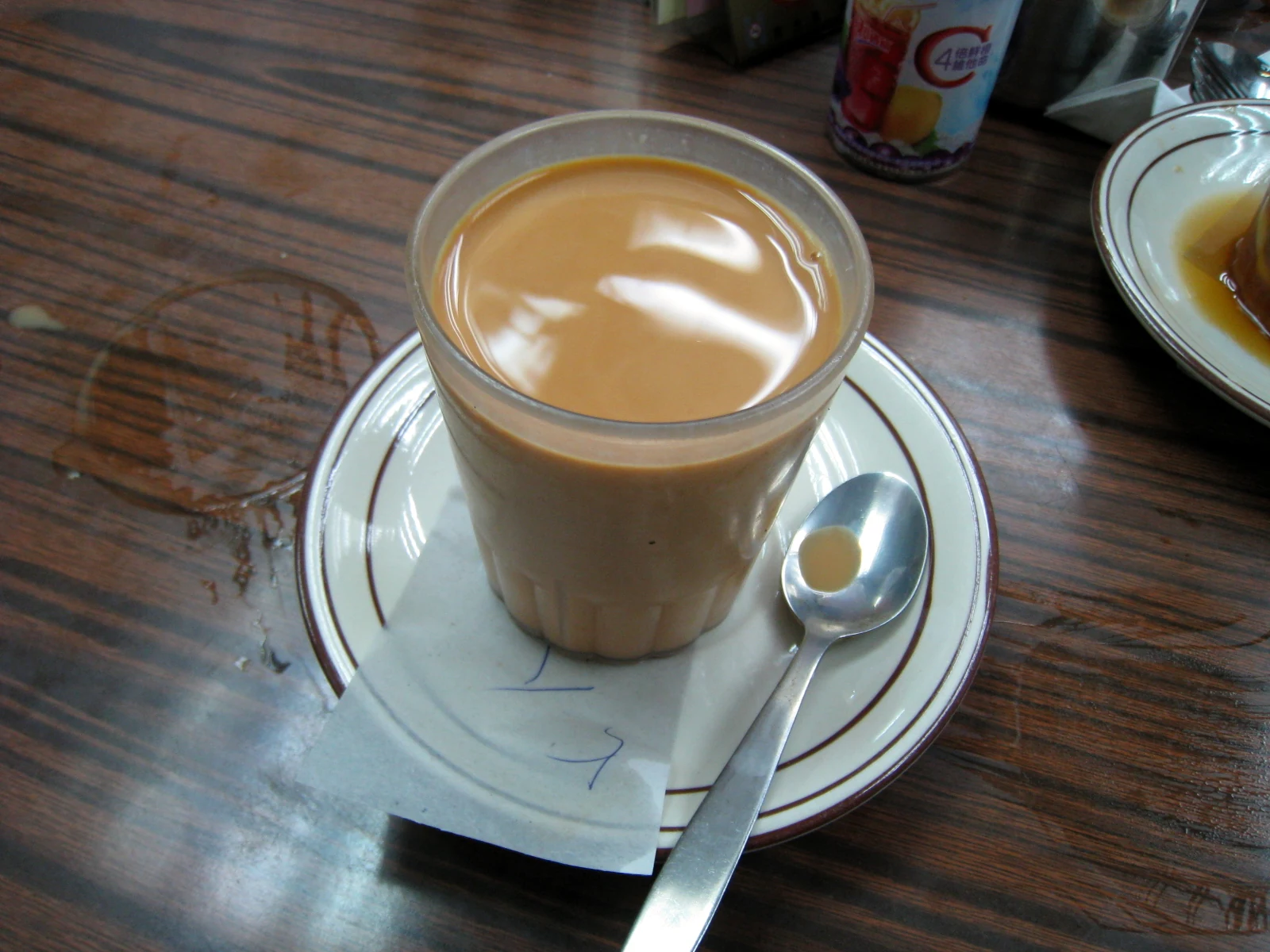
The work between two pots
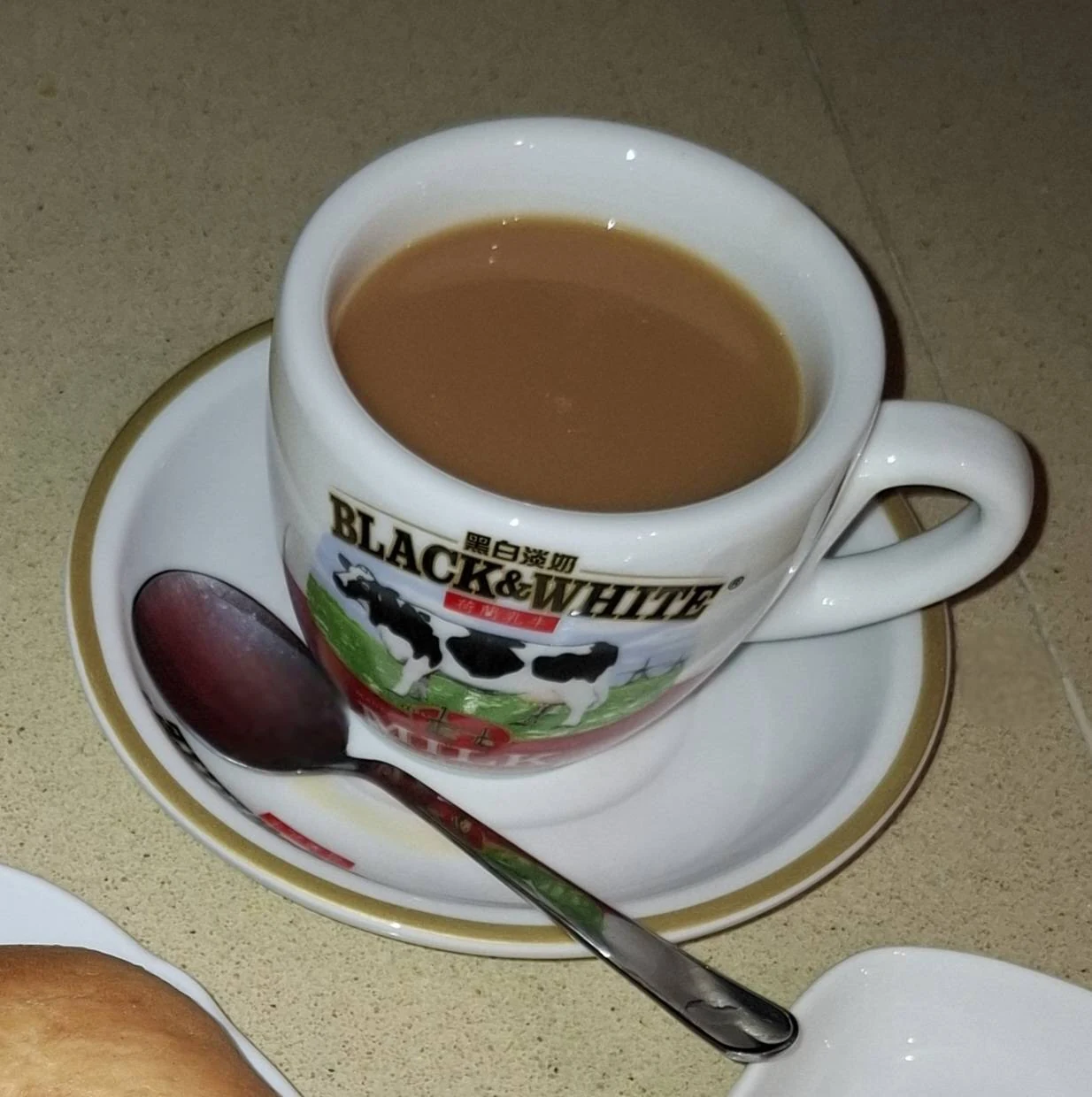
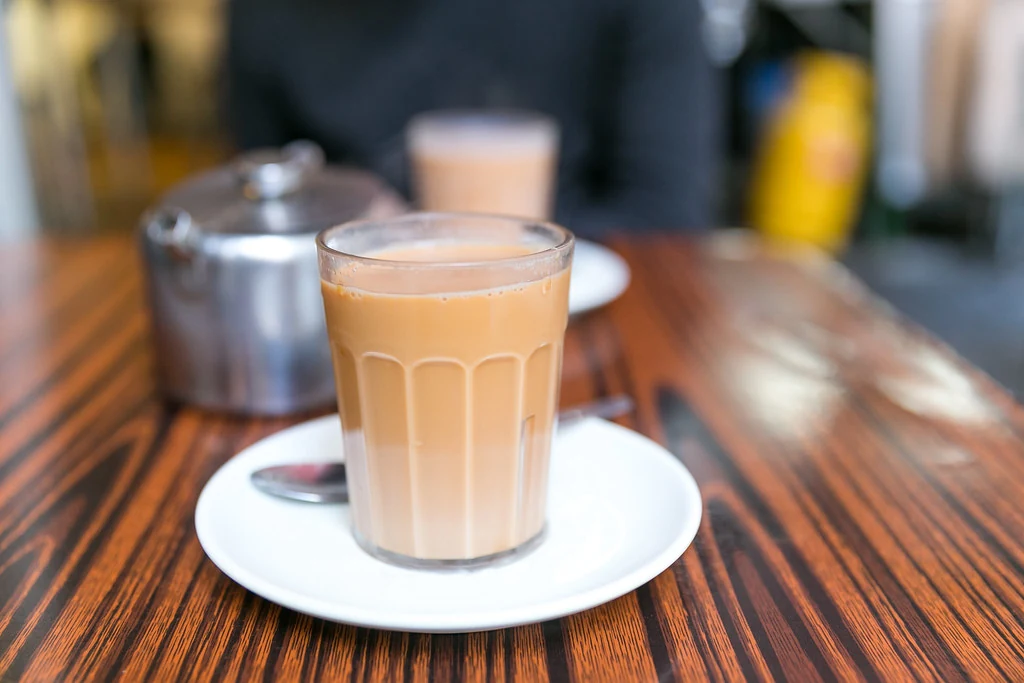
A blend has to pass through the bag
The leaves are blended before brewing. Hong Kong Memory’s account describes different grades of black tea, boiling water and evaporated milk or a non-dairy alternative, with two metal pots, a tea bag and a hotplate among the tools. The mixture must give flavour while allowing liquid to pass through the cloth. There is no single compulsory blend shared by every maker. That room for adjustment helps explain why two familiar-looking cups can taste different.
Boiling and resting are separate parts of the preparation. The leaves need time in the hot water, while prolonged or poorly judged heating can make the brew harsh. The technique depends on recognising when one stage has done its work and the next should begin.
The pour is not the finish
The forceful pour passes the tea back through the bag, and the tea then rests again before meeting the milk. Some makers put milk into the cup first; others reverse the order. These differences belong to individual practice, rather than a contest with one authorised answer.
For the drinker, the finished cup brings those decisions together: strong tea, a rounded milky texture and a character that still belongs to the tea itself. For the maker, it is a repeatable performance carried out amid ordinary service. The Intangible Cultural Heritage Office places this everyday skill within Hong Kong’s food culture, where a technique developed from English milk tea has acquired a recognisable local life.