From the journal

Gongbo New Year: A Festival Before the Winter Turns

Celebrated on the first day of the tenth Tibetan month, Gongbo New Year joins a regional calendar to stories, food and shared work.

In the same city · Nyingchi ↗
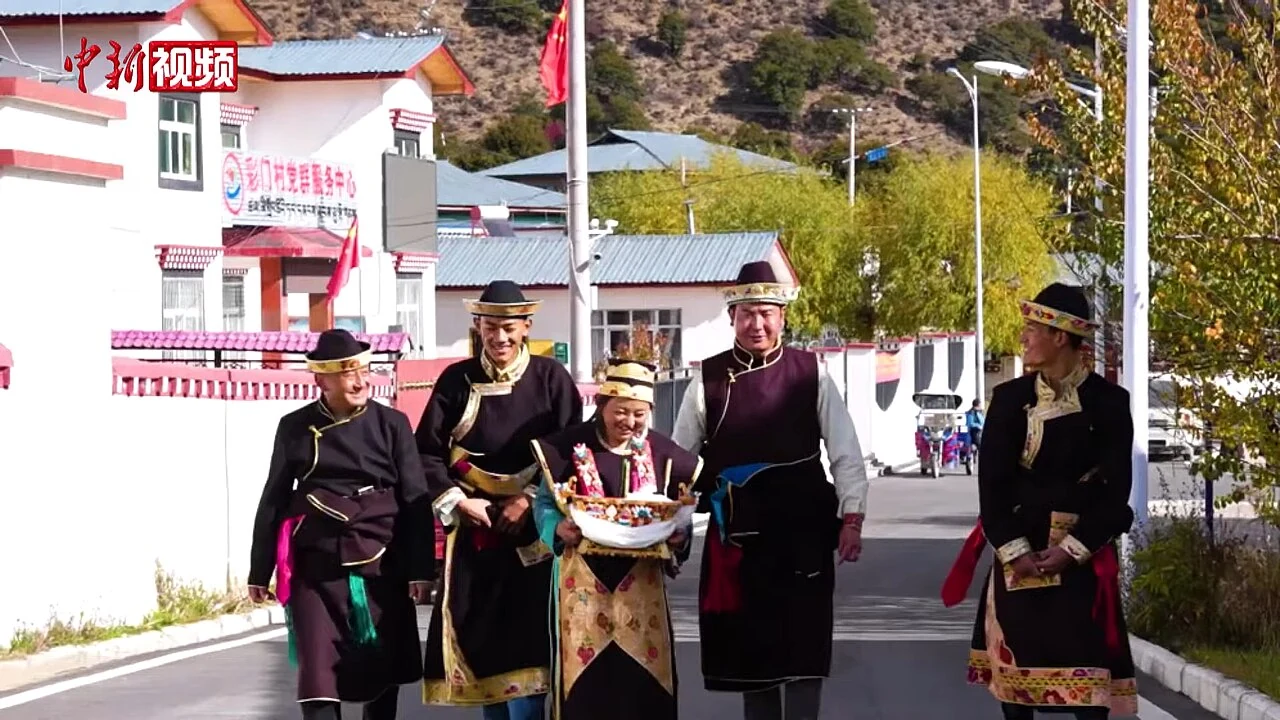
Festival participants hold chema during a Gongbo New Year celebration
People with chema at a Gongbo New Year celebration, 24 November 2022. Photo: China News Service, CC BY 4.0.

A new year for the Gongbo region

Gongbo New Year falls on the first day of the tenth month of the Tibetan calendar. Regional accounts place its celebration in Bayi, Mainling and Gongbo'gyamda, in the Gongbo area of Nyingchi. Its date gives the festival a distinctive place in the seasonal cycle, before the Tibetan New Year observed later in the calendar year. It is a regional observance, rooted in this part of eastern Tibet rather than shared in the same form by every Tibetan community.

English sources also call it the Gongbo Festival or Kongpo Losar. The different spellings reflect how the regional name has been rendered across languages. What stays constant in the accounts is the date and the gathering: families prepare food, don local clothing and mark the turn of the year together.

A story of setting out from home

A regional tourism feature preserves a story about why the new year comes early. More than seven centuries ago, it says, a Gongbo ruler called men to defend the region in autumn. They were reluctant to leave home before celebrating, so the ruler moved the holiday to the first day of the tenth month. After feasting, the men set out and defeated the attackers.

The same page tells another version: local people joined a force marching away in September and regretted leaving before tasting the barley wine, festival foods and a fire of green pine. The community then marked the new year earlier and kept a night watch with offerings for the soldiers. These stories explain the date through separation, loyalty and the wish to carry home with those who leave. They are remembered accounts, told in more than one form.

Preparing for the festival

The account describes preparations beginning about a week before the first day: households set aside barley and pork, make kasai pastries and ready provisions for the holiday. It lists customs including driving away misfortune, inviting dogs to eat, carrying water, eating jieda, honoring a harvest deity, shooting whistling arrows and lifting stones. Singing and dancing bring people together during the celebration. A separate municipal tourism feature shows participants in Gongbo clothing and describes jieda as food made with butter and curds.

A 2022 photograph shows people holding chema, an arrangement of grain used in celebration. It belongs to a particular public event; the written accounts add details about household preparation and village customs. Together, calendar, stories, food and shared activity make Gongbo New Year more than an early date on the Tibetan calendar. It is a regional way of welcoming the year through preparations for family, guests and community.

Continue exploring · Gongbo New Year ↗
Photo credits and rights
  1. People with chema at a Gongbo New Year celebration, 24 November 2022. Photo: China News Service, CC BY 4.0.China News Service · CC BY 4.0 Photo source ↗ Rights information ↗