From the journal

St. Paul’s College: The School Behind the Façade

The foundations behind the famous church wall belonged to a college where Jesuits prepared for work in China through language learning and religious study.

In the same city · Macao ↗
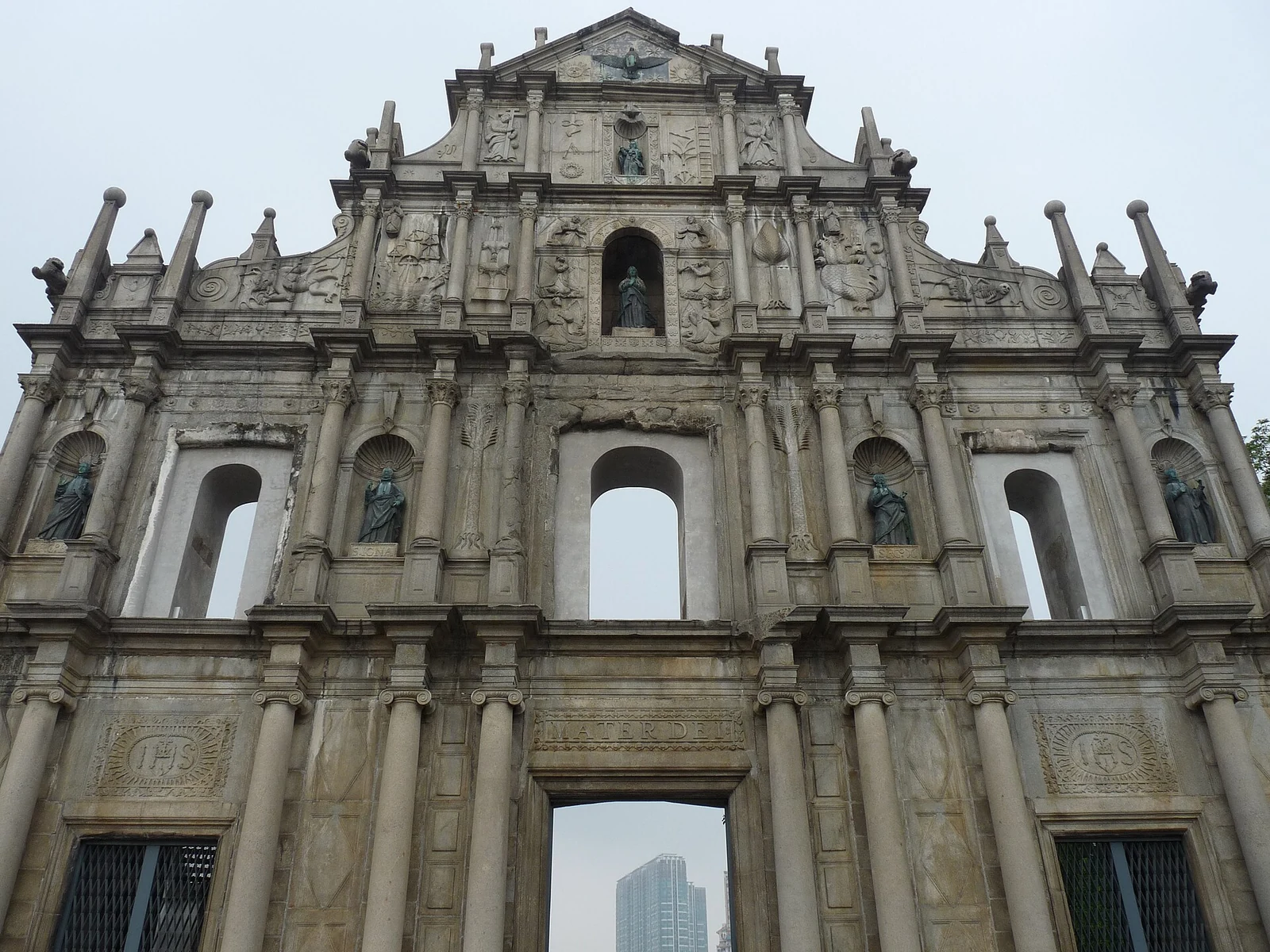
The surviving stone façade of the Church of Mater Dei at the Ruins of St Paul’s in Macao.

Two institutions in one landscape

The surviving wall belongs to the Church of Mater Dei; St. Paul’s College was a separate institution in the same Jesuit complex. One was a place of worship, the other of teaching and preparation. Their proximity explains why the ruins are often spoken of together, but their roles should not be collapsed into one building.

The college’s history reaches earlier than its elevation in 1594. A small school stood near a chapel on Mount Fortress in 1565, where Portuguese was taught to children. By 1594, major works were intended to turn the Jesuit residence into a university college. These are stages of development, not a single founding moment.
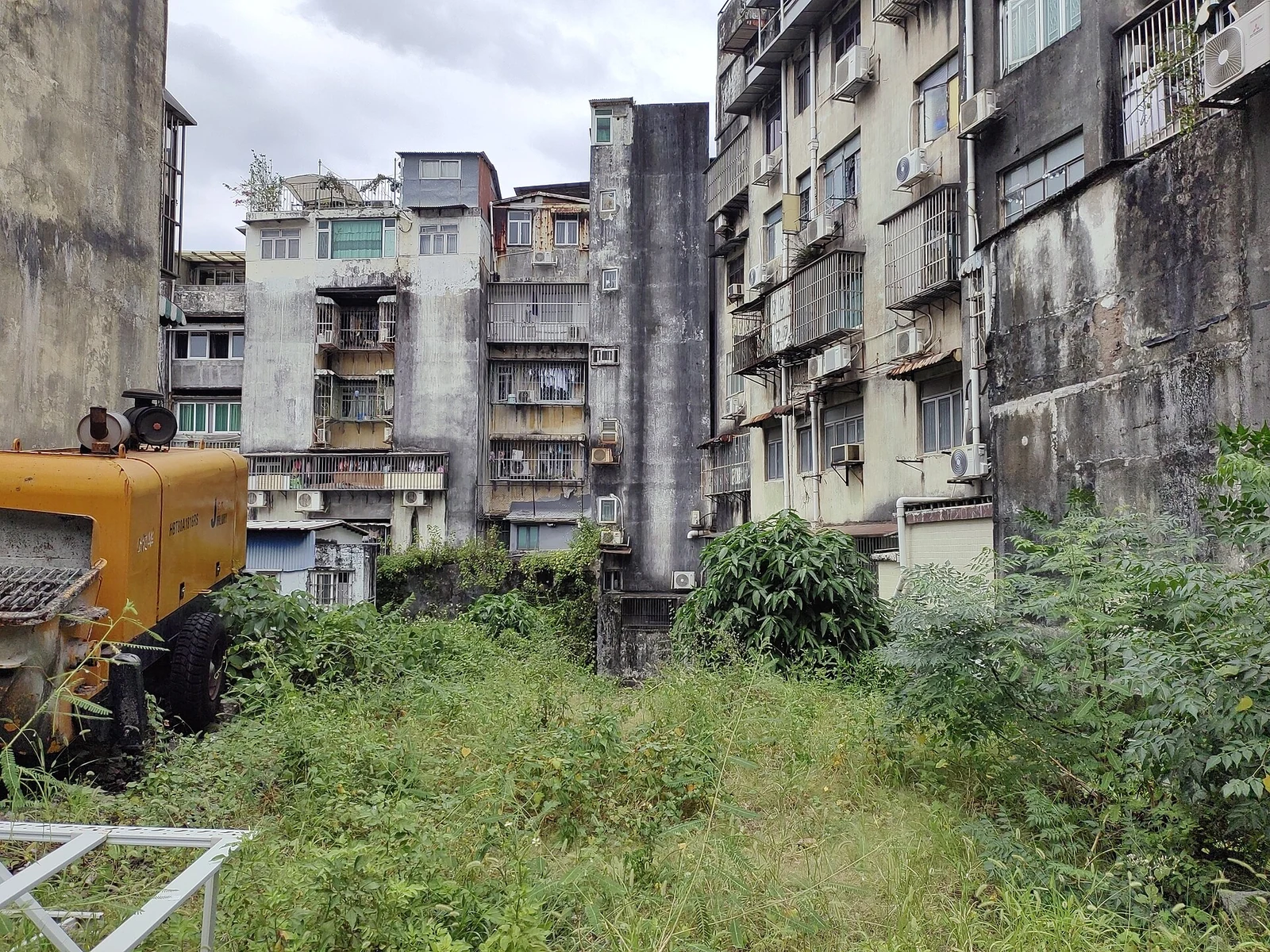
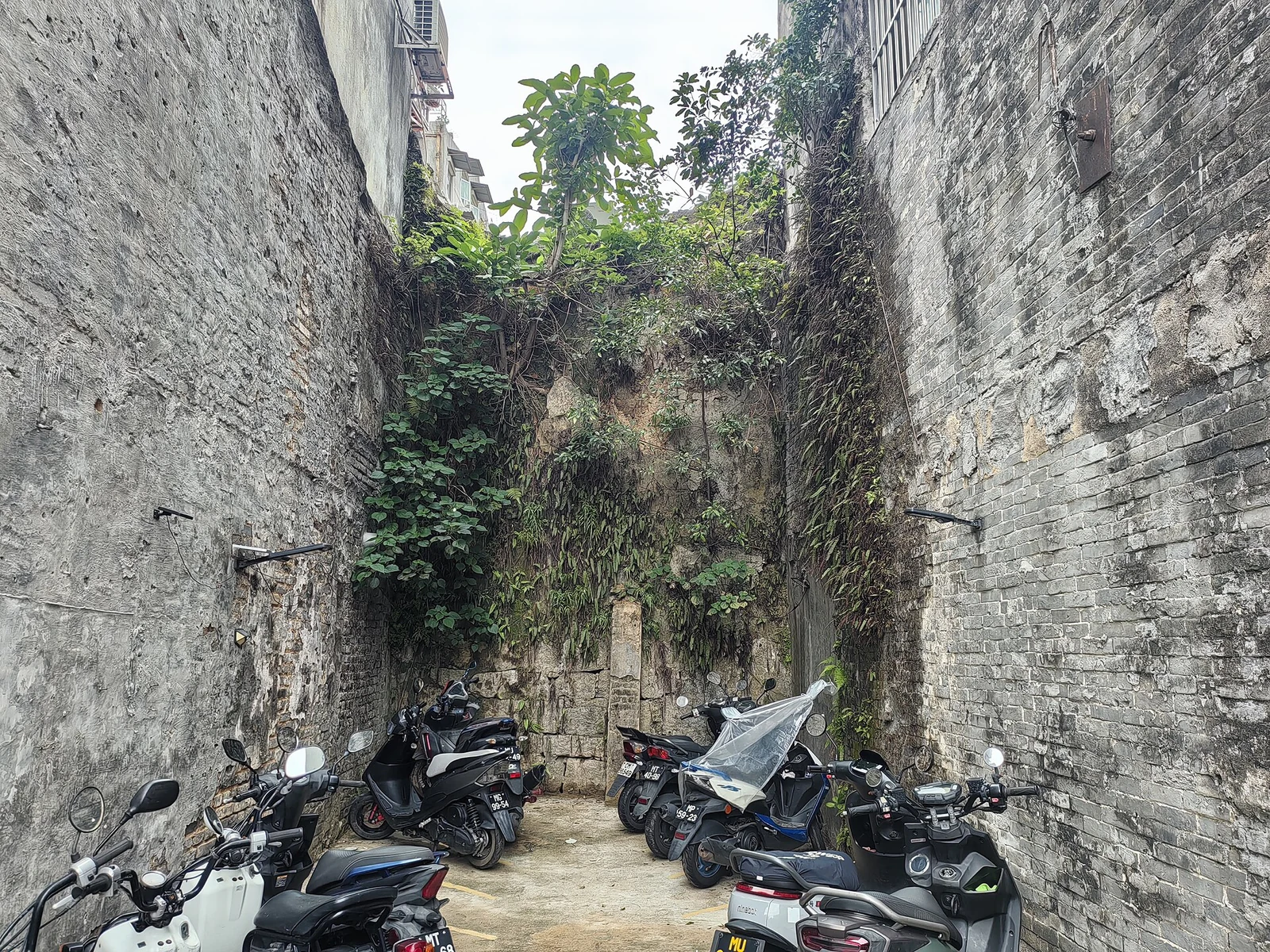
Surviving walls of the St Paul’s complex among the surrounding streets.
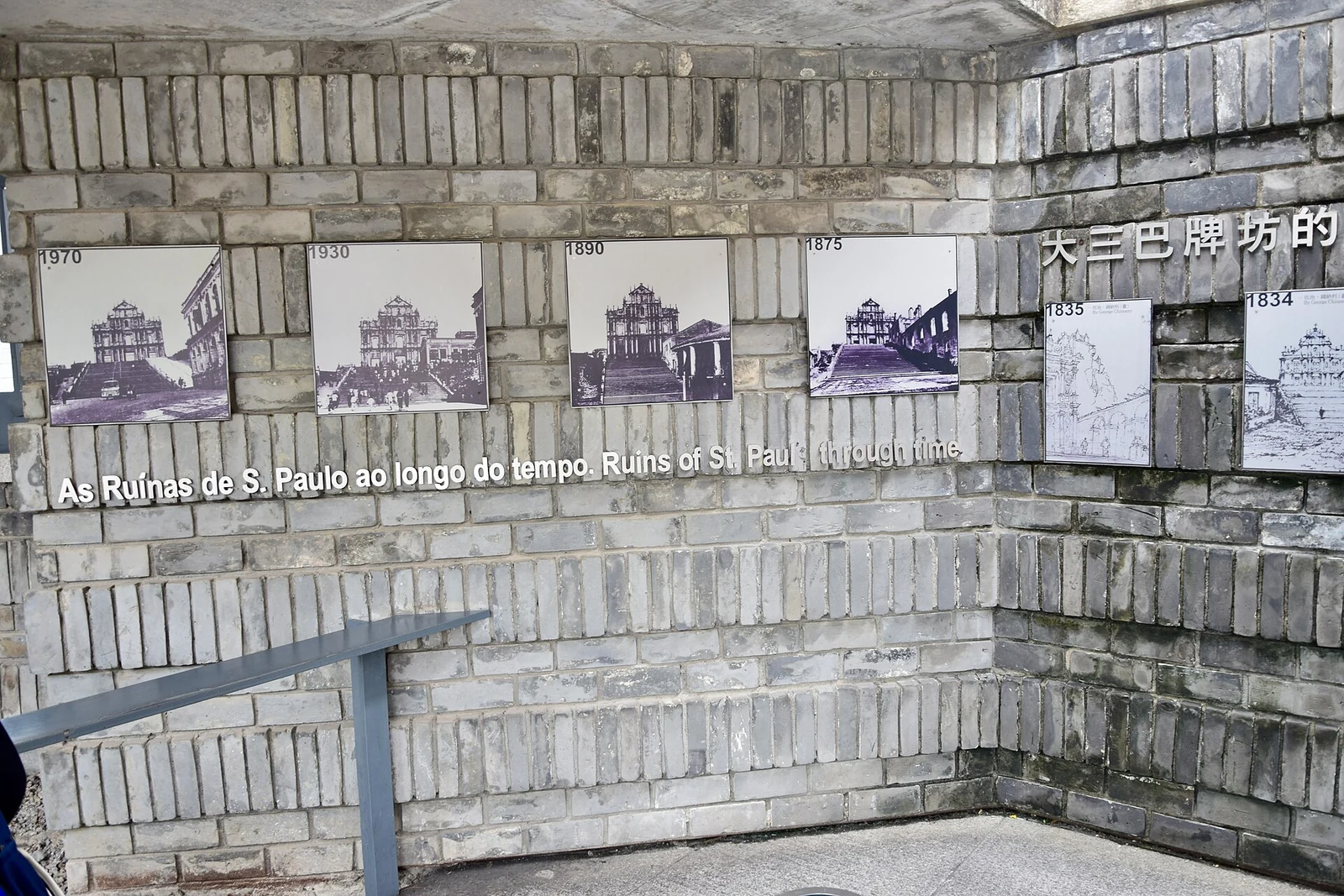
Historical images displayed at the Museum of Sacred Art and Crypt.
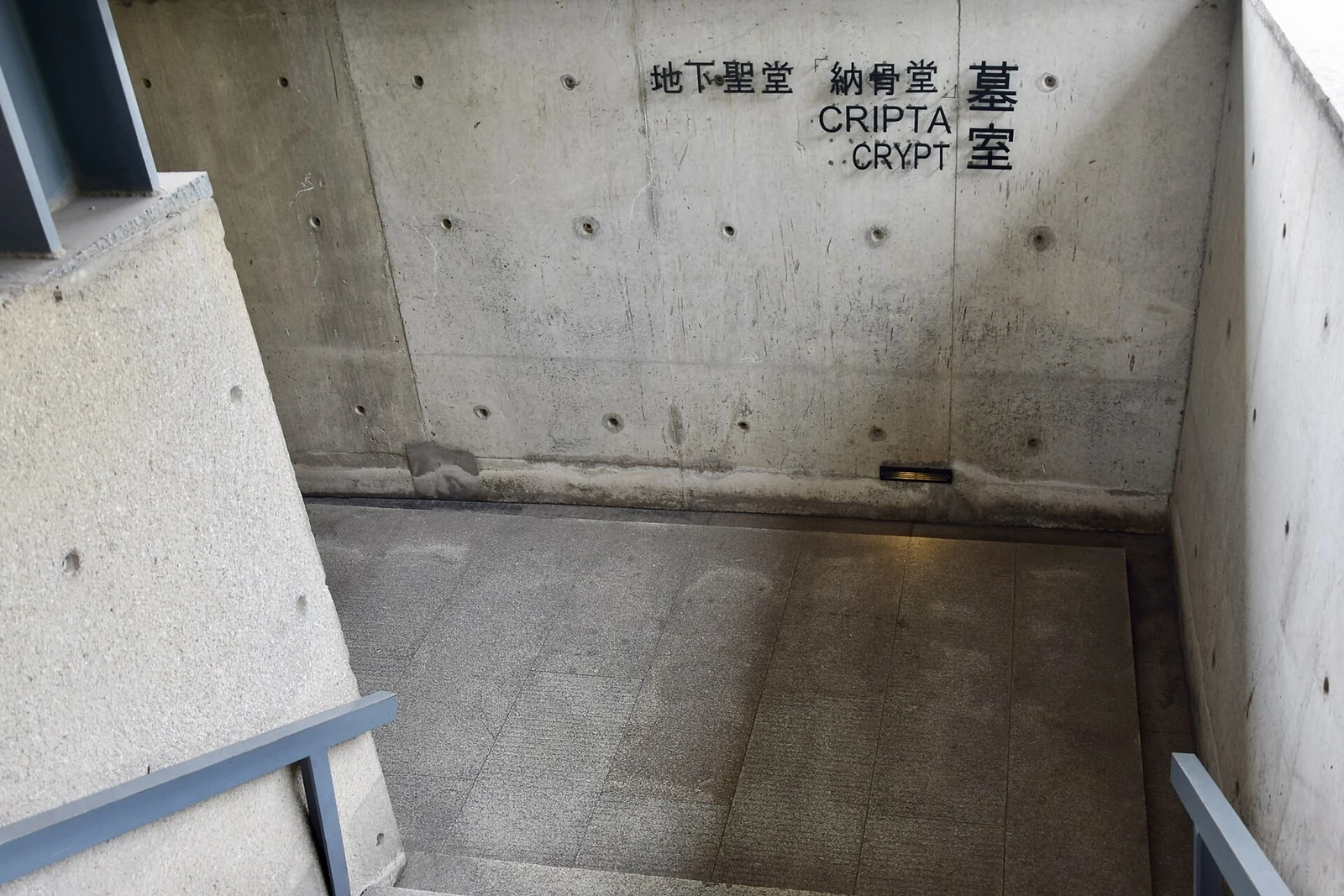
The entrance to the crypt beneath the St Paul’s ruins.

Learning before entering China

Jesuit missionaries preparing for China studied Chinese, Latin, philosophy, theology, mathematics, astronomy, physics, medicine, music and rhetoric. Chinese was compulsory and received the most teaching time. The curriculum combined language with the subjects needed to read, debate and teach across unfamiliar intellectual traditions.

Students sat examinations; those who passed could graduate and receive degrees. Most students were European Jesuits, alongside some Chinese and Japanese seminarians. This mix made the college a school for a regional mission network, with language training at its center. The lessons connected a Macao classroom to places far beyond the peninsula.

What the foundations can still tell us

A fire in 1835 destroyed the college and its church, leaving the church’s front wall, much of the foundations and the approach steps. The ruin is an incomplete archive. Its visible stone belongs to the church, while the lower remains point toward the larger educational compound.

The college’s importance lies in the institution it became and the work it supported, not in a claim that every well-known Jesuit studied there. The façade survived; less theatrical foundations recall a school whose lessons helped prepare people for travel, translation and encounter.

Continue exploring · St. Paul's Ruins ↗
Photo credits and rights
  1. AwOiSoAk KaOsIoWa / CC BY-SA 3.0 · CC BY-SA 3.0 Photo source ↗ Rights information ↗
  2. Surviving walls of the St Paul’s complex among the surrounding streets.Yumeto / CC BY-SA 4.0 · CC BY-SA 4.0 Photo source ↗ Rights information ↗
  3. Surviving walls of the St Paul’s complex among the surrounding streets.Yumeto / CC BY-SA 4.0 · CC BY-SA 4.0 Photo source ↗ Rights information ↗
  4. Historical images displayed at the Museum of Sacred Art and Crypt.Ank Kumar / CC BY-SA 4.0 · CC BY-SA 4.0 Photo source ↗ Rights information ↗
  5. The entrance to the crypt beneath the St Paul’s ruins.Ank Kumar / CC BY-SA 4.0 · CC BY-SA 4.0 Photo source ↗ Rights information ↗