Naamyam is a form of folk narrative singing. The Cultural Affairs Bureau describes lines with a regular structure, strong musicality and a melody marked by local character. In Guangdong, it is believed to date to around the Qianlong reign. Performers known as gushi—blind singers—were associated with the tradition; the term di-shui Naamyam grew from a local name for blind people. A singer carries a story through successive lines, shaping names, turns in the plot and moments of feeling through tune and phrasing.
From the journal
Naamyam: Long Stories Sung in Macao
Once heard in teahouses and taverns, Naamyam carries long narratives through measured verses, local melody and a small group of instruments.
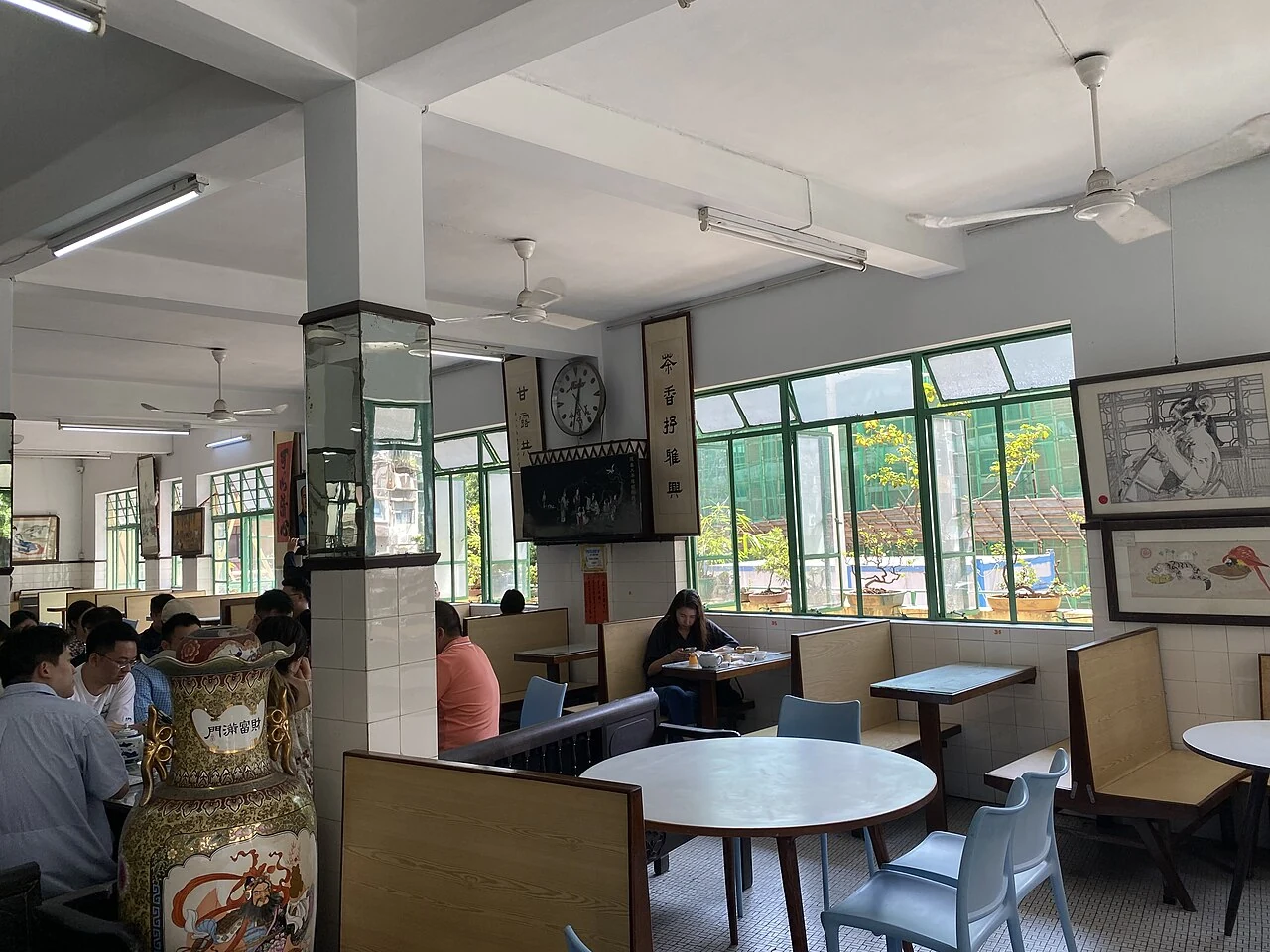
A Narrative Made for Singing
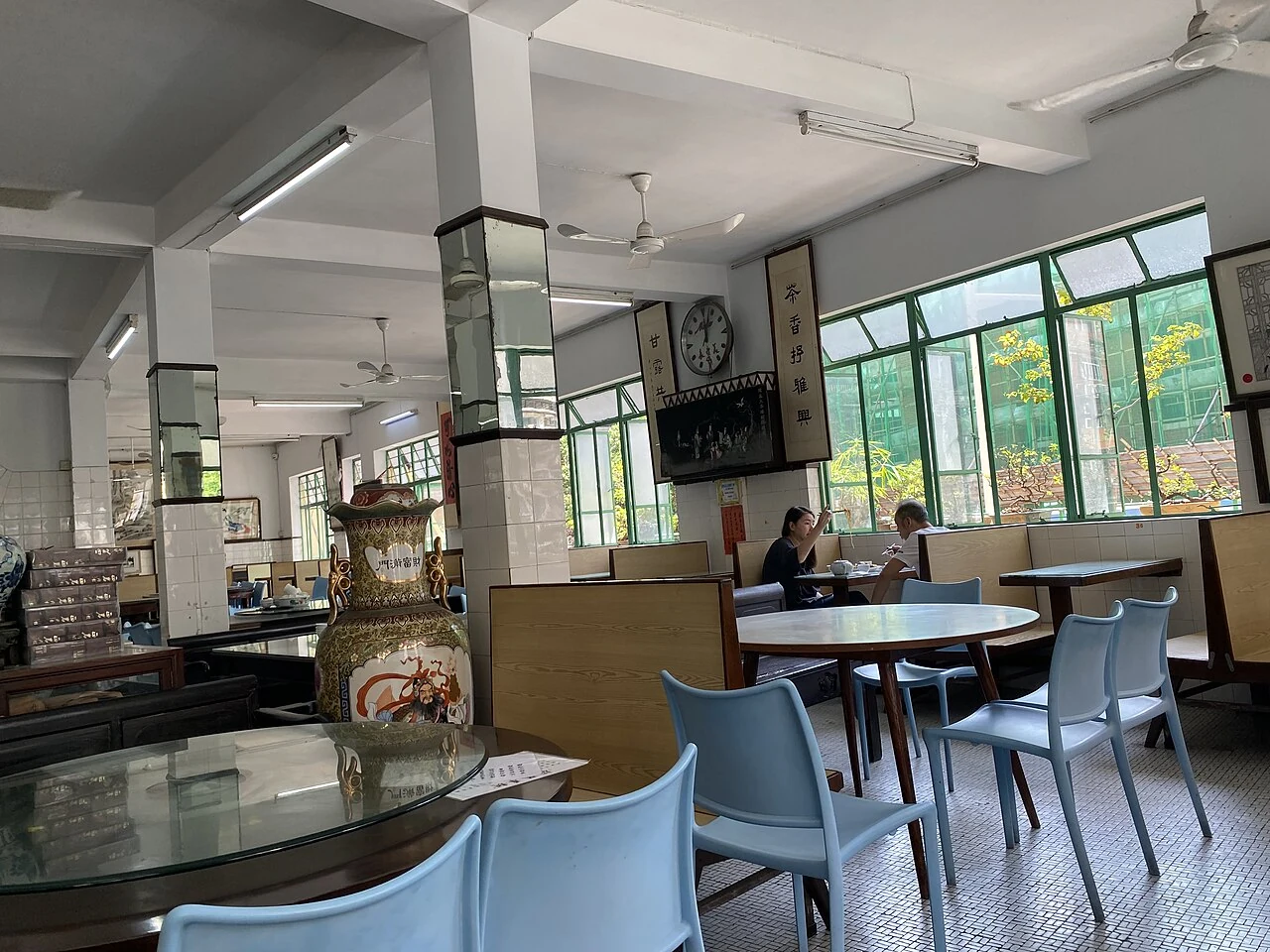
Zheng, Yehu and the Shape of a Story
The zheng and yehu are common accompanying instruments: one is a plucked bridged zither, the other a bowed lute with a coconut-shell resonator. A Macao programme also lists yangqin, xiao, qinqin and pipa among instruments that may accompany the song. The repertoire has included loyalty, filial duty, moral obligation, freedom and love. The bureau describes Naamyam as highly improvisational, with strong regional and dialect features.
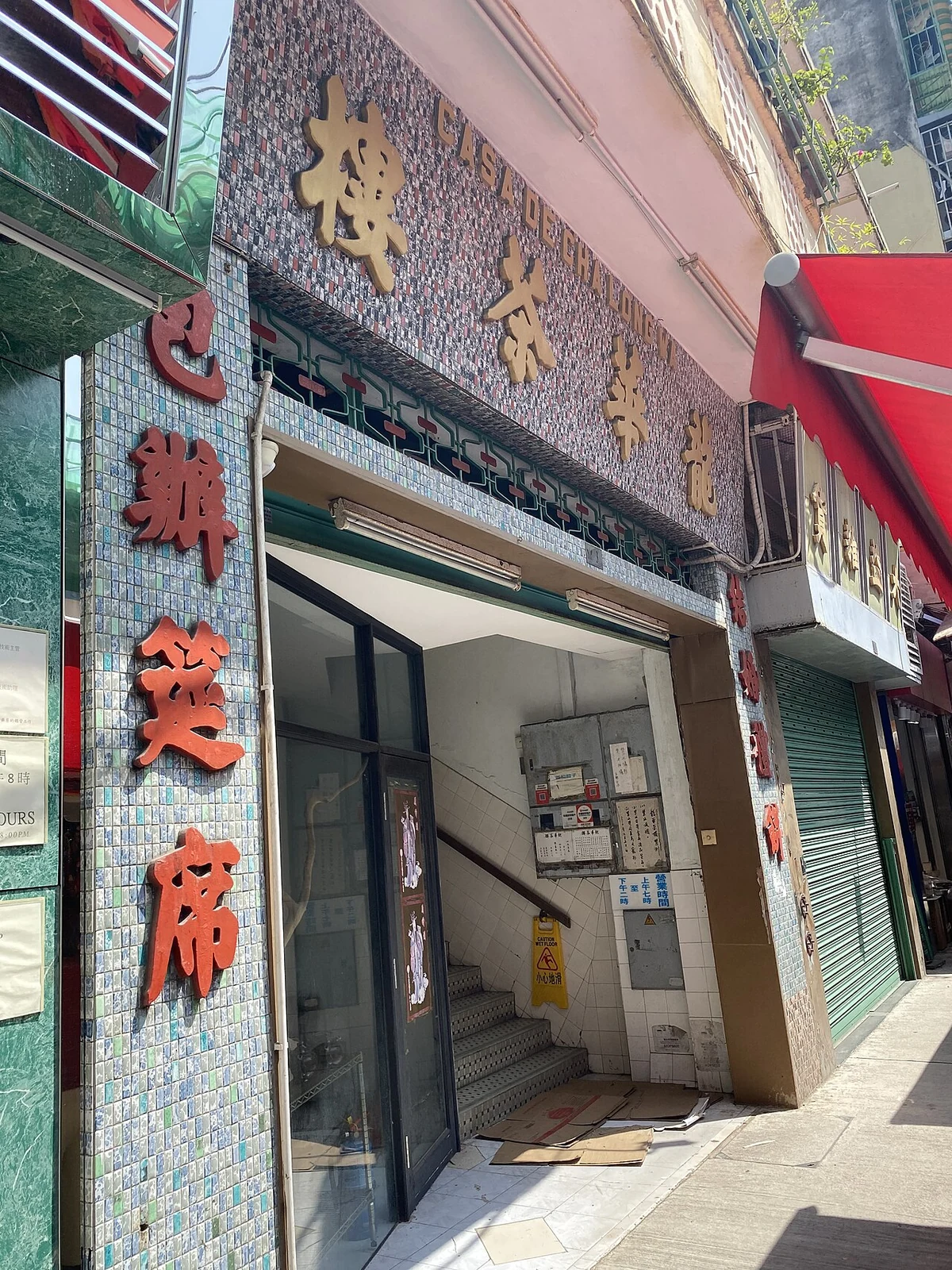
From Teahouses to Heritage Stages
In Macao, di-shui Naamyam was once sung in teahouses, taverns and wealthy households. Long narratives were also broadcast on radio in Macao and Hong Kong, making the art part of urban entertainment. Later, its melodic material entered Cantonese opera as stage Naamyam. As Western popular culture reshaped public taste in the 1960s and 1970s, the form became less frequently heard on its own.
Macao’s Naamyam narrative singing entered the National Intangible Cultural Heritage List in 2011. Performers and associations continue to teach and present it through concerts, education and cultural programmes, keeping local language and storytelling in public life.