From the journal

Six yards on Lai Chi Vun

Shipbuilding began at Lai Chi Vun in the 1950s.

In the same city · Macao ↗
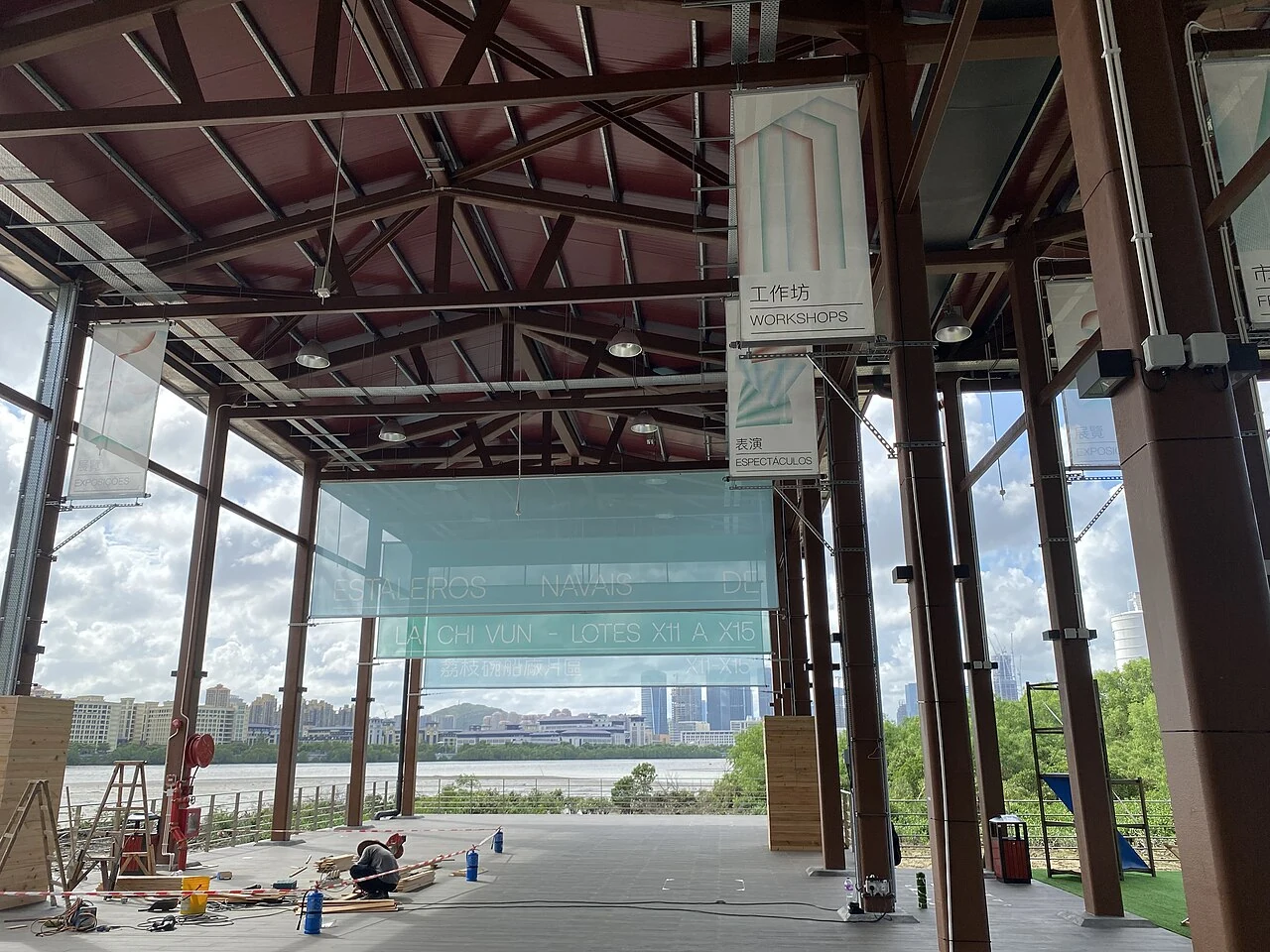
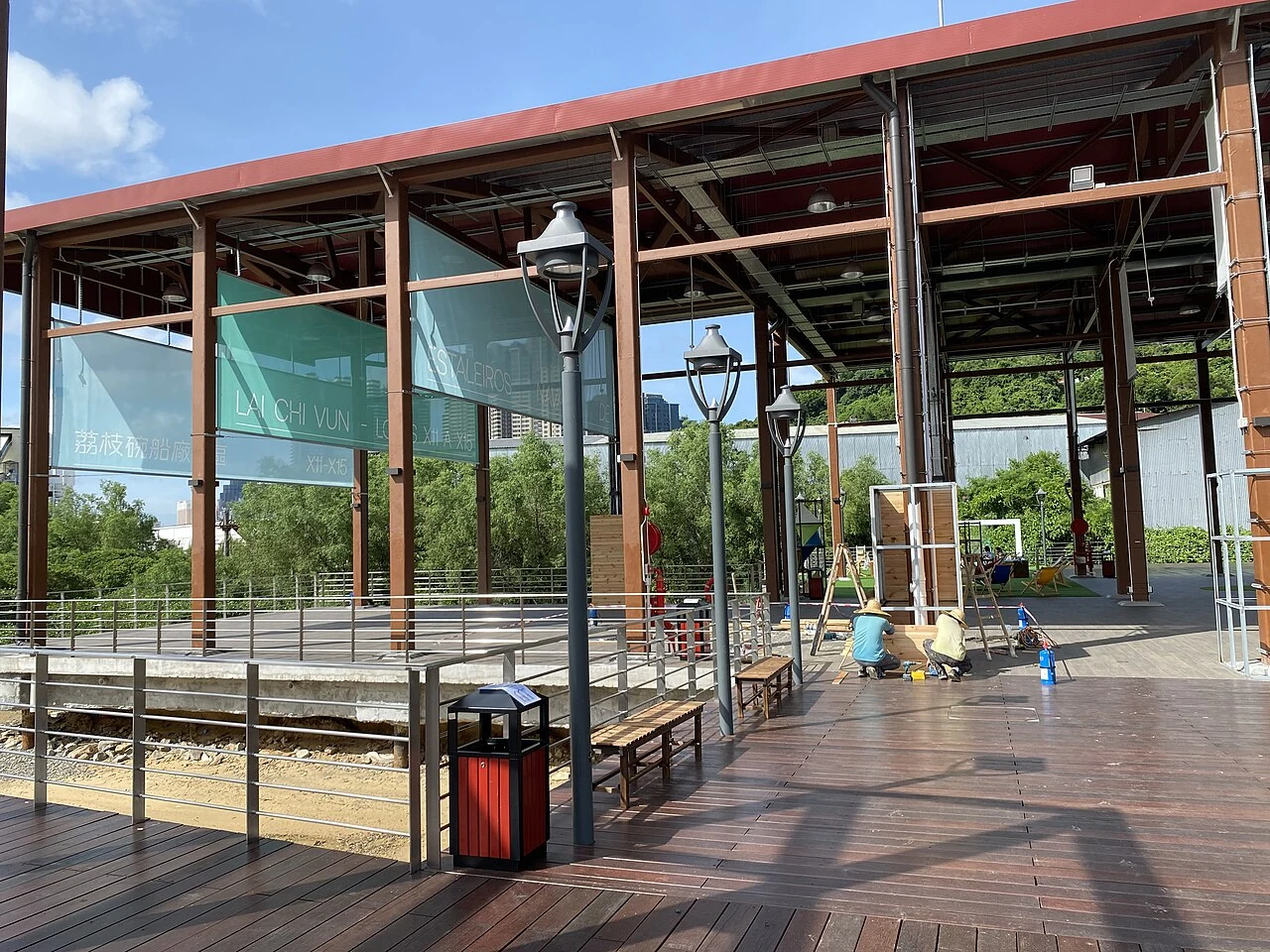
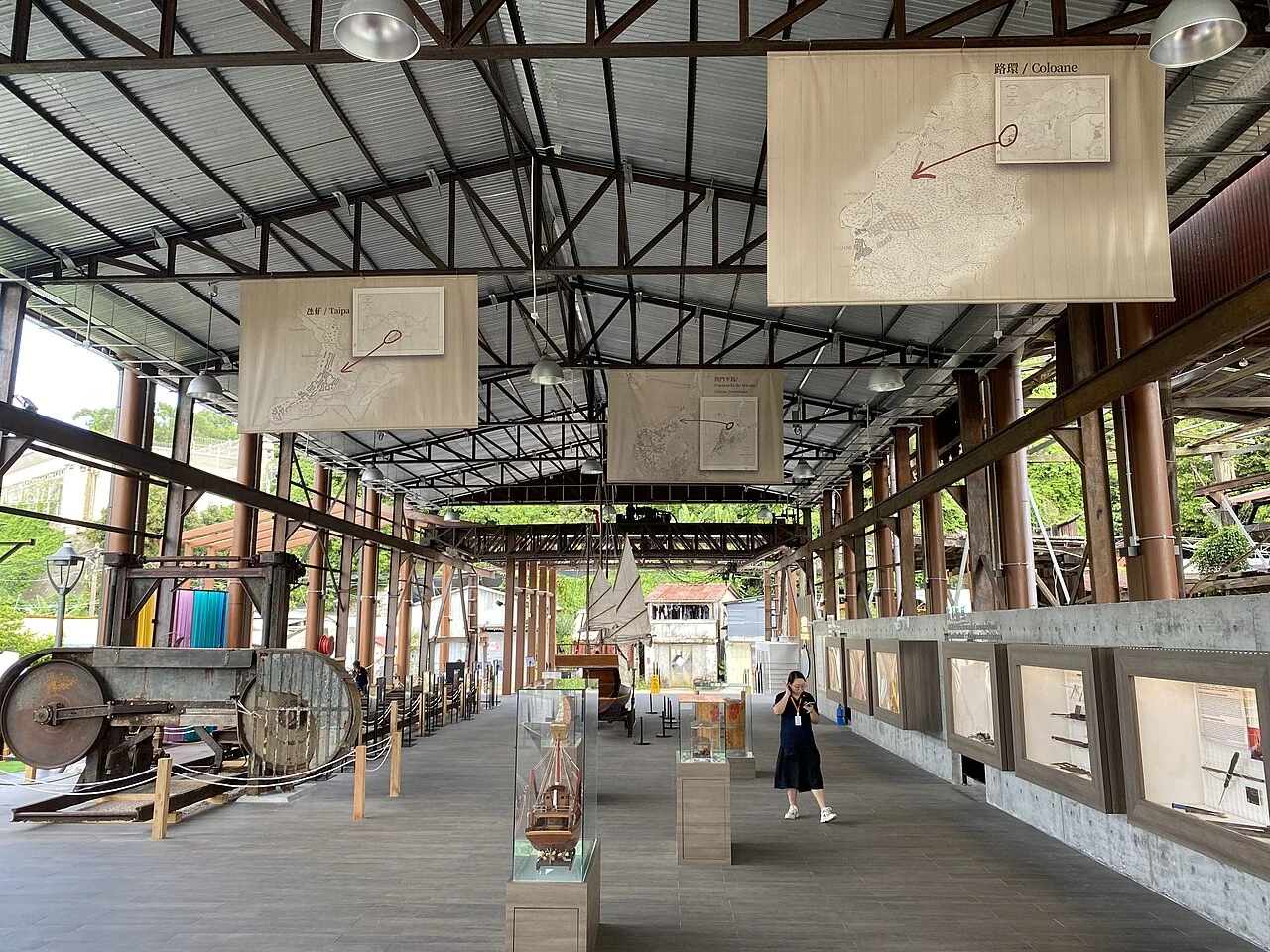
The open structures and waterside setting of the restored Lai Chi Vun shipyards.

Six shipyards in a working inlet

Shipbuilding began at Lai Chi Vun in the 1950s. By 1965–66, the Macau Industrial and Commercial Yearbook listed six shipyards in the inlet, including Xin Rong, Zhou Jia and Fan Jiu. Other yards later gathered around them. When urban development and silted waterways made earlier sites such as Lam Mau Tong, Ká Chi Kei and the Almirante Lacerda area harder to use, yards moved to Lai Chi Vun and continued their work there.

The result was a cluster of boatbuilding and repair yards along the shore. The factories served the needs of Macau’s maritime economy, including fishing vessels, and their long sheds were positioned to meet the water directly. Lai Chi Vun grew through the movement of workspaces as much as through new construction.
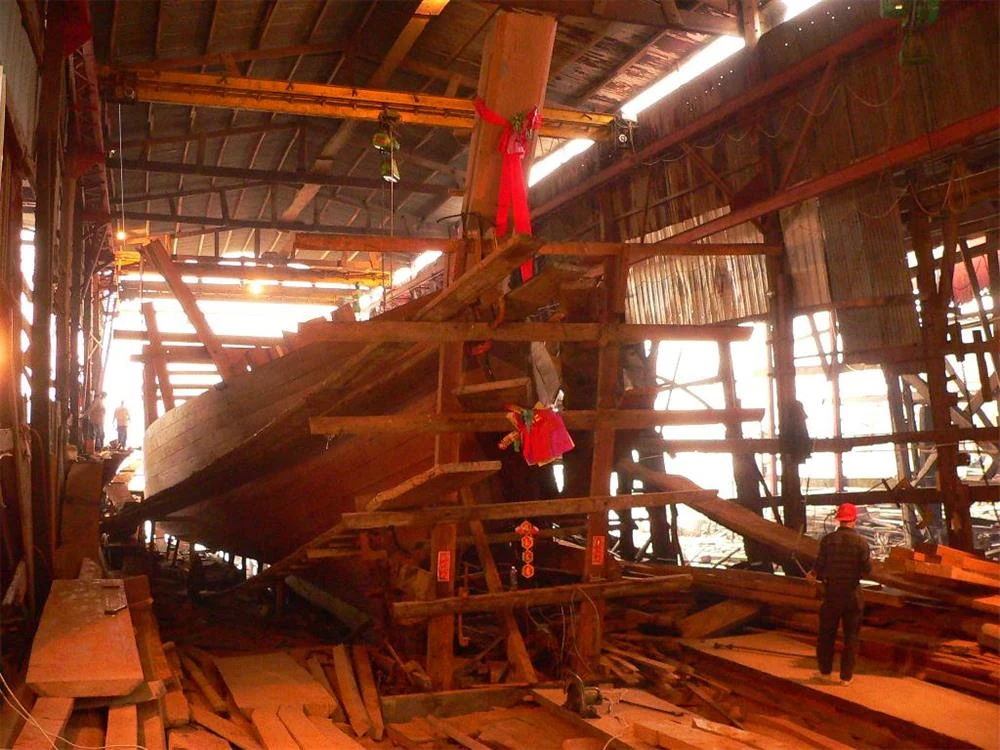
Timber structures inside the former Lai Chi Vun shipyard buildings.

Sheds between hillside and tide

The shipyards form a continuous line of similar-sized structures along the coast. Some spaces project over the adjacent water, bringing the work buildings right to the edge where boats were built or repaired. Behind them, the hillside and village rise close to the shore. The relationship between mountain, settlement and tidal edge is part of the site’s industrial character, not a backdrop added later.

The village of Lai Chi Vun developed alongside the yards. Its life and shape were linked to shipbuilding, fishing and repair work. The sheds therefore belong to a landscape where industrial activity, homes and the coast were interwoven. Walking the row reveals a repeated architectural unit—one workshop after another—set within a natural inlet rather than a large inland factory district.

The open structures and waterside setting of the restored Lai Chi Vun shipyards.

The yards fall quiet

Macau’s shipbuilding industry began to decline in the 1980s. The downturn accelerated in the 1990s as fishing contracted and nearby regions entered the market. Shipyards at Lai Chi Vun stopped operating one after another, and most no longer carried out boatbuilding work. The last wooden vessel built there was completed in 2005.

The empty sheds now mark a change in the economy and in the village’s daily life. Their significance rests on three connected histories: the mid-to-late twentieth-century craft, the settlement that grew around the industry, and the waterside landscape shaped by the yards. A row of workshops remains where boats once moved between shore and sea, making the industrial past visible in the present-day village.

The open structures and waterside setting of the restored Lai Chi Vun shipyards.
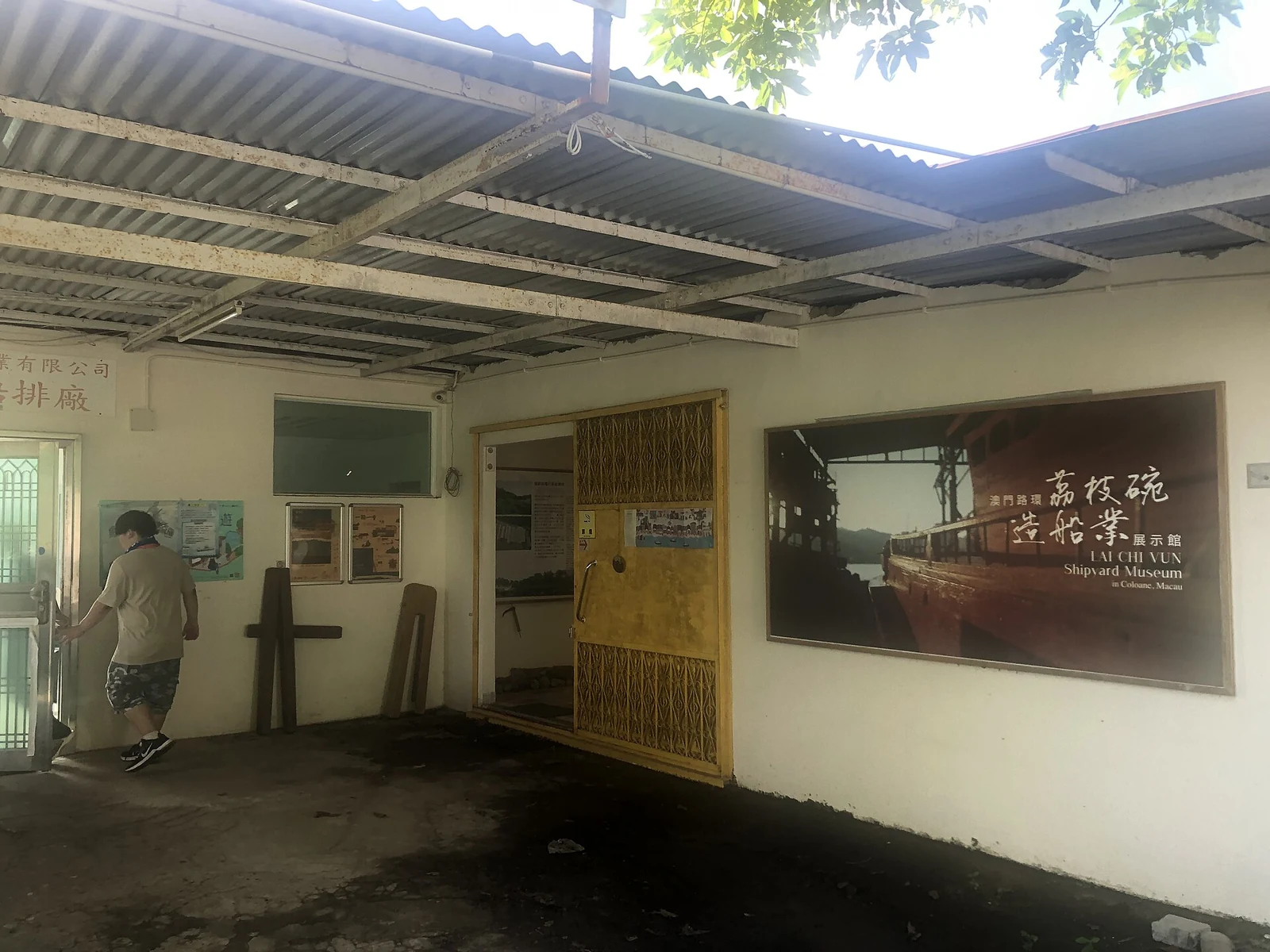
The Lai Chi Vun Shipyard Museum and boat-builders’ association premises.
Continue exploring · Lai Chi Vun Shipyards ↗
Photo credits and rights
  1. LN9267 / CC BY-SA 4.0 · CC BY-SA 4.0 Photo source ↗ Rights information ↗
  2. Timber structures inside the former Lai Chi Vun shipyard buildings.Macau government / CC BY-SA 4.0 · CC BY-SA 4.0 Photo source ↗ Rights information ↗
  3. The open structures and waterside setting of the restored Lai Chi Vun shipyards.LN9267 / CC BY-SA 4.0 · CC BY-SA 4.0 Photo source ↗ Rights information ↗
  4. The open structures and waterside setting of the restored Lai Chi Vun shipyards.LN9267 / CC BY-SA 4.0 · CC BY-SA 4.0 Photo source ↗ Rights information ↗
  5. The Lai Chi Vun Shipyard Museum and boat-builders’ association premises.Jacklamf1d14 / CC BY-SA 4.0 · CC BY-SA 4.0 Photo source ↗ Rights information ↗