From the journal

Who keeps Gulangyu sounding?

Meet Gulangyu’s musical culture through family practice, instrument repair and performances that connect organs, chamber music and Chinese instruments.

In the same city · Xiamen ↗

Music starts before the museum

A piano behind a museum barrier is easy to recognize as heritage. The hours of practice that give an instrument a life are harder to display. On Gulangyu, the familiar association with pianos becomes more interesting when attention shifts from collections to the people who learn, teach, play and maintain them.

In a 2017 Xinhua interview, local pianist Fang Site described early musical training and concerts within her family. The report offers a small, specific glimpse of music as a household activity rather than an island-wide slogan. It does not mean every resident plays an instrument. It suggests something more useful: the island’s musical identity has been sustained partly through repeated, ordinary acts of learning and sharing.
Different instruments ask different questions

The Piano Museum’s varied instruments make it possible to look beyond the familiar outline of a modern grand. Notice the relationship between the keyboard and the case, the scale of the instrument, and any fittings that connect it with the room in which it was meant to stand. A piano is simultaneously a mechanism, a designed object and a partner for a performer.

Looking closely also reveals the limits of looking. An ornate case cannot tell you whether the action responds evenly or what the instrument sounds like. A museum encounter can begin an inquiry into music, but cannot replace listening. That distinction helps prevent the collection from becoming a shortcut for the whole island’s musical life.

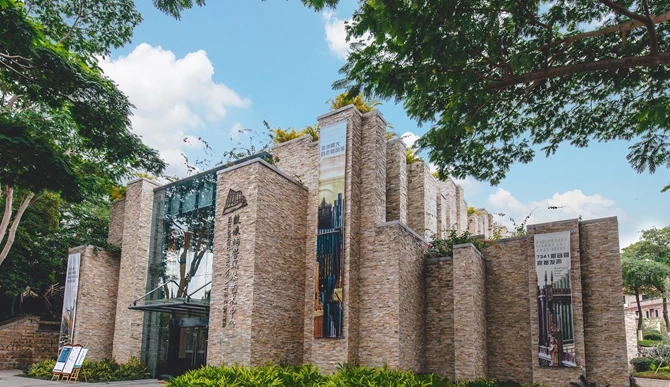
A contemporary stone-faced organ arts building shaded by leafy trees.
The Organ Art Center on Gulangyu.

The work behind a sustained note

Another part of the story lies in maintenance. China Daily’s May 2025 reporting described the work of Australian organ specialist Ian Wakeley on instruments at Bagua Mansion. The building’s recent restoration and the technical attention given to its organs connect architectural conservation with the much more particular demands of sound.

An organ is not simply a larger piano. Its pipes and mechanisms require specialist knowledge, and its relationship with the surrounding building matters. Thinking about the technician changes the usual heritage picture. The object is no longer only something collected by a benefactor or admired by a visitor; it is something whose continued use depends on skills, judgement and patient work that may remain out of sight.

A repertoire with room to move

The July 2025 Gulangyu Music Festival offers a dated example of how wide that musical life can become. Reporting described organ masterclasses, chamber ensembles, popular music and a collaboration involving pipa player Dong Xiaolin and organist and harpsichordist Shen Fanxiu. The programme moved across instruments and audiences rather than preserving a single period sound.

That festival is a record of what happened, not a promise of what will be playing on a future visit. Its significance is the range of activity it makes visible. Gulangyu’s music can be inherited within a family, stored in a collection, rebuilt by a specialist and tested in new combinations on stage. Listen for those different forms of continuity, rather than expecting every lane to supply a piano soundtrack.

Continue exploring · Gulangyu ↗
Photo credits and rights
  1. The Organ Art Center on Gulangyu.厦门市鼓浪屿文化旅游发展中心 · Rights status unspecified Photo source ↗ Original aspect ratio retained. Display copies resized only when needed; no enlargement, crop or retouching.