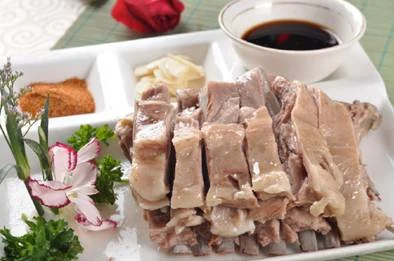
A 2024 local-government food entry gives shouzhua mutton three serving forms. The hot version is sliced, steamed and dipped in sanhe oil sauce. The cold version is sliced and eaten with fine salt. In the third, the pieces are warmed in a flat pan and eaten as they cook. Rather than treating “hand-grasped mutton” as one fixed plate, these methods show how serving temperature and finishing change the meal. The meat can arrive hot from steam, cool with a simple seasoning, or browned in a pan.
From the journal
From Pot to Platter: Three Ways to Serve Shouzhua Mutton
A government food entry describes hot, cold and pan-fried versions of shouzhua mutton. The same dish moves from steamed slices and dipping sauce to salt or a sizzling pan.
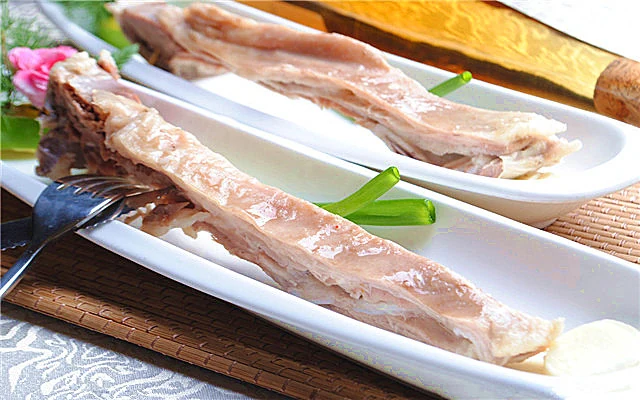
From Pot to Platter
From texture to table
The entry describes the meat as flavorful and not greasy, and its useful detail is the sequence of each method. The hot version is sliced and steamed; cold serving keeps the slices direct, with salt as the accompaniment; pan-frying brings the pan itself into the final preparation. Each version leaves the meat recognizable while changing its temperature and the way seasoning reaches it. A diner can read the menu by asking whether the order will arrive warm with sauce, cool with salt or hot from the pan. The three forms make a useful comparison of one ingredient and several serving choices. The 2024 entry also places shouzhua mutton from midsummer to early winter, when pasture grass is abundant and sheep have gained weight. It emphasizes the plate’s contrast of red meat and pale fat, adding a seasonal note to the three serving methods. In this description, the calendar of eating and the final cooking step both matter.