Wong Nai Chung Reservoir was completed in 1899 as an auxiliary source beyond the Tai Tam group. This modest distinction is important: the city’s water system relied on linked facilities, not one spectacular dam. The reservoir represents a layer of practical infrastructure built to strengthen supply as the island’s urban population and developed area grew.
From the journal
Wong Nai Chung Reservoir’s Working Remains
Completed in 1899, Wong Nai Chung Reservoir served as an auxiliary water source beyond the Tai Tam group.
In this district · Southern ↗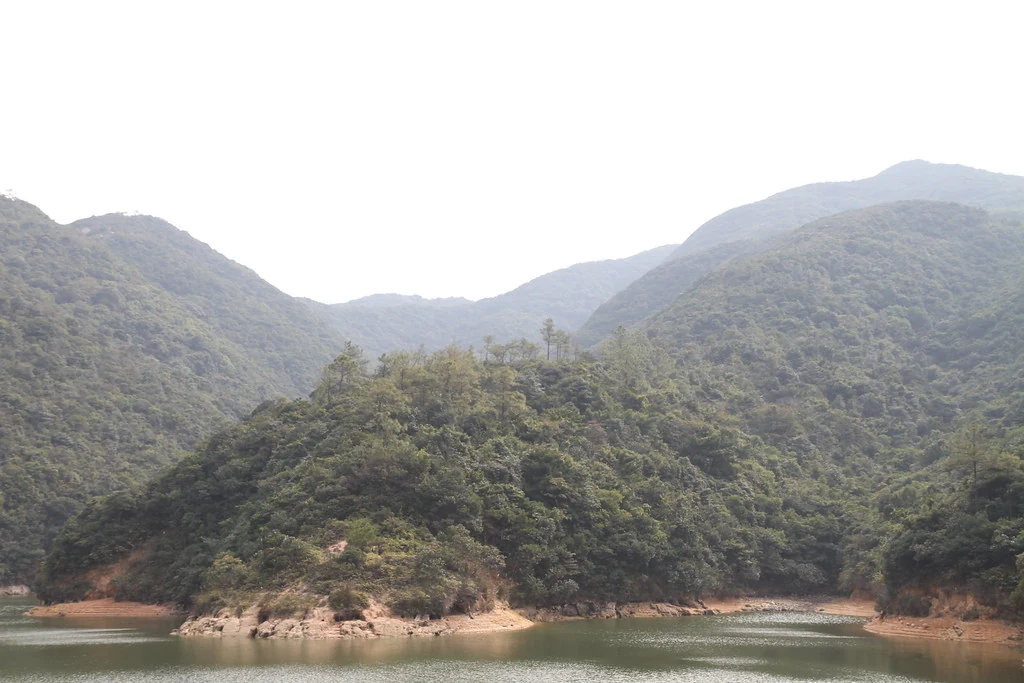
An auxiliary reservoir
Parts of an engineered landscape
A reservoir’s visible features can include a dam, valve house and overflow works. These structures each served a different function in holding and controlling water. Read together, they make the site legible as an operating system. The reservoir’s date and auxiliary role place it within the broader development of Hong Kong’s water supply.
From utility to public landscape
Today, people may encounter the reservoir as part of a green public landscape, where the water and surrounding slopes offer a pause from dense development. That recreational setting overlays, rather than replaces, the site’s original function. The dam and control works are not decorative remnants; they are the practical structures that made reliable urban water supply possible.