The Intangible Cultural Heritage Office records that Tai Po’s night dragon boat parade is held off the shore of Sam Mun Tsai. The parade’s waterside setting is central to how the event is understood: it unfolds on the water beside the settlement, rather than along an ordinary street route. The ICH account explains that the procession was carried out to pray for divine blessings. That purpose gives the waterfront a ritual dimension, linking the community’s relationship with the shore to a shared act of protection and observance.
From the journal
Sam Mun Tsai’s Waterfront and Night Dragon Boats
At Sam Mun Tsai, Tai Po’s night dragon boat parade is held offshore. Its setting connects a community ritual to the waters beside the settlement.
In this district · Tai Po ↗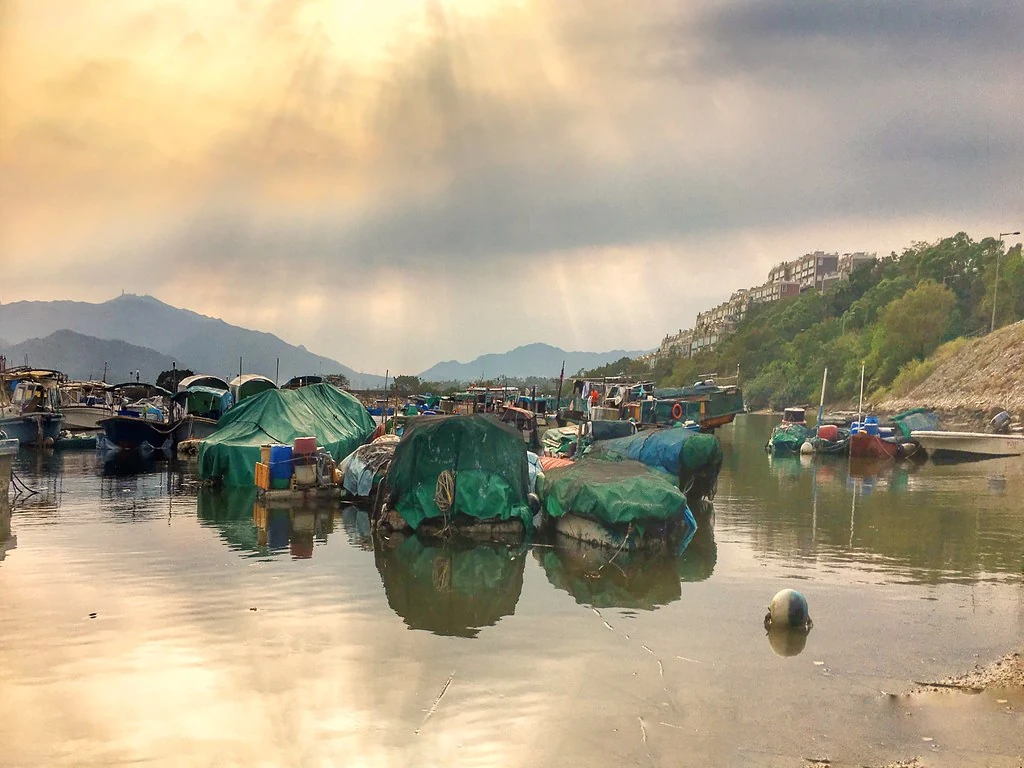
A ritual held offshore
The water as a communal space
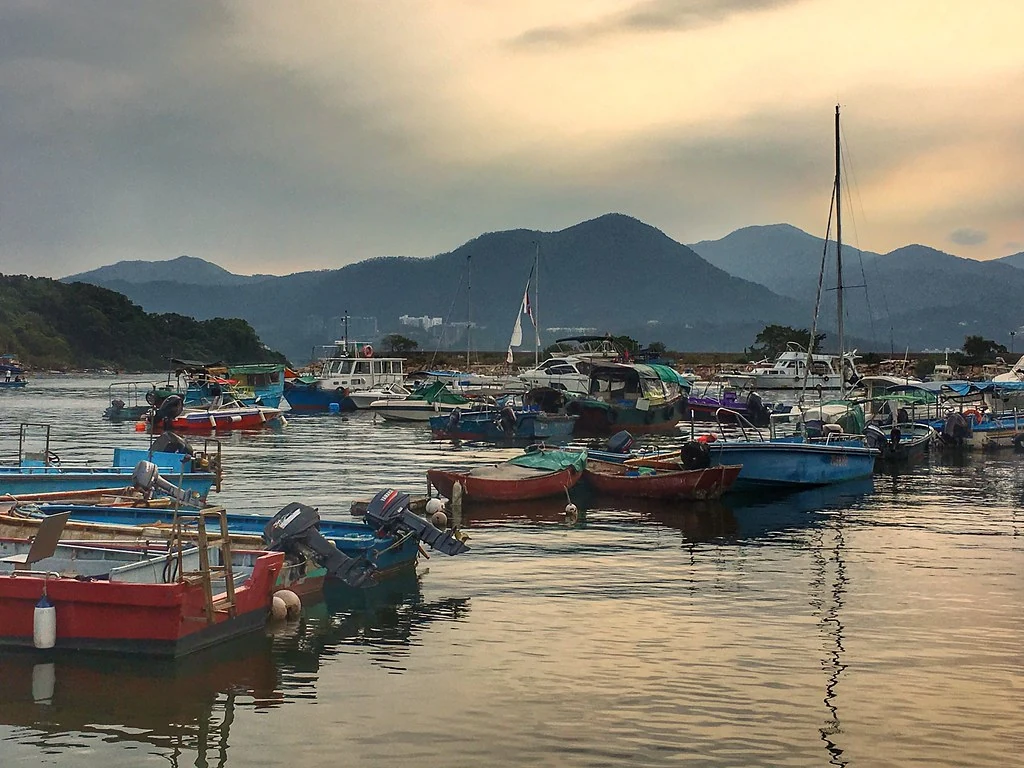
A night parade changes how a familiar shoreline is experienced. Boats moving offshore create a public event visible from land while remaining physically tied to the water. Sam Mun Tsai is the specific coastal setting for the procession. The shore marks the edge of the settlement and offers the vantage from which residents witness the ritual, while the boats keep the event physically tied to the water.
A local tradition with a specific setting
The ICH Office’s description connects the parade with prayers for the community’s safety on land and water. This makes the event more than a display of boats: its meaning is linked to the risks and responsibilities of living beside the sea. The account gives a focused view of Sam Mun Tsai’s cultural life without treating it as interchangeable with other fishing settlements. A waterfront can be infrastructure, livelihood and ceremonial space at once. In this case, the recorded night parade reveals how a community uses its nearby waters to express a shared wish for well-being.