A lineage rooted in Xiqi
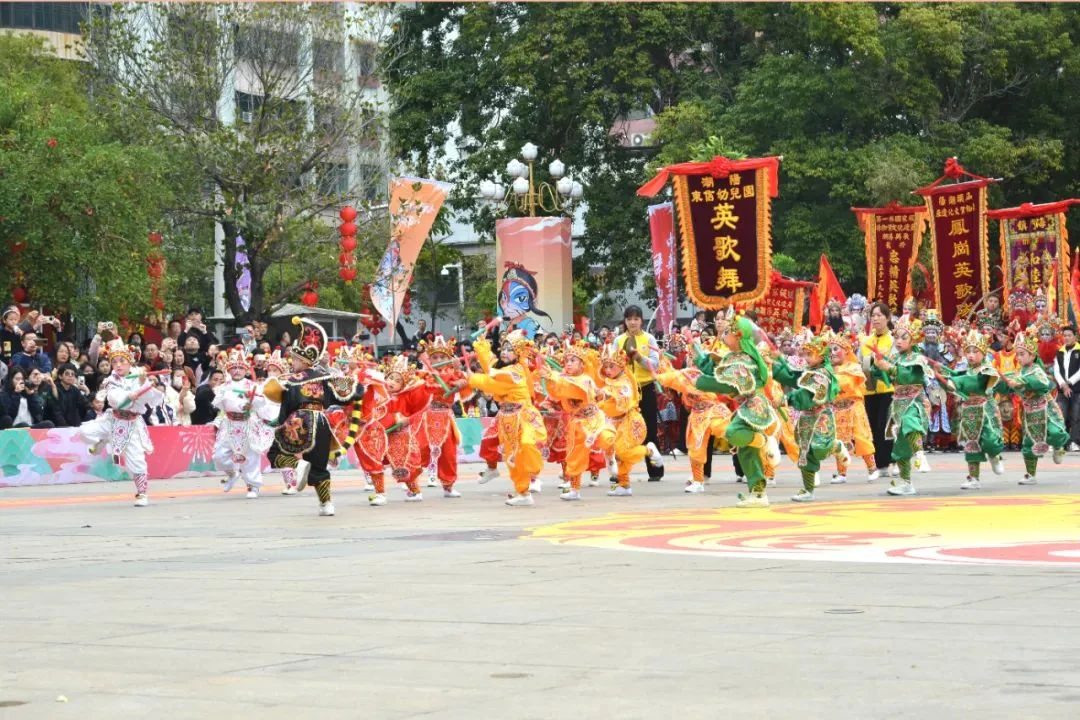
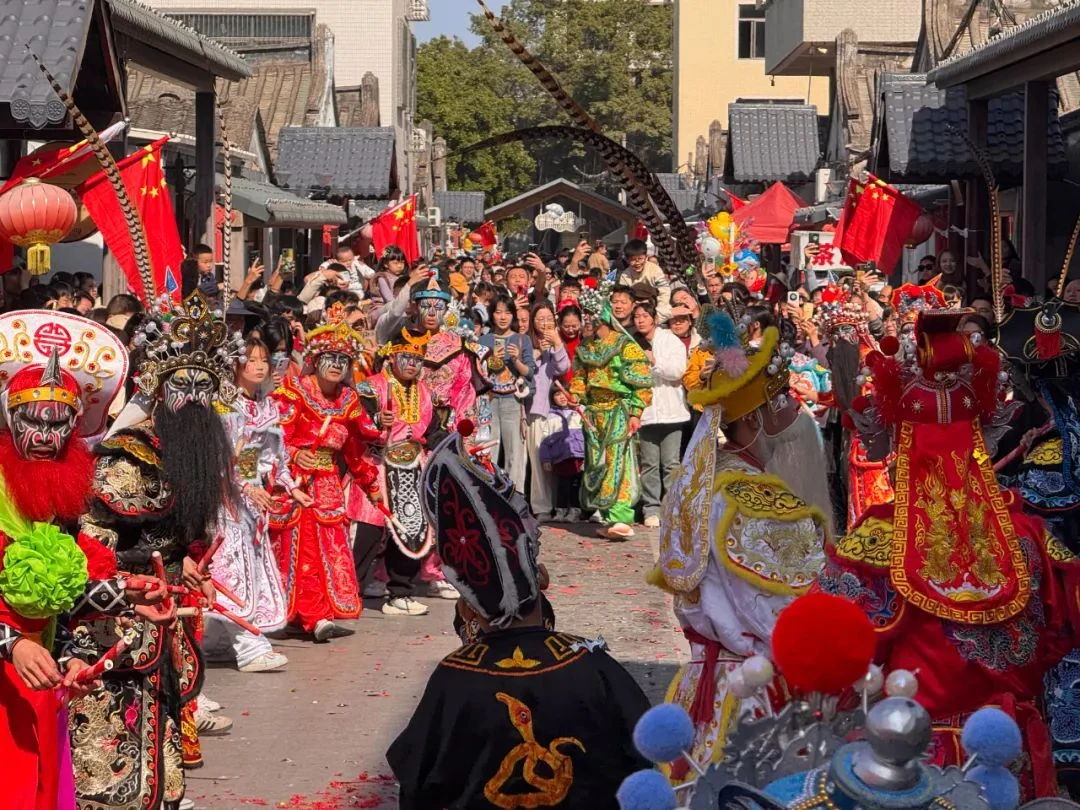
Xiqi is in Cheng Tian Town, Chaonan District, Shantou. A Shantou Polytechnic project places Xiqi Yingge within the district’s local traditions and describes ties among performers, teaching and school participation.
Xiqi’s story centers on the people who keep its performance vocabulary in motion. A troupe depends on practitioners who know the movements and can pass them on to new participants. The school connection makes that handover visible in a setting where practice can be taught and repeated.
Learning through repetition and group practice
At school, students can learn steps, timing and formations through guided practice, while community performers bring experience from local performances. The Shantou Polytechnic project describes Xiqi’s links with education and transmission.
Group dance depends on each learner’s coordination with others. A movement takes shape through the next person, the beat and the formation. Repetition makes those relationships familiar: students learn a shared sense of timing, spatial position and how their movements contribute to the group. The project’s account follows a locality-specific teaching chain: practitioners familiar with Xiqi bring the dance into a school setting, where steps and formations can be practiced again. The community locates the performance; the school gives learners a place to repeat and refine its movements. A rehearsal ties individual movement to the whole formation, passing on timing and shared coordination as parts of one local practice.
Keeping a local practice adaptable
Transmission carries continuity and change. Schools can bring new participants into practice, while community performers keep the dance connected to its local setting. A report by the Shantou Communist Youth League records an encounter between the Chaoyang Ximen women’s team and the Chaonan Xiqi men’s team, a meeting between two named groups in public performance.
In Xiqi, performers, learners and community share rhythm, movement and cooperation, along with the memory of where the dance belongs. New participants can carry the practice forward while its Chaonan identity remains part of the story.