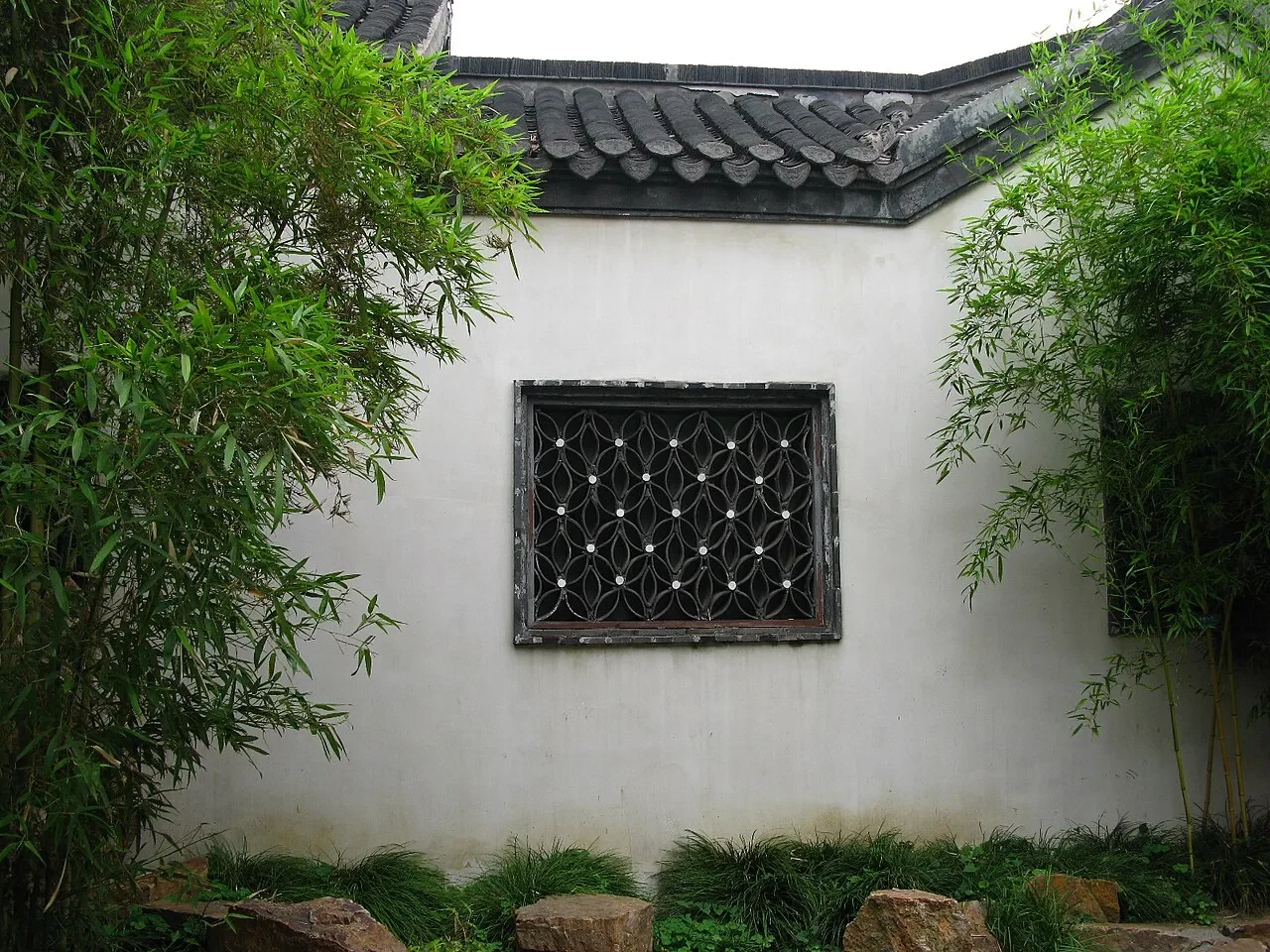
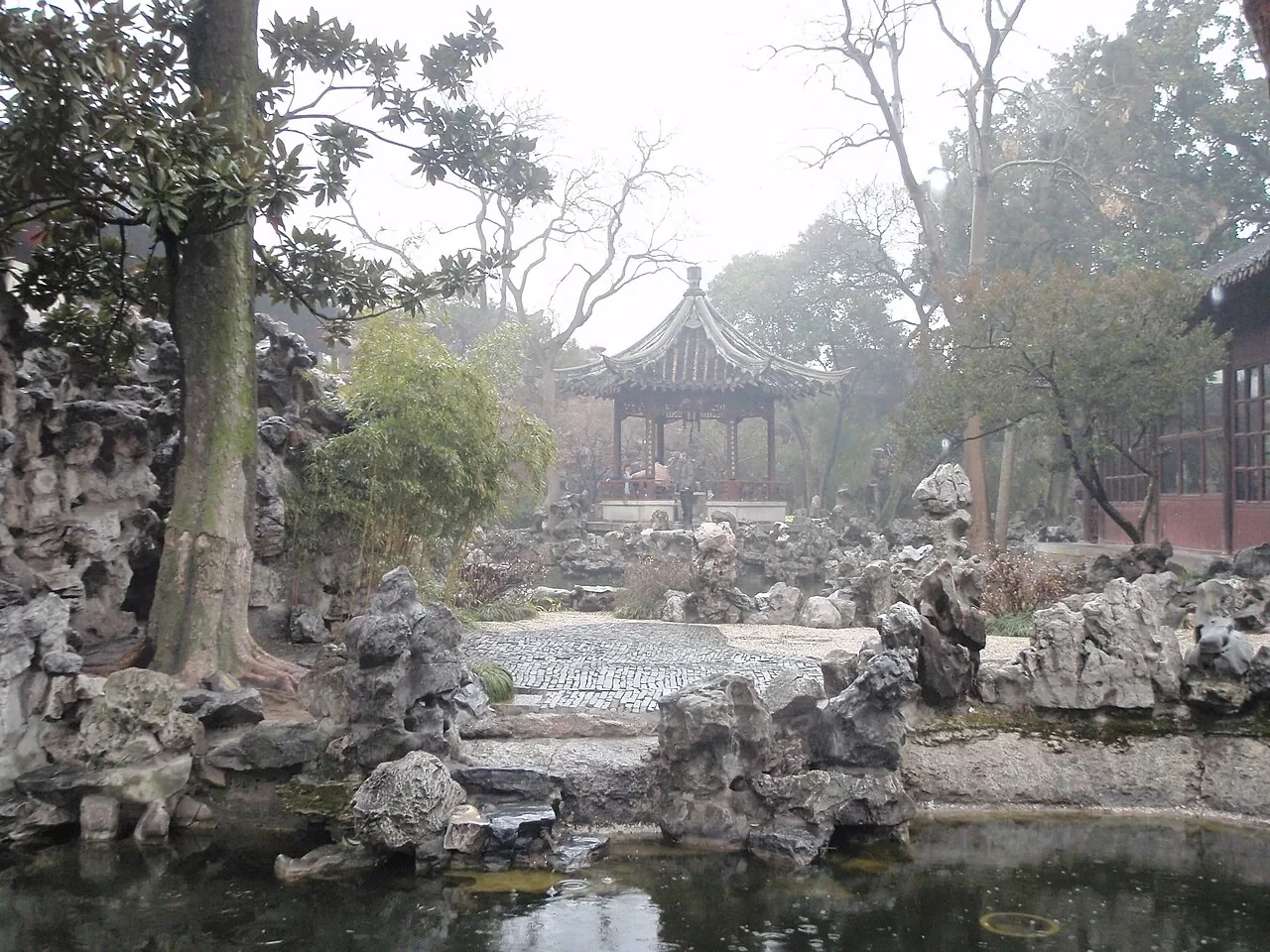
At Geyuan, the seasons are not simply dates on a calendar. They are a sequence of spaces composed from stone and living plants. The garden belonged to the salt merchant Huang Zhiyun and dates to 1818. Its bamboo and inscriptions place cultivated reading and personal conduct alongside visual pleasure. You do not need to know every inscription to recognize that the garden was meant to be interpreted as well as admired.
Begin with comparison. What changes when rounded or perforated stone gives way to blockier forms? Does a wall make a scene feel enclosed, or does a window let it continue? These questions are more revealing than trying to identify every pavilion immediately.