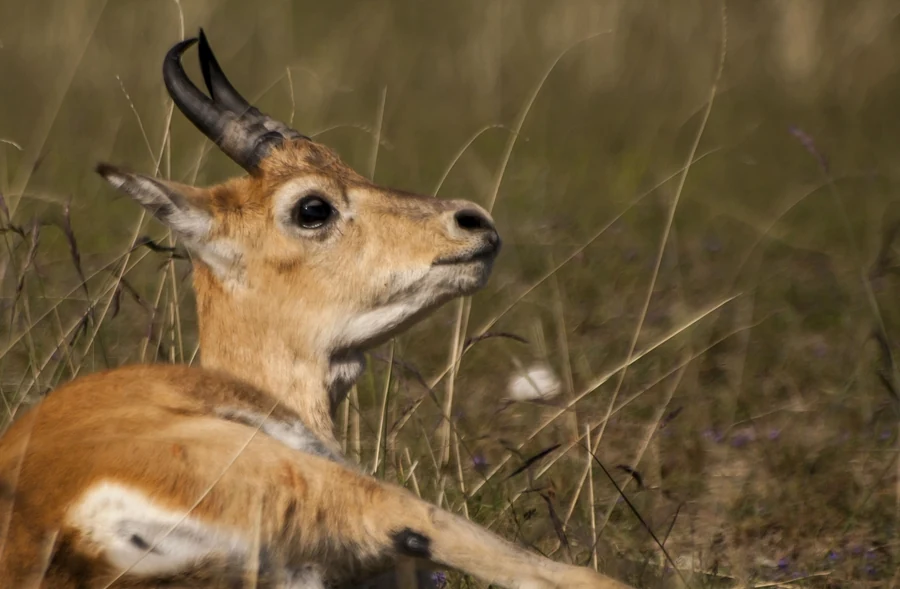
In early July 2026, field teams focused their survey on areas where Przewalski’s gazelles gather in high numbers. Their work mapped female gazelles, natural birthing sites and local hazards, including fences that block movement and disturbance from free-roaming dogs. Staff spoke with herding households along the route so that a separated young gazelle could be noticed and transported for care quickly. The survey began with close attention to place: where mothers gather, where births occur and where an animal might be interrupted.
From the journal
Room to Move: Gazelles and Grassland
The endangered Przewalski’s gazelle survives around Qinghai Lake through connected habitat and years of monitoring. Protection work treats movement as a condition of survival.
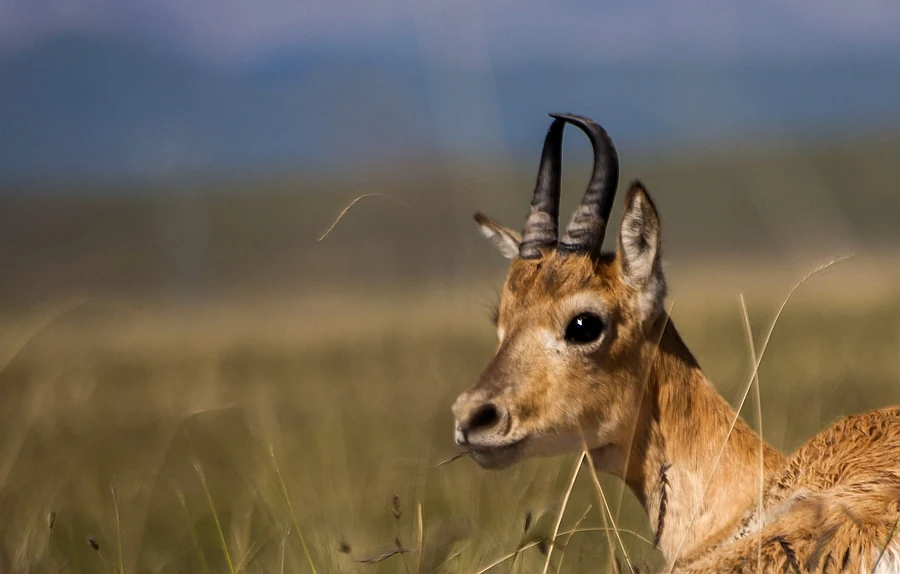
A habitat is more than a sighting
Care around the birthing season
The same July report describes preparations for young gazelles that are injured, weak or lacking milk. Supplies were stocked for urgent rescue, and veterinary specialists from Qinghai University worked with protection staff on newborn care, treatment and disease prevention. Their practical training connected field observations with the work of a care team: a risk identified in the grassland could lead to a call, a transfer and specialized attention. The article follows this documented chain of preparation without turning a rare animal into a promised sighting.