From the journal

A race that became a city tradition

The Macau Grand Prix began in 1954, conceived by local residents and motor enthusiasts as an amateur race.

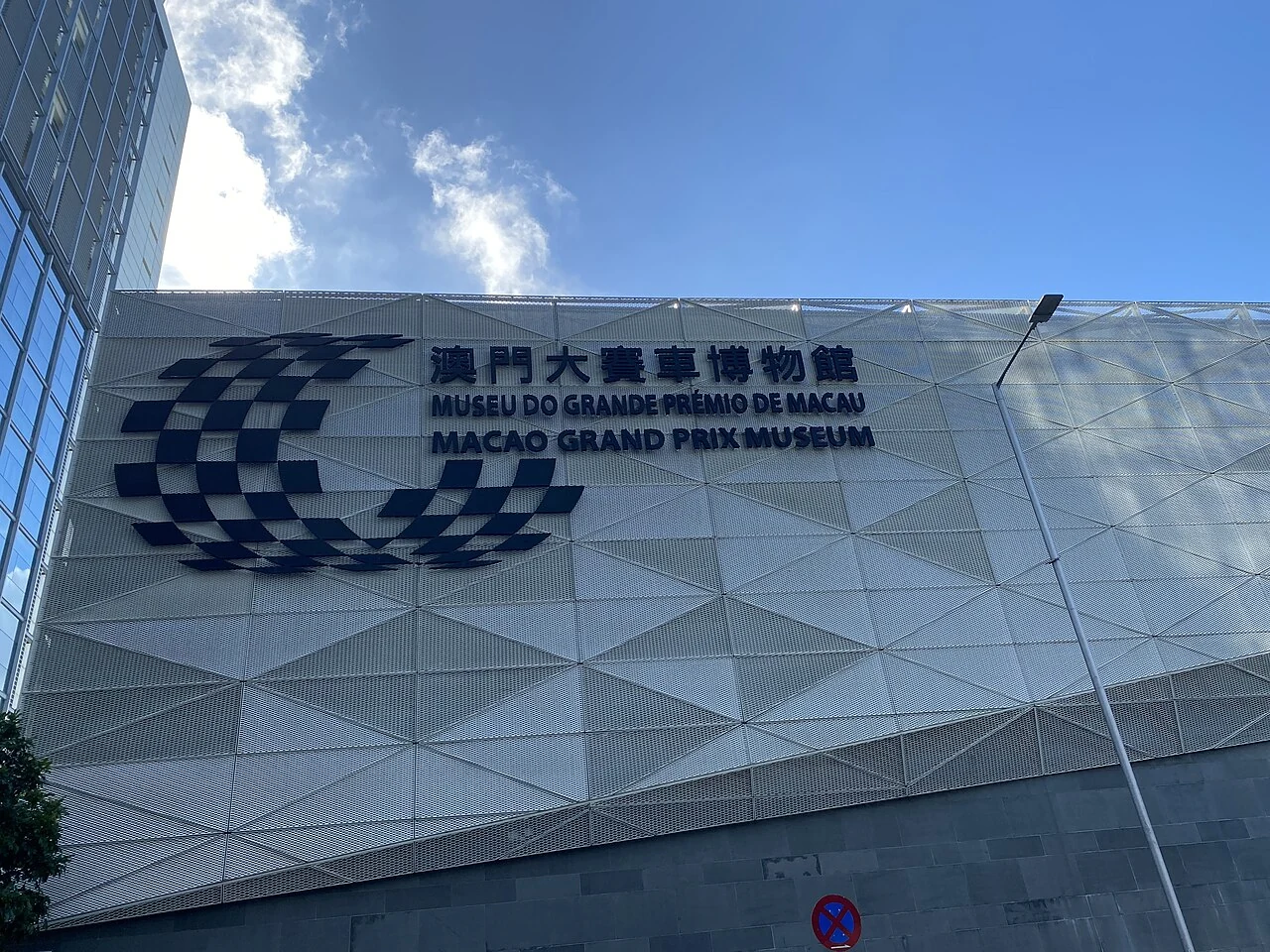
The entrance to the Macao Grand Prix Museum.

An amateur idea becomes a race meeting

The Macau Grand Prix began in 1954, conceived by local residents and motor enthusiasts as an amateur race. It quickly developed into a professional meeting. In 1967, motorcycles joined the programme, creating the combination of two- and four-wheel racing that remains a distinctive feature of the event. The Guia Race for touring cars followed in 1972.

Formula 3 became part of the Grand Prix in 1983, and a sportscar race arrived in 2008 before the Macau GT Cup became a fixture. Each addition changed the event’s machinery and audience, but the race remained linked to Macau’s street circuit. The city was not only the setting for the competition; its roads formed the course on which the event’s history unfolded.
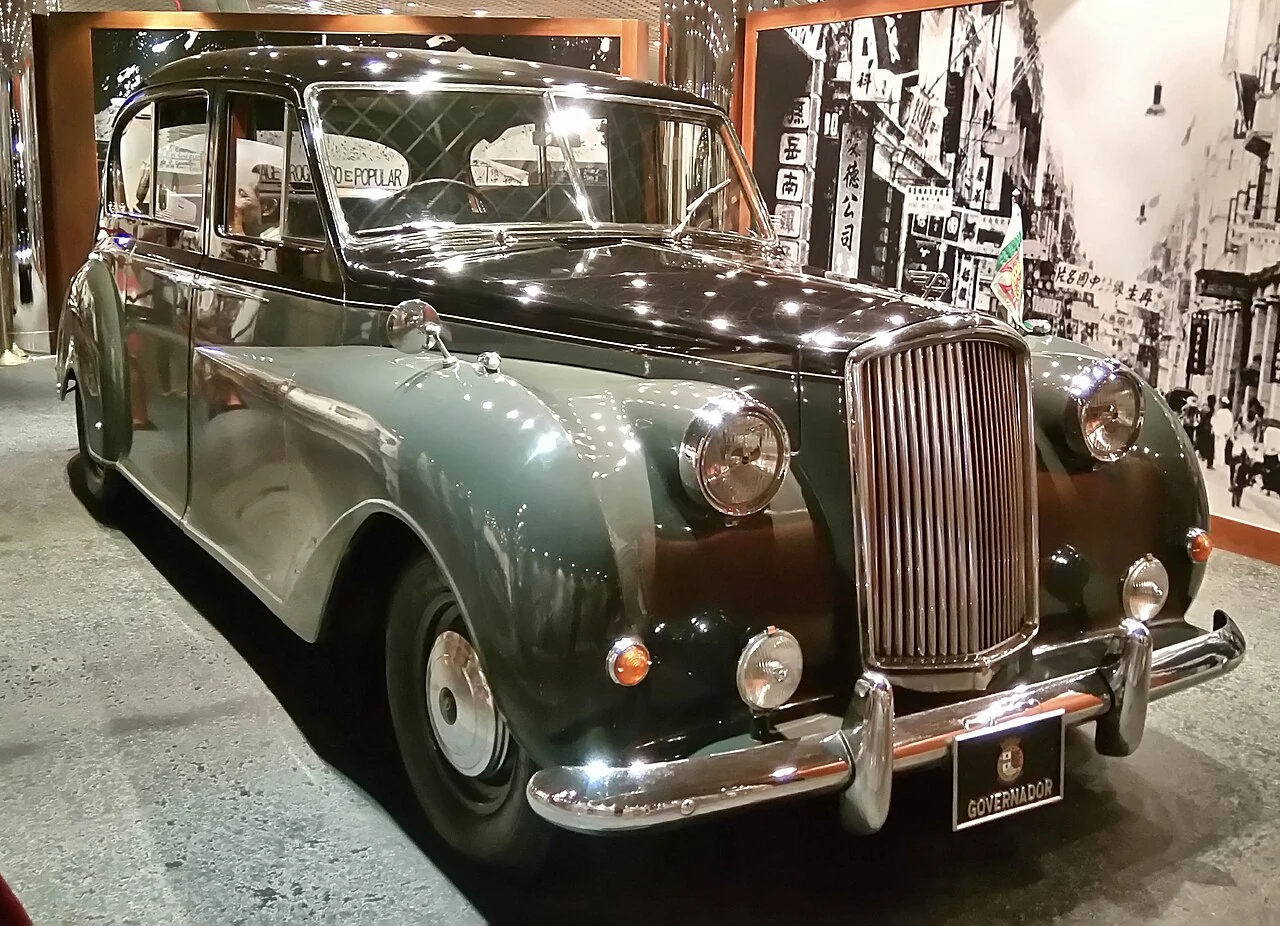
A former governor’s vehicle displayed in the Grand Prix Museum.

Four floors of cars and motorcycles

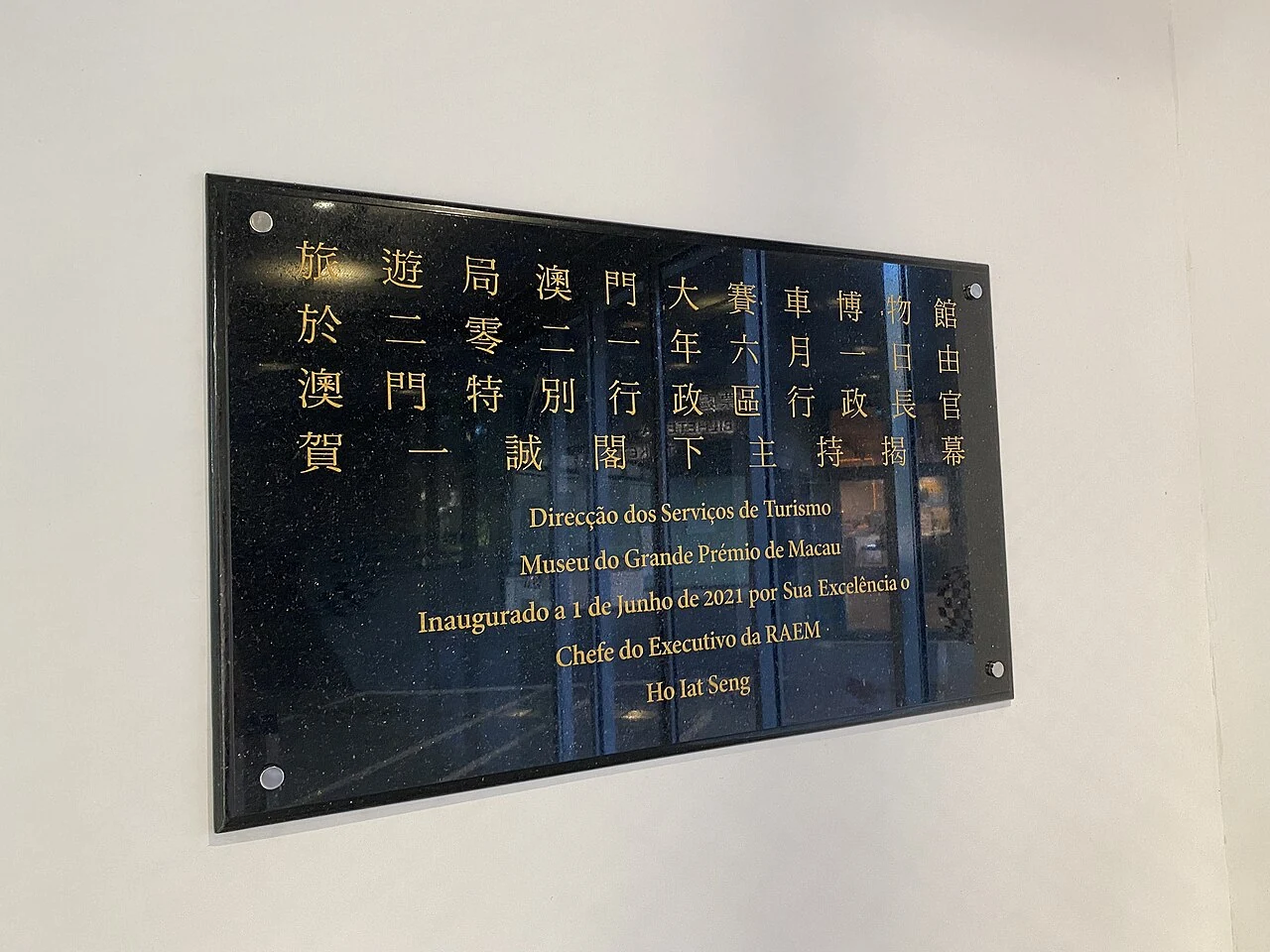
The Macao Grand Prix Museum reopened after remodelling and was officially inaugurated on 1 June 2021. It has four floors and about 16,000 square metres of floor area. The exhibits present racing cars and motorcycles from across the decades, alongside material about drivers, riders, teams and other figures who shaped the event.

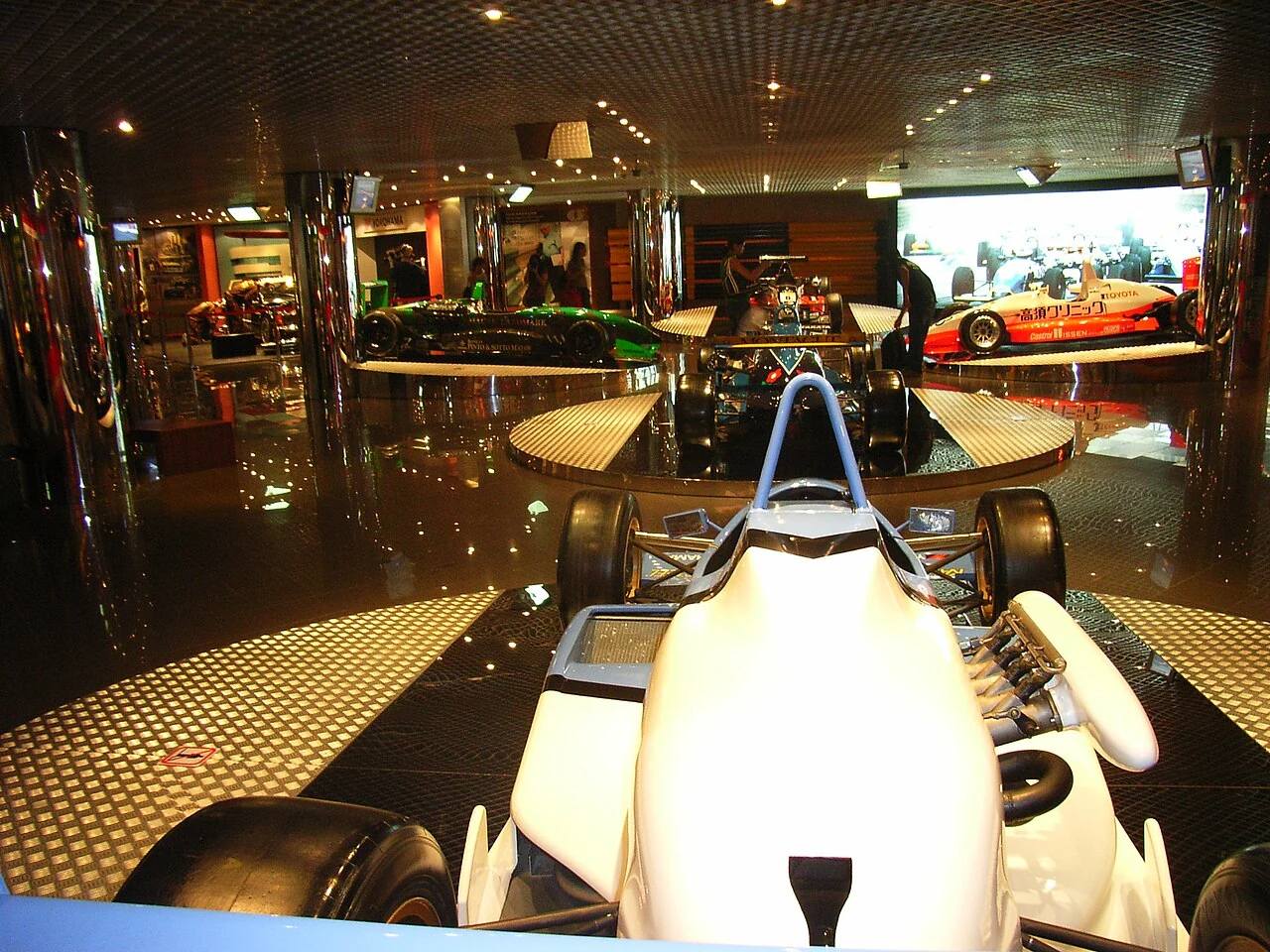
A racing car displayed in the Grand Prix Museum.
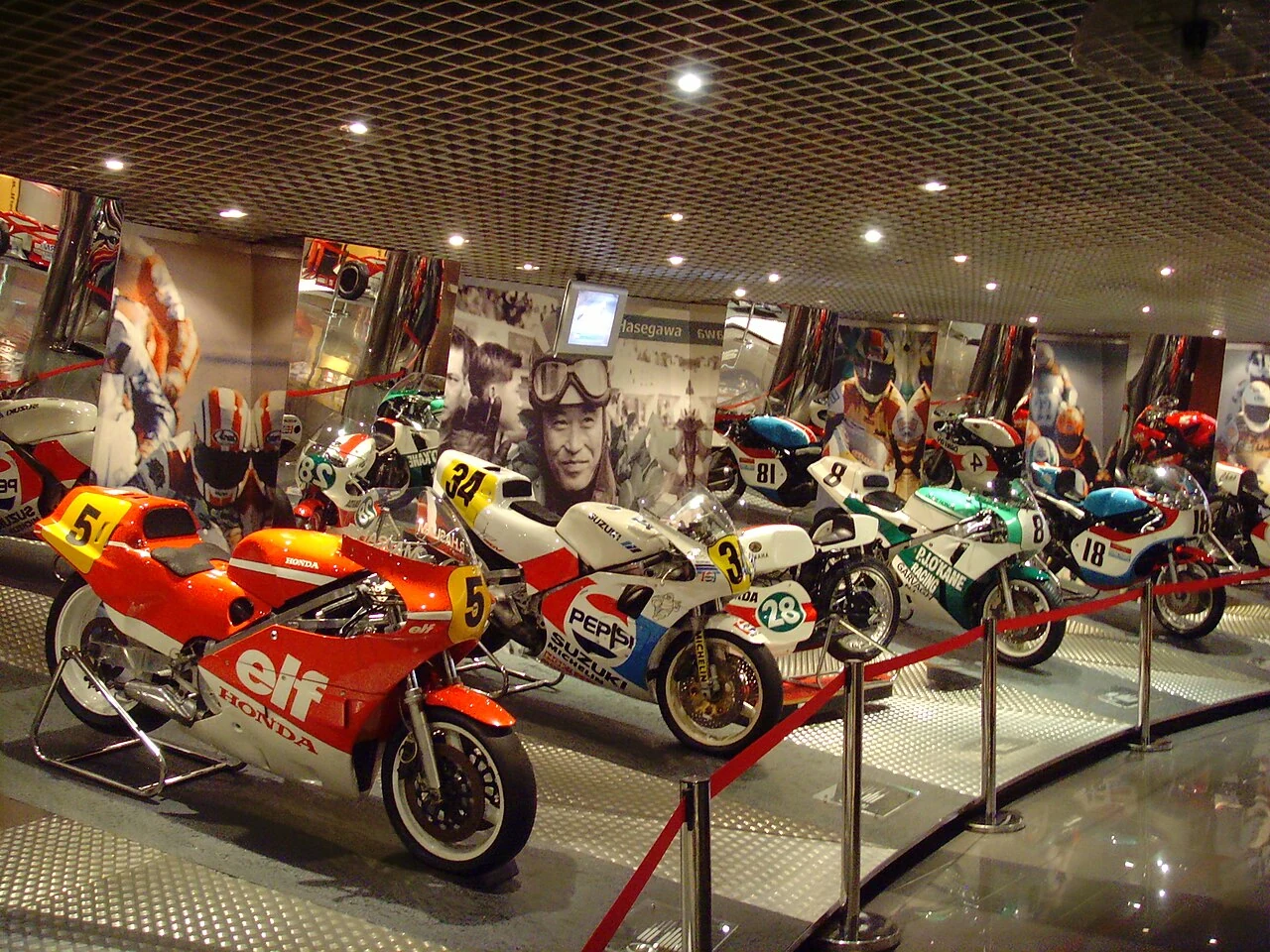
Racing motorcycles displayed in the Grand Prix Museum.

A street circuit remembered in public

The Guia circuit is part of the story because it puts motorsport inside the city’s street grid. Racing on those roads makes the event a public spectacle tied to Macau’s urban form. The museum’s displays can preserve vehicles and personalities; the circuit itself explains why the Grand Prix became a city memory shared by people who watch from the streets as well as by drivers and teams.

The multilingual identification sign at the Grand Prix Museum.
Continue exploring · Macao ↗
Photo credits and rights
  1. LN9267 / CC BY-SA 4.0 · CC BY-SA 4.0 Photo source ↗ Rights information ↗
  2. A former governor’s vehicle displayed in the Grand Prix Museum.User 3204 / CC BY 4.0 · CC BY 4.0 Photo source ↗ Rights information ↗
  3. A racing car displayed in the Grand Prix Museum.No machine-readable author provided. KAMSAND23 assumed (based on copyright claims). / CC BY-SA 2.5 · CC BY-SA 2.5 Photo source ↗ Rights information ↗
  4. Racing motorcycles displayed in the Grand Prix Museum.Klaus Nahr , uploaded by Micap / CC BY-SA 2.0 · CC BY-SA 2.0 Photo source ↗ Rights information ↗
  5. The multilingual identification sign at the Grand Prix Museum.LN9267 / CC BY-SA 4.0 · CC BY-SA 4.0 Photo source ↗ Rights information ↗