A January 2025 report from the Haibei Prefecture government describes a horse caravan organized to carry supplies for mountaineering and skiing events at Gangshika. Residents familiar with the terrain worked as pack handlers and guides, explaining the mountain’s landscape and local stories along the way. The report also records more than 200 horses in the caravan and over ten trained guides. One villager from Dongtan said he carried goods between the foot of the mountain and its upper slopes, earning about 200 yuan on an average day during the period described. The figures belong to the report, but they make the work tangible: winter travel depended on animals, local route knowledge and people who could move supplies over the mountain.
From the journal
Winter Work Beneath Gangshika
In Menyuan, a winter mountaineering season brought pack teams, guides, food stalls and road-maintenance work into a familiar pastoral landscape. A 2025 report recorded how local households took part.
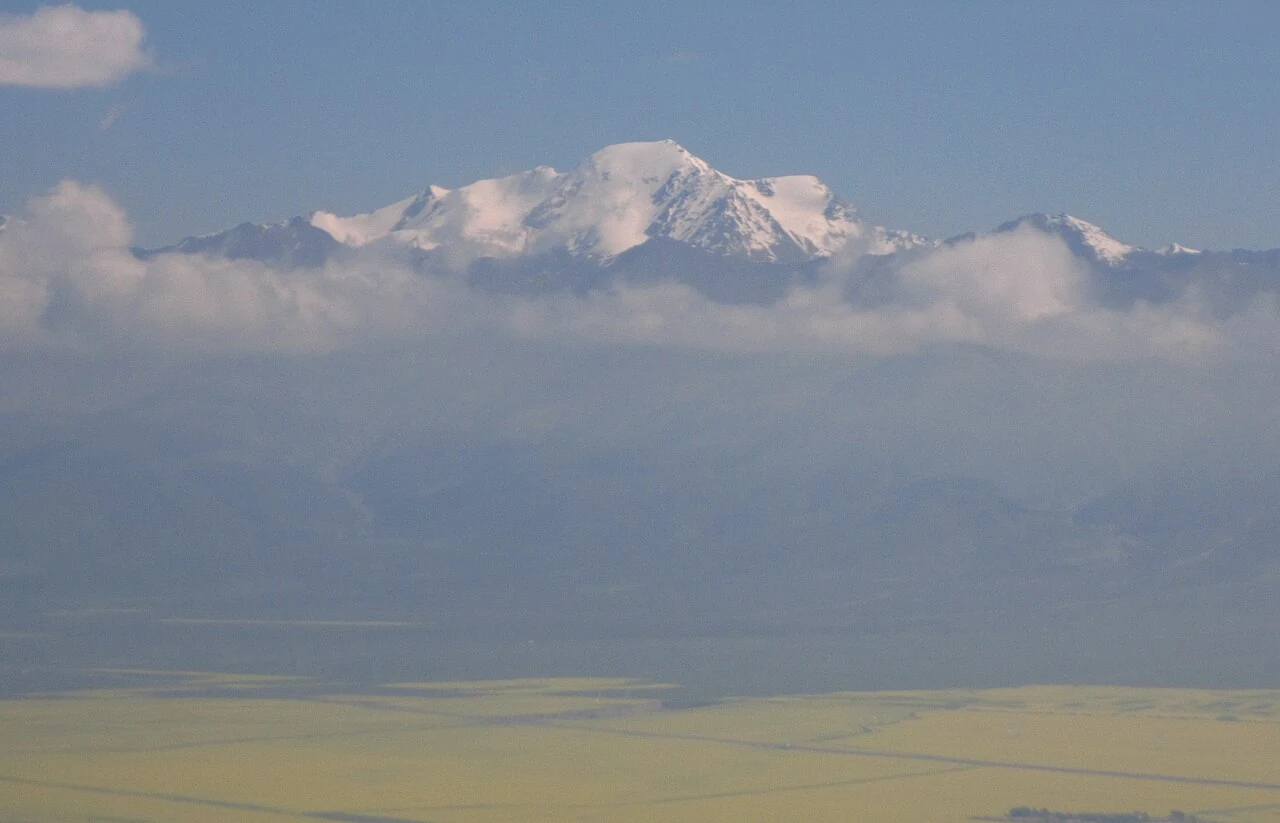
A pack train on the snow route
Work around the mountain
The same winter report follows activity beyond the route. Farmers and herders sold handmade goods, dried yak meat, butter tea, milk skin and barley cakes at stalls near the scenic area. The government also organized residents for road maintenance and environmental cleaning. A restaurant and lodging sector in nearby Qingshizui Town benefited from the winter visitors. These linked jobs—carrying supplies, guiding, selling food, maintaining roads and hosting guests—show how a seasonal visitor economy touched several kinds of work around Menyuan. The report also noted that local handicrafts such as Tibetan rugs, silverwork and yak-bone carving were sold to visitors, bringing craft goods into the same seasonal exchange as food and lodging.