From kiln wares to building materials
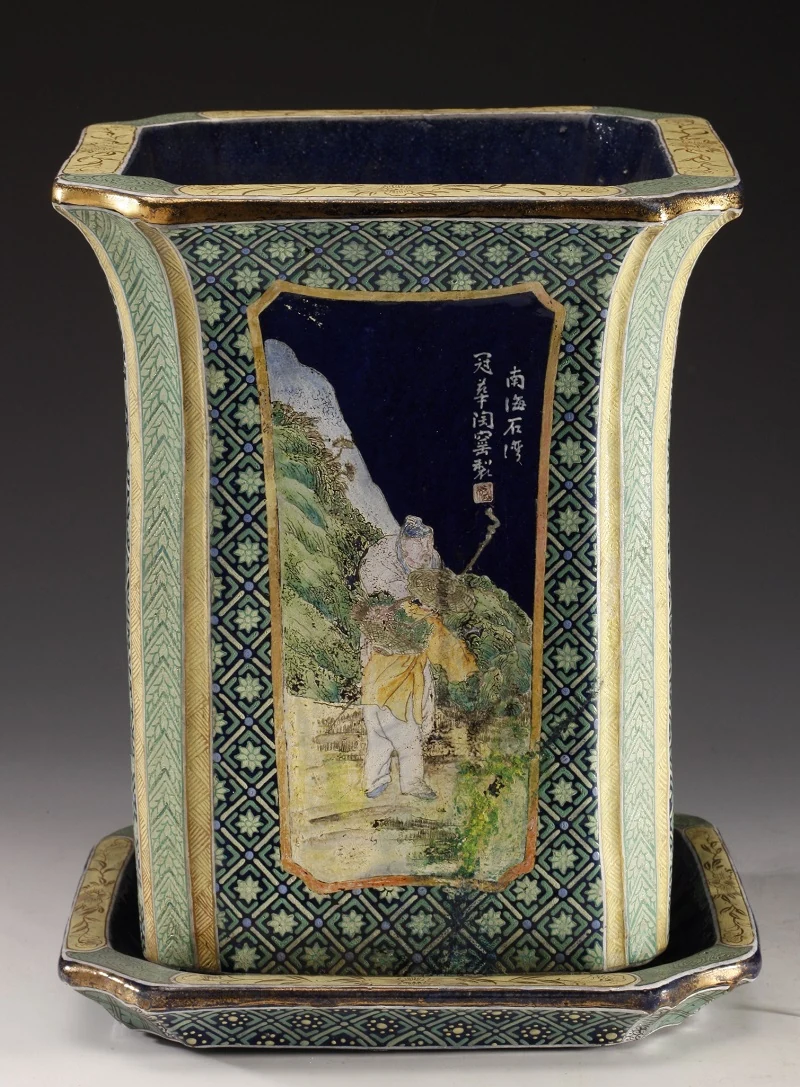
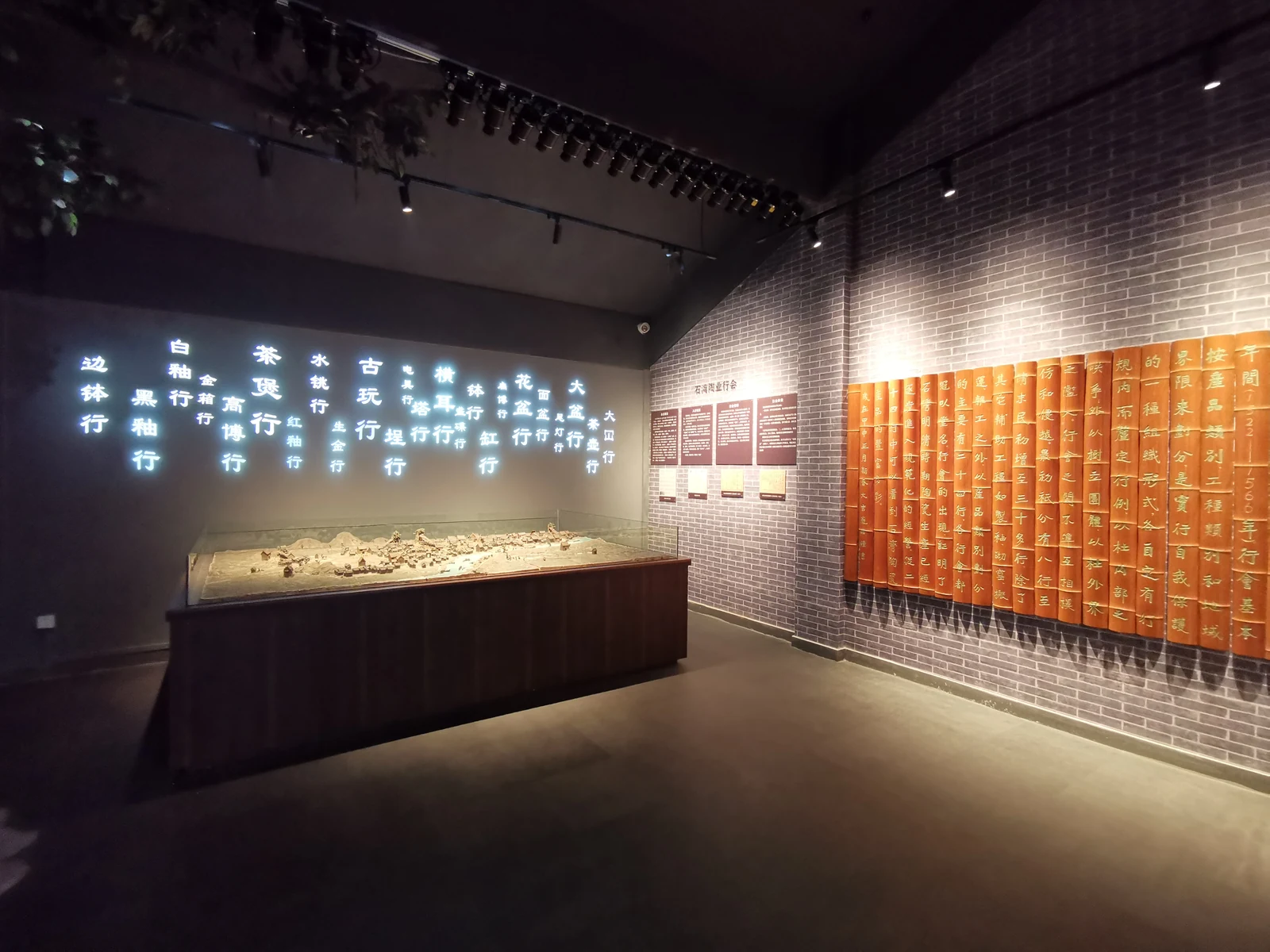
Foshan ceramics developed through successive kinds of production. Pottery at the Hedang shell mound reaches back to the late Neolithic; by the Tang and Song periods, Shiwan was a major kiln center. During the Ming and Qing periods, production expanded and goods were sold beyond the region. These earlier kiln traditions formed a local material history, but the modern industry would serve new markets and operate at factory scale.
Italian samples and a new factory line
After 1978, Foshan enterprises began importing and adapting production lines and equipment. In 1979, Shiwan companies tested glazed wall-tile production using Italian samples supplied through a Hong Kong trader, and two factories began production that year. A 1984 plan introduced advanced technology and equipment; renewed technical upgrading in the mid-1990s focused on sanitary ware. The shift carried ceramic production from household and artistic wares toward tiles and bathroom fixtures for construction.
Fairs connect factories to buyers
Foshan’s first ceramics fair opened in 2002. Spring and autumn fairs developed as a platform linking manufacturers, buyers and new products. By October 2023, the fair had reached its 39th edition. The fair gave factory output a route to international markets. Foshan’s ceramic story thus connects ancient kiln sites to modern equipment, changing product design, and export trade, with different production systems succeeding one another over time.