A figure takes shape in clay
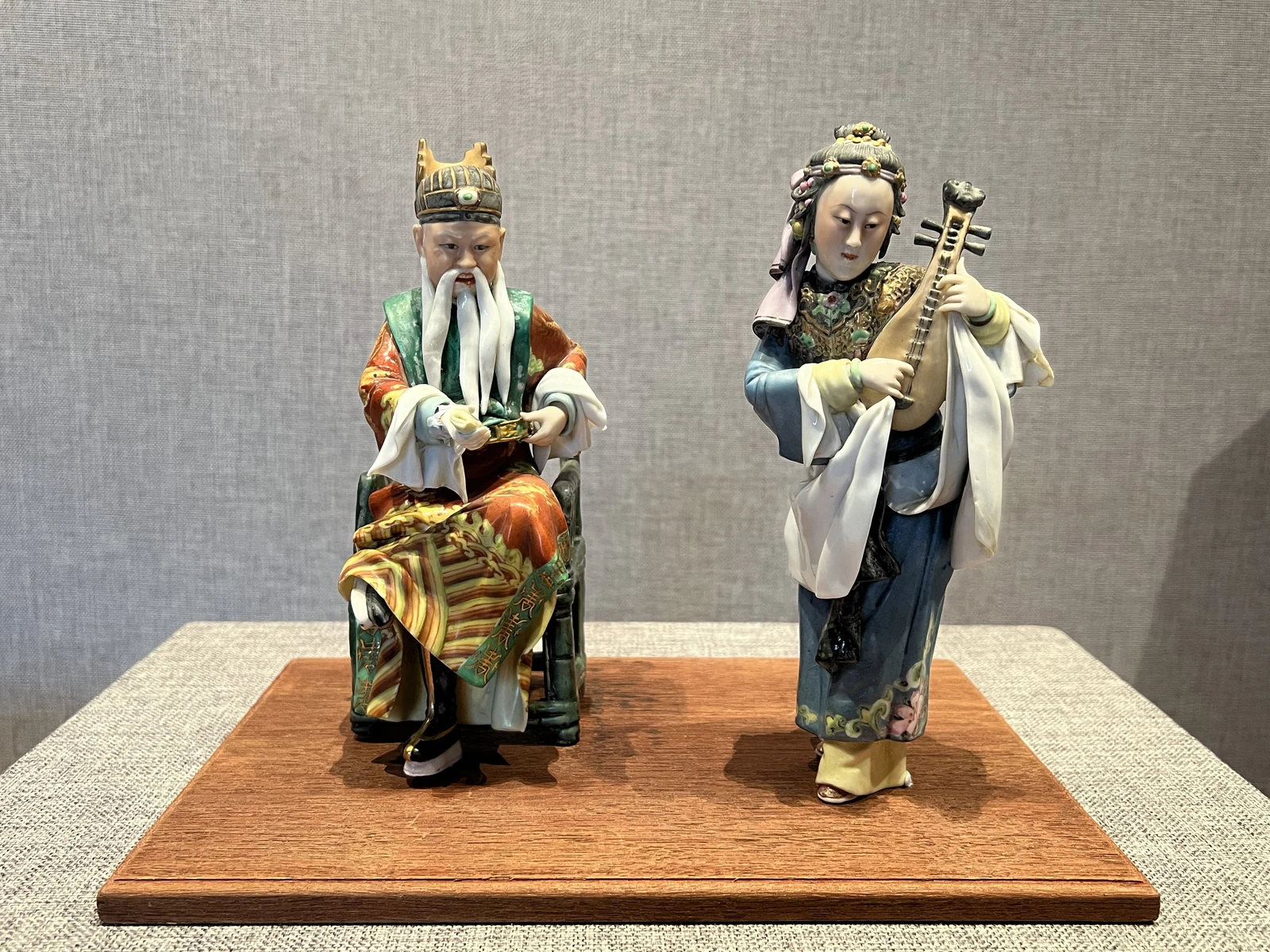
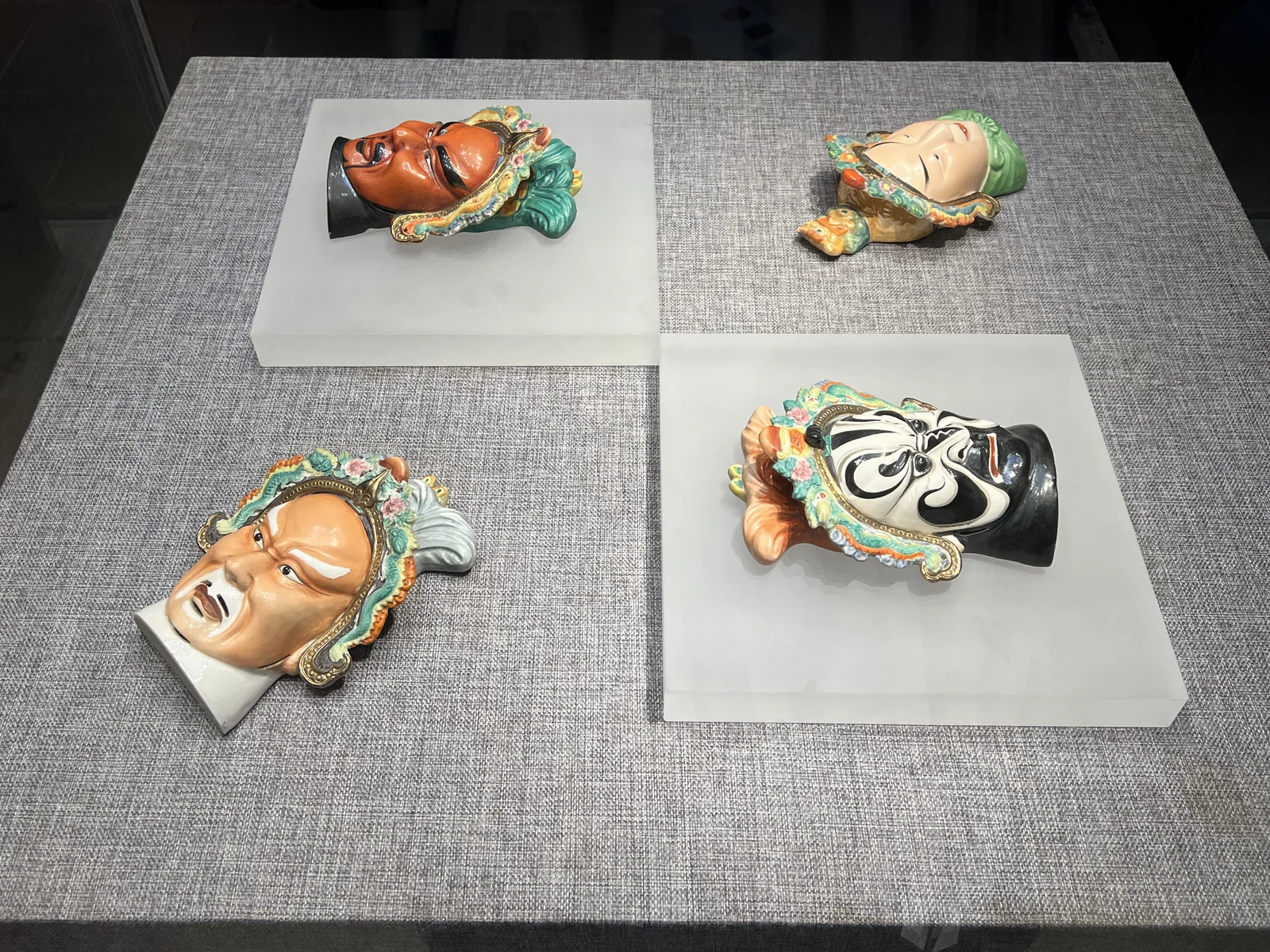
A figure in porcelain begins with choices made while the clay can still be worked. A turn of the head, the fall of a sleeve or an animal’s posture has to take shape before firing fixes it. Fengxi makers use carving, modeling, pinching and applied decoration to build these forms. The national heritage account describes both realistic and exaggerated treatments: the maker can preserve a recognizable gesture while changing its proportions for expression.
Fengxi belongs to Chaozhou, in eastern Guangdong. The town’s ceramic tradition includes figures and animals as well as vessels and decorative objects. Sculpture gives this wider craft an intimate scale. A face or folded garment invites close attention, and the small details must remain part of a coherent body rather than a collection of ornaments.
Flowers and openings
Openwork porcelain takes a different path through the same material. Instead of shaping only a solid surface, a maker removes parts of the clay body so that light can pass through it. These openings become part of the design. Enough material must remain connected to carry the form through handling and firing.
Applied porcelain flowers add another layer. Petals and leaves are modeled separately and joined to the pierced body, combining the space within the object with forms that project from it. This union of openwork and sculpted flowers is a distinctive part of the Fengxi firing tradition recorded in the national intangible heritage entry. Figure modeling and pierced flower decoration use different visual effects, yet both depend on the maker understanding what the clay can support.
From workable clay to fired porcelain
Firing joins these different approaches. A modeled figure, a vessel and an openwork ornament each have a particular relation between mass, detail and empty space. The maker prepares those relationships while the material is workable; the kiln turns the prepared clay into ceramic. The finished surface keeps the decisions made by hand, even as its material character changes.
Fengxi is a town within Chao’an District, Chaozhou. Its workshops and ceramic production form the setting for the craft, while individual objects carry their own makers, subjects and uses. The firing technique entered China’s national intangible cultural heritage list in 2008. That shared recognition embraces a range of skills: a figure’s expressive posture, a modeled flower and a pierced body each show a different part of the same ceramic tradition.