From the journal

Midui Village and the Glacier Horse Caravan

At the foot of Midui Glacier, villagers organized a horse service into a shared village operation, then added licensed sightseeing vehicles and other work tied to visitors.

In the same city · Nyingchi ↗
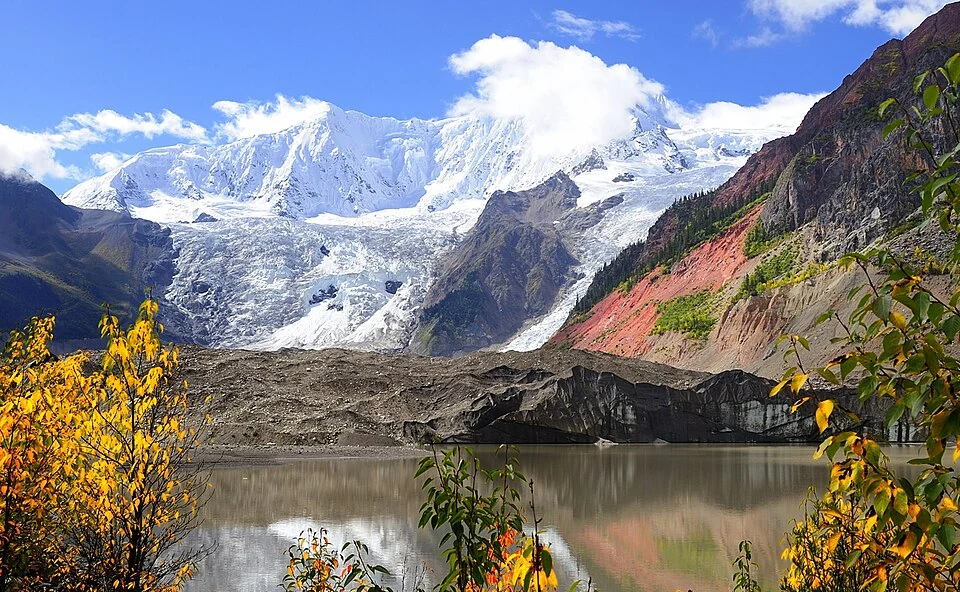
Midui Glacier descending toward a lake and autumn valley
Midui Glacier and the lake below it, photographed on 17 September 2008. Photo: Jan Reurink, CC BY 2.0.

A village at the foot of Midui

The 2022 government account places Midui Village below the glacier and describes a visitor arriving on horseback. Jiang A Luobu helps the traveler mount before leading the horse toward the ice. It is a small scene, but it changes the scale of the story: Midui is not only a distant white mass in a valley. It is also a place where residents meet visitors, guide them along the last stretch and make a living from the landscape at their doorstep.

The same report says all 58 village households took part in the horse service. Horses rotated through visitor trips; the village committee managed the fees and distributed the proceeds at year’s end. In 2005, the village road connected with National Highway 318, bringing the formerly quiet settlement into closer contact with passing travelers. The horse caravan grew from that encounter between a road, a glacier and a village willing to organize a shared service.
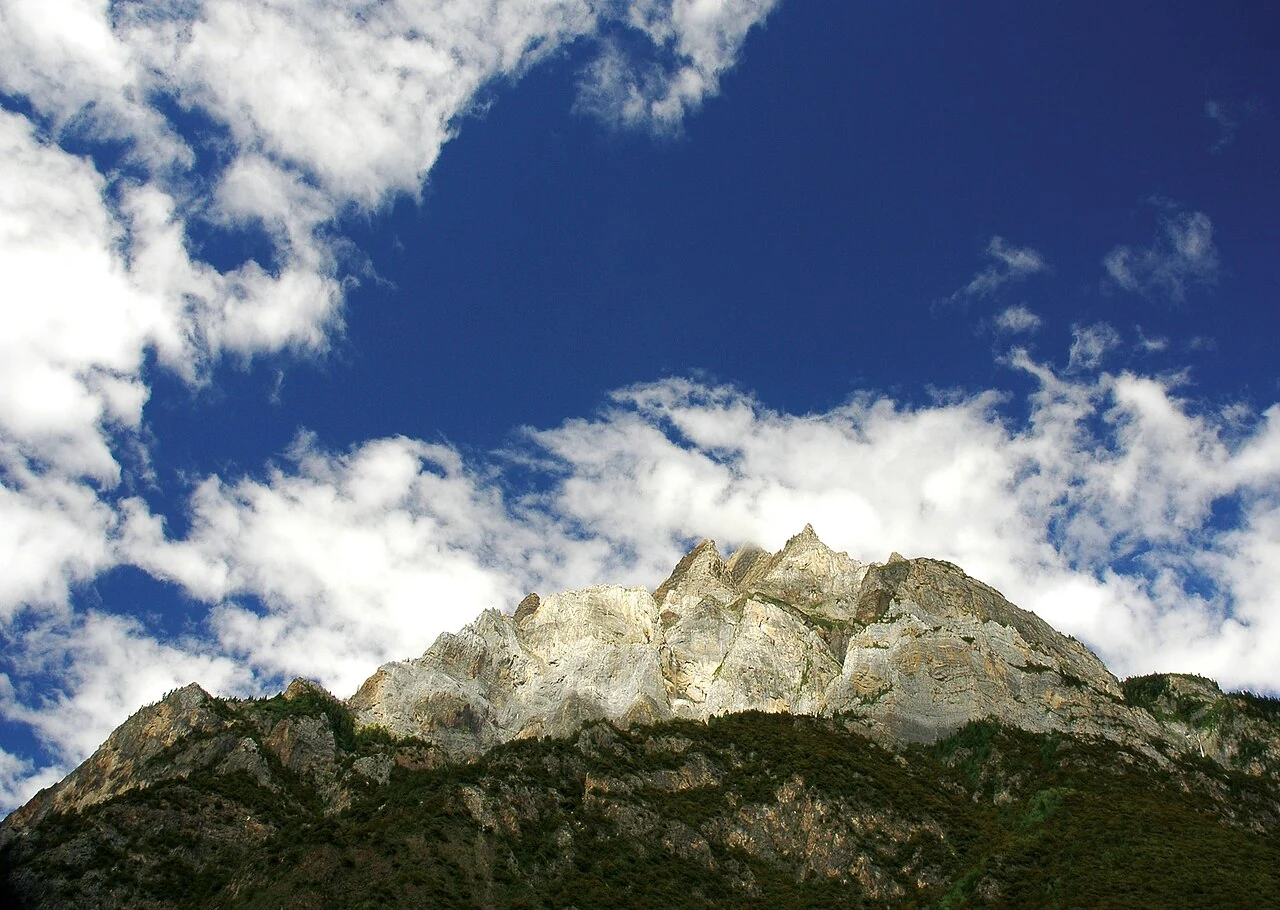
Snow-covered Midui Glacier above its valley in Bomi County
Midui Glacier in Bomi, photographed on 22 May 2010. Photo: 牛糞, CC BY-SA 3.0.

From separate rides to a village company

As more residents offered rides, the operation became difficult to coordinate and crowded stables affected the area around the glacier. In 2020, after discussions between Yupu Township and the village party branch, Midui established a tourism company through village self-funding and collective shareholding. The 2024 account says the company brought all 104 village horses into the operation, added accident insurance and formalized the service.

A second stage began in 2022. The horse-team members received coordinated clothing and riding gear, while stable management and village upkeep were addressed. The account describes a community trying to make visitor work more orderly while keeping it rooted in local participation. Its details matter: this was not a resort operator arriving from elsewhere, but a village company whose management came from village bodies and whose horses belonged to households across the settlement.

More than the ride to the glacier

By 2024, the village’s visitor services had expanded beyond the horse route. More than ten sightseeing vehicles operated each day with local residents who held driving licences. The report also lists performances and rented stalls for local products. A glacier visit therefore supported several kinds of work: guiding on horseback, driving, presenting local performance and selling goods.

The change can be read in the sequence of dates the reports preserve: a road link in 2005, household participation in the horse service by 2022, and a company that coordinated the operation and widened the services by 2024. Midui Glacier remains the reason visitors arrive, but the story at its foot belongs to the village—its horses, its shared management and the work residents built around a place they live beside.

Continue exploring · Bomi Glaciers ↗
Photo credits and rights
  1. Midui Glacier and the lake below it, photographed on 17 September 2008. Photo: Jan Reurink, CC BY 2.0.Jan Reurink · CC BY 2.0 Photo source ↗ Rights information ↗
  2. Midui Glacier in Bomi, photographed on 22 May 2010. Photo: 牛糞, CC BY-SA 3.0.牛糞 · CC BY-SA 3.0 Photo source ↗ Rights information ↗