A tree at the center
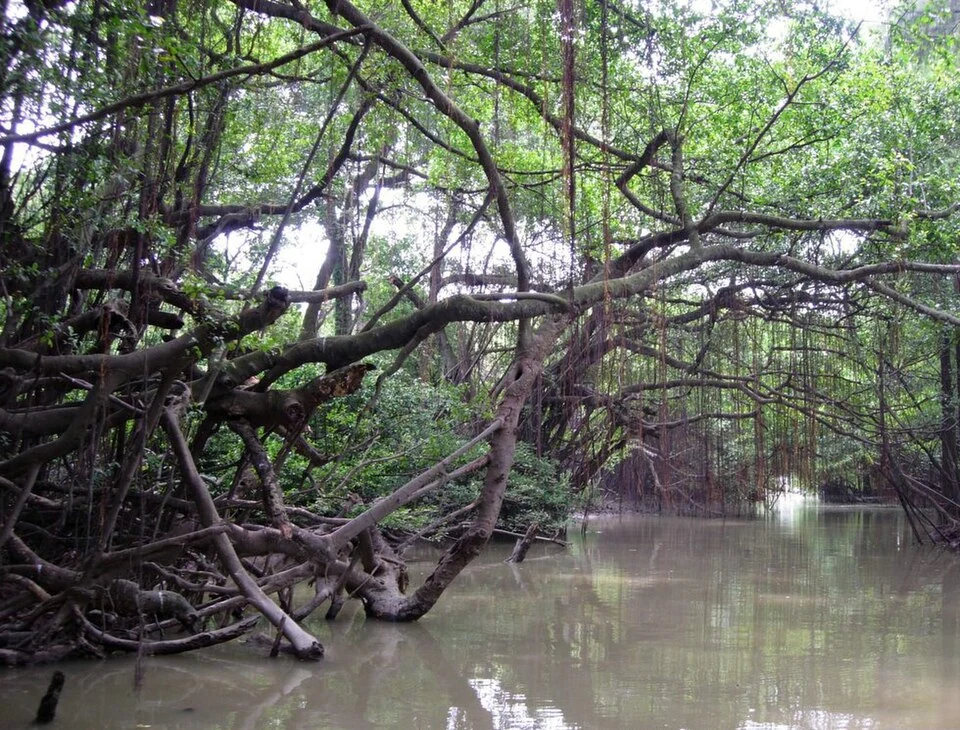
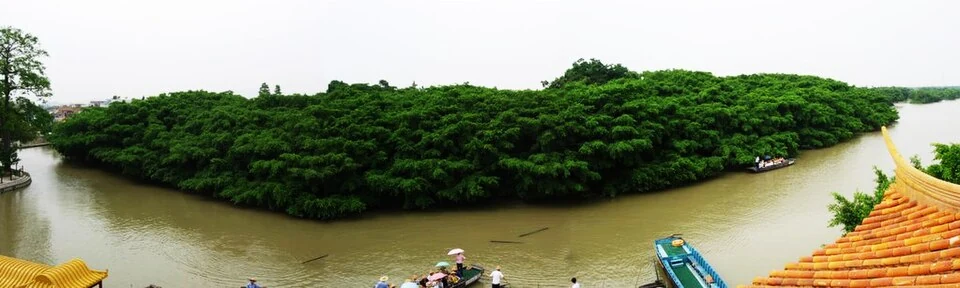
Bird Paradise lies at Tianma Village in Xinhui, Jiangmen. A Xinhui government account connects the site with a large banyan growing in water and describes Ba Jin’s 1933 boat visit along the Tianma River, after which he wrote the essay known in Chinese as “Birds’ Paradise.” The story begins with a tree, but the place is larger than one trunk: water, roots, branches and birds form a wetland habitat whose shape changes with the seasons.
The literary association
Ba Jin’s visit connects a specific landscape to modern Chinese writing. The Xinhui account identifies the boat journey and essay, a quieter connection than a staged literary scene. A writer encountered a watery grove whose forms could be carried into literature. The river, tree and birdlife that shaped the encounter remain central to the landscape Ba Jin carried into his essay. The literary association gains texture from the living site rather than replacing it.
A protected wetland
A 2021 Xinhui government regulation defines the wetland park around the ancient banyan and establishes ecological protection as its governing purpose. The rules name water, plants, wildlife and habitat as resources to protect, and divide the park into management zones. This adds another layer to the familiar literary image. The wetland is not simply a beautiful backdrop; it is a managed habitat where conservation shapes what activities can take place.
The work of looking after a habitat
A 2025 report from the National Forestry and Grassland Administration describes continuing protection at Bird Paradise and attributes a local practice of not cutting banyans or catching birds to Tianma Village. Bird populations and visibility vary. The habitat is visible in roots rising from water, the canopy, river edge and protected zones. The wetland’s deeper story is how local people and public institutions work to keep that habitat viable over time, across changing seasons and generations.