A product rooted in place
Xinhui Chenpi begins with the peel of the local tea-branch mandarin, not with any citrus skin dried anywhere. Government descriptions of the geographic indication connect the protected name to Xinhui fruit, its growing area and a defined production tradition. That link between place and product gives the story a map: orchards and workshops belong to the same cultural landscape. Peel becomes a named food through both material and provenance. The local name therefore carries a relationship to land, cultivation and the people who know how to process the fruit.
Opening the peel
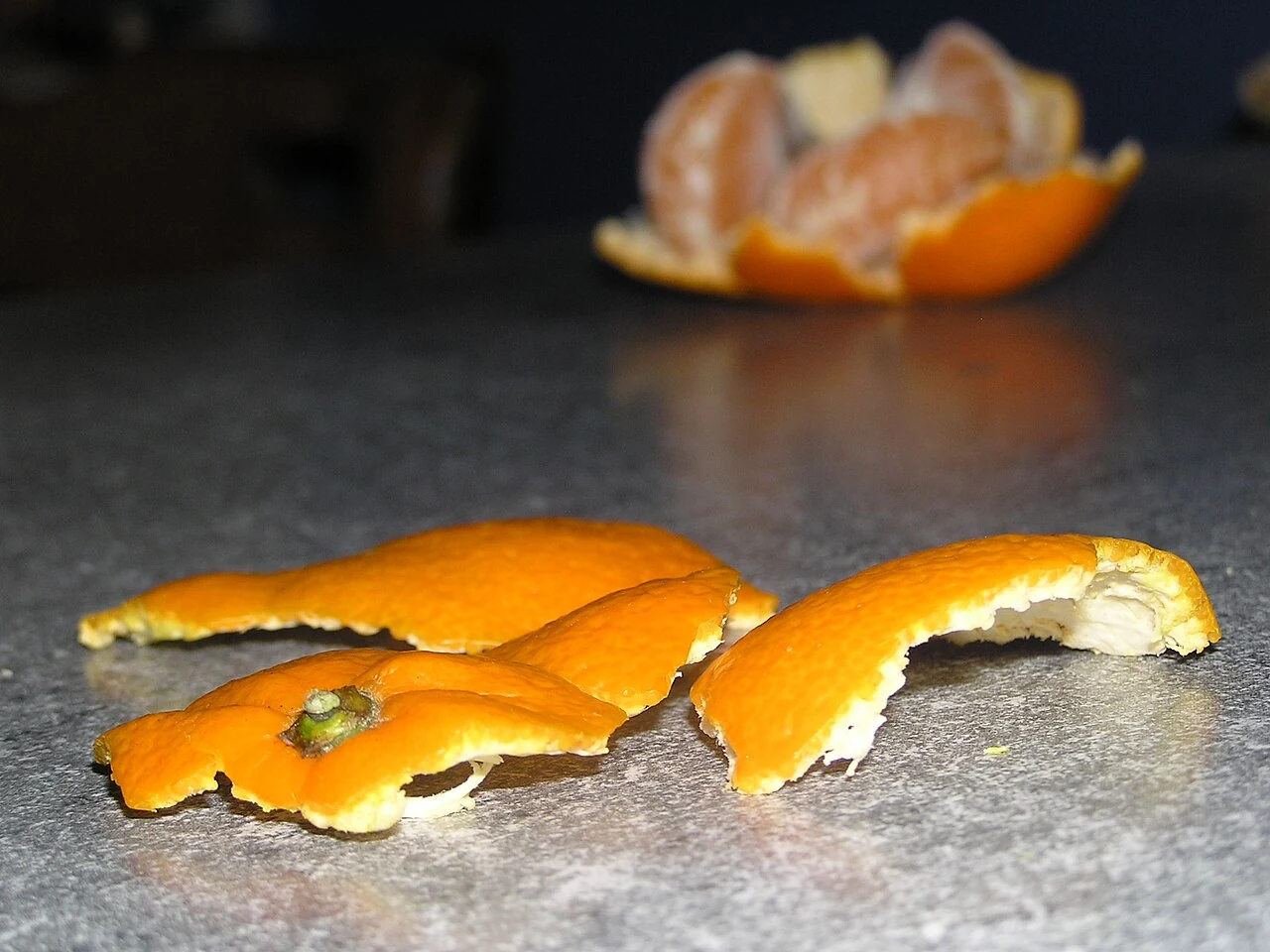
The craft starts with selection and a controlled cut. Xinhui’s local account describes opening the peel into three connected lobes, turning it inside out and laying it out to dry. This familiar shape comes from a sequence of hand movements rather than a decorative flourish. The opened peel needs to dry through its layers; turning changes which surface meets air and sunlight. The work begins with fruit in season and continues through repeated attention to the peel’s condition.
Drying, turning, waiting
The documented sequence includes sun-drying, storage and further turning during aging. Weather and humidity make the work attentive rather than automatic: the peel must be watched, handled and given time. Xinhui Chenpi processing is recognized as a national intangible cultural heritage craft. Its identity includes not only a finished aromatic peel but also the knowledge of when to open, dry, turn and store it. A small piece carries a longer rhythm of seasonal labor, with the maker’s judgment guiding each stage.
Aging and everyday use
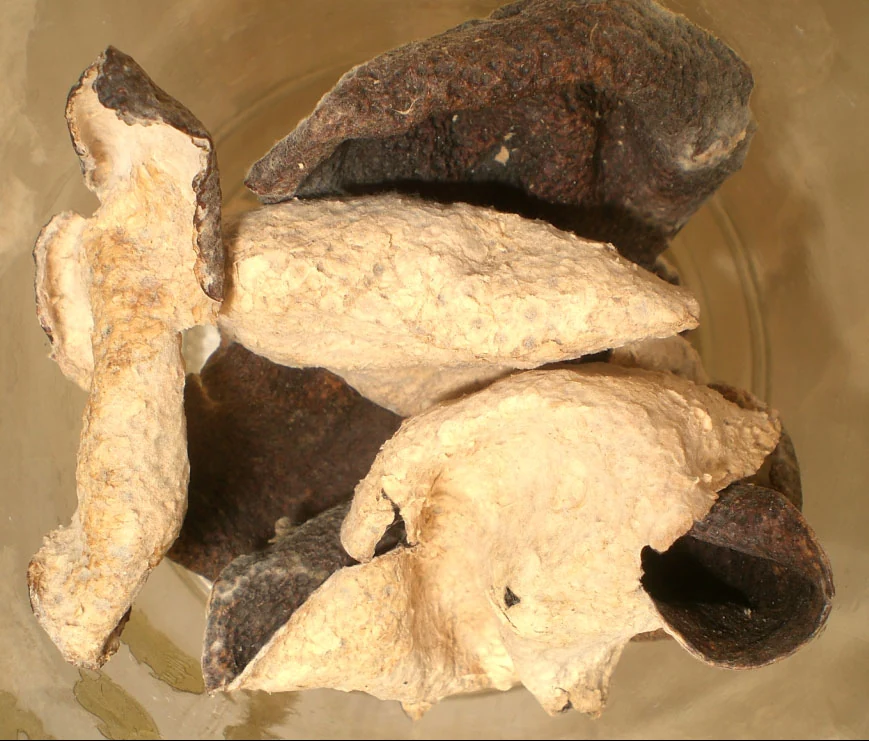
Chenpi’s aroma and culinary use develop with time. Older peel enters kitchens as a seasoning and ingredient, bringing its flavor to dishes, soups or infusions. Older peel enters kitchens as seasoning and ingredient; its flavor develops over time and can be used in dishes, soups or infusions. The product’s name is tied to Xinhui’s geography, while individual pieces reflect storage histories and care. At a market, provenance and processing matter as much as the dry peel’s color or scent. The work turns a seasonal fruit into an ingredient with a longer life.