A name inherited from Dapeng
Shenzhen is also called Pengcheng, or Roc City. The nickname reaches back to Dapeng Fortress, whose name shares the character for the mythical bird. The nickname carries the name of a particular walled settlement into the identity of the modern municipality. The connection makes a familiar city nickname part of an older coastal geography.
A Ming record and a real settlement
The account cites the Ming History’s geographical record of Dapeng Shouyu Qianhusuo and dates the fortress’s establishment to 1394, under Zhang Bin, a commander of the Guangzhou Left Guard. The site became a coastal-defense and administrative center and retained the layout of a Ming-Qing town. A name that might sound symbolic was attached to a working settlement with military duties, offices, streets, and homes.
From fortress to city identity
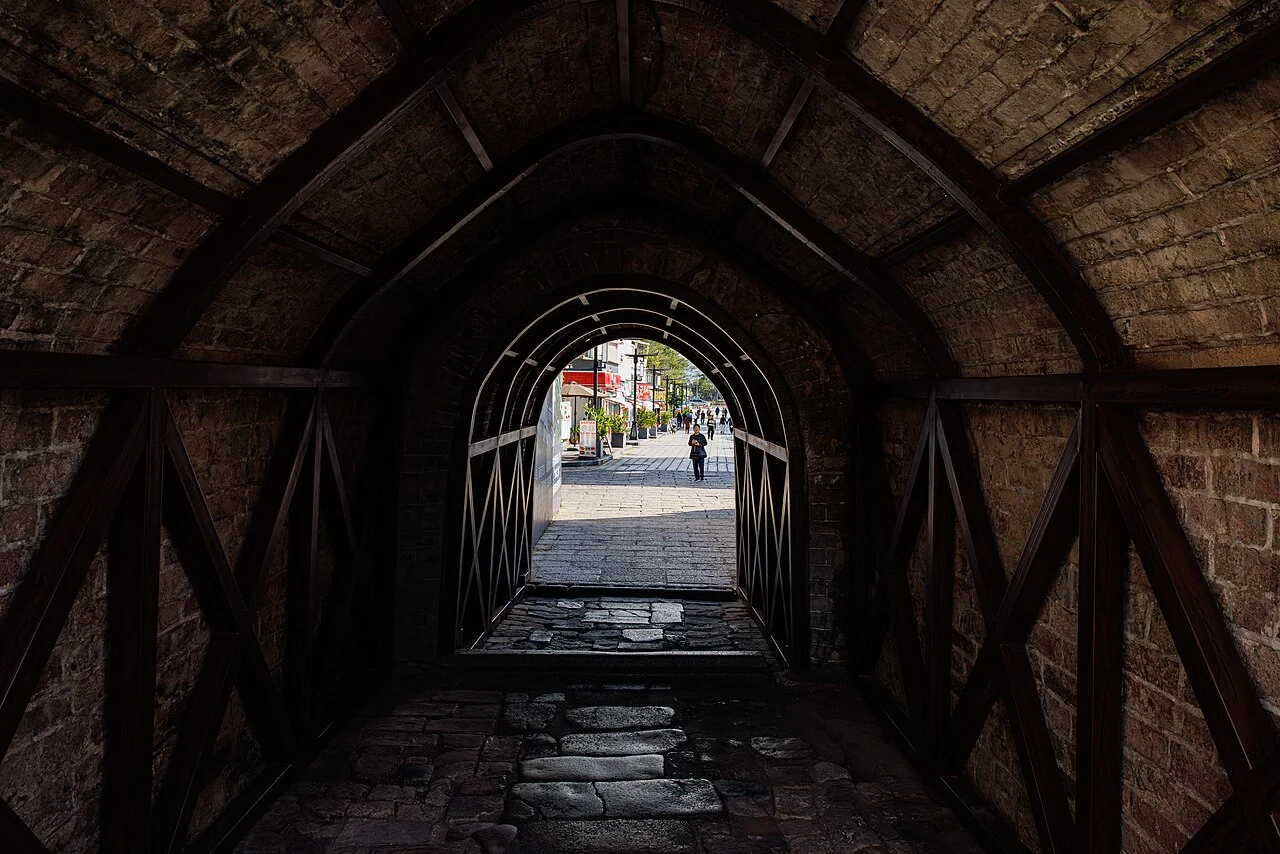
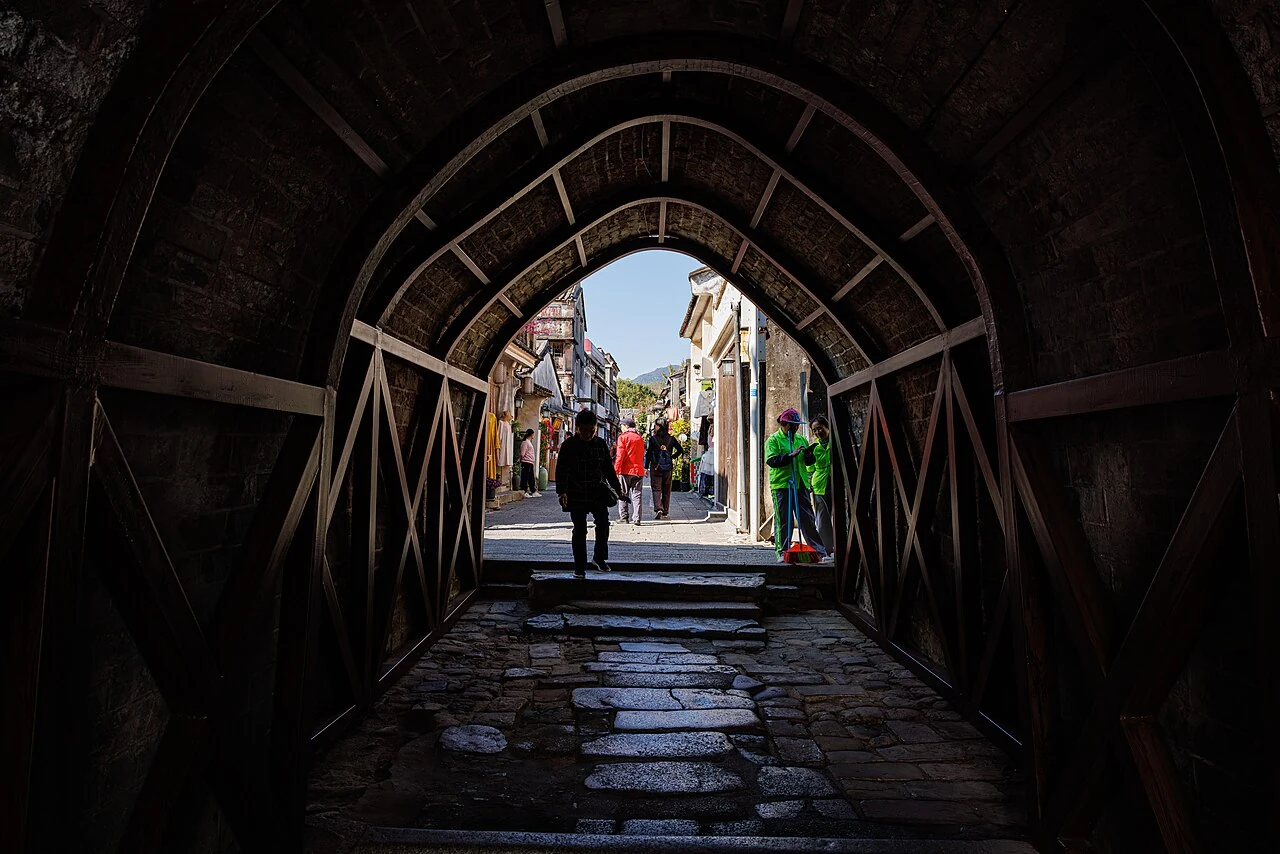
Dapeng Fortress stands in today’s Dapeng New District. Its irregular trapezoid plan, outer moat, three gates, and roughly 110,000-square-meter footprint give the historic settlement a visible scale. Streets named Nanmen, Dongmen, Shizi, and Zheng and Qing residences associated with naval commanders Lai Enjue and Liu Qilong preserve details of the town inside the walls. The fortress became Shenzhen’s first nationally protected cultural relic site in 2001. Pengcheng carries that particular coastal place into the identity of the modern city.