Money and a message in one packet
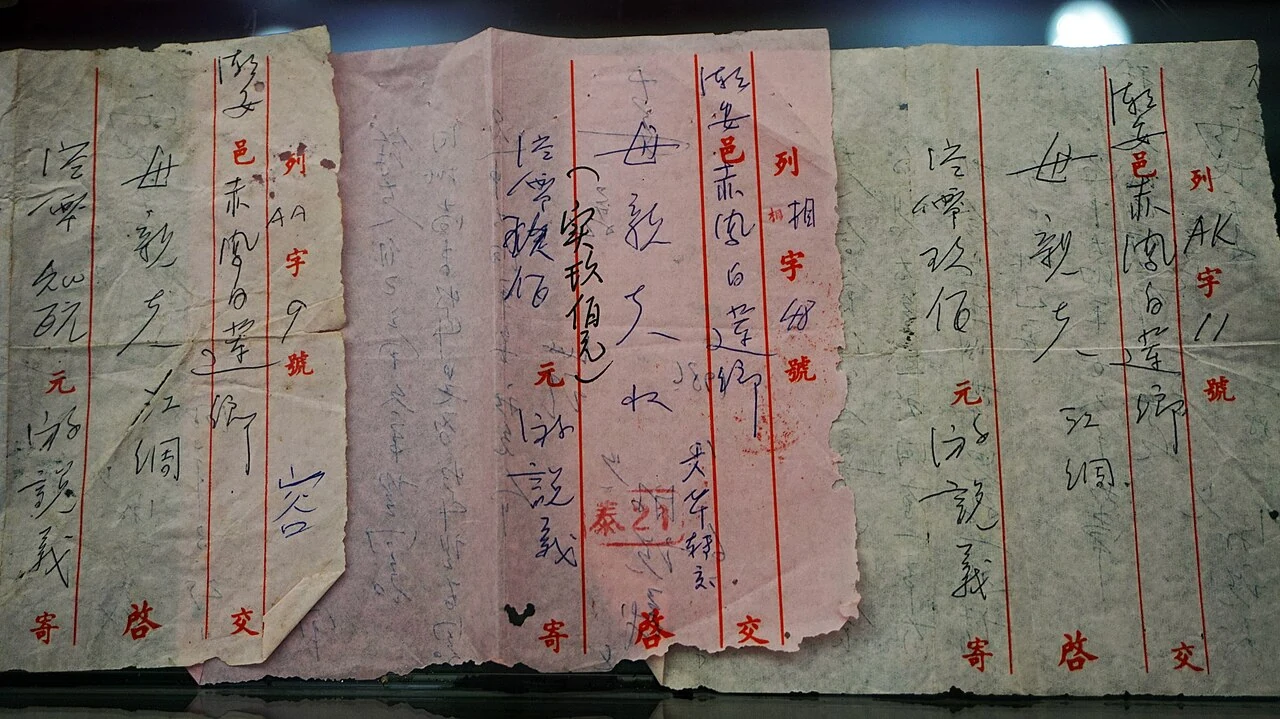
A qiaopi, often called a “silver letter,” carried a remittance from an overseas Chinese sender to relatives at home, together with a letter or short message. In Shantou’s archive display, the envelope itself is part of the record: a red-striped cover assigns space to the recipient’s name and address, the remittance amount, and the sender or place of dispatch. What looks like a small piece of paper is also a working document, designed to move money and identify the family receiving it.
Other covers were printed with boxes, pictures or fixed information. Some thin envelopes joined the address and remittance details on the outside to a family letter folded on the reverse. The form changed over time, but the packet kept two needs close together: getting funds to the right household and sending words across the same distance.
The return journey mattered too
A remittance needed a record that it had arrived. Shantou’s archive describes “return letters” made in matching original and duplicate copies. The recipient signed after receiving the money; one copy travelled back to the overseas remittance office, while the other stayed with the local office in case the returning copy went missing. A long migration route therefore depended on clerks, couriers, local offices and family members handling the same proof.
The overseas letter and its return receipt travelled in opposite directions. One carried money and news toward a home in Chaoshan; the other confirmed receipt to someone abroad. A family’s connection was maintained not by a single dramatic message, but by repeated exchanges with practical steps at each end.
Paper that outlived the exchange
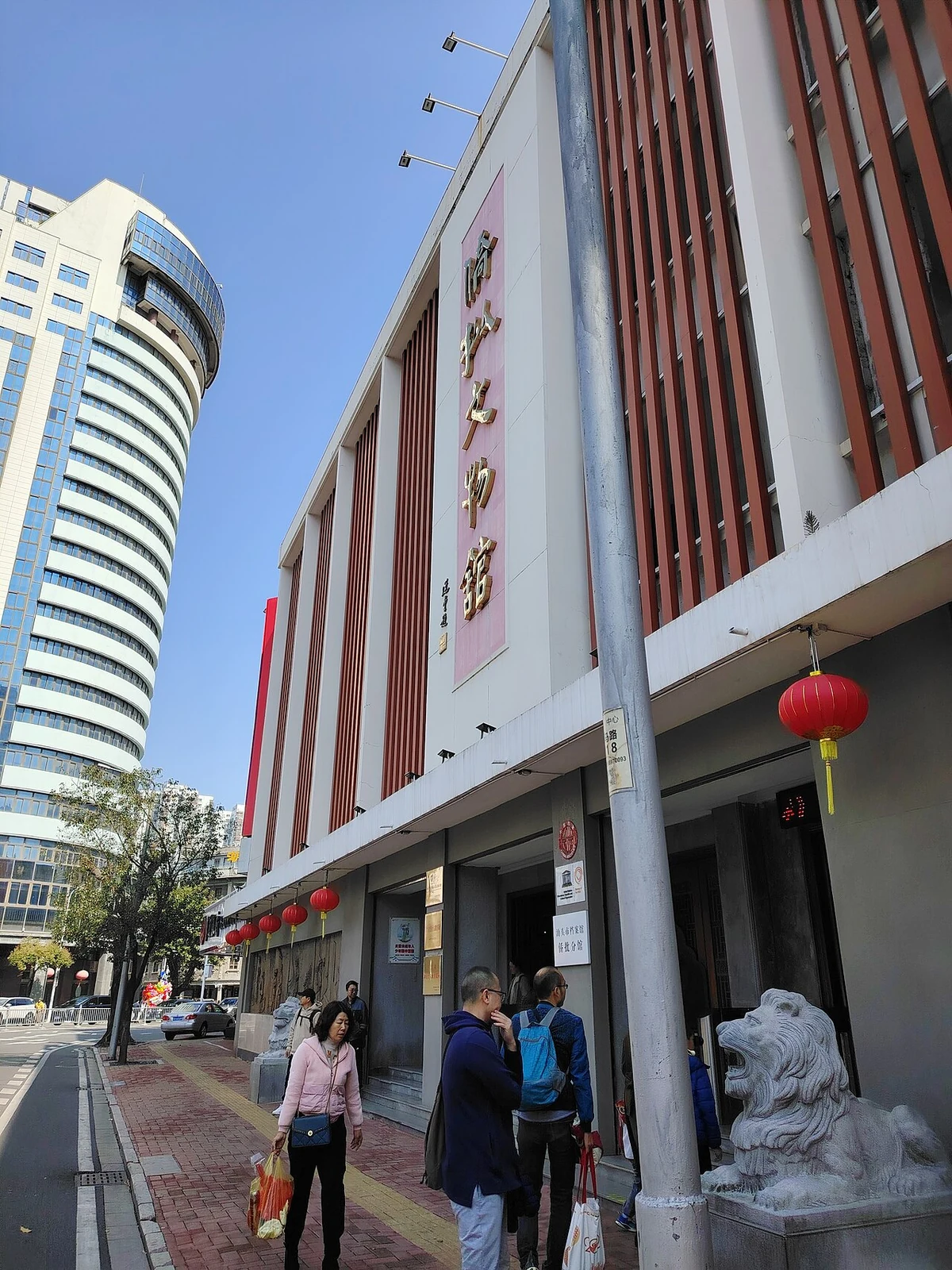
The Shantou Archives says its collection contains tens of thousands of original qiaopi and presents examples in a dedicated Chaoshan Qiaopi Archives exhibition. Covers preserved there range from red bands and illustrated landscapes to postal stationery and folded sheets made by senders themselves. An envelope printed with a 1928 historical image, for instance, turns the surface of a financial document into a carrier of contemporary visual culture.
The Qiaopi Museum opened in 2004, according to Shantou’s archive account. In 2026, a Shantou Museum exhibition on return letters displayed correspondence alongside remittance-office seals, delivery equipment and other objects used in the trade. These objects make migration legible at household scale: a name written for delivery, a sum sent for family use, and a receipt that completed the route.