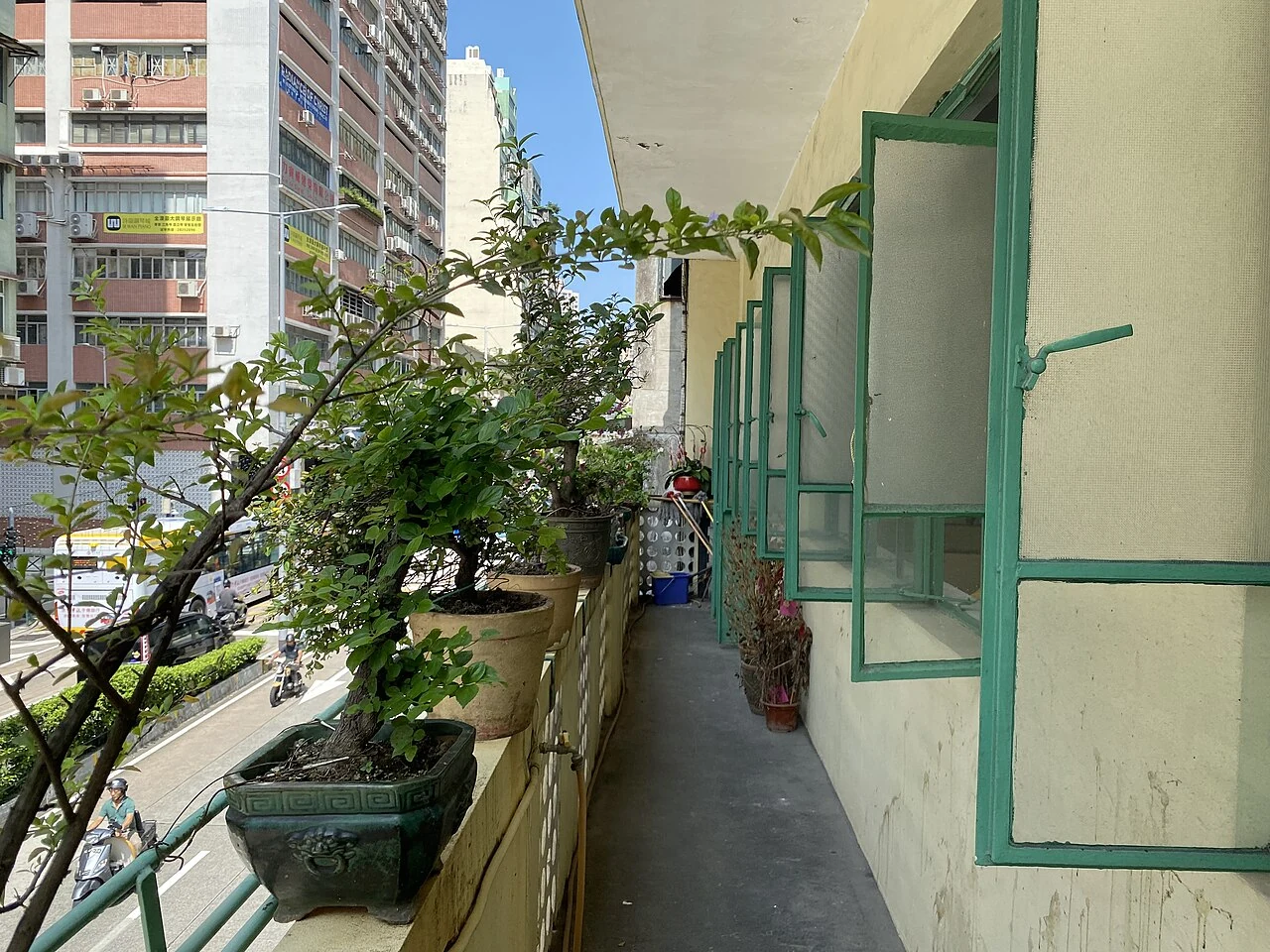
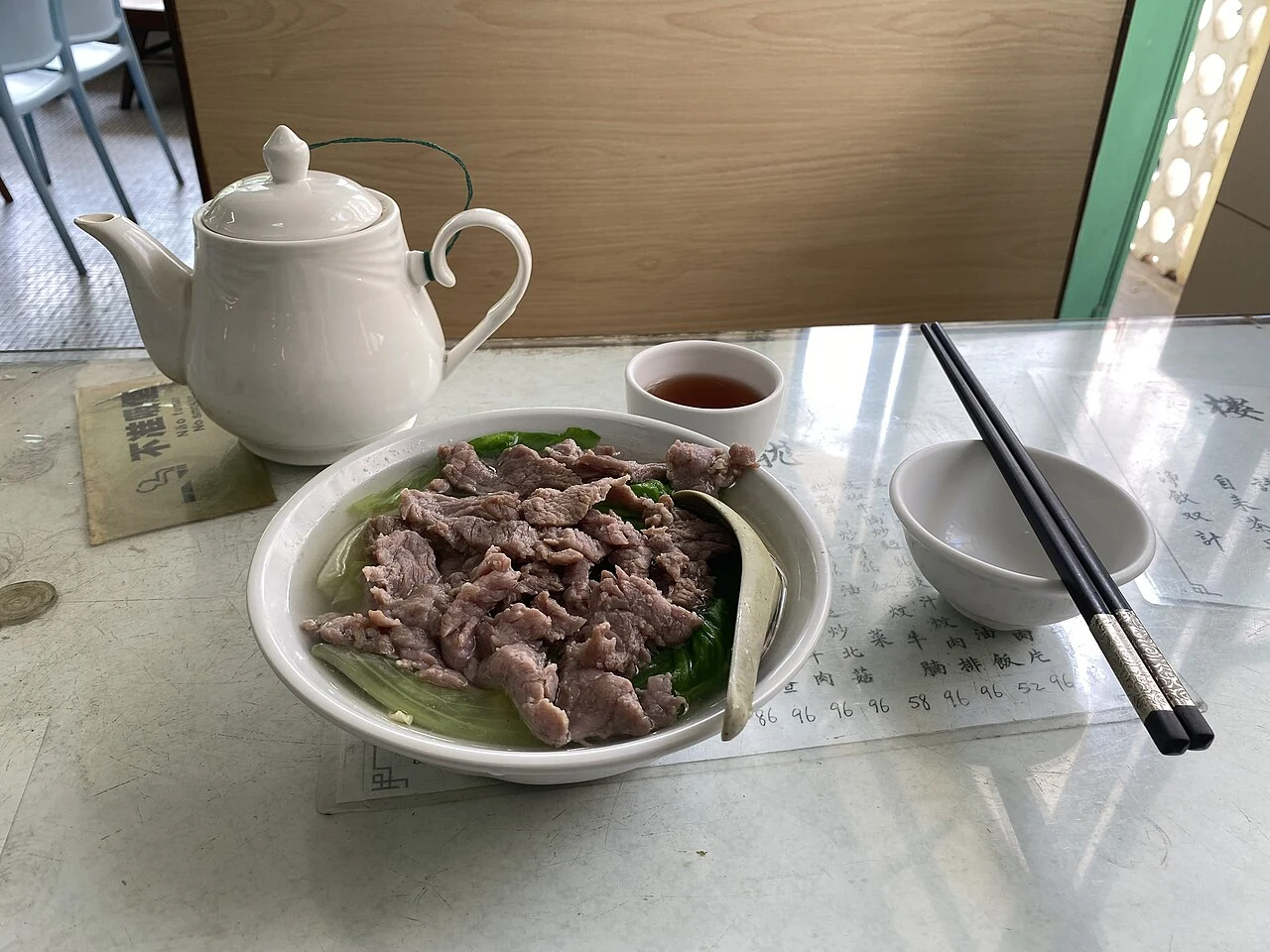
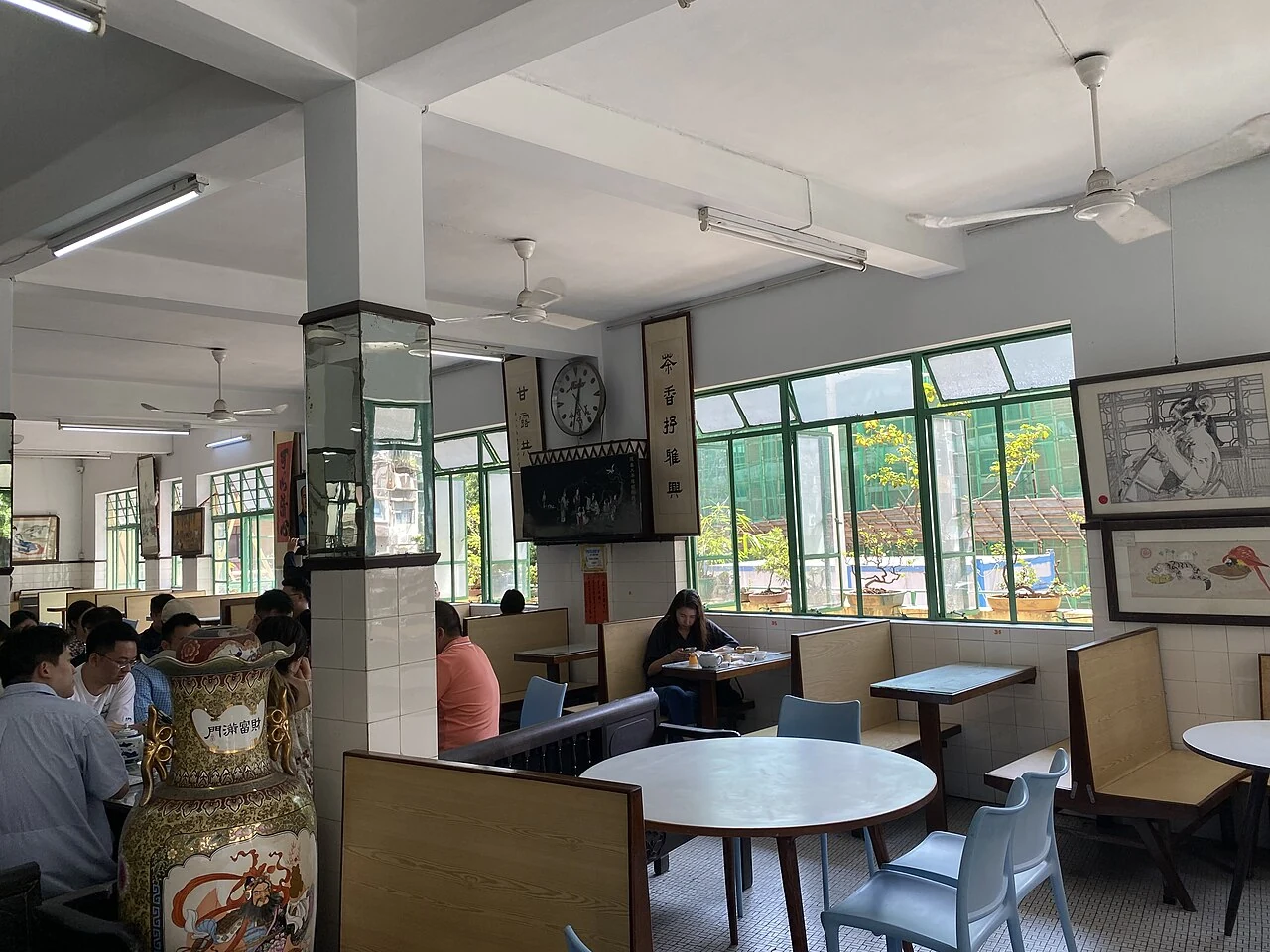
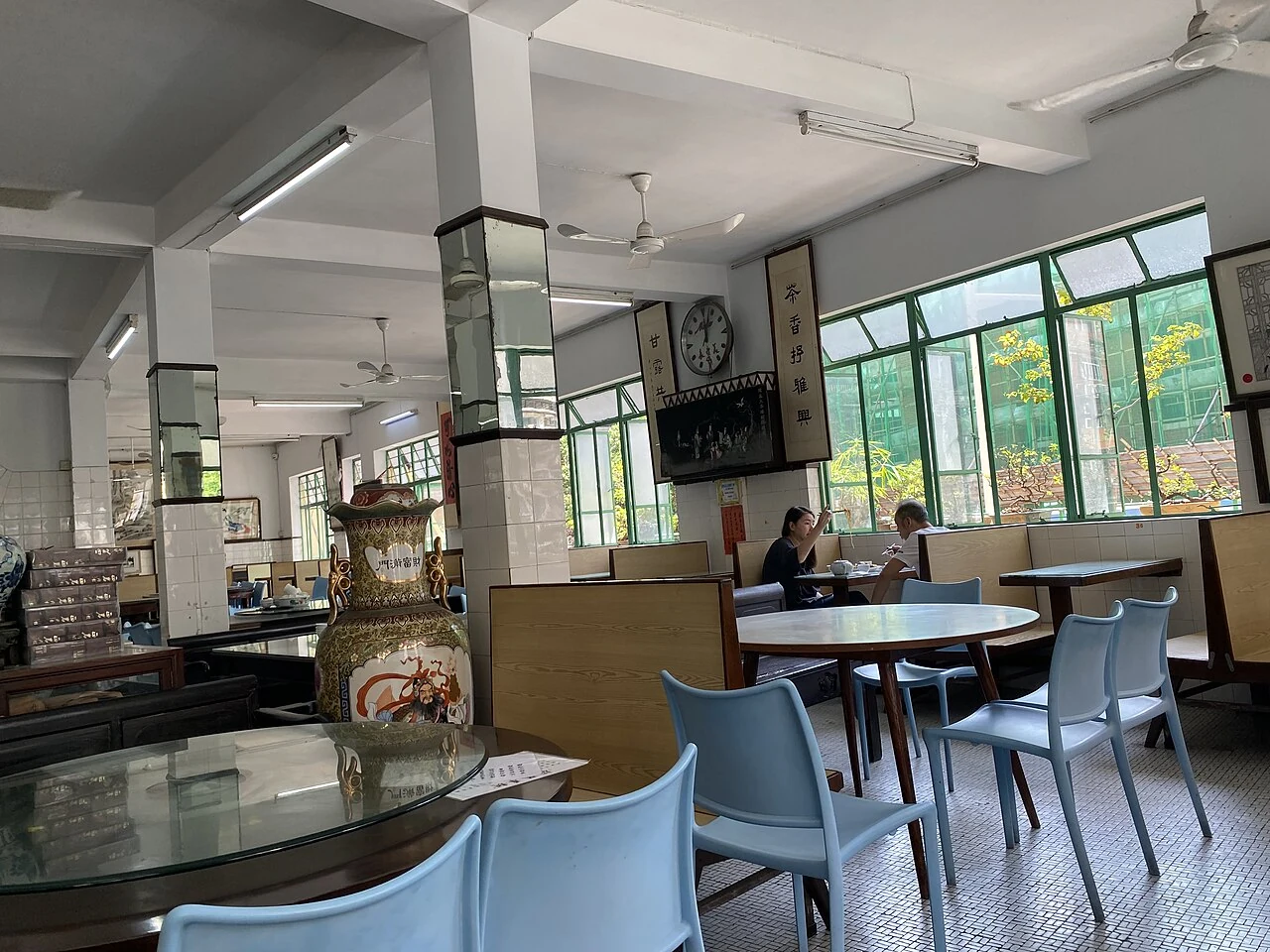
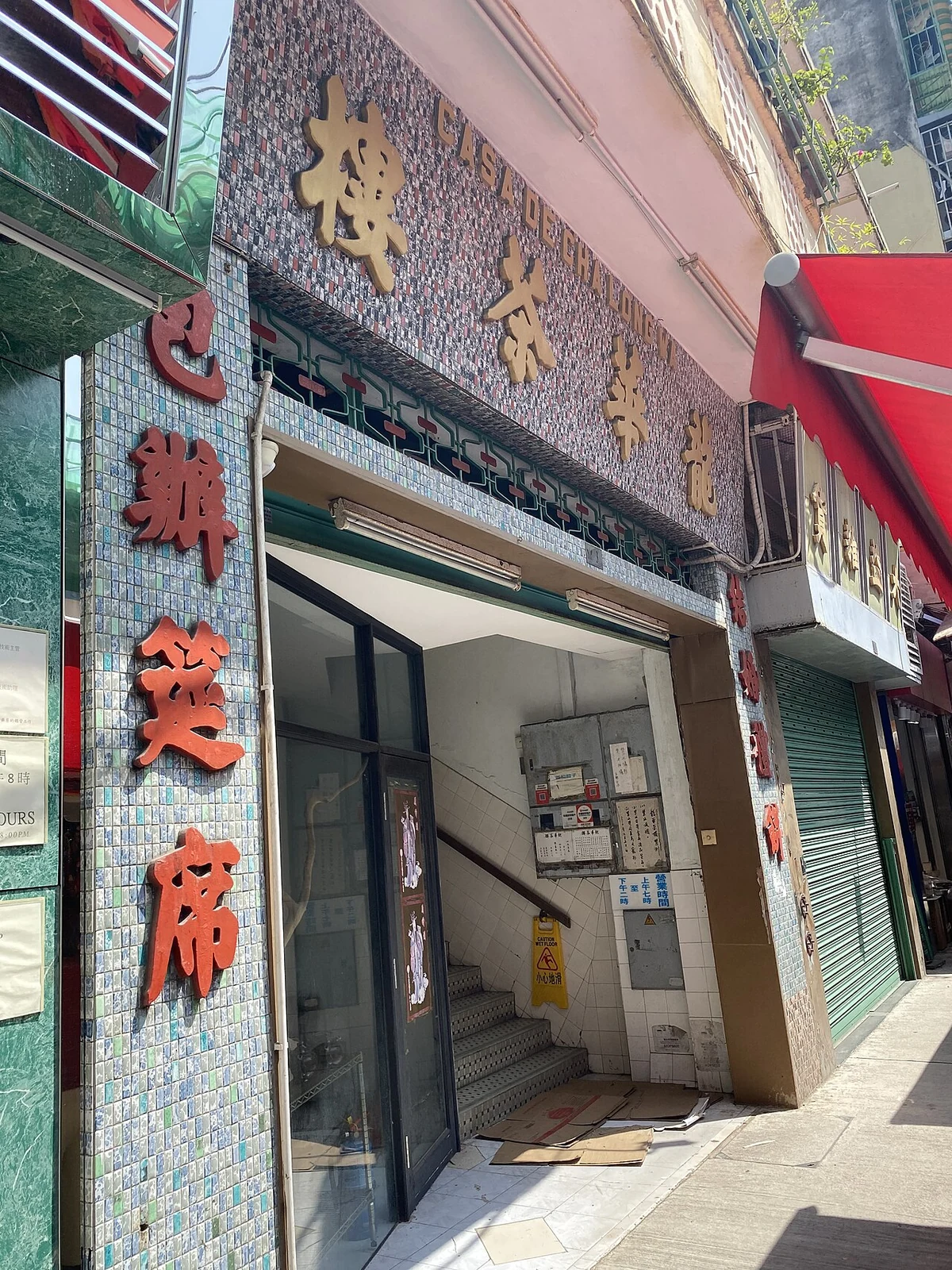
Long Wa Tea House serves tea and dim sum in a room that has also hosted cultural programmes. A Cultural Affairs Bureau notice scheduled a Naamyam performance there, bringing a long-form Cantonese narrative song into a familiar teahouse setting. The tea counter and tables locate the venue in everyday city life; the programme adds a different kind of listening to the room.
From the journal
Long Wa Tea House: When Naamyam Entered the Room
A Cultural Affairs Bureau programme placed a Naamyam performance at Long Wa Tea House, bringing a narrative-song tradition into a working tea-house setting.
A Tea House, Not a Tea Museum
A Story Carried by Voice and Strings
The Cultural Affairs Bureau programme describes Cantonese Naamyam as folk narrative singing with regular, musical lines and a strongly local melody. Zheng, the bridged zither, and yehu, a coconut-shell bowed lute, are common accompaniment; other instruments can also appear. Its verses have carried themes of loyalty, filial duty, freedom and love.
In Macao, the bureau’s programme says, di-shui Naamyam was once sung in teahouses and taverns as well as private homes. Blind singers, known as gushi, were among its traditional performers. The song was made for a room in which listeners could stay with a long story, following changes in voice and tune rather than a printed page.
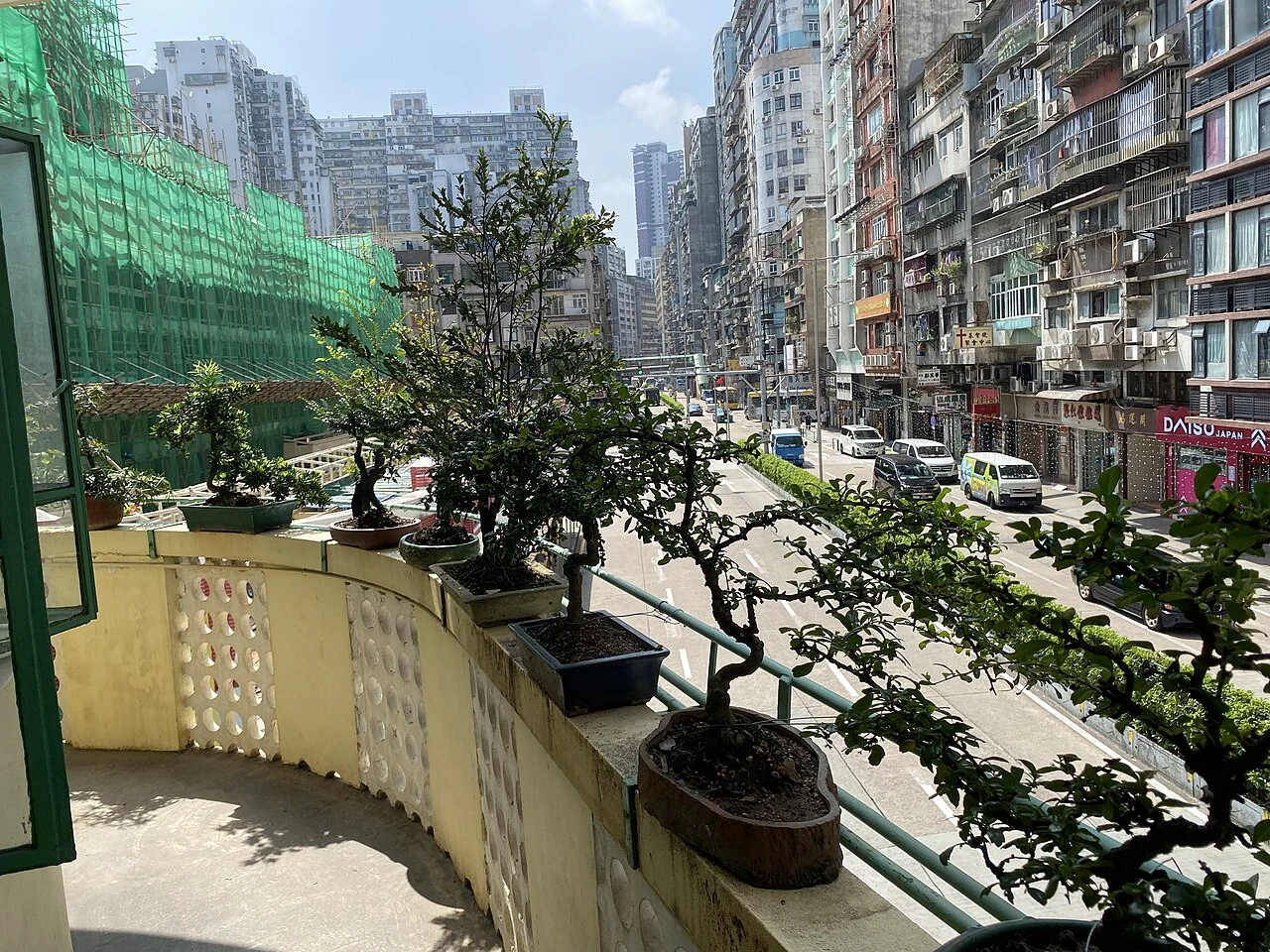
A Performance in a Living Place
Naamyam became less common in public life during the 1960s and 1970s, as popular culture changed. Parts of its melodic language later remained in Cantonese opera, and Macao’s Naamyam narrative singing entered China’s National Intangible Cultural Heritage List in 2011. A performance at Long Wa gives a contemporary audience a chance to hear a tradition once sung in teahouses, taverns and private homes.