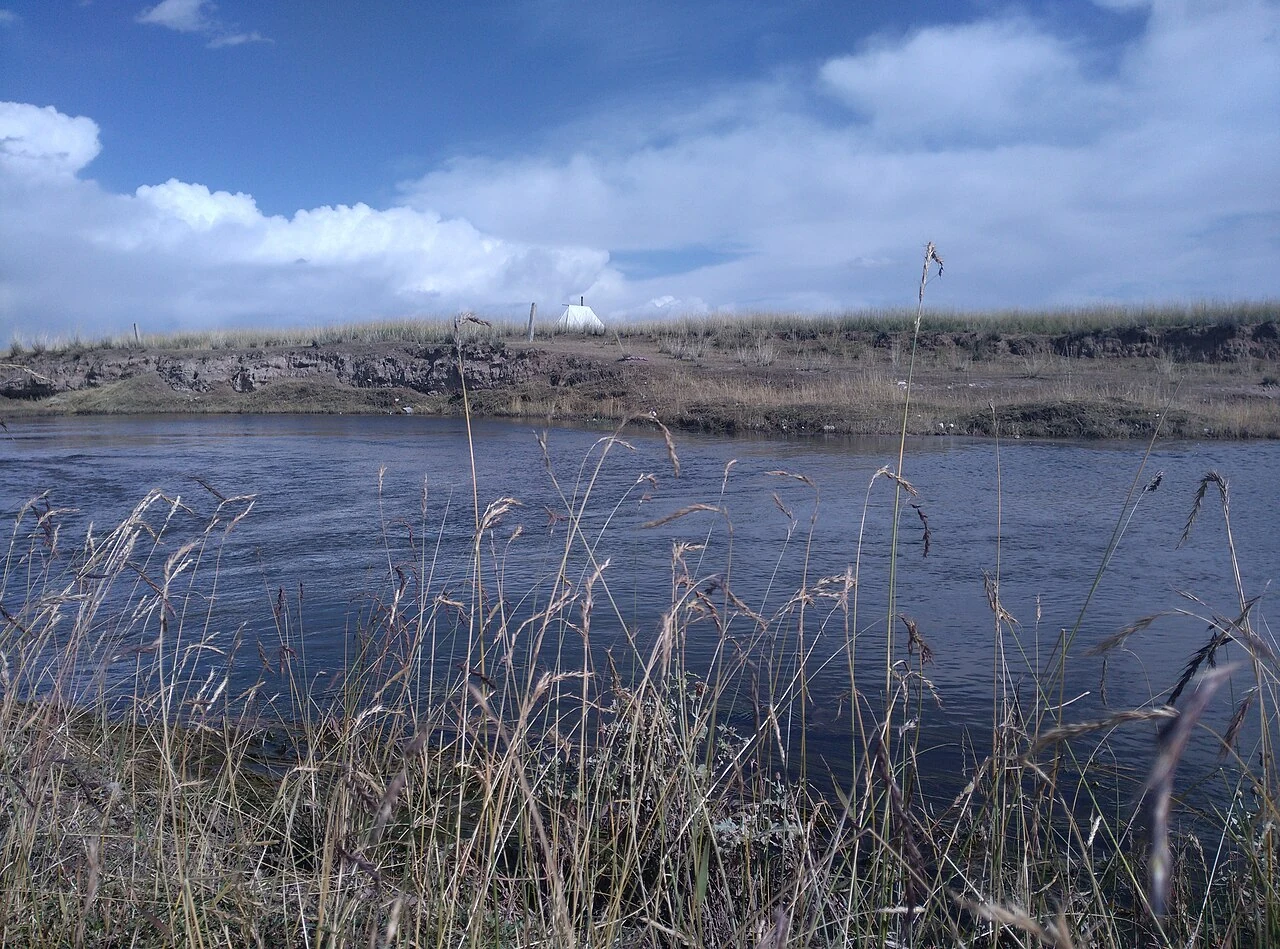
A count begins with a place. In August 2023, researchers surveyed 24 plots and 26 sampling points across the Qinghai Lake basin, recording each bird’s species and the habitat around it. A river mouth, a marsh meadow and a lake island are different settings where birds feed, rest or nest. The dataset makes those distinctions part of the observation, so a count can be read alongside the landscape in which it was made. Earlier Qinghai Lake studies also classified sites by seasonal use, including migration stopovers, feeding grounds and winter habitat. The result is a picture built from specific places rather than one sweeping view of the shoreline.
From the journal
Counting Birds Across Qinghai Lake’s Wetlands
A bird count begins with repeatable choices: where to stand, what habitat to record and how to compare one observation with another. Qinghai Lake’s monitoring datasets make those choices visible.
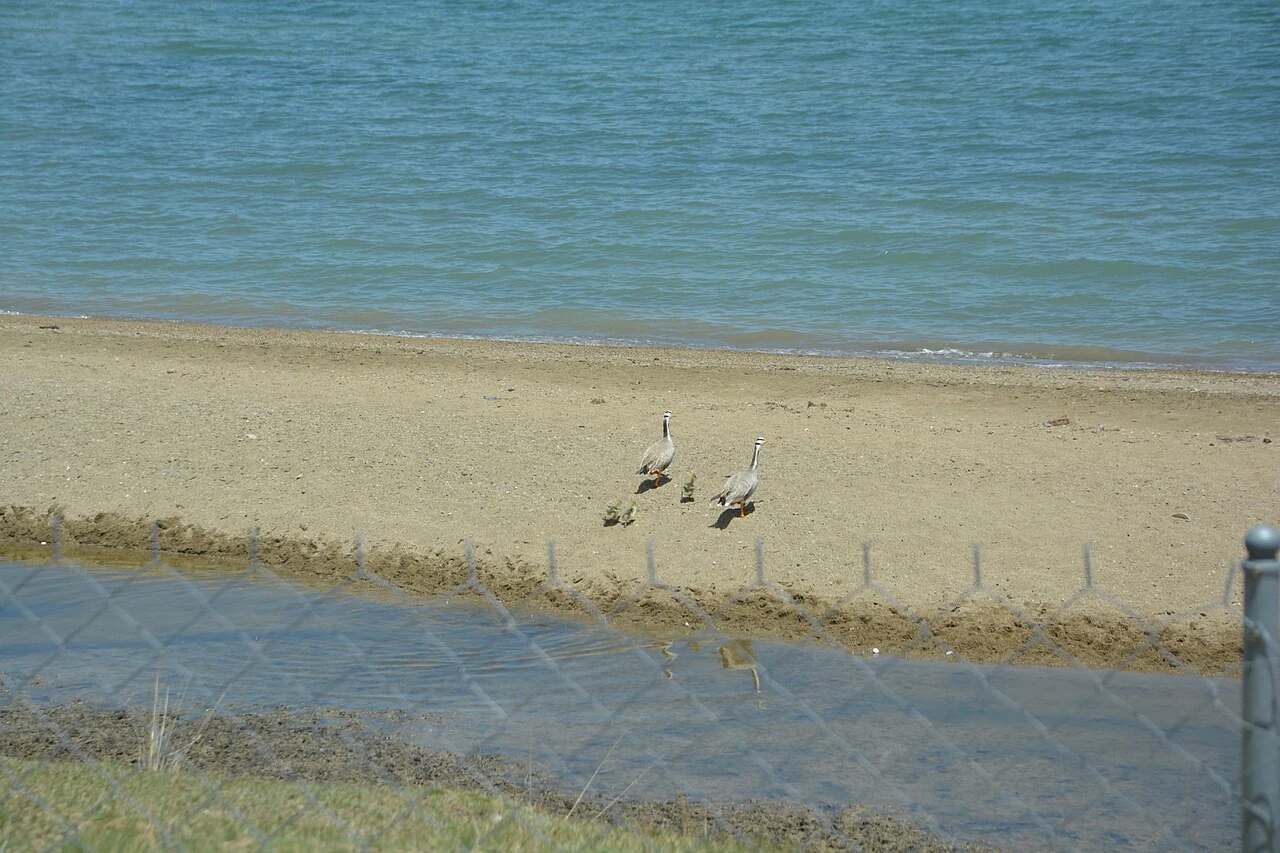
A count begins with a place
Reading a survey in its own season
In June 2024, a breeding-season survey covered 24 major habitats and counted more than 43,400 waterbirds across 47 species. It recorded 60 black-necked cranes and 10 swans, while young bar-headed geese, gulls and common cormorants had hatched. Each number belongs to a particular season and a defined set of sites. Read beside the 2023 dataset, the survey shows how a lake-wide picture is assembled from repeat visits, named habitats and careful counts. The work depends on field notes as much as on totals: where a species appears, which habitat it uses and what changes when observers return. In this basin, a count keeps track of life across a landscape too large to understand from one overlook.