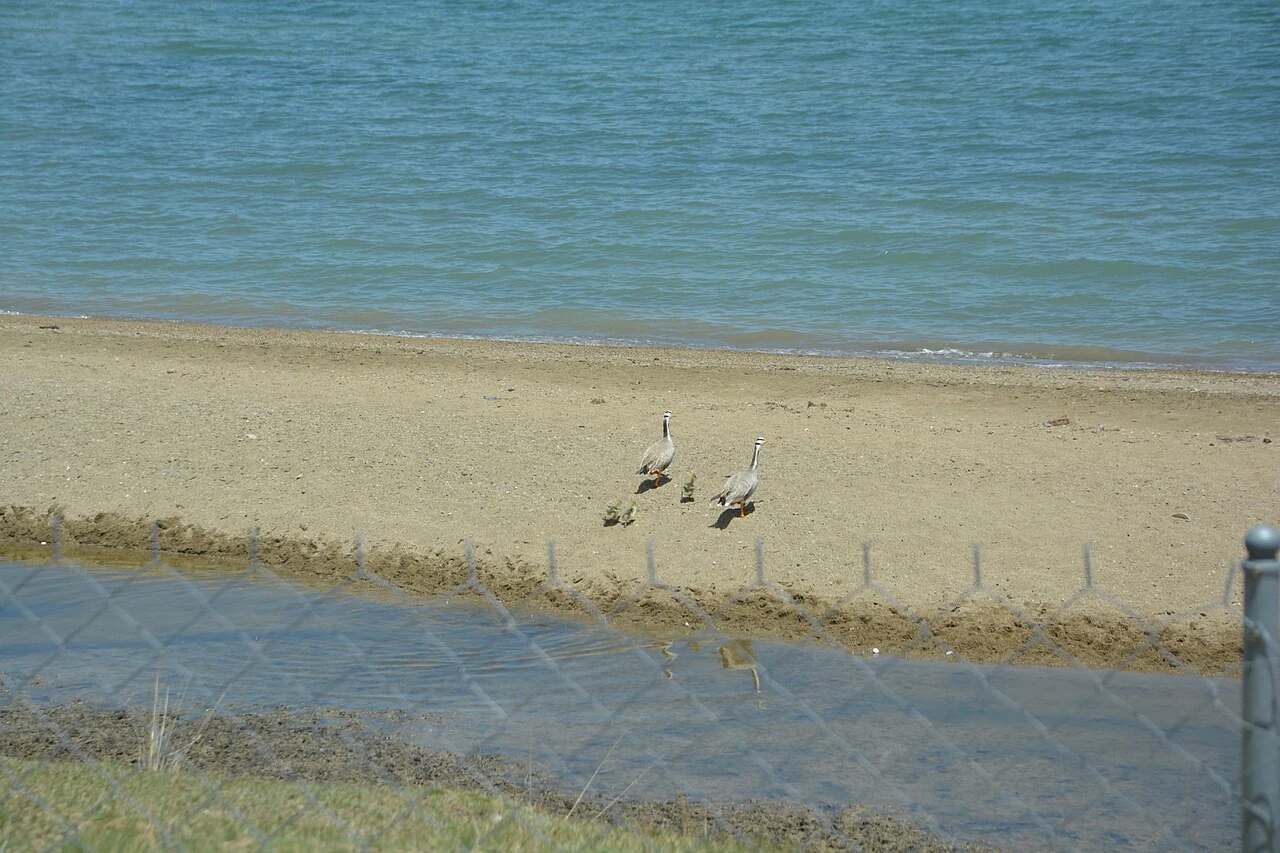
A migration route is made of pauses as well as distance. Around Qinghai Lake, a 2019 waterbird study sorted monitoring sites by seasonal use: migration stopover, feeding ground, breeding site and winter habitat. It also recorded ten kinds of habitat, including river-mouth wetlands, marsh meadows, farmland, islands and peninsulas. The table makes the variety tangible. A bird moving across the basin may encounter water at a river mouth, sheltered shallows among reeds or open ground beside a lake. Each place offers a different setting for the next stage of movement.
From the journal
A Pause on the Migration Route
At Qinghai Lake, bird habitats are measured across seasons and forms of water. Monitoring records show why a migration stop is a network of places, not a single shoreline.
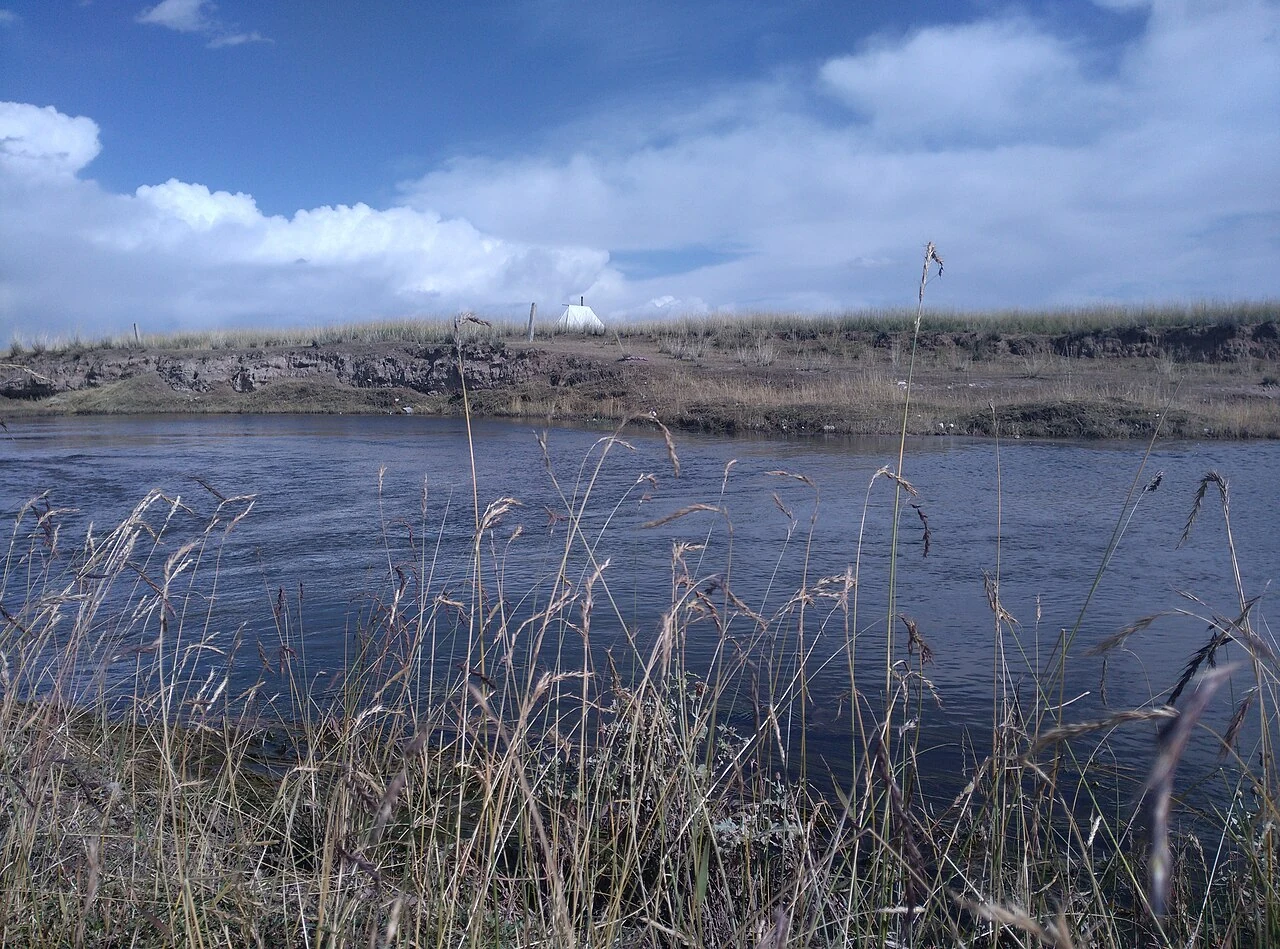
A route is made of pauses
Following changes through time
The monthly tables make the rhythm visible. In the 2019 observations, October’s total was much higher than December’s, and the site-by-site records show how birds were distributed among different habitats. A broad seasonal pattern becomes more meaningful when it can be tied to named places: a river mouth, an island or a marsh. These notes give researchers a way to compare one migration season with another and ask which wetlands continue to serve as stopping places. For readers, they shift the image of migration from a single arrow across the map to a chain of particular pauses around the lake.