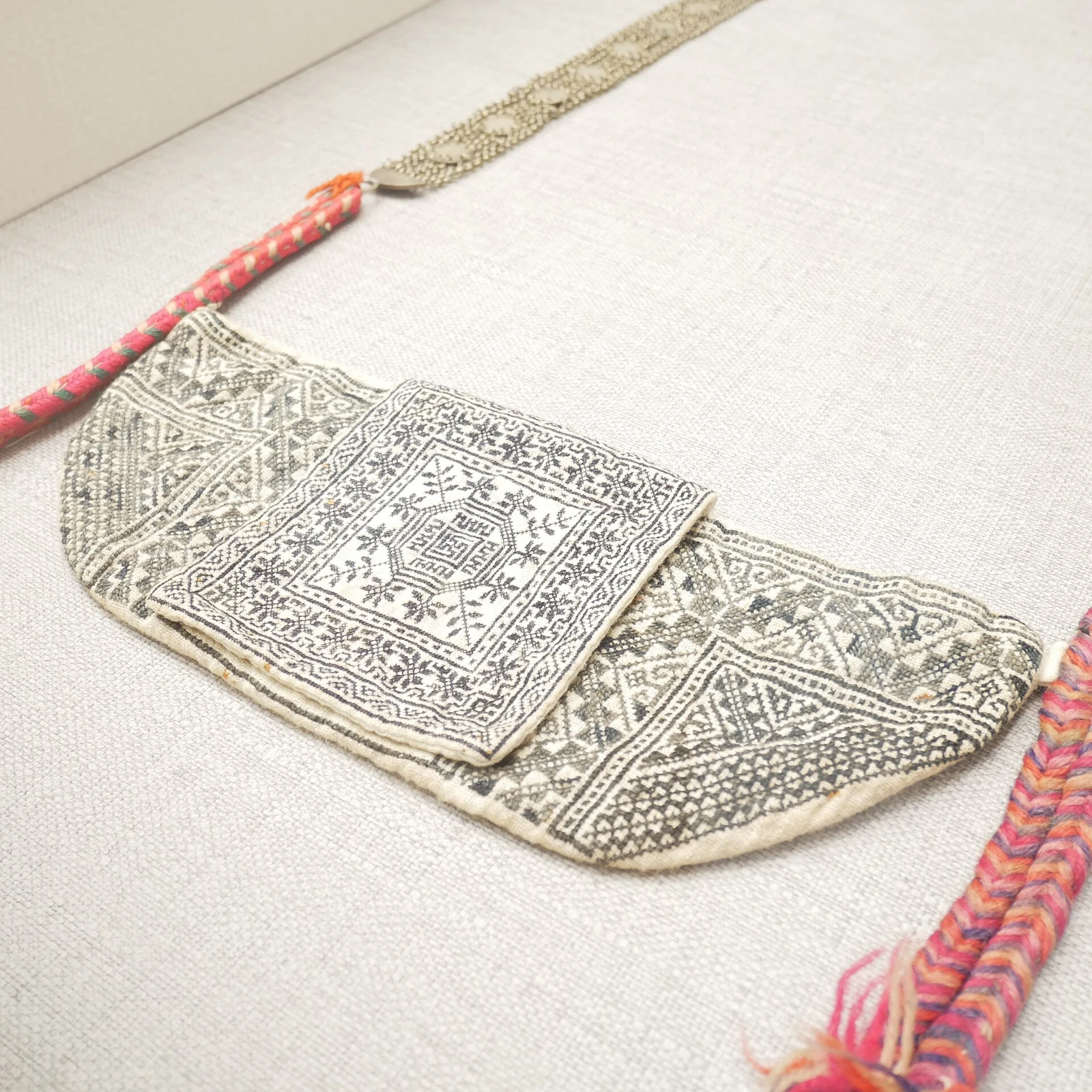
In 1980 workers building the rear section of Taitung railway station uncovered a graveyard of slate coffins. Some of the coffins still contained human remains. Alongside them were thousands of objects: jade ornaments, pottery, stone tools and weapons. Archaeologists eventually recorded more than 1,600 burials across the site, and around 20,000 artefacts. The settlement is the largest and most complete prehistoric site found in Taiwan, and it belongs to a culture that flourished on the terrace above the Beinan River several thousand years ago. Construction stopped, and the site was protected.
From the journal
The cemetery the railway revealed
In 1980, railway work in Taitung uncovered a prehistoric graveyard of slate coffins. The site is now a park and a museum.
In the same city · Taitung ↗The find
Jade and slate
The most striking objects from Beinan are the jade ornaments: rings, beads, tubular pieces and animal figures, some of them traded far beyond the site. The slate coffins were made from thin slabs of local stone, set into the ground in rows. The site also produced pottery with incised decoration and stone tools for farming and hunting. The artefacts show a settled community with craft specialists, long-distance exchange and complex burial rites. The earliest written record of the site was made by the Japanese anthropologist Torii Ryūzō, who photographed the standing stones in the early twentieth century.
The park and the museum
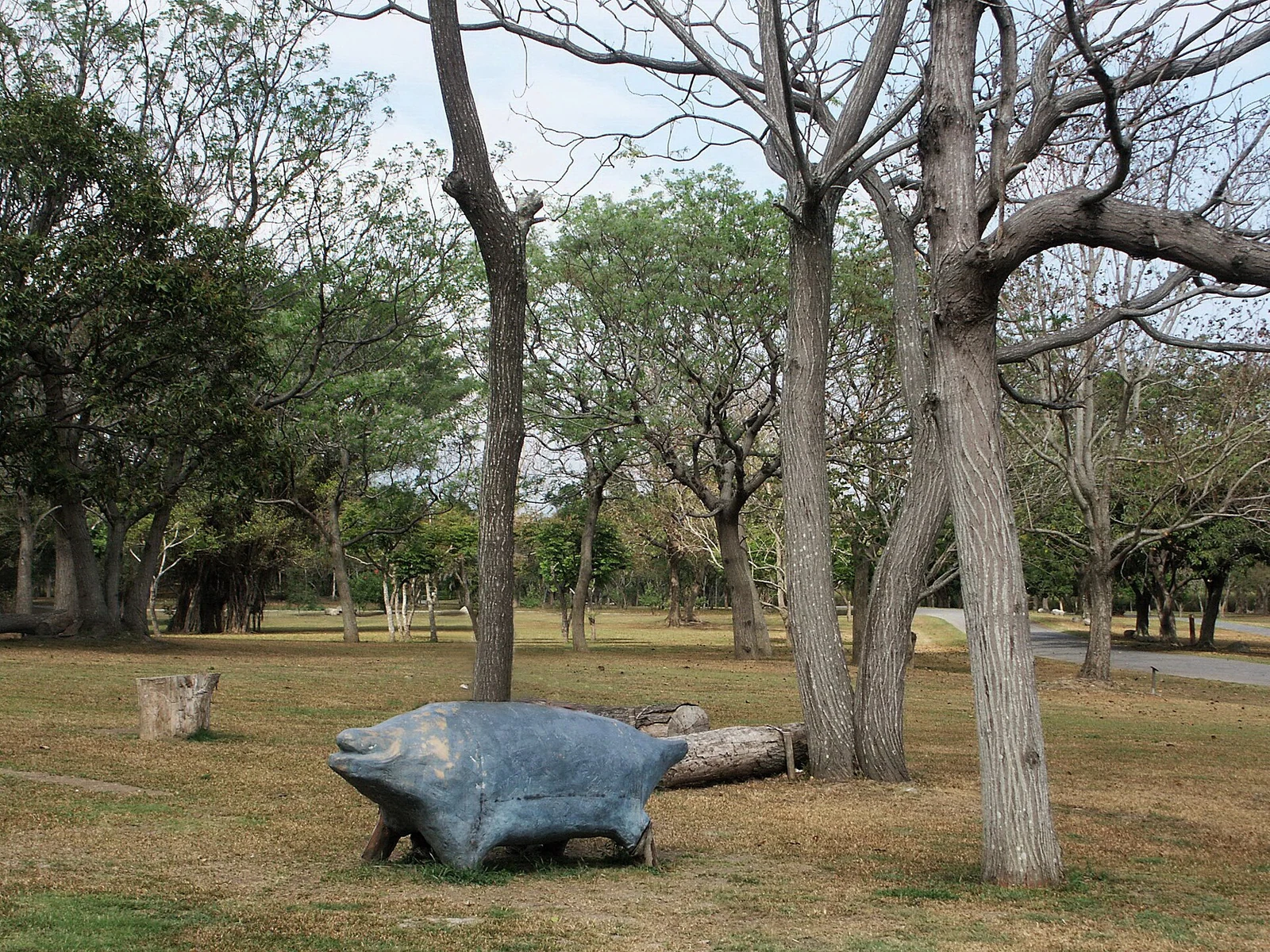
The archaeological site opened as a park in 1997, with a display of the standing stones and an outdoor area where visitors can see the scale of the settlement. The National Museum of Prehistory, a few kilometres away, opened in 2002 and holds many of the finds. The site and Mount Dulan are included together on Taiwan’s list of potential World Heritage sites. Taitung's later history is layered on top: the Puyuma and Amis villages, the Qing and Japanese administrations, and the railway that accidentally revealed the cemetery. A visit takes an hour and changes the way the city looks.