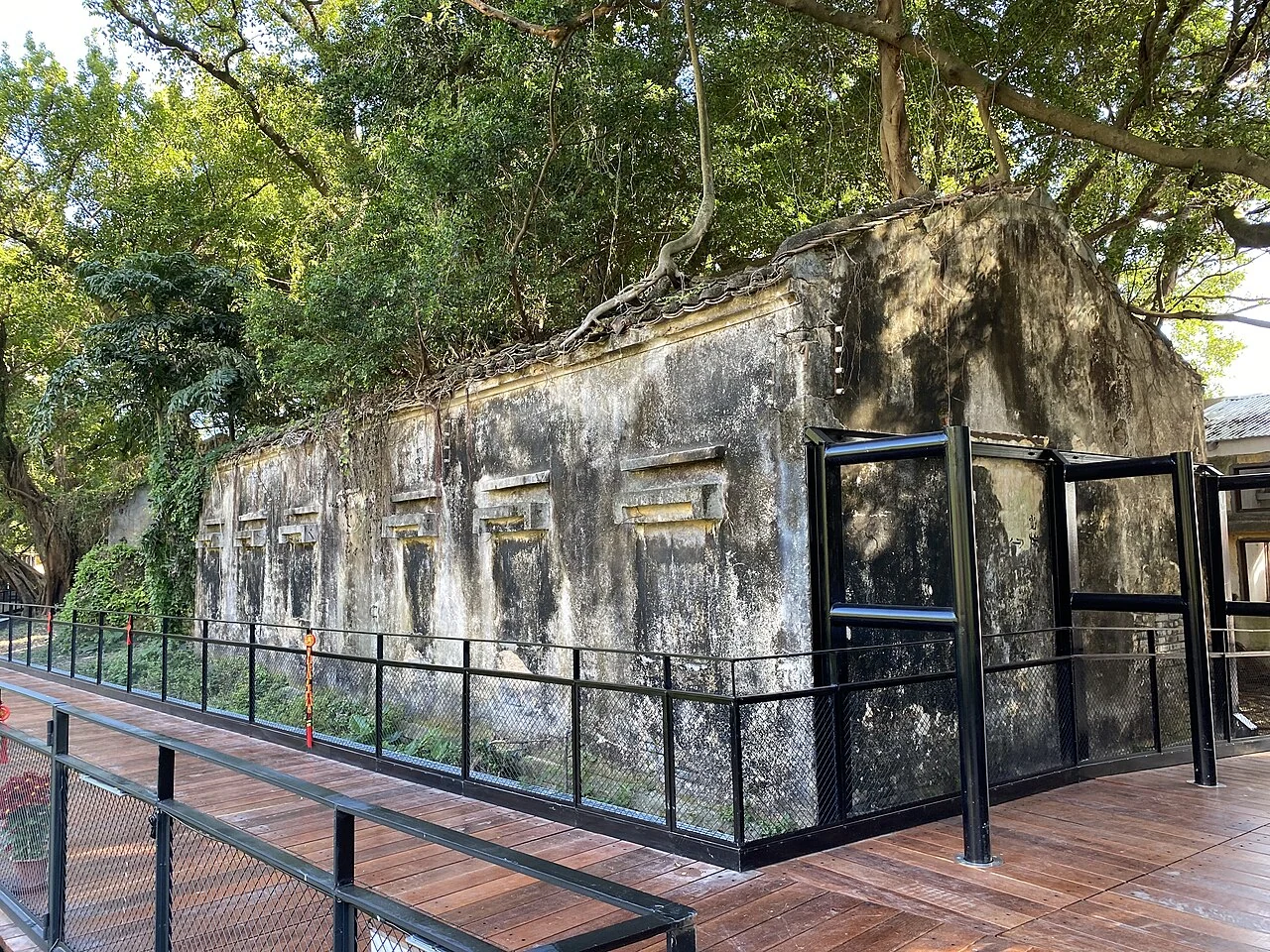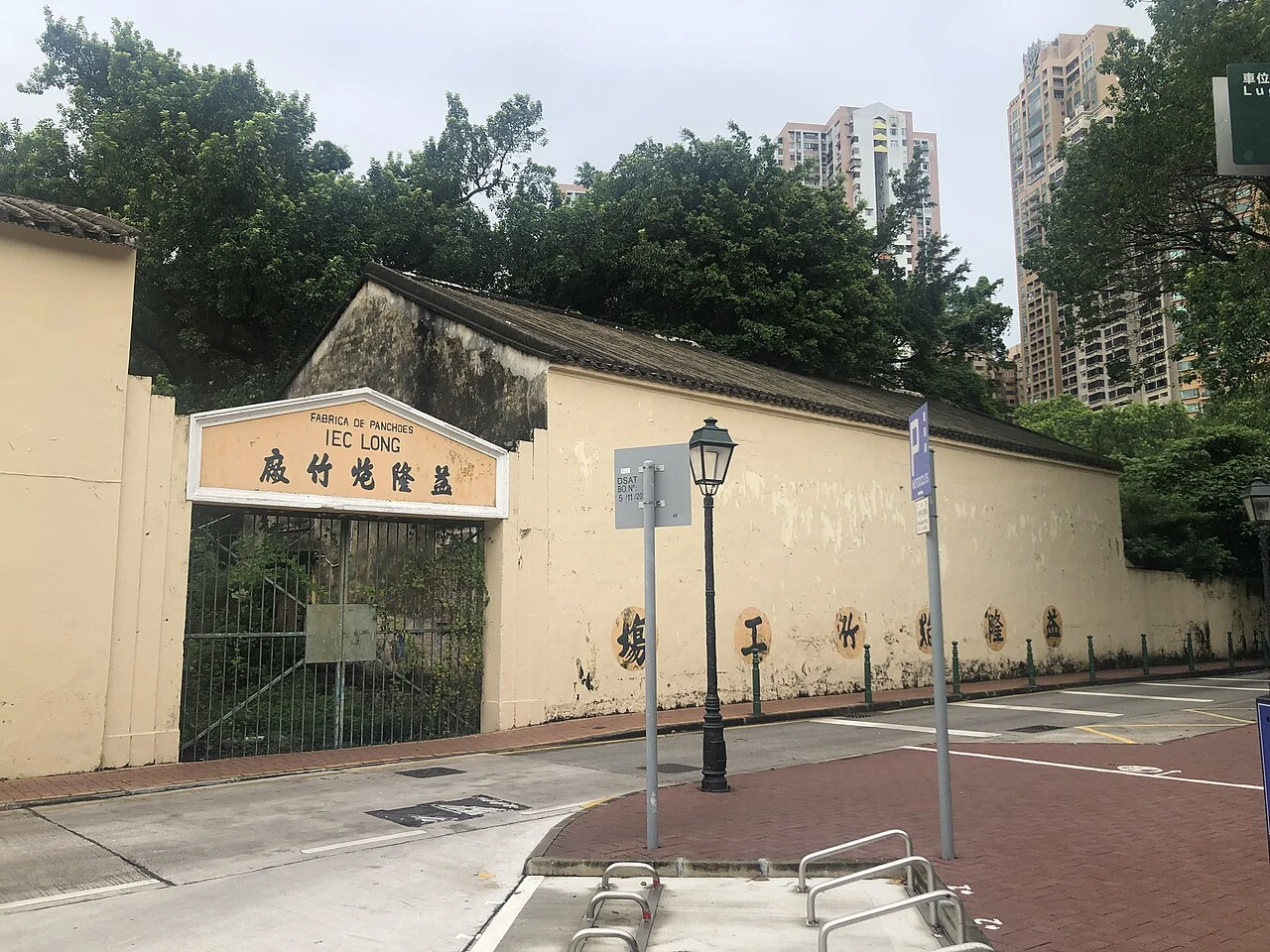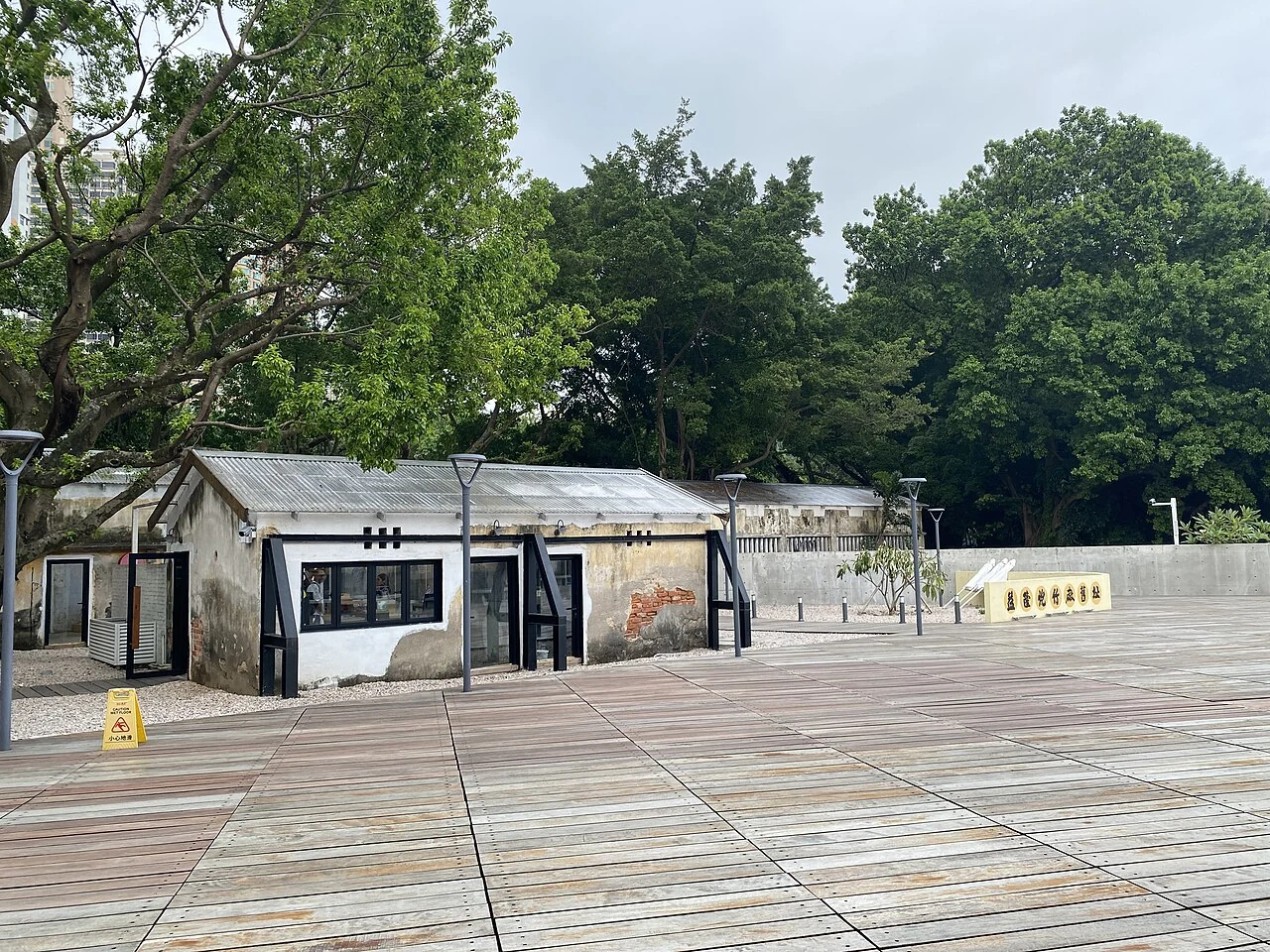
Firecracker production grew rapidly in Macau from the 1920s, and factories clustered on Taipa. At the trade’s height in the 1950s, 1960s and 1970s, many Taipa residents held jobs connected with production. Firecrackers were one of Macau’s three major handicraft industries and an important export, so the factory economy reached beyond the walls of any one compound.
The industry joined household earnings to trade moving out of Macau. In Taipa, the work became part of the rhythm of community life: residents knew the factories as employers as well as landmarks. This helps explain why the decline of production is remembered not only as the closing of workshops, but as a change in how island families made a living.