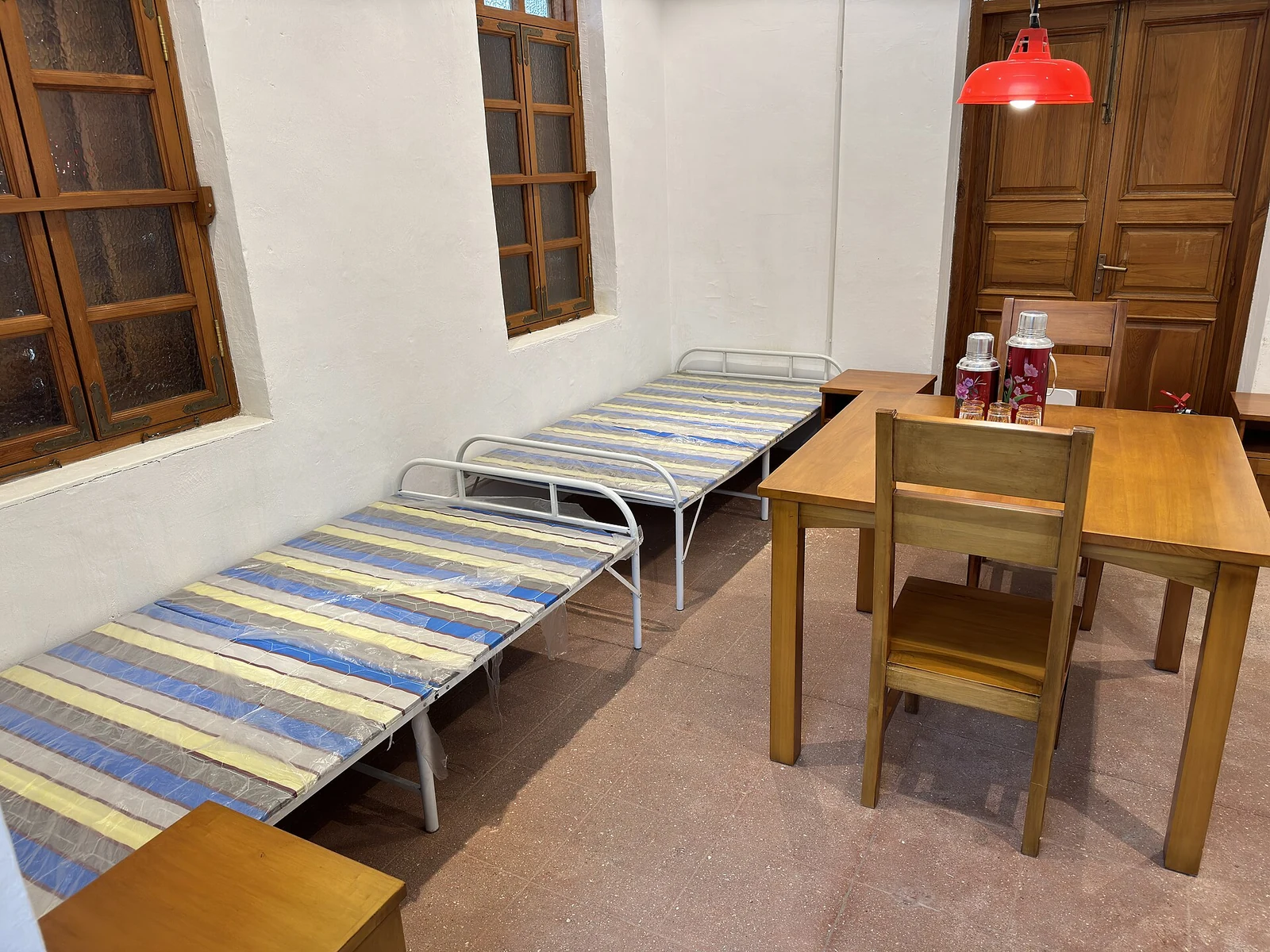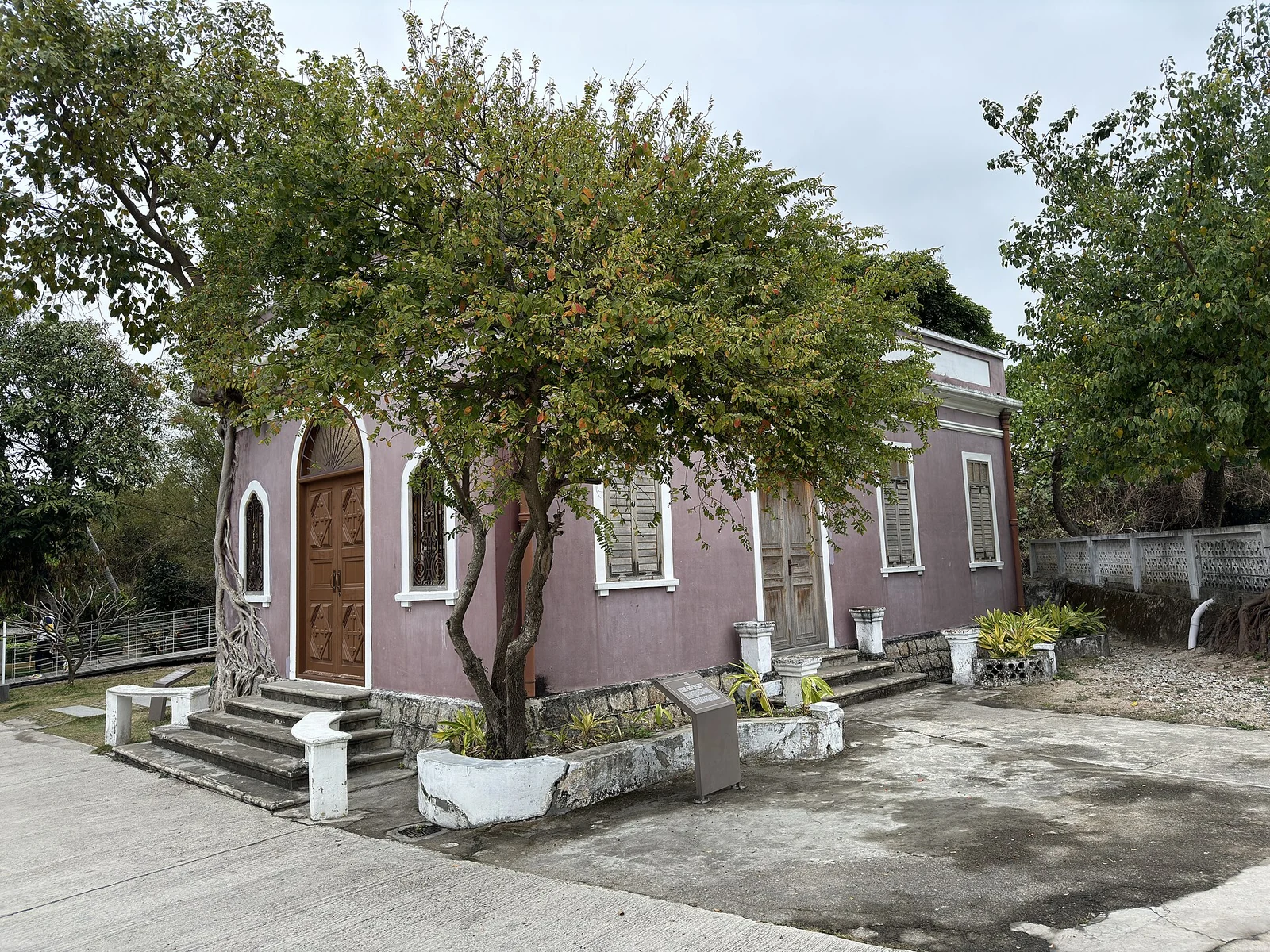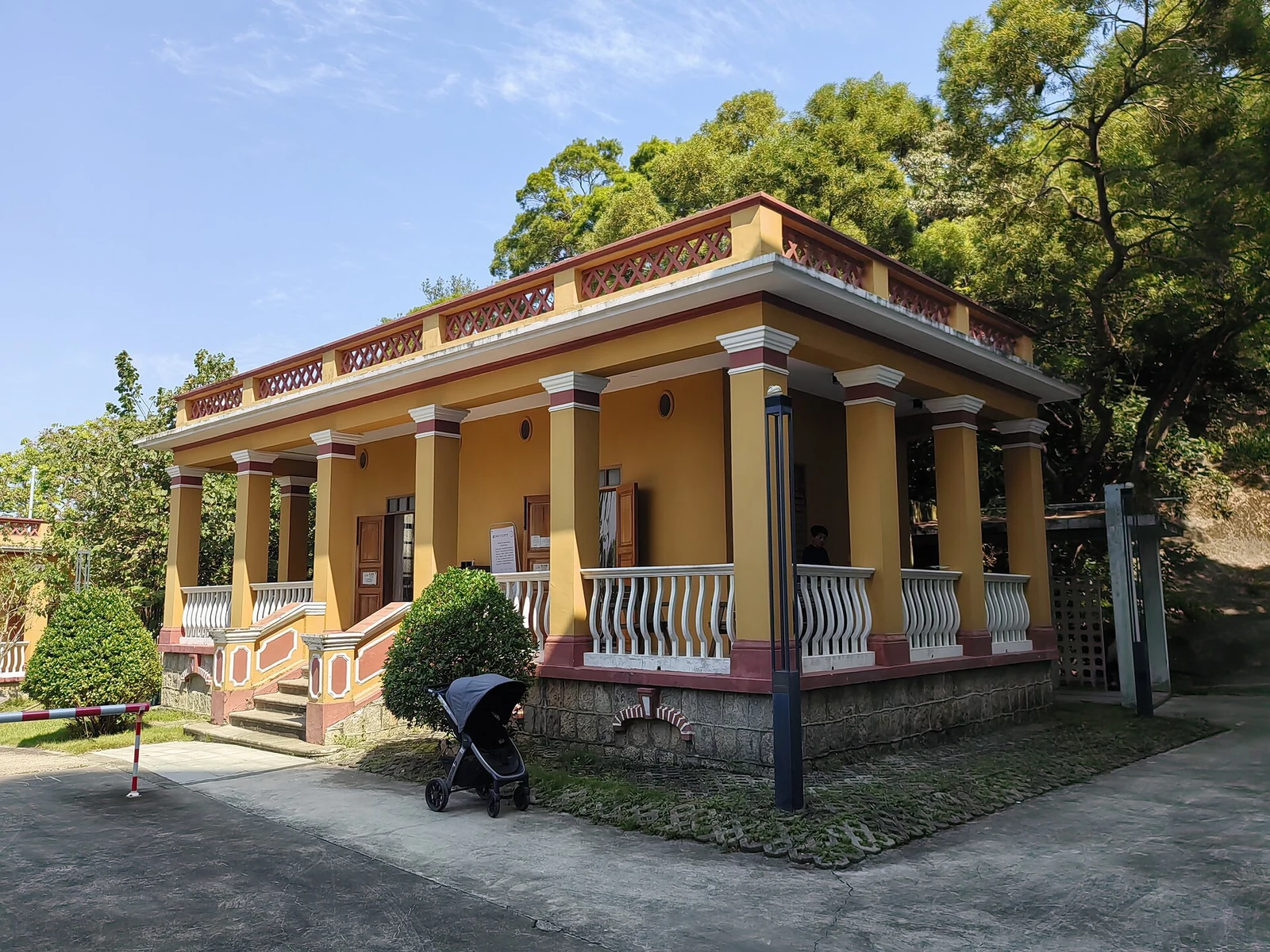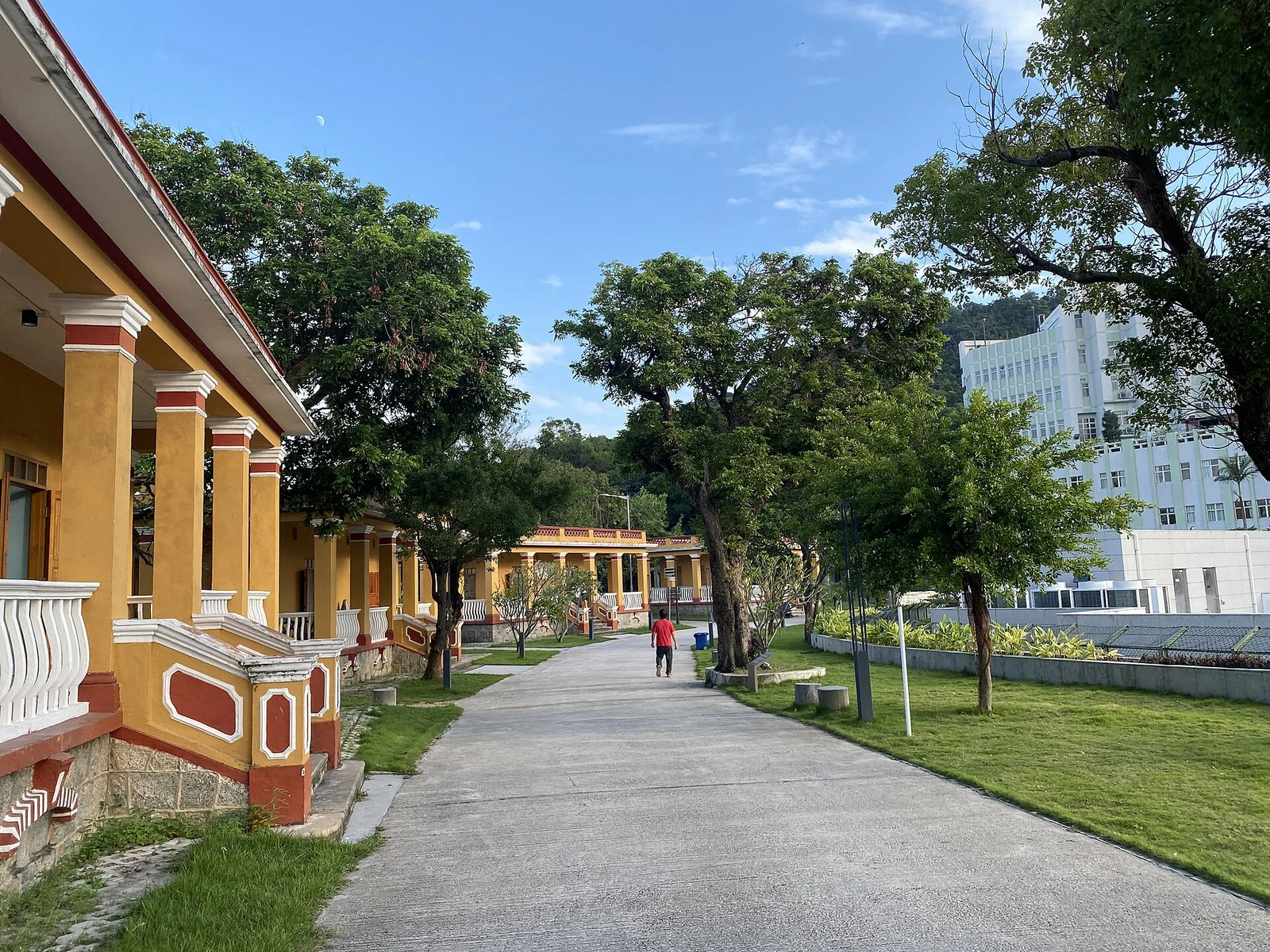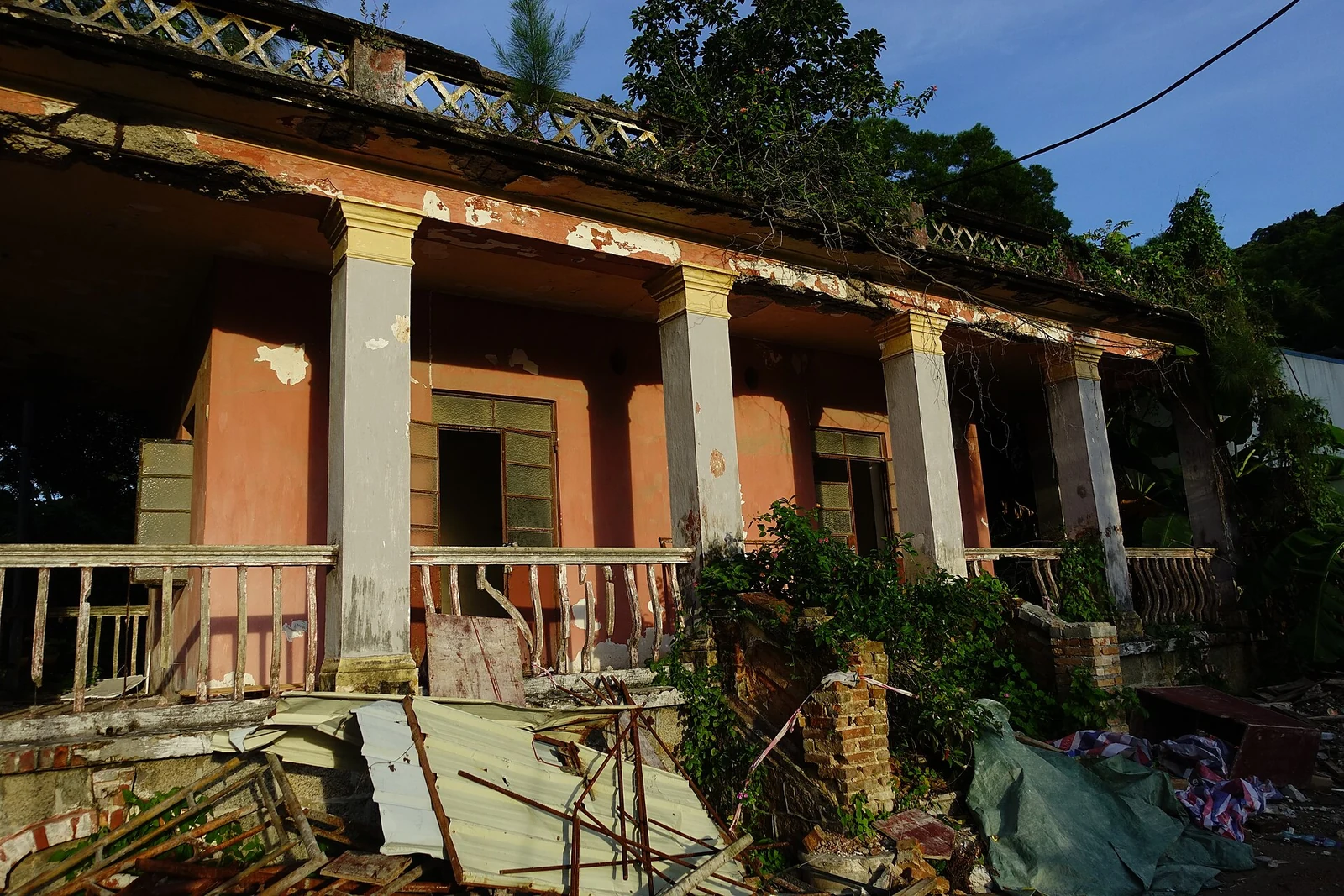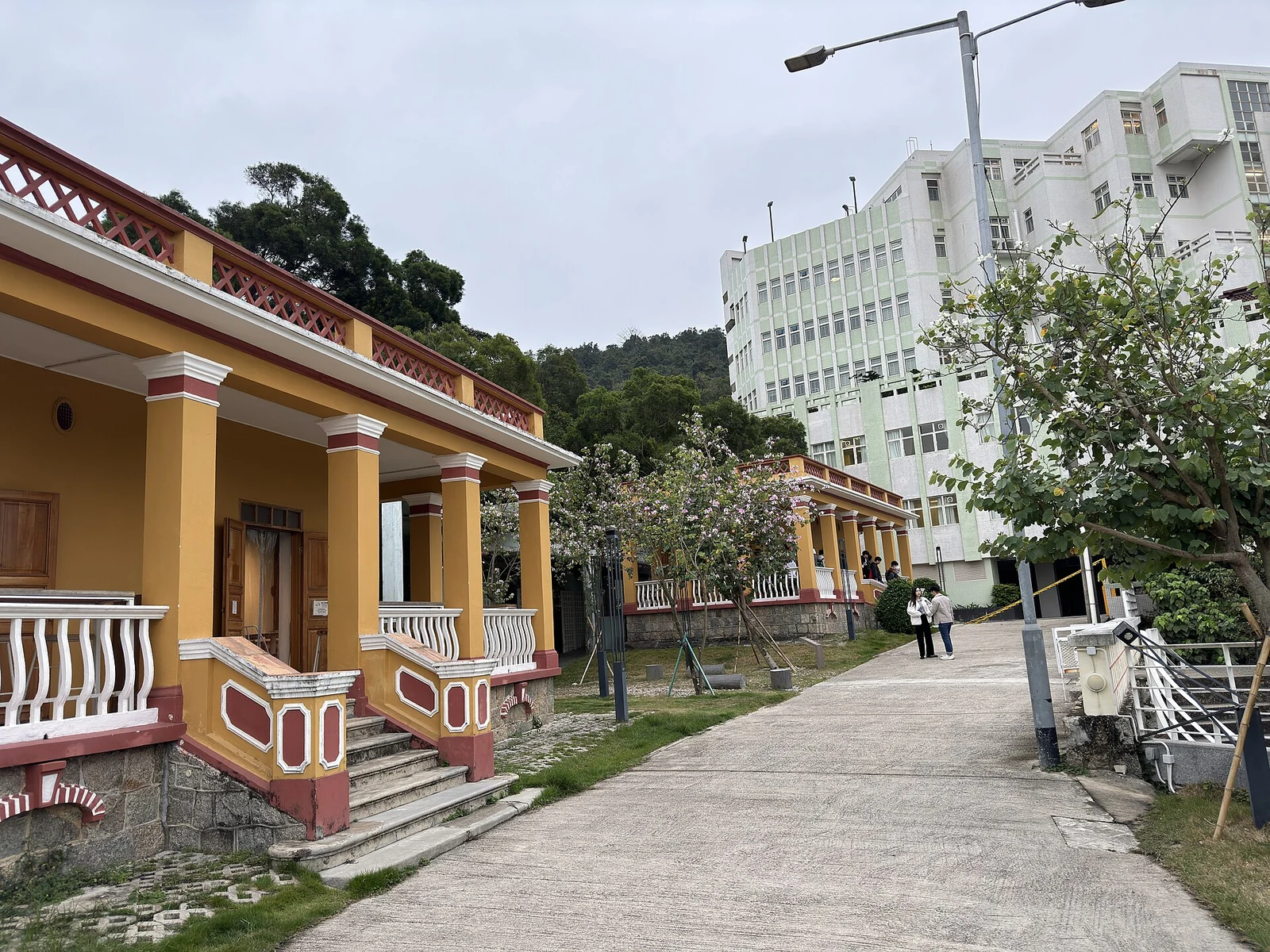
Macau established a Hansen’s disease care institution at Ká-Hó in 1885. The remote hillside settlement began with only one or two simple brick houses. In the 1930s, the site was rebuilt and expanded to five residences and a chapel. The buildings were arranged for people who would live there over long periods, not for a brief hospital visit.
Ká-Hó became Macau’s surviving former institutional settlement of this kind. Its history is a history of residents and care, and it should not be reduced to the disease alone. The rows of homes, chapel and later community buildings reveal how an isolated institution grew into a settlement with its own places for worship, daily life and recreation.