From the journal

Lilau: A Spring That Shaped a Neighbourhood

The name Lilau means mountain spring in Portuguese; its water source and position near the Inner Harbour helped shape an early settlement.

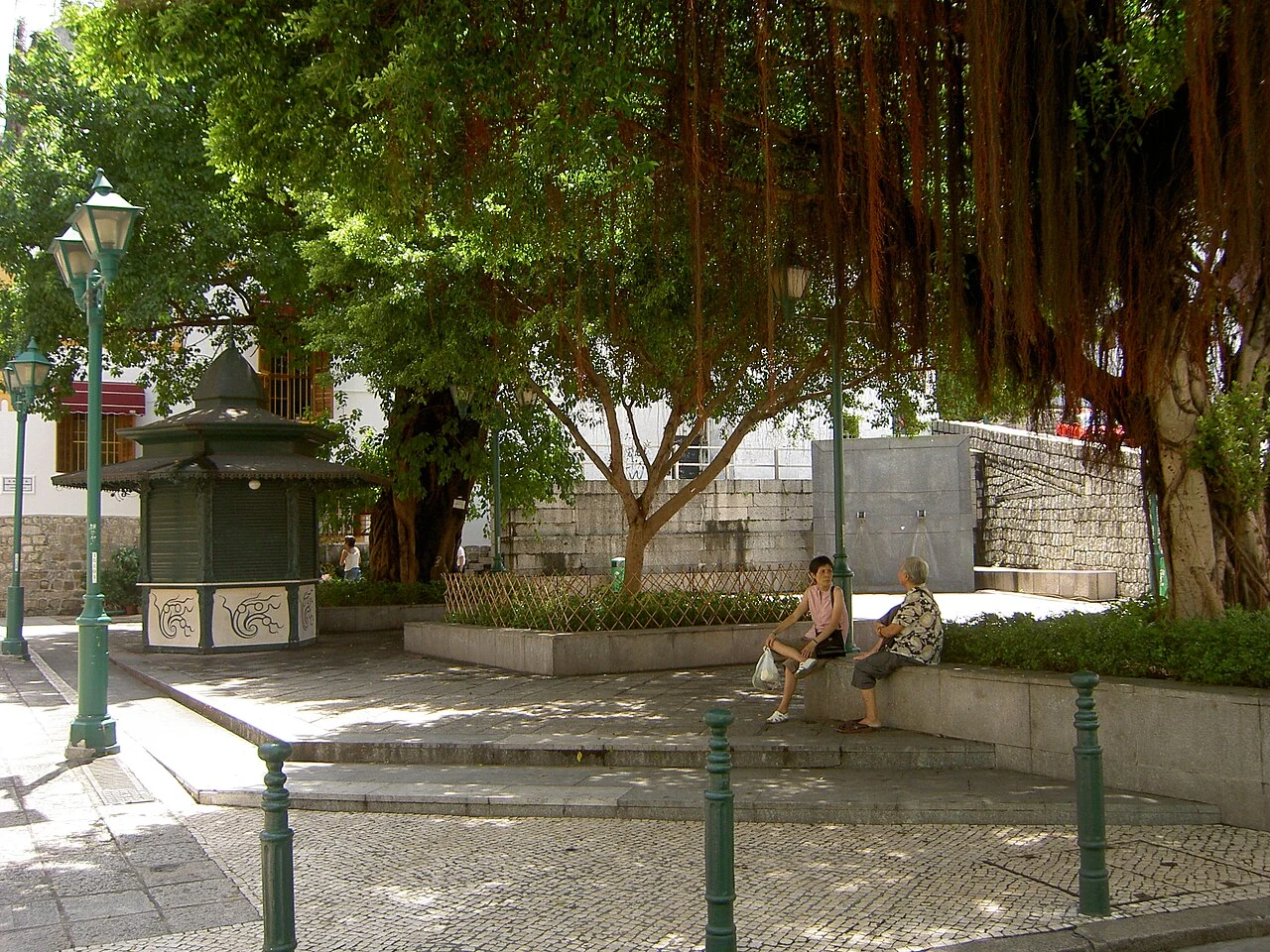
Trees and a small public space at Lilau Square.

A place named for a spring

Lilau means “mountain spring” in Portuguese. The well was once one of Macao’s main water sources, and its position near the Inner Harbour made it part of an early Portuguese settlement. A folk verse says that anyone who drinks its water will not forget Macao: they will either make a home there or leave without returning.

The saying gives the spring a place in local memory. Before piped water reached homes, a dependable source shaped where people gathered and settled. At Lilau, the well and the nearby harbor meet within a small historic neighborhood.
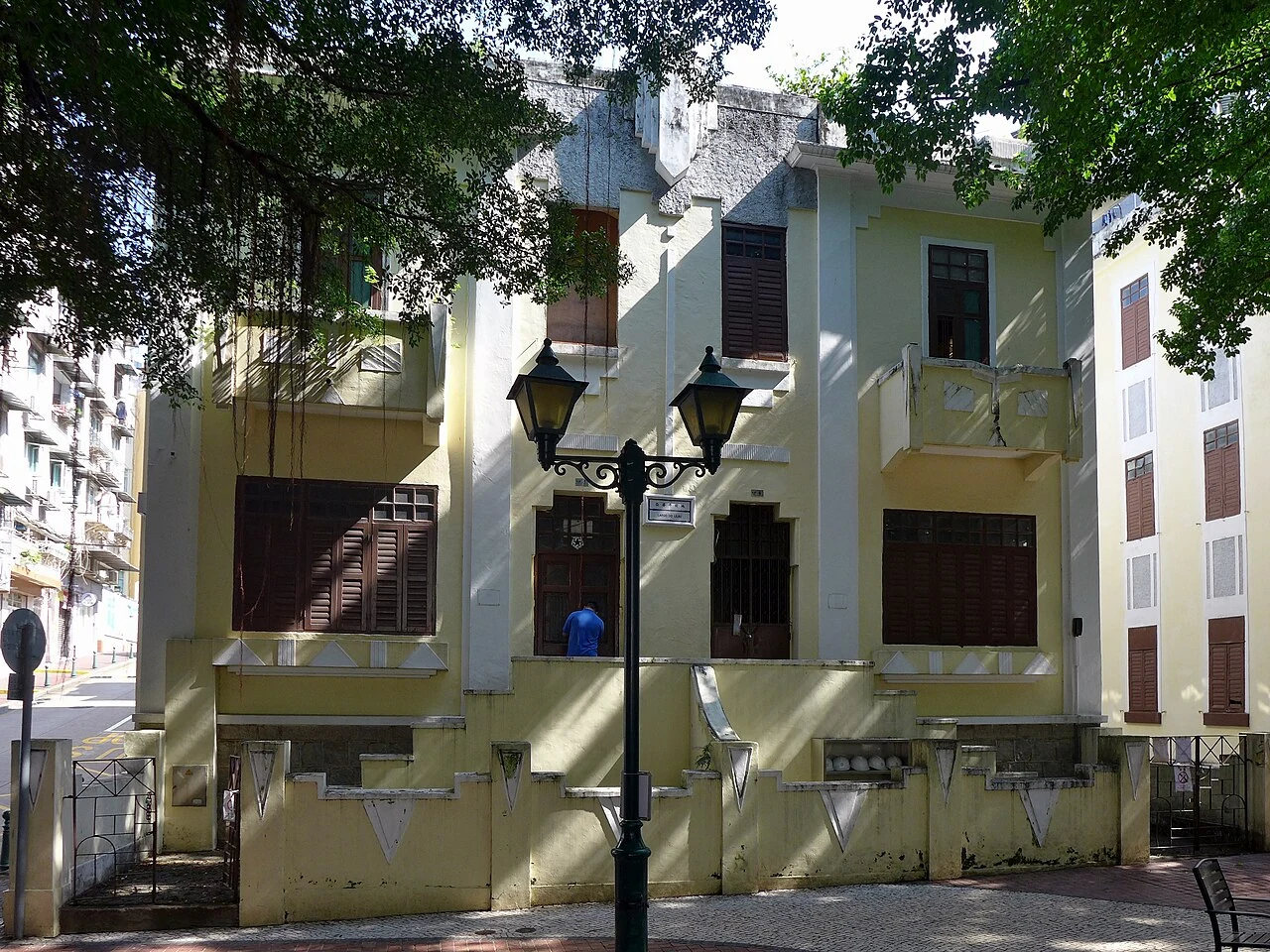
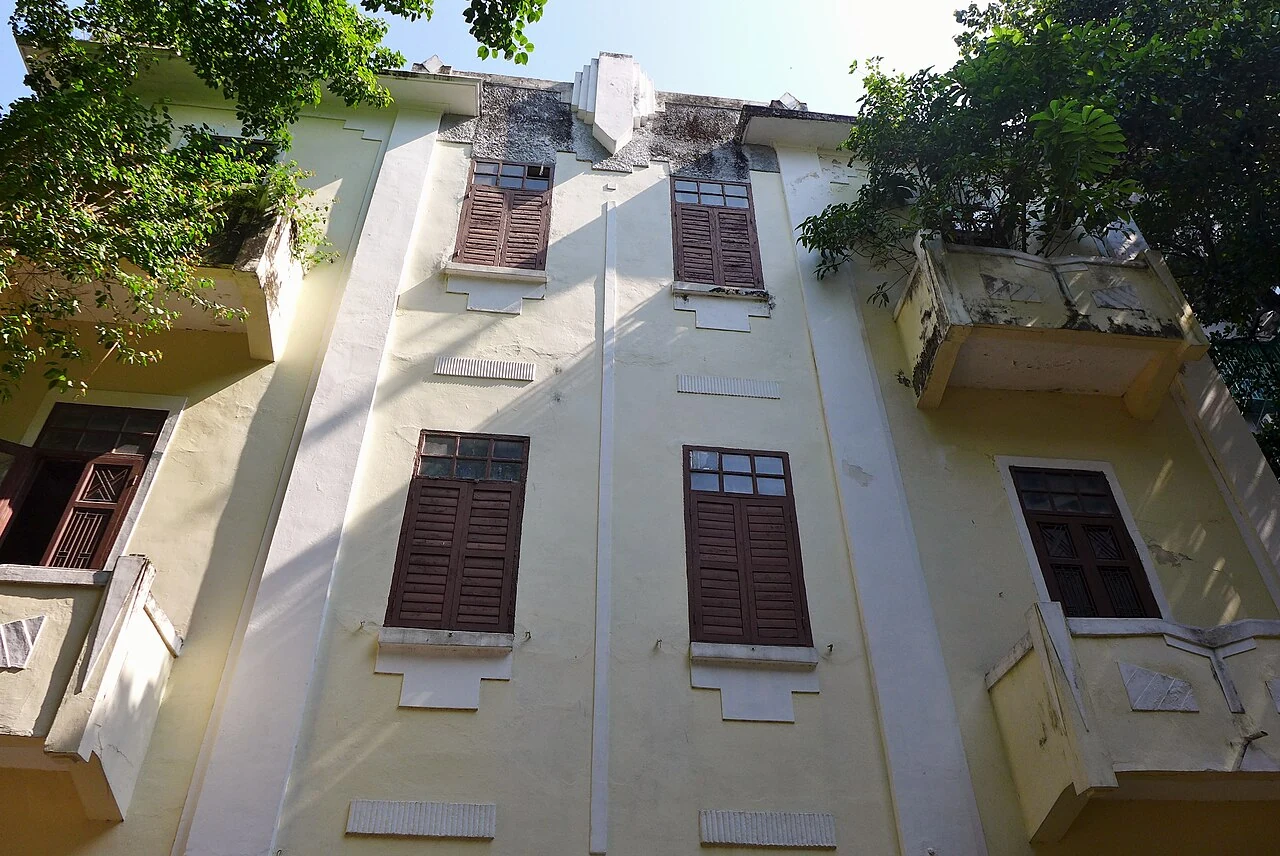
A yellow residential façade beside Lilau Square.
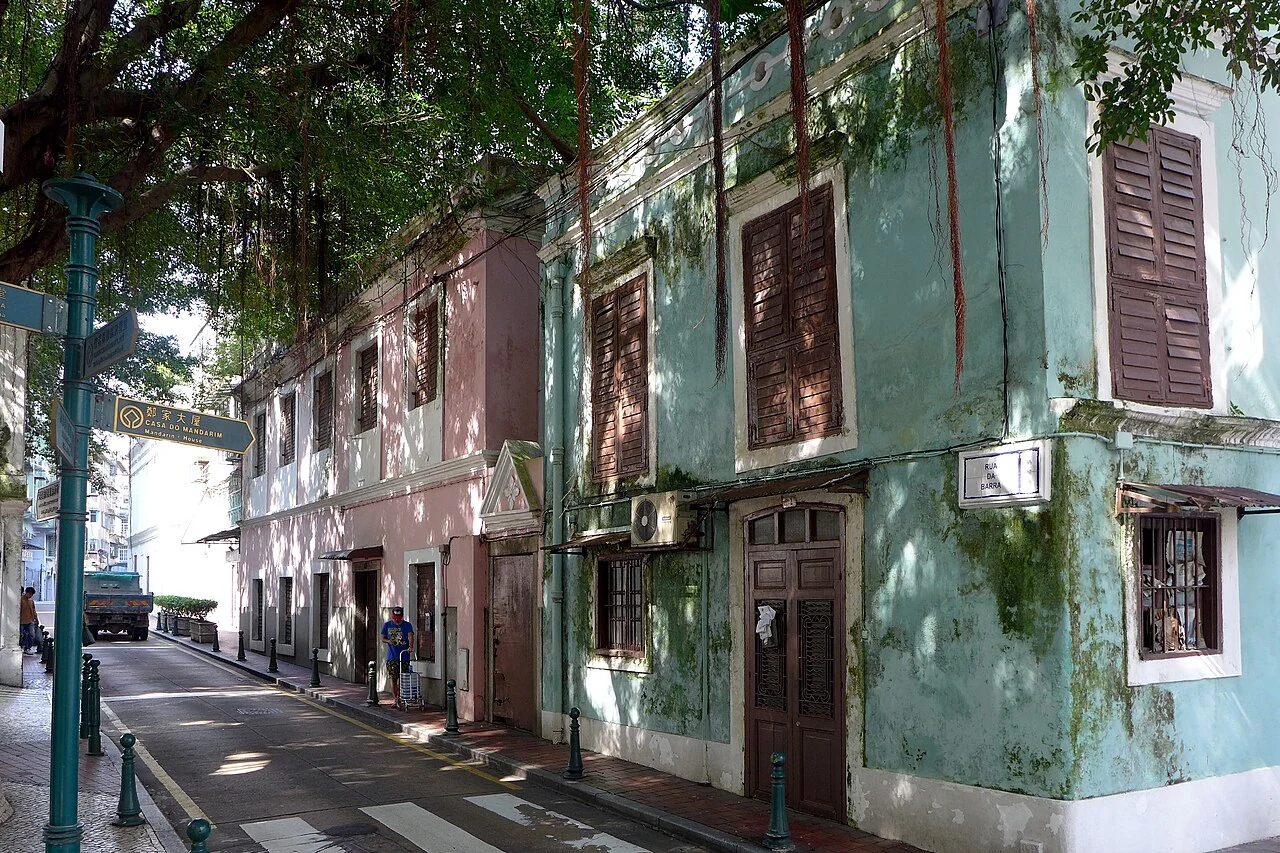
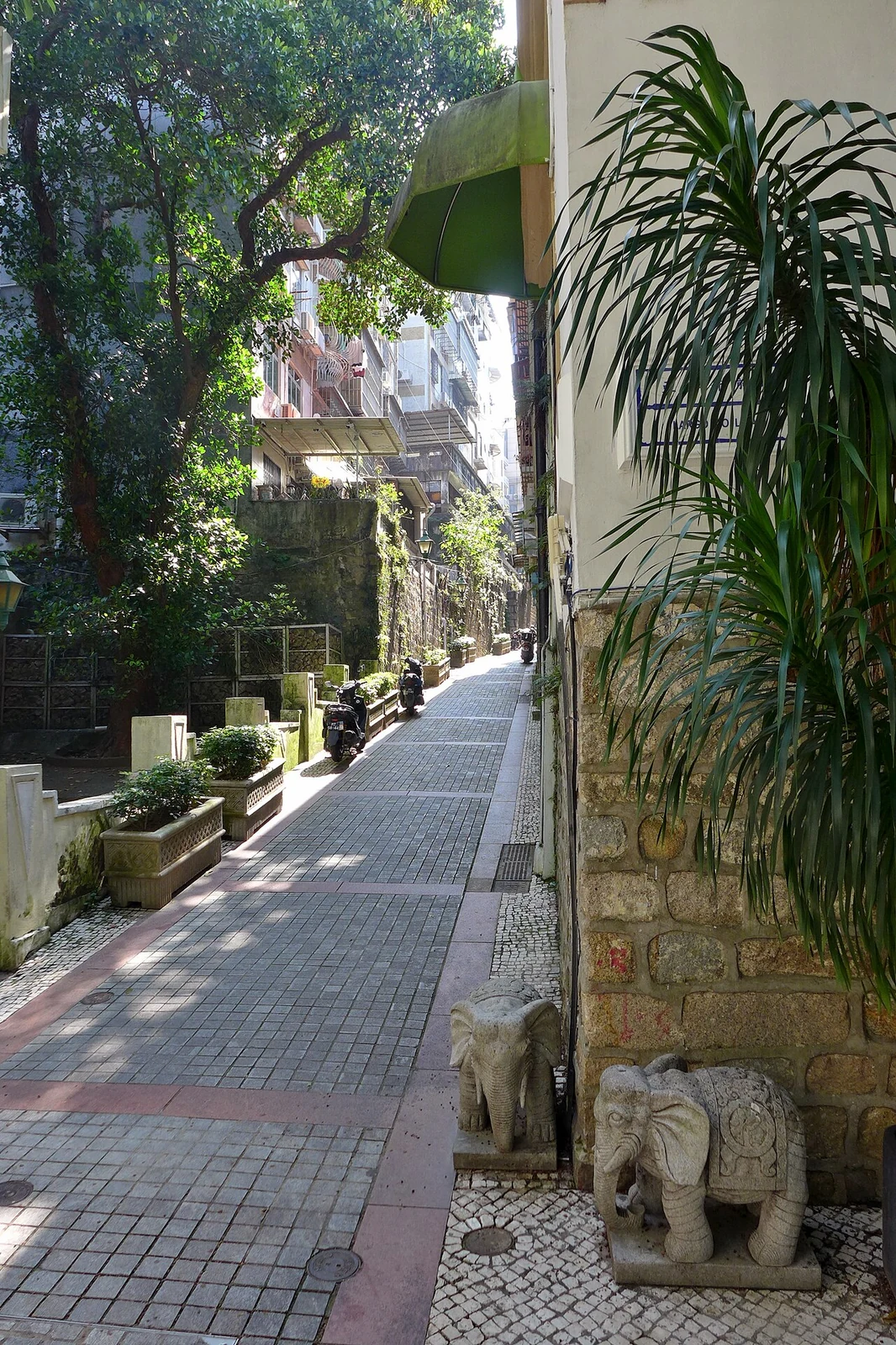
A shaded lane in the Lilau neighbourhood.
A yellow residential façade beside Lilau Square.
A shaded lane in the Lilau neighbourhood.

A settlement near the Inner Harbour

The heritage record identifies Lilau as one of the earliest Portuguese settlements in Macao. This places the neighborhood within a longer history of movement through the port, but the spring gives the story human scale: a dependable source near the harbor could anchor ordinary routines as well as commercial connections.

The surrounding buildings show later layers. The area includes low Portuguese houses along Longtou Lane, built to follow the slope, with white walls, green shutters and red-tile roofs. Nearby apartments from the early twentieth century carry Art Deco lines. These forms do not all belong to one moment: the spring supplies an older geographic thread, while houses and apartments show urban life changing around it.

The small square and its changing edges

Low Portuguese houses follow the slope along Longtou Lane, with white walls, green shutters and red-tile roofs. Nearby early twentieth-century apartment buildings carry Art Deco details. The different forms of housing remain close together around Lilau Square.

The well recalls the area’s earlier role as a water source and settlement. Later houses and apartments show how the neighborhood continued to grow around that older center.

Continue exploring · Macao ↗
Photo credits and rights
  1. Netsonfong / CC BY-SA 3.0 · CC BY-SA 3.0 Photo source ↗ Rights information ↗
  2. A yellow residential façade beside Lilau Square.Bahnfrend / CC BY-SA 4.0 · CC BY-SA 4.0 Photo source ↗ Rights information ↗
  3. A shaded lane in the Lilau neighbourhood.Bahnfrend / CC BY-SA 4.0 · CC BY-SA 4.0 Photo source ↗ Rights information ↗
  4. A yellow residential façade beside Lilau Square.Bahnfrend / CC BY-SA 4.0 · CC BY-SA 4.0 Photo source ↗ Rights information ↗
  5. A shaded lane in the Lilau neighbourhood.Bahnfrend / CC BY-SA 4.0 · CC BY-SA 4.0 Photo source ↗ Rights information ↗