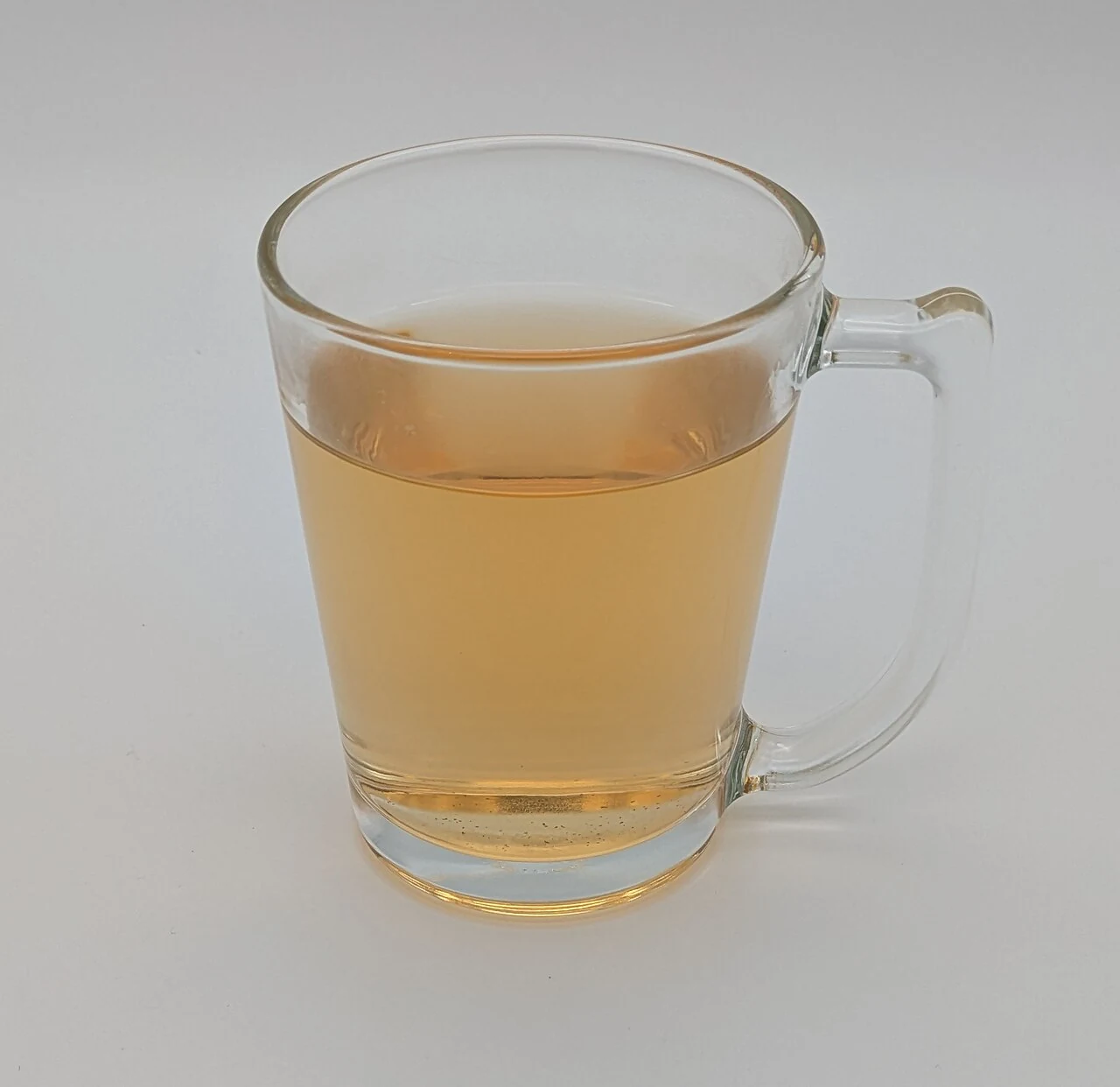
A tea named for its landscape
Phoenix Dancong is tied to Phoenix Mountain in Chaozhou’s Chao’an District, where steep terrain and a highland environment frame tea growing. Local government accounts describe the mountain range as a production area for the tea and connect it with a broader landscape of villages, forest and streams. This setting matters because the tea is not just a product label attached to a cup; it points back to a specific upland geography and the people who cultivate it.
A protected-area nature education account from Chaozhou places Dancong among the subjects used to explain the local environment. It is a useful reminder that tea growing and landscape management meet in the same place. Villages, forest and streams share this upland landscape. Tea cultivation is one part of a living mountain environment, shaped by altitude, weather and the work of local growers.
From leaf to a finished tea
The path from leaf to cup includes several kinds of work. Tea is picked, processed, shaped and finished before it reaches a brewer; later steps such as roasting and storage affect the character of the finished product. Chaozhou’s local standard for aged Phoenix Dancong sets a minimum five-year storage period after reprocessing. That long finish extends the work beyond harvest: leaf selection, processing, roasting and storage all shape what eventually reaches the cup.
No single process defines every Phoenix Dancong. Each stage—from picking and processing to roasting and storage—offers a different way for growers and makers to shape the tea. The mountain supplies the leaf; craft carries it from harvest toward the brewing table.
Mountain tea meets the tea table
Phoenix Dancong also enters the larger social world of Chaozhou gongfu tea. The national heritage description of the tea practice centers oolong and a sequence of heating, warming vessels, brewing and sharing. The mountain and the table therefore form two connected stories: one follows cultivation and processing, the other follows the gestures through which tea is served. The two meet at the table, though a gongfu session can feature many kinds of tea and each Dancong can be prepared in different ways.
In the city’s public cultural programming, tea demonstrations make this connection visible by explaining tools and brewing alongside local tea culture. The broader appeal lies in the full route from place to practice. Phoenix Dancong carries the mountain into the city’s tea culture. Its leaves begin in a named production landscape, pass through choices in cultivation and processing, and arrive at tables where tea is shared. Phoenix Mountain brings agriculture, ecology, craft and social life into one story.