From the journal

Nearly one hundred records

In 2021, the Cultural Affairs Bureau opened Hopeful Place, an exhibition on Macau’s former Hansen’s disease institutions, at Nossa Senhora Village.

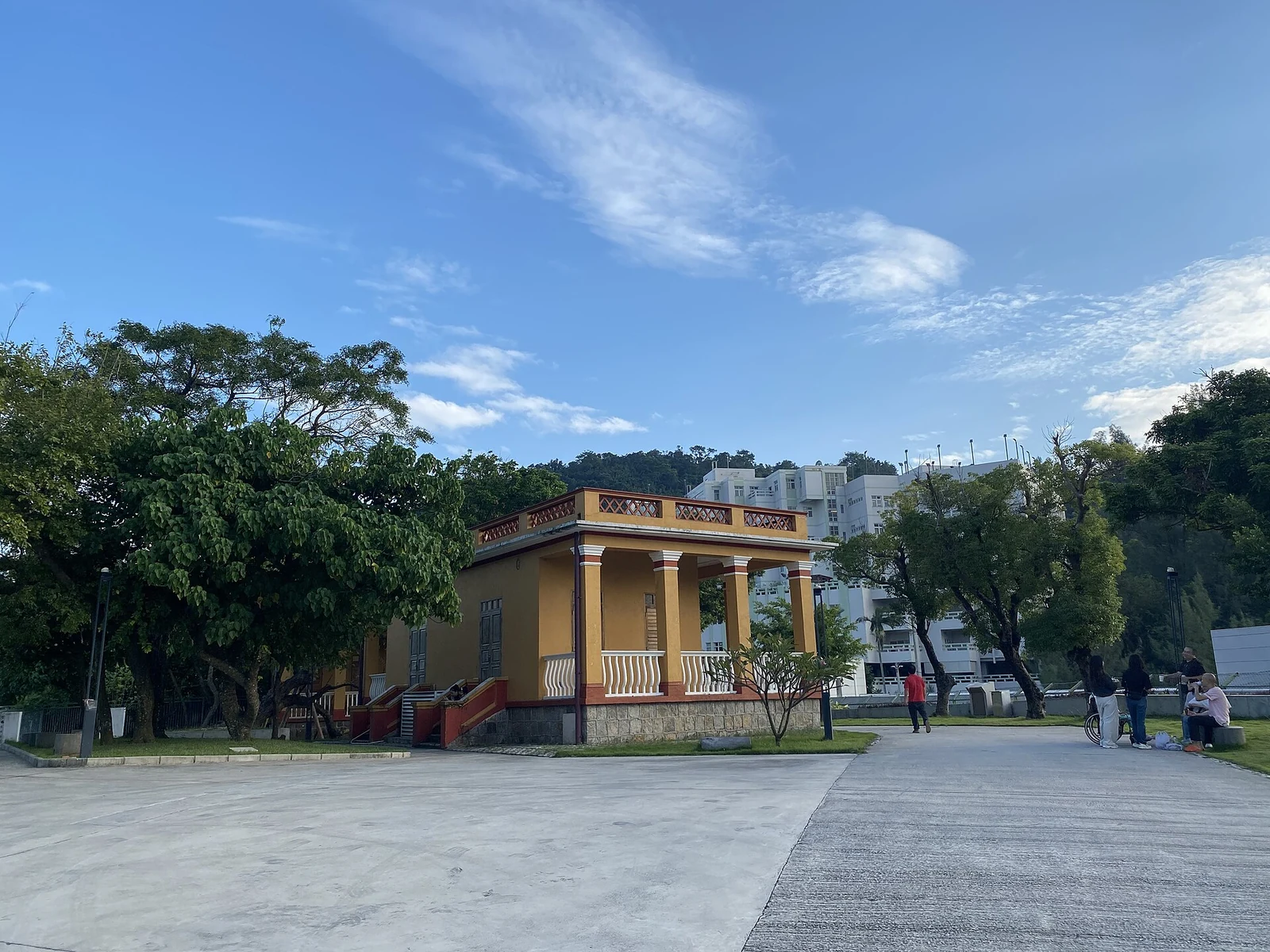
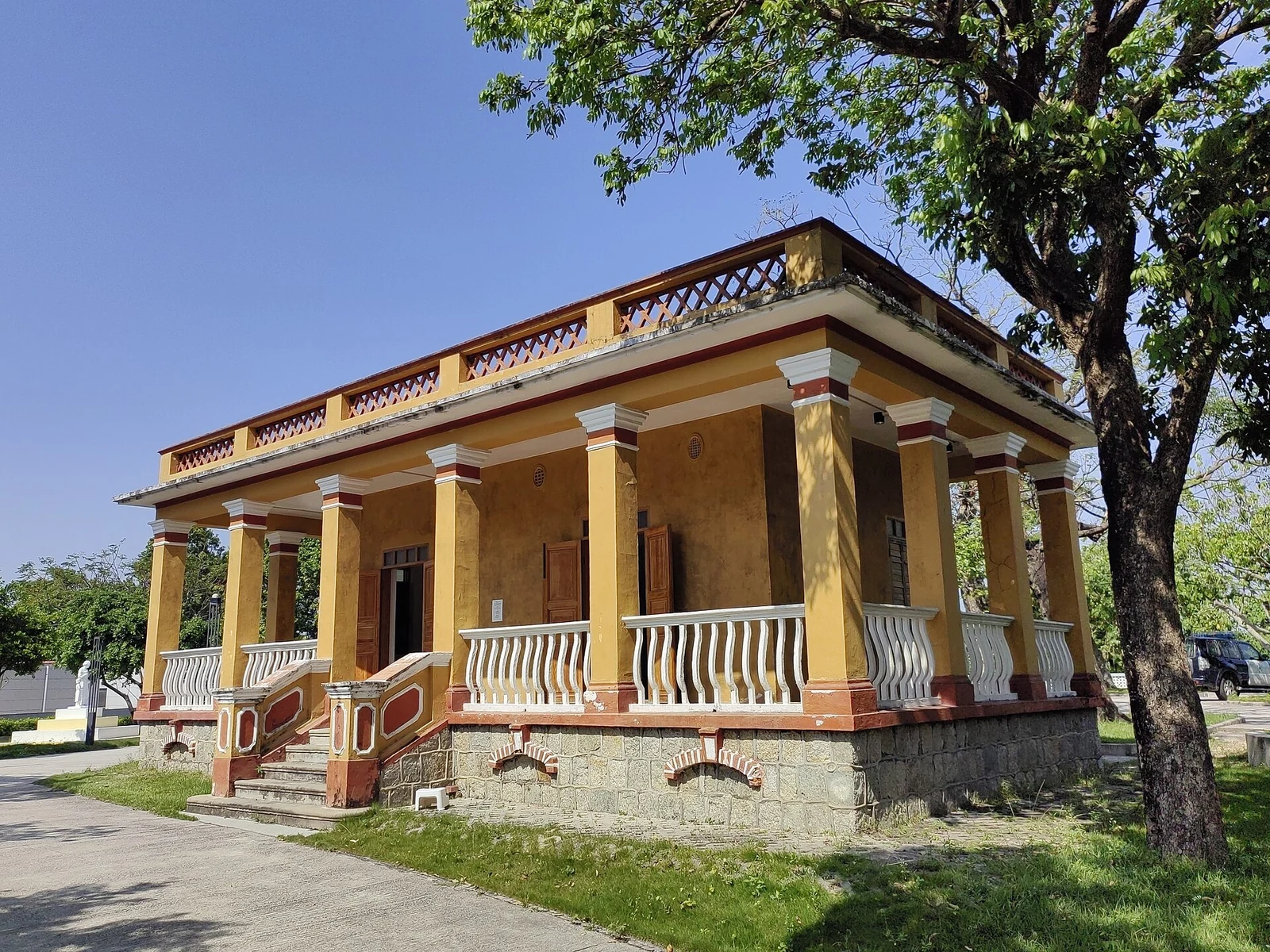
Former residential buildings at Our Lady Village of Ká Hó.

Nearly one hundred records

In 2021, the Cultural Affairs Bureau opened Hopeful Place, an exhibition on Macau’s former Hansen’s disease institutions, at Nossa Senhora Village. It brought together nearly one hundred selected records and related materials from the Macao Archives. The exhibition’s central line was the development of medical facilities, using documents to trace how care for Hansen’s disease changed in Macau.

At Ká-Hó, the display occupied the former activity centre and an adjoining small house. The exhibition was also presented at the Macao Archives in a separate, time-limited display through May 2022. Those two settings gave the same history different contexts: one within the former settlement, the other inside the city’s archival institution.
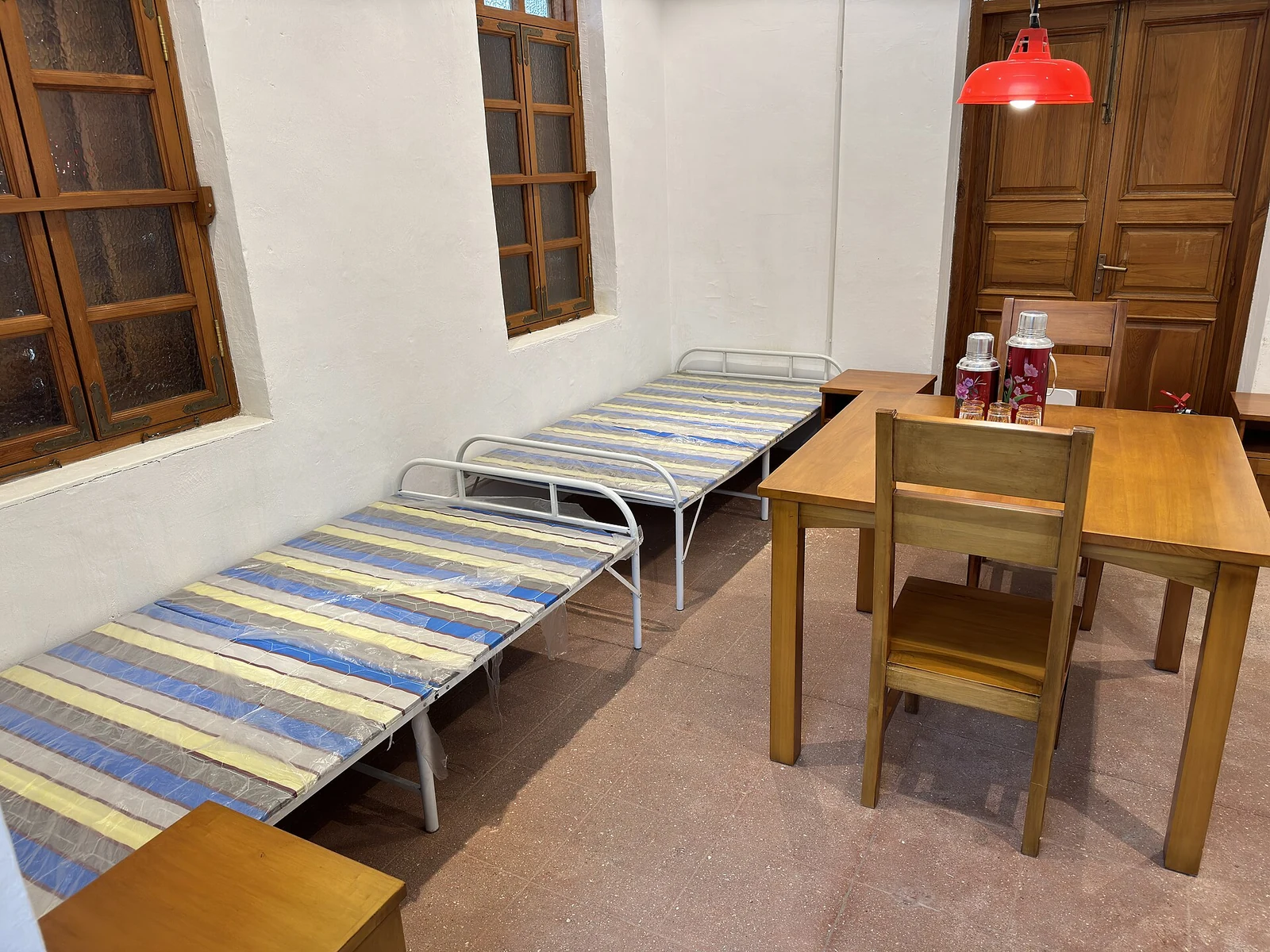
A preserved room and simple furnishings in the former Ká Hó settlement.
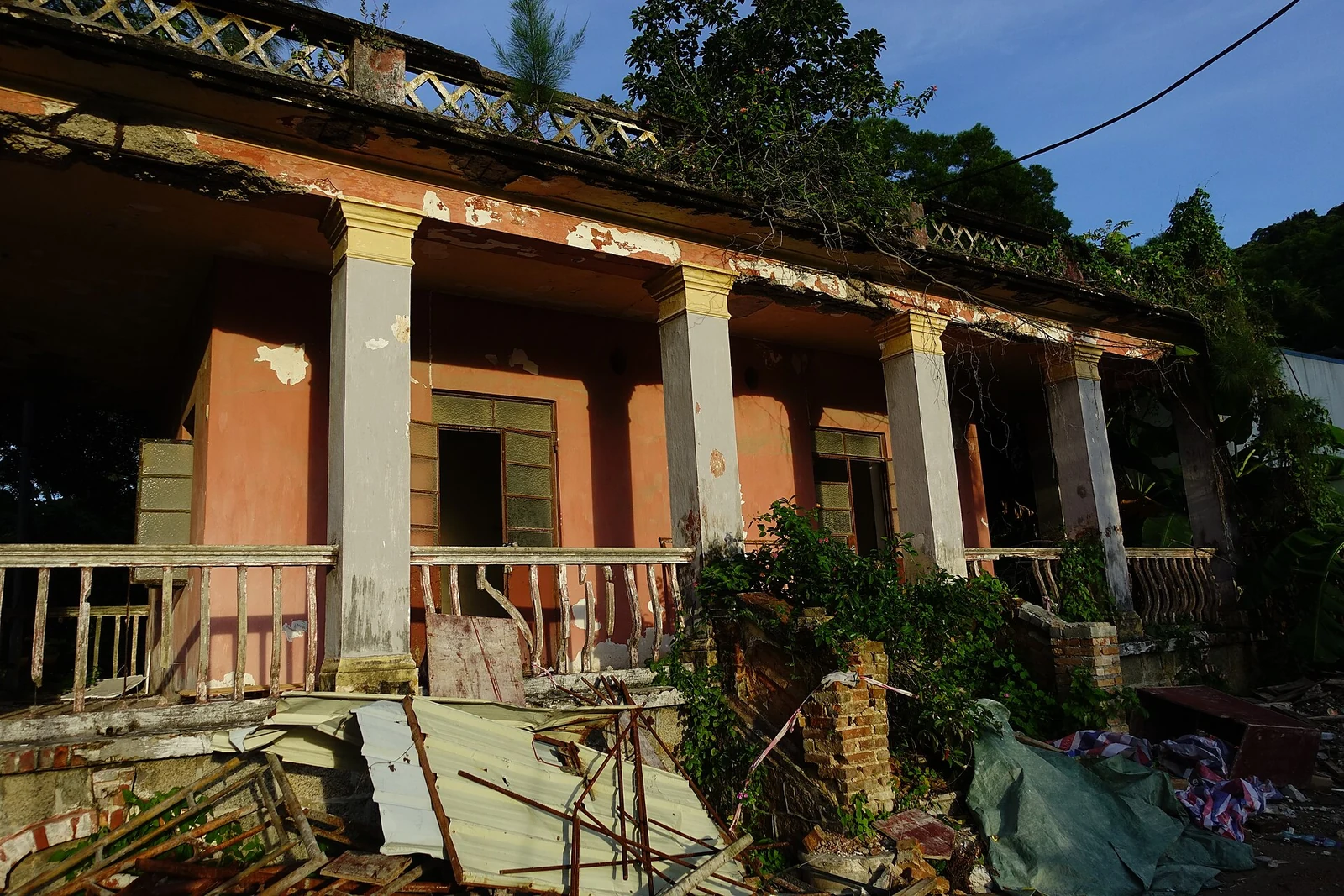
A former Ká Hó settlement building in an unrestored condition.

An archive organized around places

The exhibition followed changes in the institution through its buildings. The settlement began in 1885 with one or two brick houses, expanded in the 1930s to five residences and a chapel, and added a new church in 1966. The old chapel became a recreation room. In 1992, a women’s dormitory was converted into an elder-care home for recovered residents, marking the end of the site’s medical role.

Documents and related materials allowed visitors to see that chronology as more than a sequence of dates. Each change was attached to an actual building and a changing use: residence, worship, recreation or elder care. The archive exhibition made the former settlement’s built environment part of the historical narrative.

Former residential buildings at Our Lady Village of Ká Hó.

Restoration and the life of the records

The buildings had stood vacant and deteriorated before the Cultural Affairs Bureau began phased restoration in 2016. Parts of Nossa Senhora Village reopened in 2019. The exhibition opened two years later, connecting repaired structures with archival material about the people and institutions that had occupied them.

Nearly one hundred records cannot stand in for every resident’s experience, but they give researchers and visitors a starting body of evidence. The exhibition presented the history of medical care and relief while locating it in a specific settlement on Coloane. Ká-Hó’s archive is strongest when read alongside the houses, chapel and later care buildings that still mark the village’s changing purposes.

Continue exploring · Macao ↗
Photo credits and rights
  1. Yumeto / CC BY-SA 4.0 · CC BY-SA 4.0 Photo source ↗ Rights information ↗
  2. A preserved room and simple furnishings in the former Ká Hó settlement.LN9267 / CC BY-SA 4.0 · CC BY-SA 4.0 Photo source ↗ Rights information ↗
  3. A former Ká Hó settlement building in an unrestored condition.yuen yan / CC BY-SA 2.0 · CC BY-SA 2.0 Photo source ↗ Rights information ↗
  4. Former residential buildings at Our Lady Village of Ká Hó.LN9267 / CC BY-SA 4.0 · CC BY-SA 4.0 Photo source ↗ Rights information ↗