From the journal

A collection inherited and expanded

The Macao Museum of Art opened on 19 March 1999, inheriting most of its collection from the former Luís de Camões Museum under the Municipal Council.

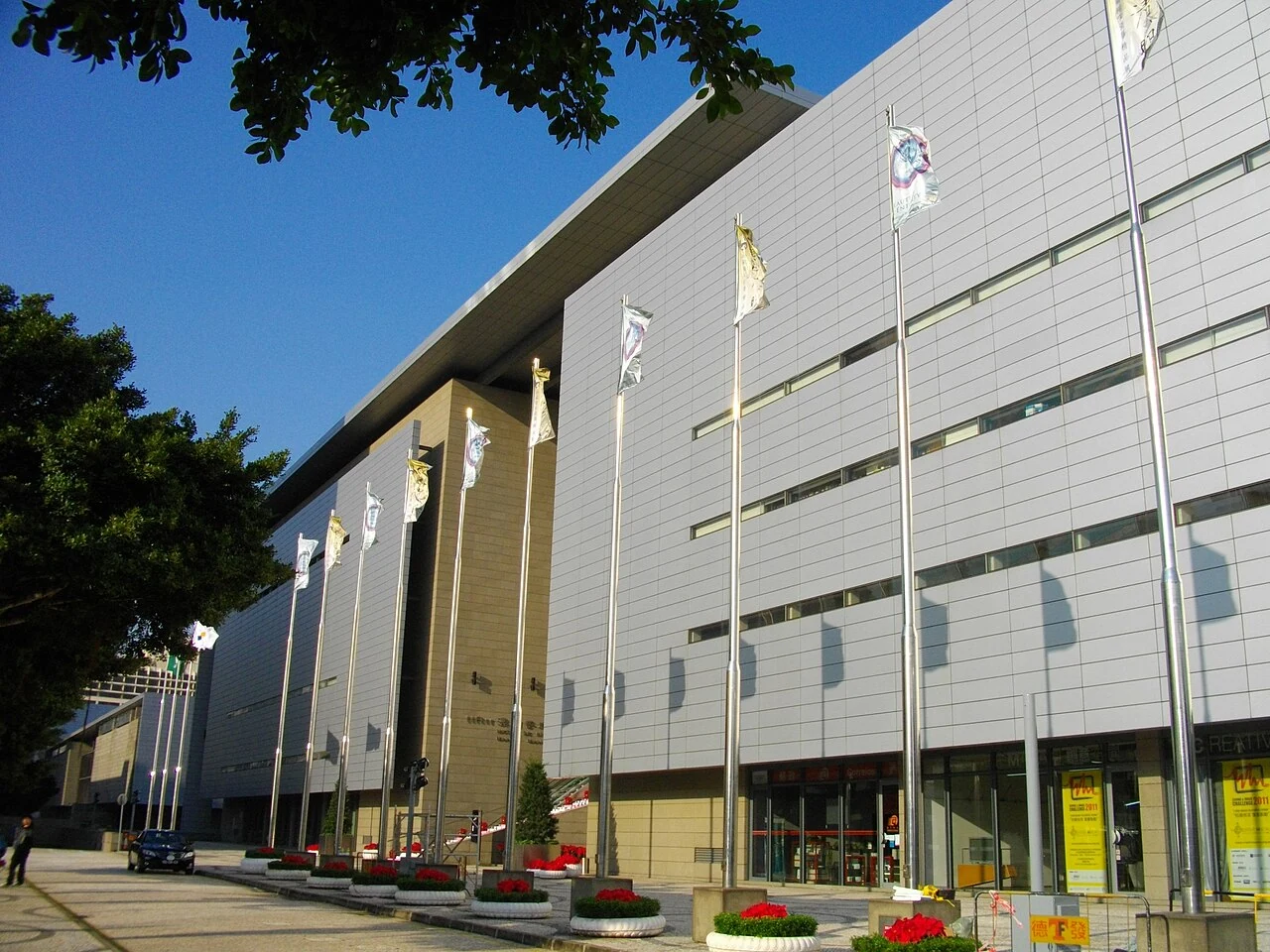
The exterior of the Macao Museum of Art.

From the Luís de Camões Museum to MAM

The Macao Museum of Art opened on 19 March 1999, inheriting most of its collection from the former Luís de Camões Museum under the Municipal Council. The new museum did not start from zero: it received an existing body of works and then enlarged it through exhibitions, commissions, purchases and donations. Its collection now exceeds 16,000 items.

That institutional history matters because the holdings carry more than one collecting era. Some works arrived through the earlier civic museum; later works came by different routes into a museum devoted to art. The result spans Chinese calligraphy and painting, historical pictures, ceramics, photography, modern and contemporary art, performance art, archives and documents.
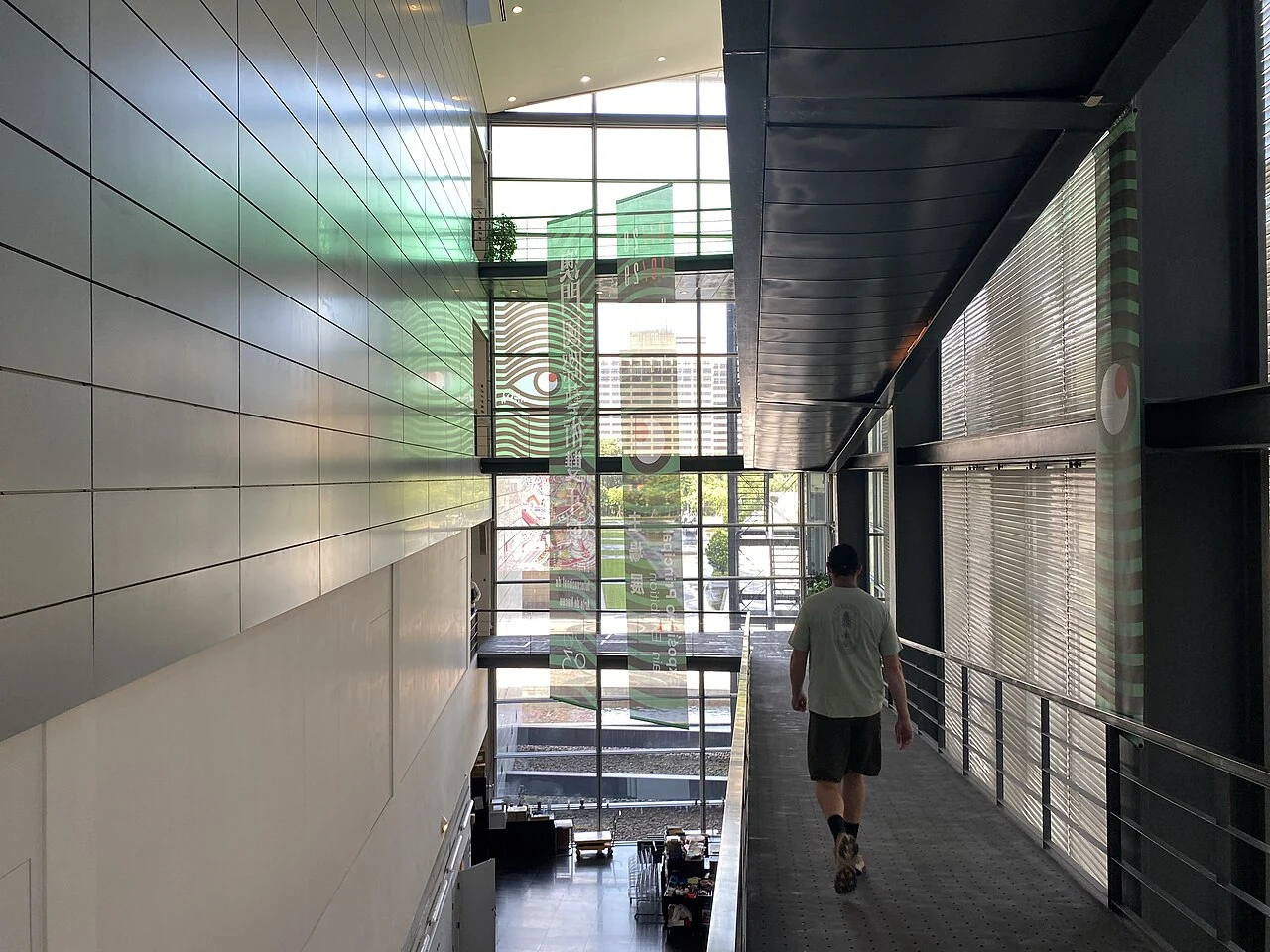
The interior circulation spaces of the Macao Museum of Art.

Paintings that hold different Macao histories

One of the collection’s named treasures is Peacock, Pine and Bamboo and Eagles by Ming-dynasty court painter Lin Liang. The Chinese painting and calligraphy holdings also include works by Guangdong artists Zhang Mu, Li Jian, Su Liupeng and Ju Lian, active in the Ming and Qing periods. Their presence places older Chinese art within the same institution that also collects visual records of Macau.

The Historical Pictures category includes work by nineteenth-century artists George Chinnery and Auguste Borget, among others. George Smirnoff, a Russian architect and artist who lived in Macau during the Pacific War, made watercolours of the city’s streets in the 1940s. These are historical artworks that depict a city at a particular time, not present-day documentary photographs. The Shiwan ceramics collection adds another material history, with works by named ceramicists including Huang Bing, Chen Weiyan, Pan Yushu and Liu Chuan.

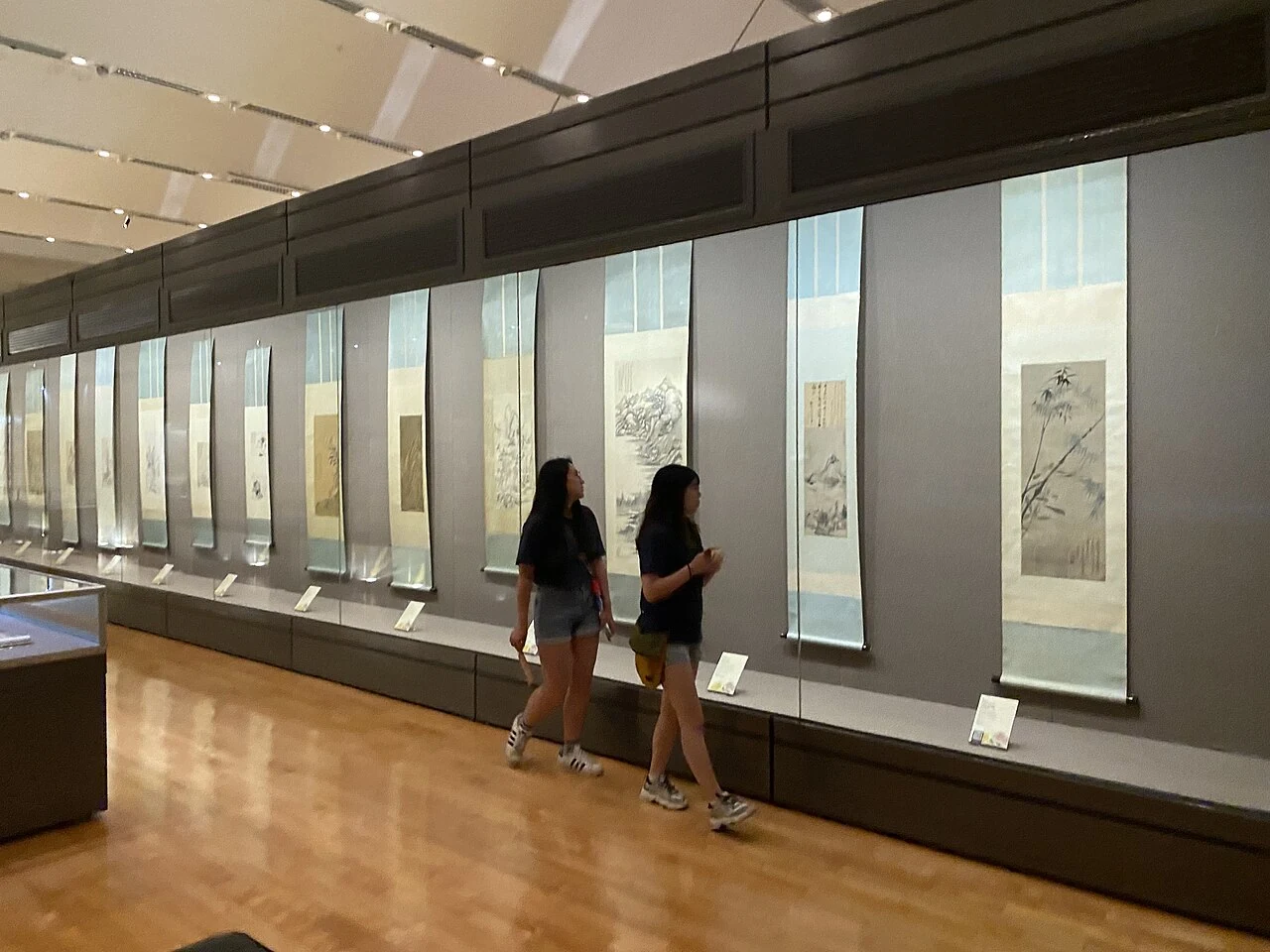
Visitors in a gallery at the Macao Museum of Art.

Five floors with different emphases

The museum has five floors and more than 4,000 square metres of exhibition space. Its fourth floor is organized around Chinese calligraphy, paintings and artefacts; the third shows MAM’s collections and local artworks; the second has a large gallery for modern and contemporary Western art. This arrangement gives different collection histories distinct rooms rather than blending them into a single chronological display.

The collection’s size is matched by a variety of ways to encounter it. Visitors may see Chinese painting and ceramics upstairs, local and museum holdings on the third floor, or a changing modern-art exhibition below. Alongside its art galleries, the building includes spaces for temporary displays, education and artistic activities. The museum’s floor plan makes its collecting choices visible in the way the works are grouped and presented.

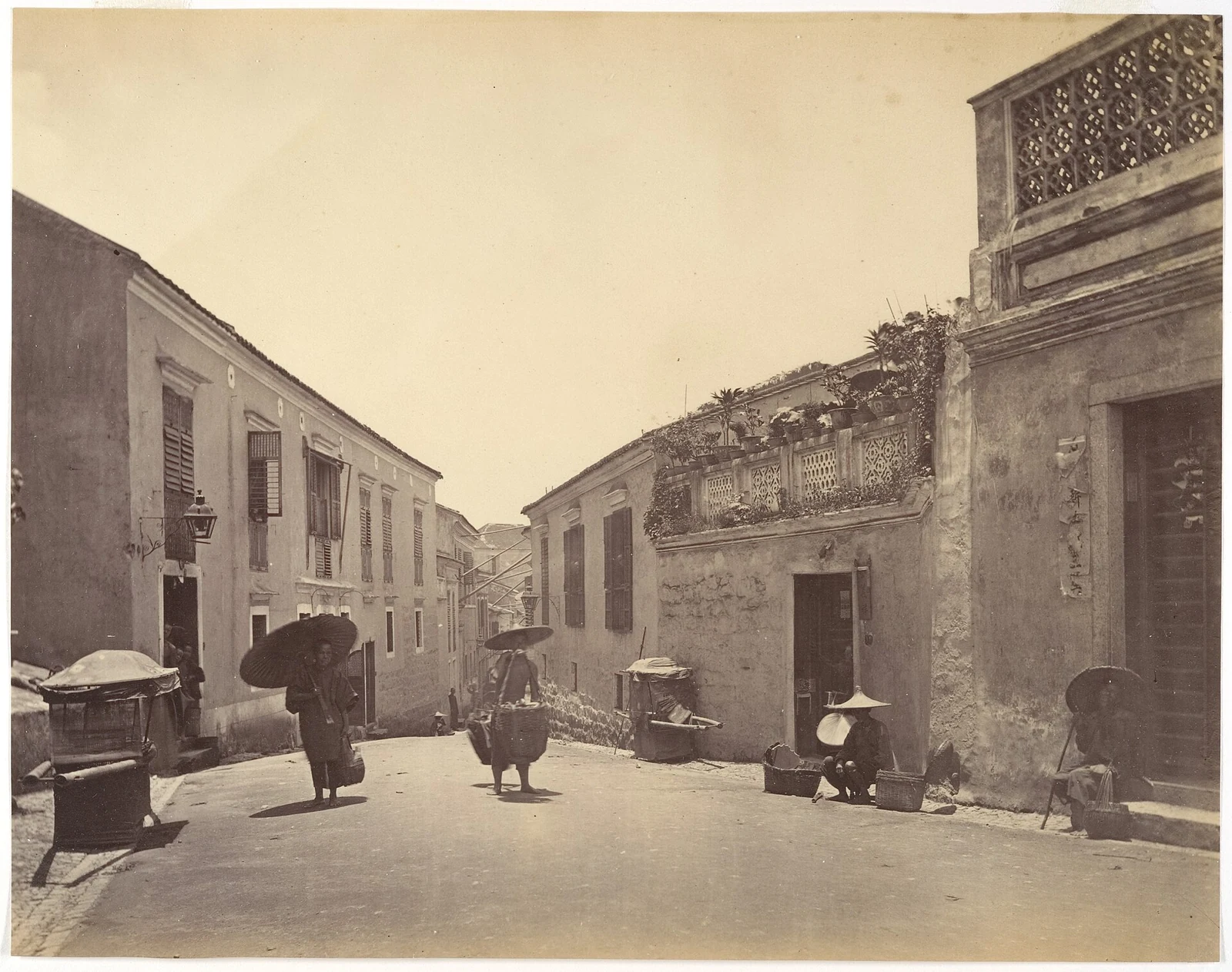
A historical photograph of a street in Macao, held by the Metropolitan Museum of Art in New York.
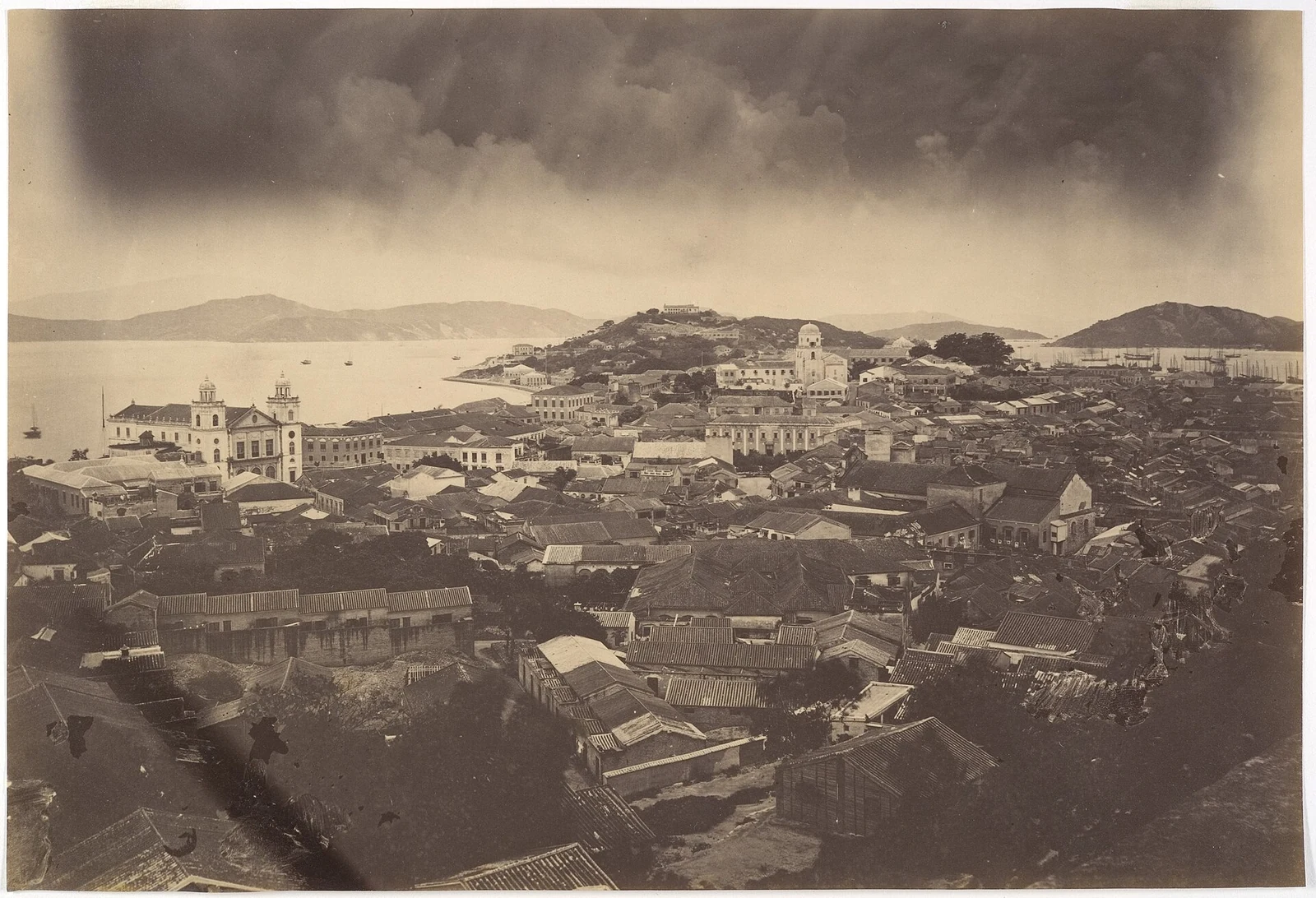
A historical photograph of Macao, held by the Metropolitan Museum of Art in New York.
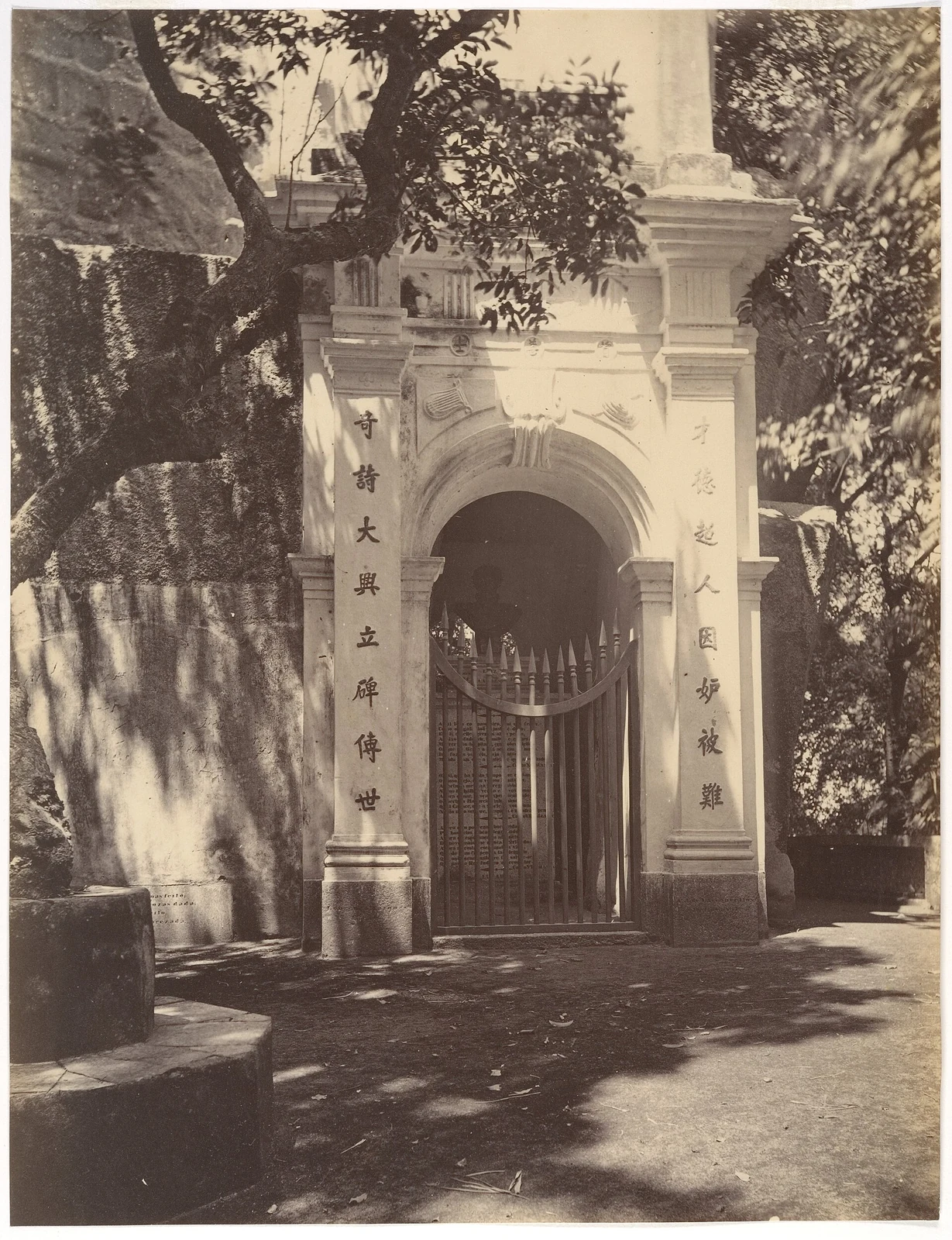
A historical photograph of a tomb in Macao, held by the Metropolitan Museum of Art in New York.
Continue exploring · Macao ↗
Photo credits and rights
  1. Abasaa / Public domain · Public domain Photo source ↗ Rights information ↗
  2. The interior circulation spaces of the Macao Museum of Art.LN9267 / CC BY-SA 4.0 · CC BY-SA 4.0 Photo source ↗ Rights information ↗
  3. Visitors in a gallery at the Macao Museum of Art.LN9267 / CC BY-SA 4.0 · CC BY-SA 4.0 Photo source ↗ Rights information ↗
  4. A historical photograph of a street in Macao, held by the Metropolitan Museum of Art in New York.John Thomson / CC0 · CC0 Photo source ↗ Rights information ↗
  5. A historical photograph of Macao, held by the Metropolitan Museum of Art in New York.John Thomson / CC0 · CC0 Photo source ↗ Rights information ↗
  6. A historical photograph of a tomb in Macao, held by the Metropolitan Museum of Art in New York.John Thomson / CC0 · CC0 Photo source ↗ Rights information ↗