From the journal

A bell that carries a date

Coloane’s Tin Hau Temple preserves a bronze bell dated to the twenty-eighth year of the Qianlong reign: 1763.

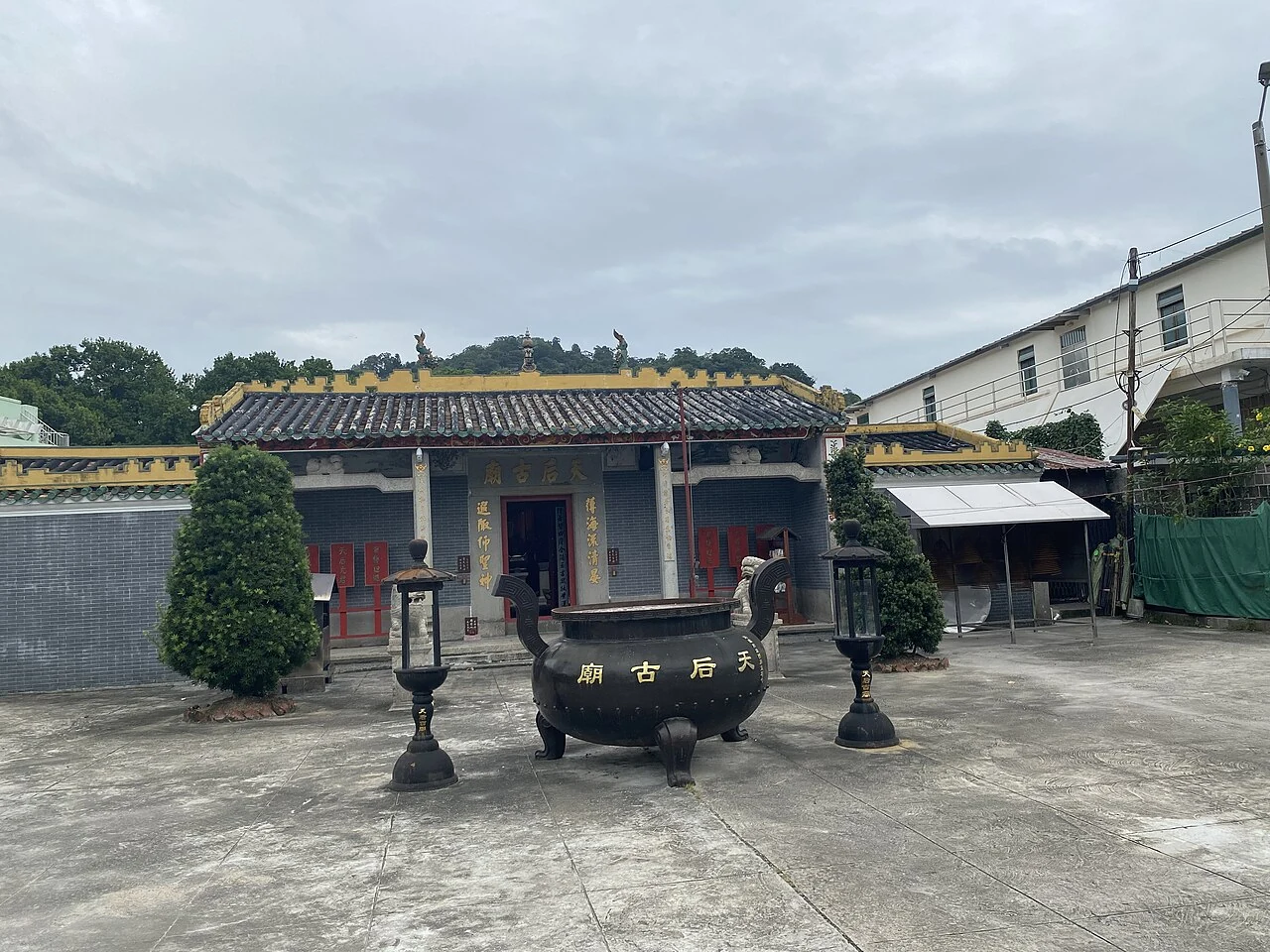
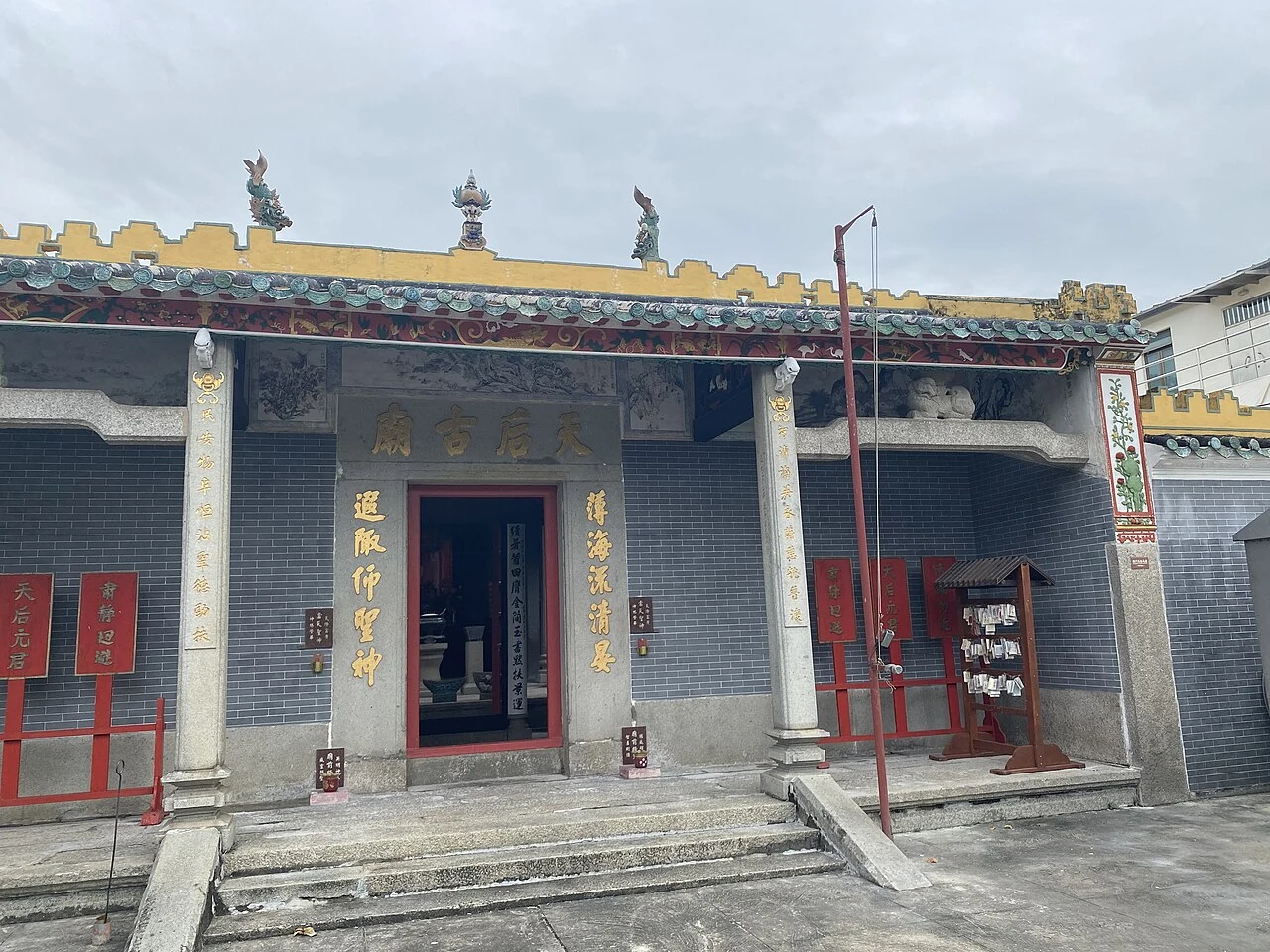
Tin Hau Temple in Coloane, with its entrance and forecourt.

A temple older than its present building

Coloane’s Tin Hau Temple preserves a bronze bell dated to the twenty-eighth year of the Qianlong reign: 1763. The present building, however, dates to the Daoguang period. The two dates tell different parts of the story. The bell shows that worship at the site predates the current structure, while the building records a later phase of the temple’s architectural life.

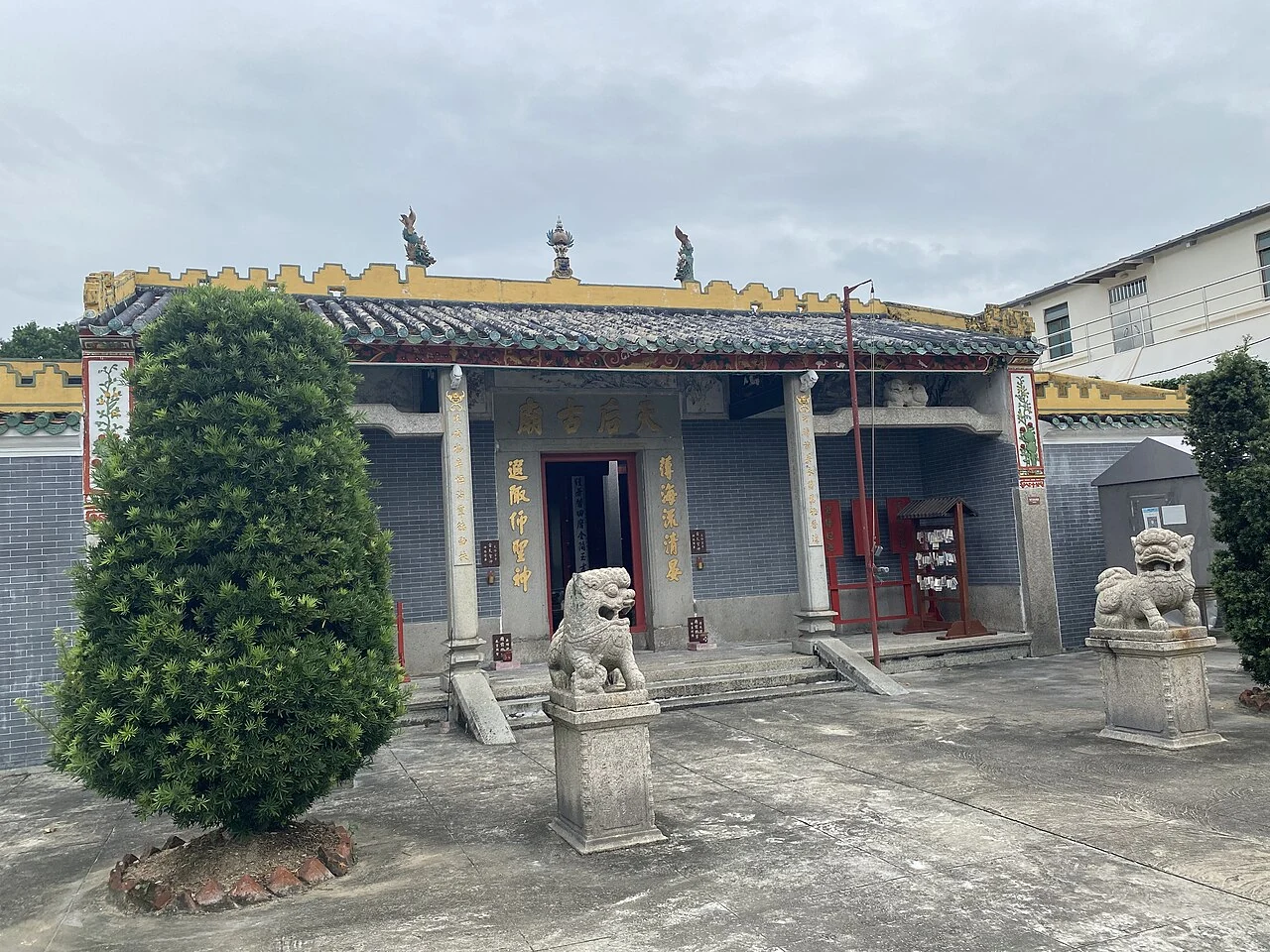
The temple stands at the end of Estrada do Almirante Marques Esparteiro. A pair of carved stone lions guards the entrance. Inside, the rooms and courtyard draw visitors from the street into a sequence of devotional spaces, with objects and inscriptions carrying their own timelines.
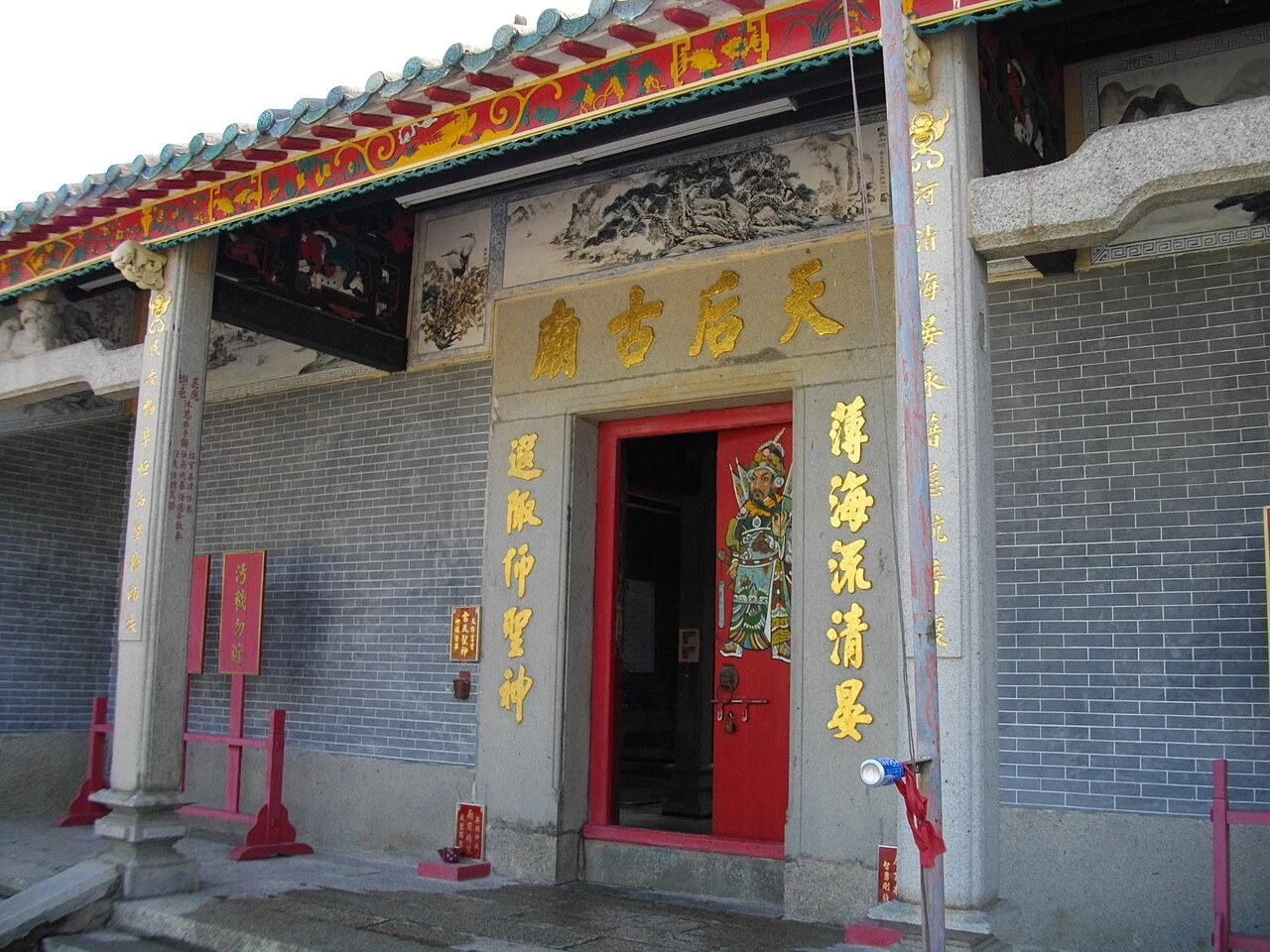
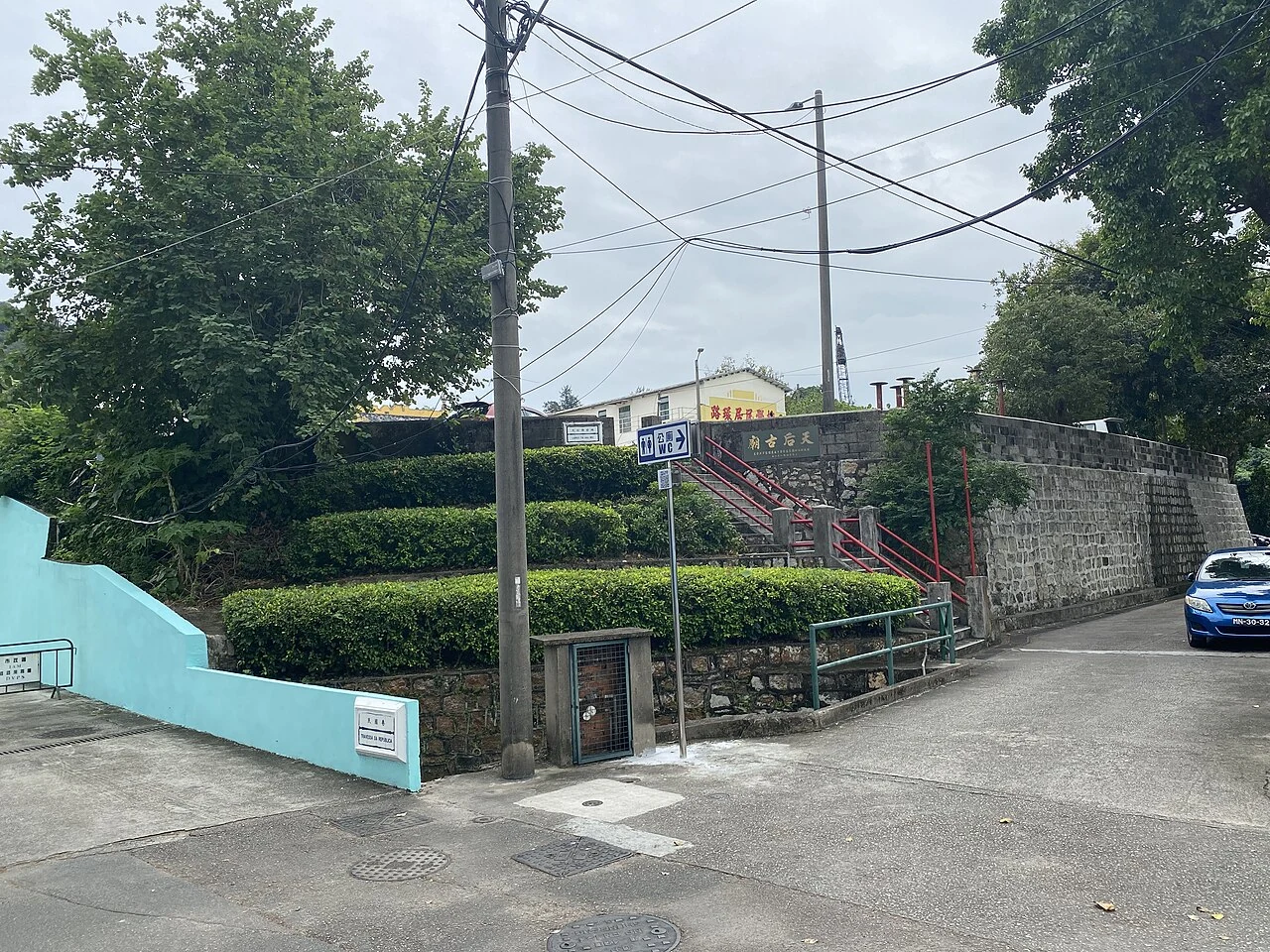
Tin Hau Temple in Coloane, with its entrance and forecourt.

Tin Hau and a household of gods

Tin Hau is not the only deity honoured in the temple. The complex also includes shrines to Guan Di, the God of Wealth, Lu Ban and Hua Tuo. Their presence brings protection at sea, loyalty, prosperity, craft and healing into one local religious house. Worshippers move through a shared compound rather than a collection of separate institutions.

This combination reflects the temple’s role within Coloane’s community. Fishing and boat work are part of the island’s maritime history, but the temple’s devotional life also reaches into other needs—health, livelihood and protection. The bronze bell, stone lions and several divine images make the building a place where material objects help organize a broad set of local beliefs.

Tin Hau Temple in Coloane, with its entrance and forecourt.

A two-hall plan and a water cart

The main structure is a Lingnan-style, two-hall building with covered side corridors. Each hall is three bays wide and fronted by columns; a raised worship pavilion occupies the courtyard between them. Its shallow depth and height allow light and air to pass through the compound rather than closing it into a dark interior.

An old wooden water cart once used by Coloane residents for firefighting, probably in the late Qing period, is another object tied to the temple’s civic history. It is now displayed at the Fire Services Museum. The cart connects religious space to practical neighbourhood life: the temple gathered worshippers, while the equipment recalls how residents also organized around shared risks such as fire.

Tin Hau Temple in Coloane, with its entrance and forecourt.
Continue exploring · Macao ↗
Photo credits and rights
  1. LN9267 / CC BY-SA 4.0 · CC BY-SA 4.0 Photo source ↗ Rights information ↗
  2. Tin Hau Temple in Coloane, with its entrance and forecourt.Abasaa / Public domain · Public domain Photo source ↗ Rights information ↗
  3. Tin Hau Temple in Coloane, with its entrance and forecourt.LN9267 / CC BY-SA 4.0 · CC BY-SA 4.0 Photo source ↗ Rights information ↗
  4. Tin Hau Temple in Coloane, with its entrance and forecourt.LN9267 / CC BY-SA 4.0 · CC BY-SA 4.0 Photo source ↗ Rights information ↗
  5. Tin Hau Temple in Coloane, with its entrance and forecourt.LN9267 / CC BY-SA 4.0 · CC BY-SA 4.0 Photo source ↗ Rights information ↗