From the journal

A craft learned through materials

Macau’s yards built wooden boats, a demanding craft requiring many tools and a practiced sense of material.

In the same city · Macao ↗
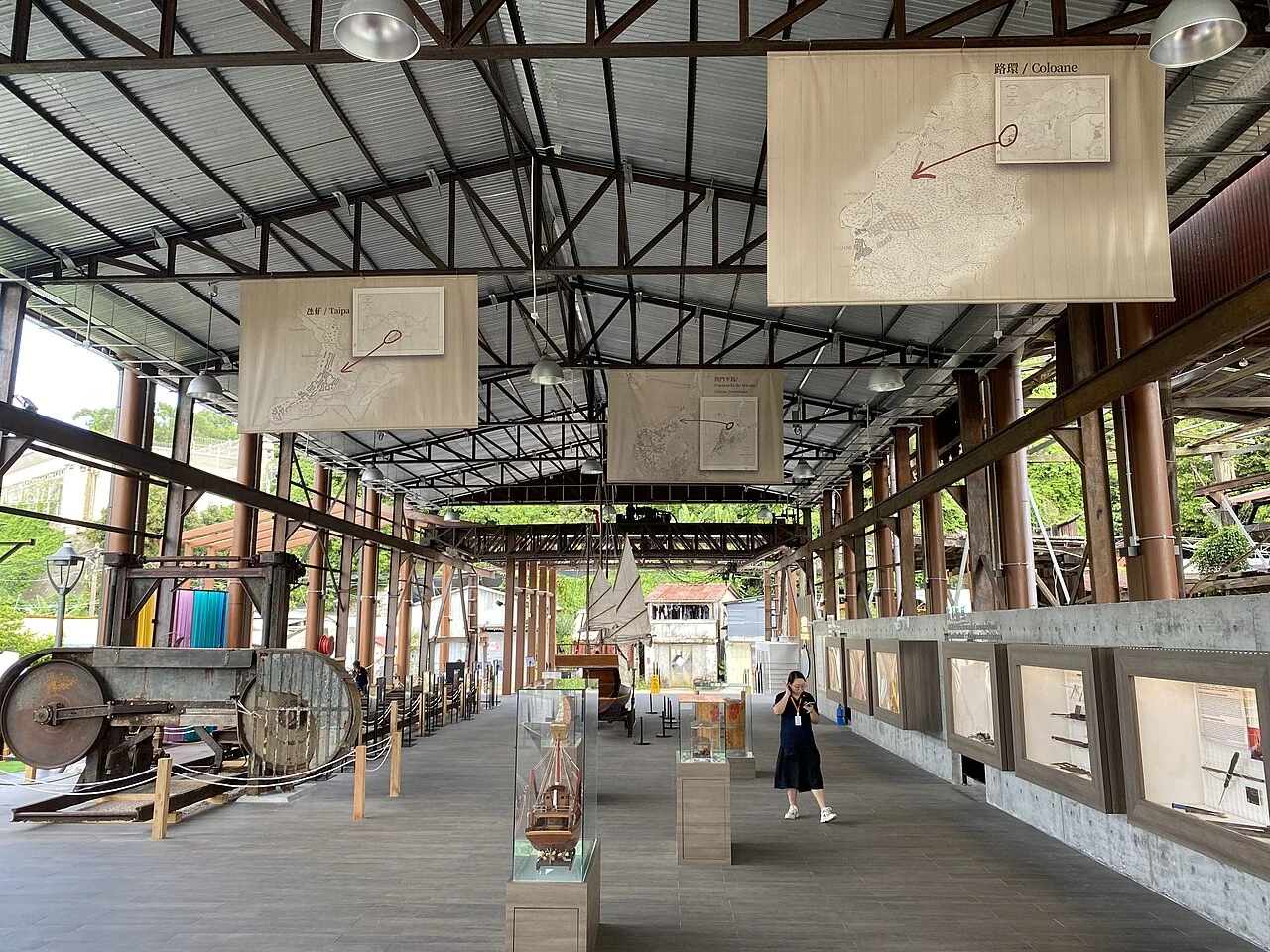
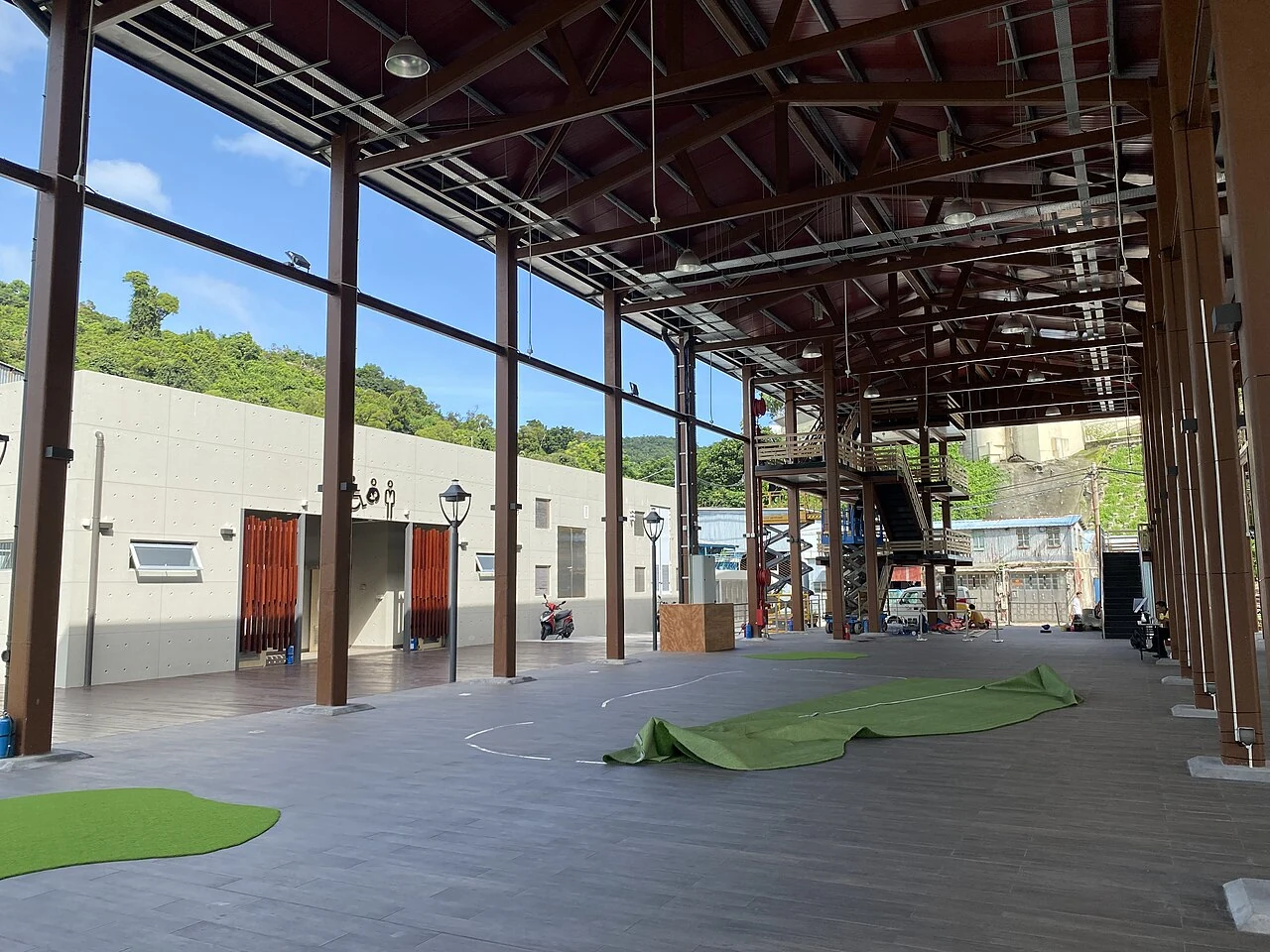
The open structures and waterside setting of the restored Lai Chi Vun shipyards.

Wood, tools and a craftsperson’s eye

Macau’s yards built wooden boats, a demanding craft requiring many tools and a practiced sense of material. The recorded tool list includes groove planes, chisels, measuring rods and ink lines. Each belongs to a different kind of decision: shaping a surface, cutting or fitting timber, checking a measure, or marking a line to guide the work.

The work depended on the boatbuilder’s experience rather than a set of technical drawings. A master had to judge how pieces of wood would meet and how a hull would take shape. That knowledge was carried through practice, observation and correction at the yard. The surviving descriptions name the tools but do not reduce the craft to a checklist; judgment remained in the hands of the people who used them.
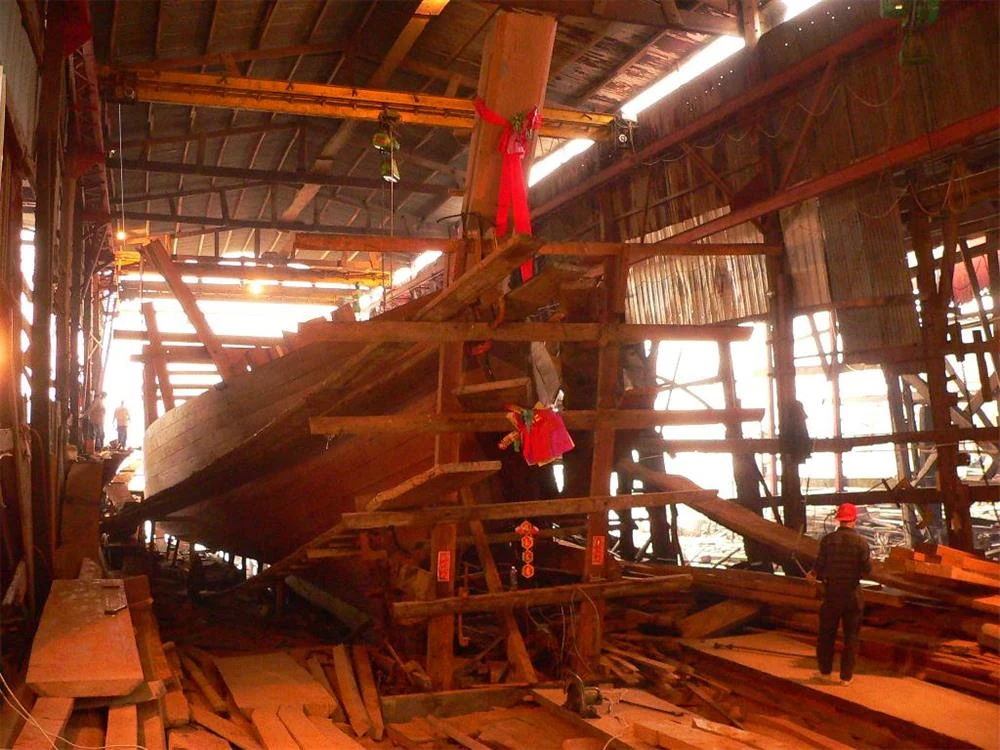
Timber structures inside the former Lai Chi Vun shipyard buildings.

Building and repair beside the water

Lai Chi Vun’s yards made and repaired vessels close to the shoreline. Their long, low sheds were arranged in rows along the water, with some workspaces extending over the adjacent tidal edge. That layout placed boats, materials and covered work areas within reach of one another. It was a workshop landscape designed around access to the sea, not a closed factory floor.

Ship repair mattered alongside new construction. For fishing and transport, a vessel was working equipment; the capacity to maintain it was part of the maritime economy. At Lai Chi Vun, the yards kept both activities within the same inlet. The shore-facing yards placed boatbuilding beside the tidal water, where masters could measure, shape and fit timber close to the vessels under construction.

The open structures and waterside setting of the restored Lai Chi Vun shipyards.
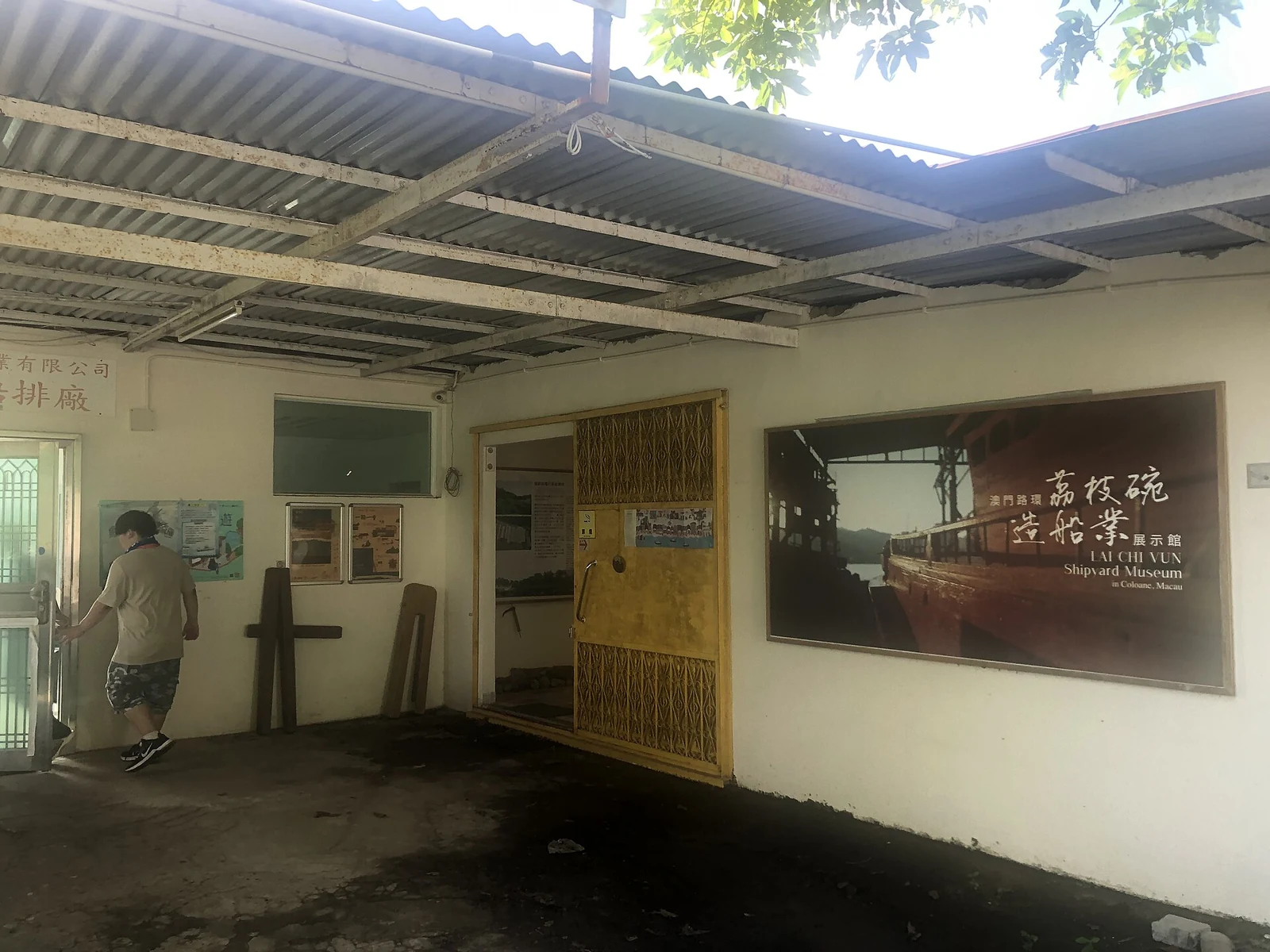
The Lai Chi Vun Shipyard Museum and boat-builders’ association premises.

A last wooden boat in 2005

The last wooden vessel at Lai Chi Vun was built in 2005. By then, the industry that had made the inlet a centre of boatbuilding had already contracted. The long decline began in the 1980s and gathered pace in the 1990s, as fishing weakened and competing shipyards operated nearby. The end of production left the tools and buildings without their former daily purpose.

What remains of the craft is therefore held in two forms: the shipyard structures at the water’s edge and descriptions of tools and master builders’ experience. A photograph of a vessel under construction can show the scale of a boat, but it cannot name the worker or explain each decision. A master builder used a groove plane, chisels, measuring rods and an inkline to shape and fit timber; experience guided the many stages of a build or repair.

Continue exploring · Lai Chi Vun Shipyards ↗
Photo credits and rights
  1. LN9267 / CC BY-SA 4.0 · CC BY-SA 4.0 Photo source ↗ Rights information ↗
  2. Timber structures inside the former Lai Chi Vun shipyard buildings.Macau government / CC BY-SA 4.0 · CC BY-SA 4.0 Photo source ↗ Rights information ↗
  3. The open structures and waterside setting of the restored Lai Chi Vun shipyards.LN9267 / CC BY-SA 4.0 · CC BY-SA 4.0 Photo source ↗ Rights information ↗
  4. The Lai Chi Vun Shipyard Museum and boat-builders’ association premises.Jacklamf1d14 / CC BY-SA 4.0 · CC BY-SA 4.0 Photo source ↗ Rights information ↗