In temples and on household altars, religious figures begin as wood. Macao Museum describes craftsmen carving the forms, then applying traditional colours or gold leaf. Classical lacquering, gilded details and the figure’s facial features bring depth to an image intended for devotion. The deities represented include Gautama Buddha, Kun Iam, Mazu and Kuan Tai.
From the journal
Carving a Sacred Figure in Wood
Macao’s religious figure carving joins hand-shaped wood, traditional lacquer, painted colour and gold leaf in figures made for temples and household altars.
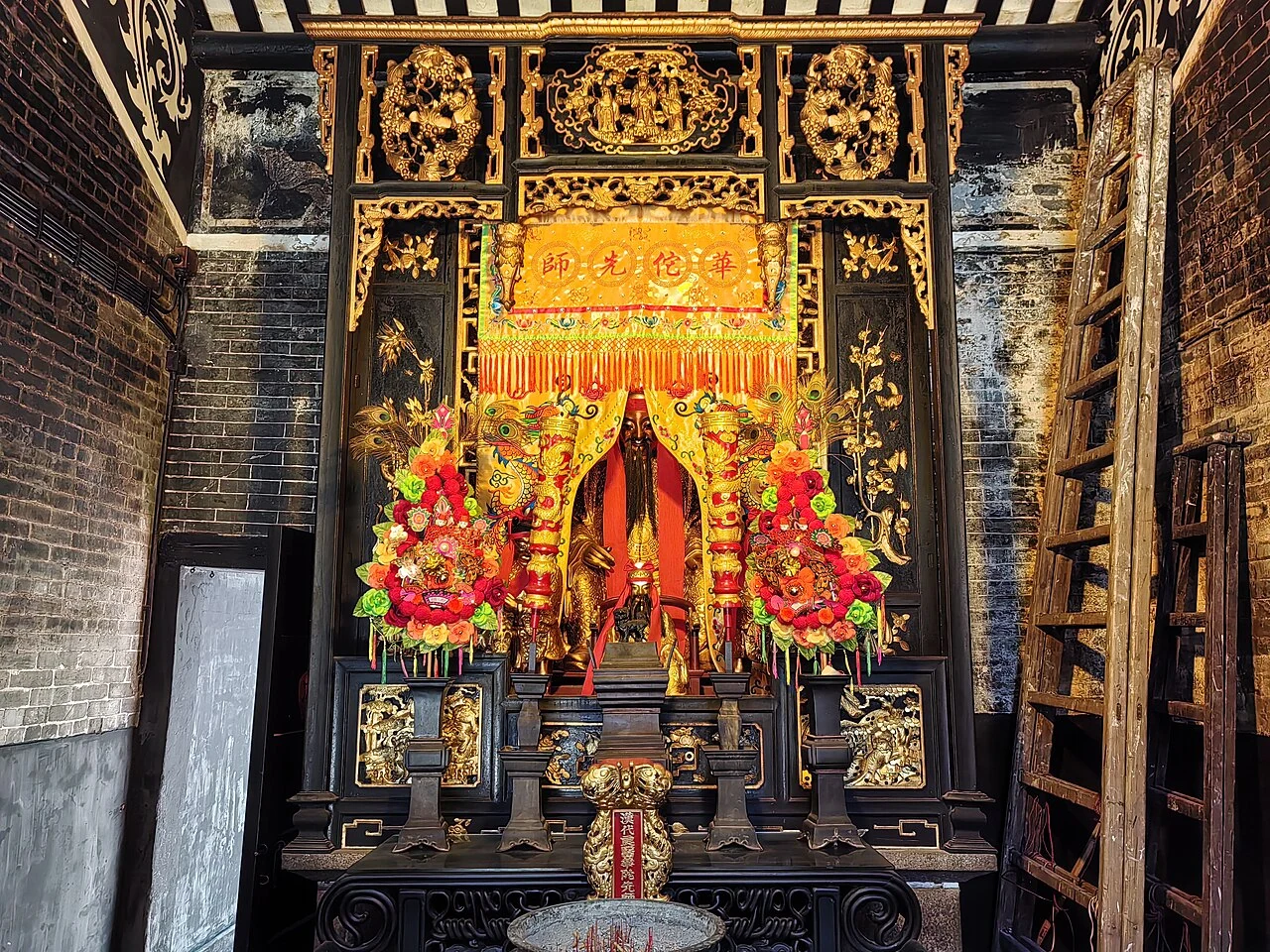
A Figure Takes Shape
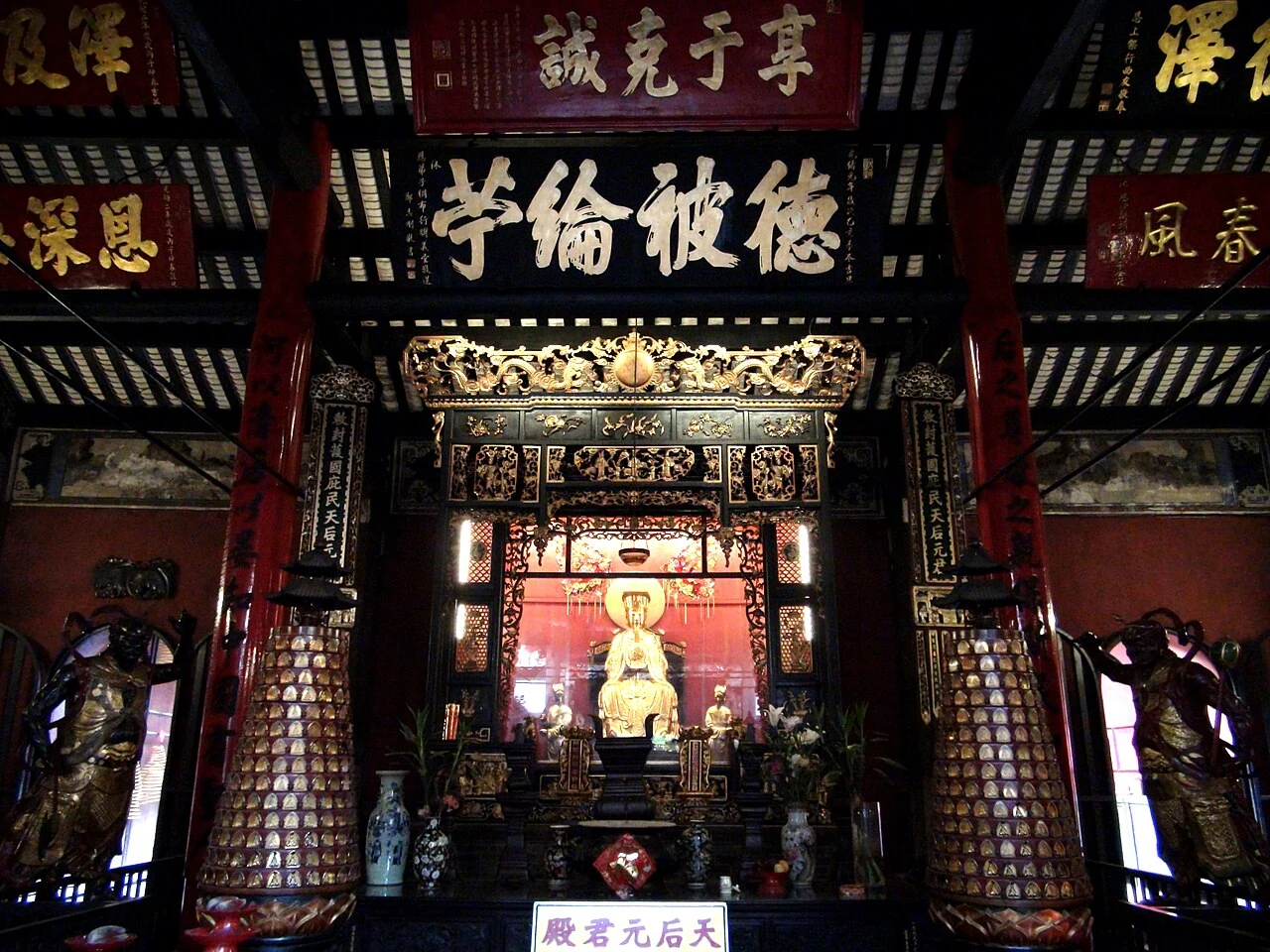
Tradition That Adapts
Macao’s religious figure carving preserves techniques of China’s wood-cut tradition while absorbing foreign designs and joining methods. The craft has a history of more than a century in Macao. It flourished alongside the fishing economy, reaching a peak in the 1920s and 1930s, when religious figures were widely used in worship and prayer. As society changed, the trade declined; carvers continue the tradition through renewed work and innovation.
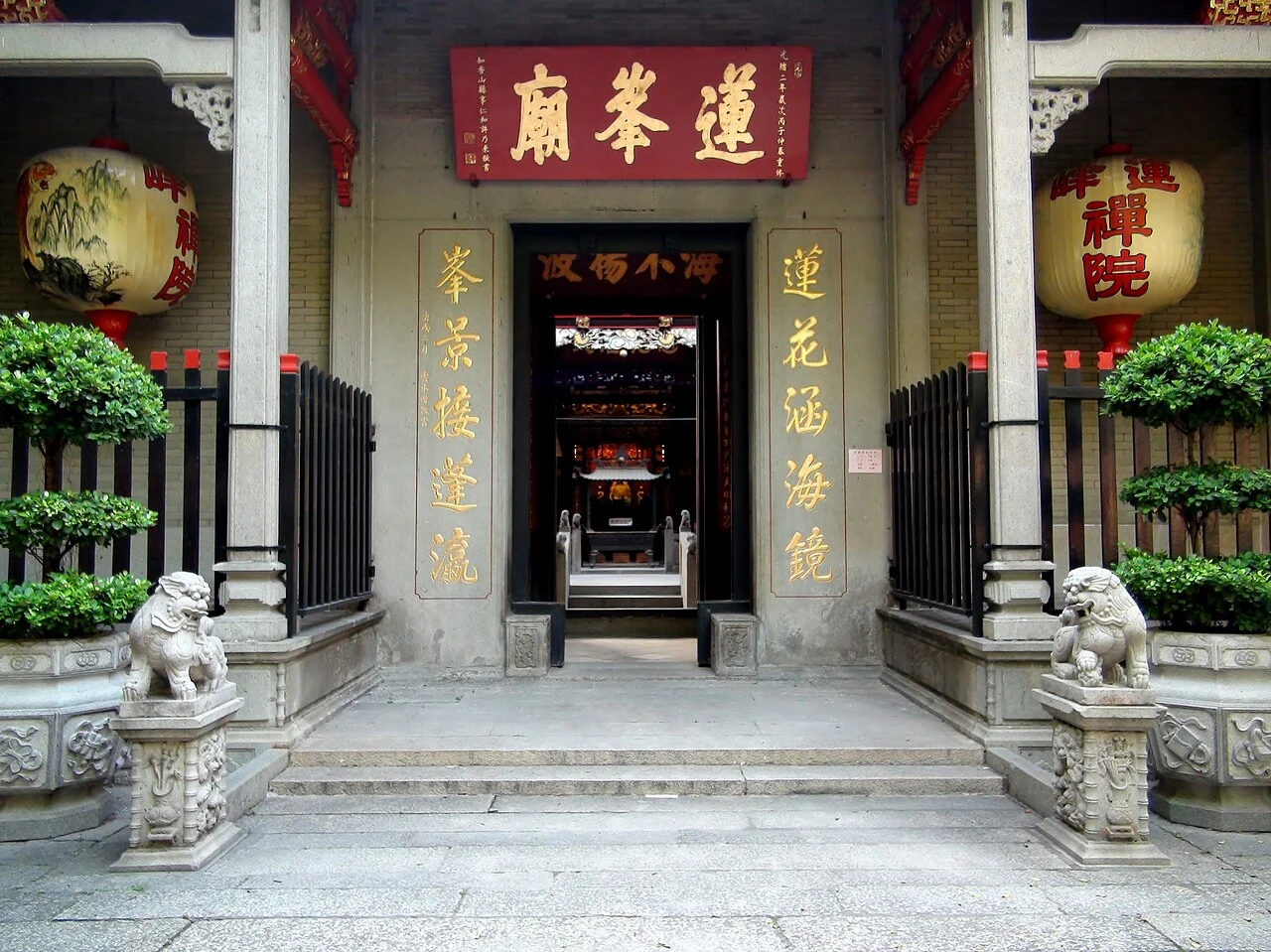
Tools, Wood Samples and Memory
A Macao Museum exhibition presented around 85 figures from Buddhist, Taoist and Chinese folk beliefs, alongside carving tools, wood samples and historical material. Those objects show different stages of the craft: prepared material, tools used to shape it, and finished figures brought into religious life. Religious figure carving entered the National Intangible Cultural Heritage List on 14 June 2008. The listing recognizes workshop knowledge that continues to serve temples and families.