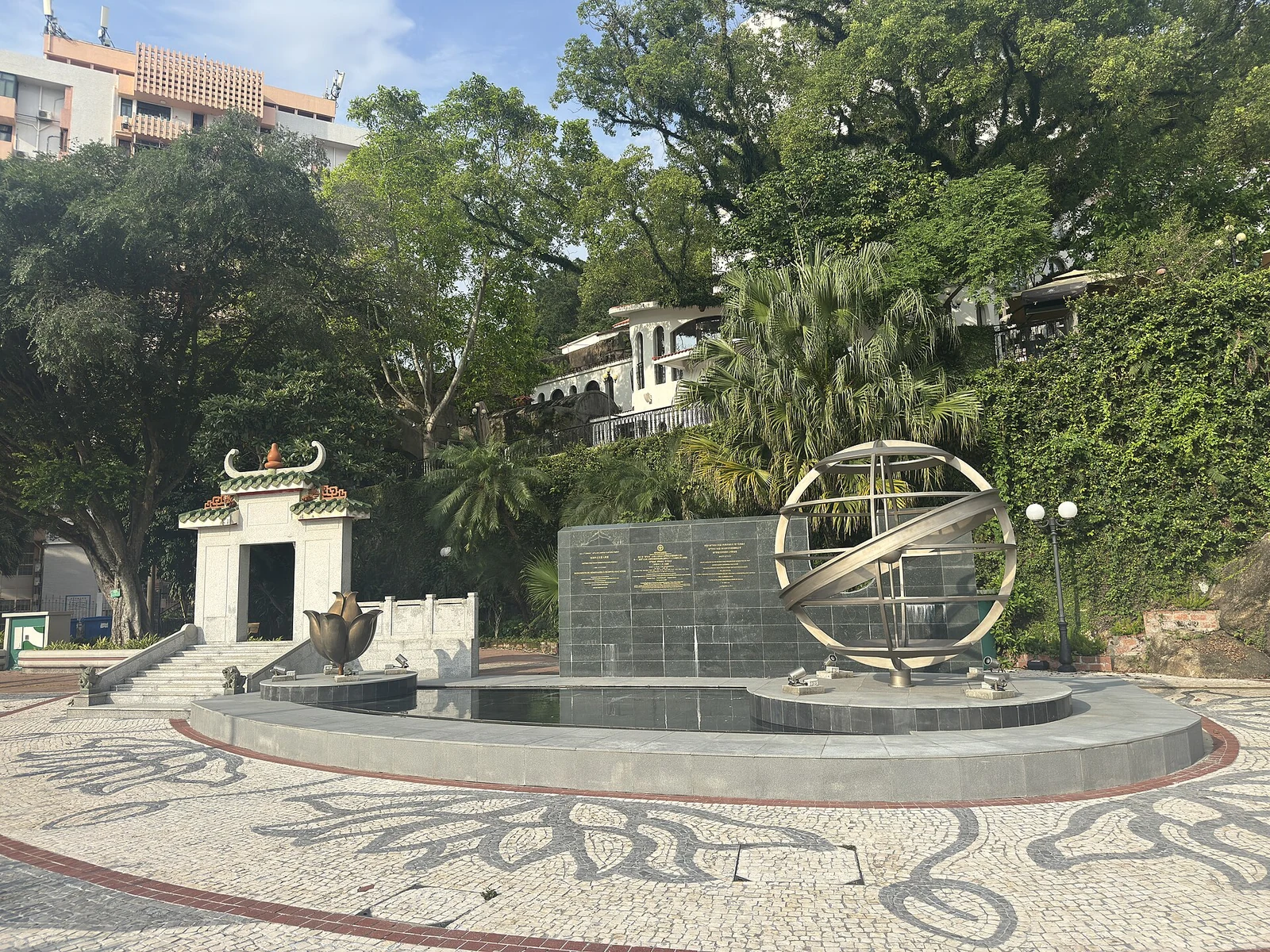
Macao’s Patuá is a creole language once spoken at home and in informal settings by the Macanese community. Its vocabulary brings Portuguese together with Malay, Singhalese, English, Spanish and Cantonese. The language is now identified as critically endangered, and theatre gives it a public setting where its sounds, humour and local references can be heard in full exchanges.
From the journal
Patuá Comedy on the Macao Stage
In Macao, Patuá theatre brings a vanishing creole language onto the stage through comic plays rooted in local life.
A Language with Many Influences
Comedy from Macao’s Own Stories
Dóci Papiaçám di Macau performs original, humorous plays in Patuá. Their scripts draw on current events and local customs, turning neighbourhood habits and public life into comic scenes. The Cultural Affairs Bureau describes the group’s work as theatre shaped by Macao’s own stories, with actors performing in the language rather than translating it away.
Keeping the Sound in Public
Theatre in Patuá entered Macao’s Intangible Cultural Heritage List in 2012. The language has also been identified by UNESCO as critically endangered. On stage, local actors keep it audible through scripts, rehearsal and exchange: a joke depends on rhythm and timing as much as on its words, while surtitles let audiences follow the play across Chinese, Portuguese and English.