From the journal

White Dove Nest: A Neighbourhood Between Park and Cemetery

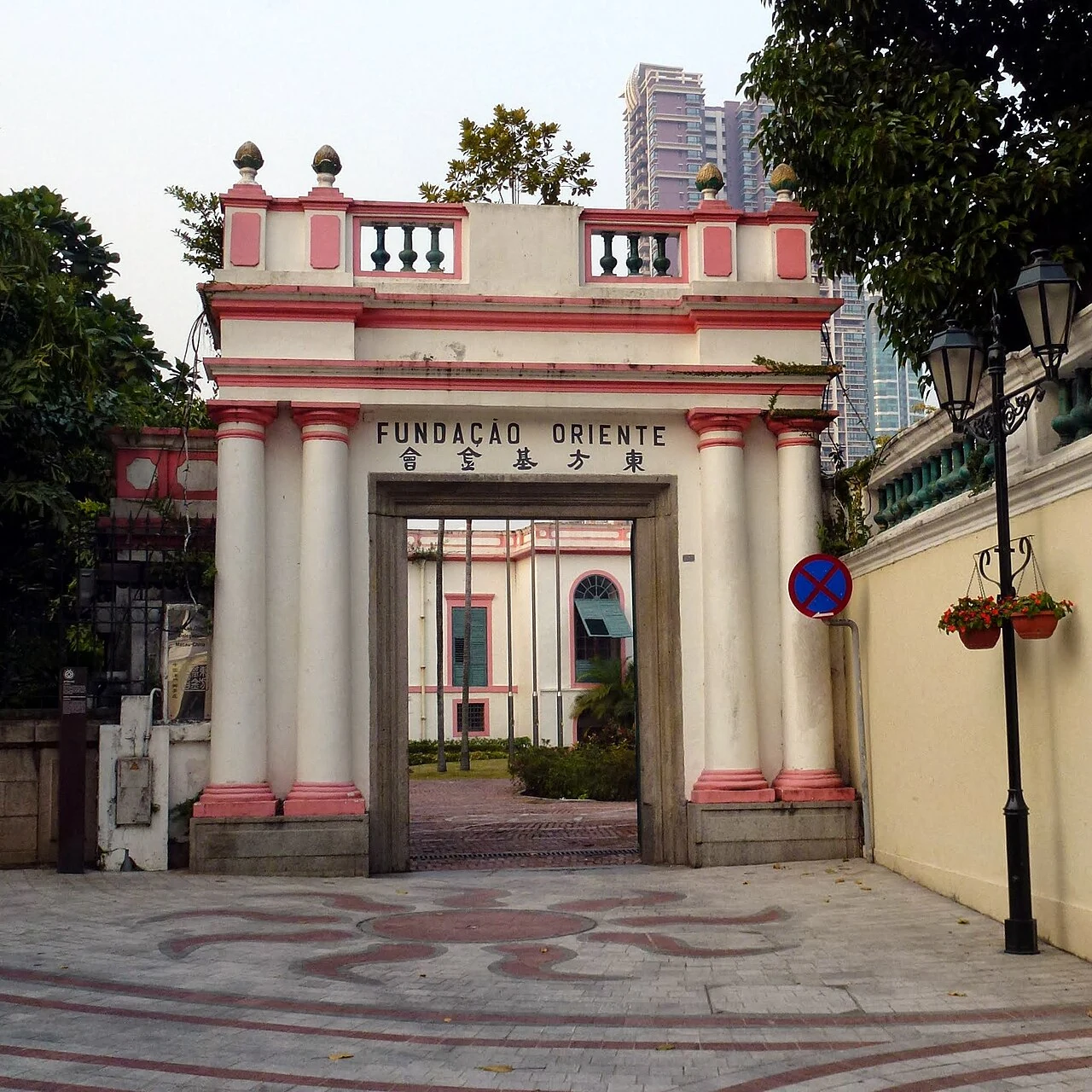
At White Dove Square, residents gather beside a park, a Protestant cemetery and the former Pereira house, now the Oriental Foundation.

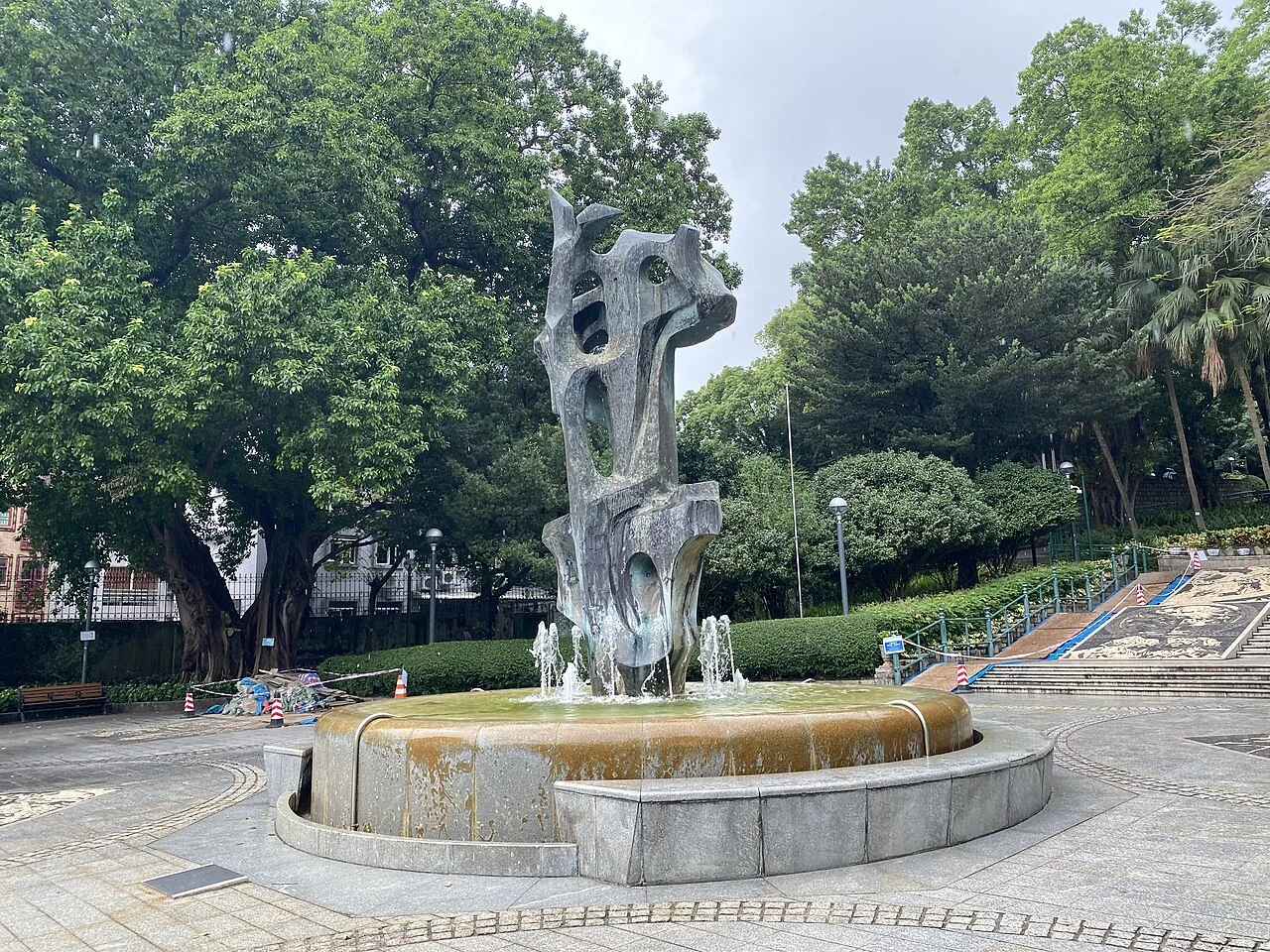
The fountain and trees at Camões Garden.

A small square used by residents

White Dove Square sits beside the public park, Protestant Cemetery and Oriental Foundation. The heritage description notes residents gathering there to rest in ordinary daily life. This detail changes the scale of the story: the square is not only a wayfinding point between monuments but also a neighborhood space used by people who live nearby.

The park, cemetery and foundation building give the square a distinctive set of neighbors. Their histories differ, yet the open space between them provides a shared public edge. Macao’s historic center is formed through such connected places, where a small square can hold daily routines alongside buildings with much longer institutional histories.
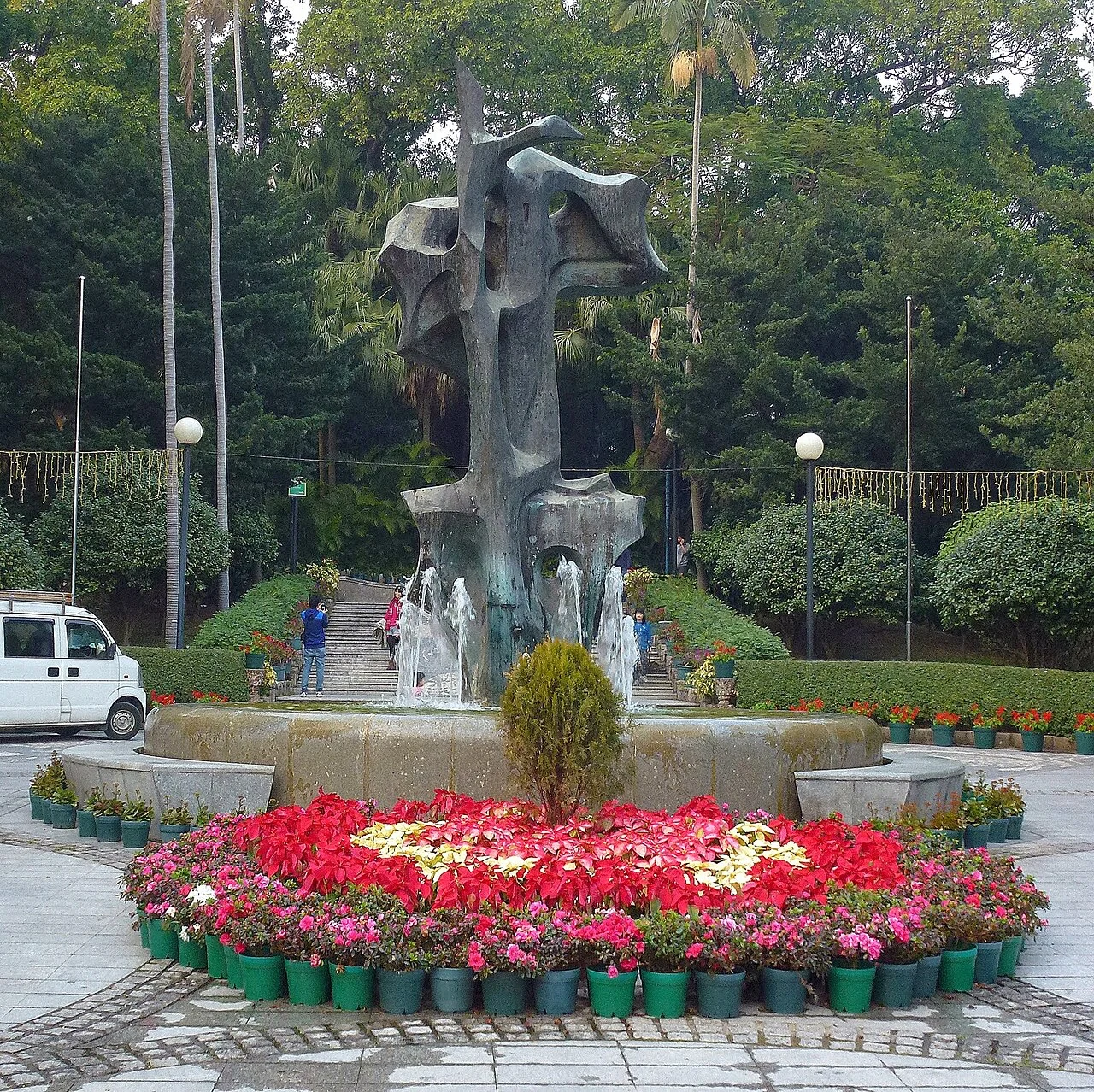
The fountain and trees at Camões Garden.
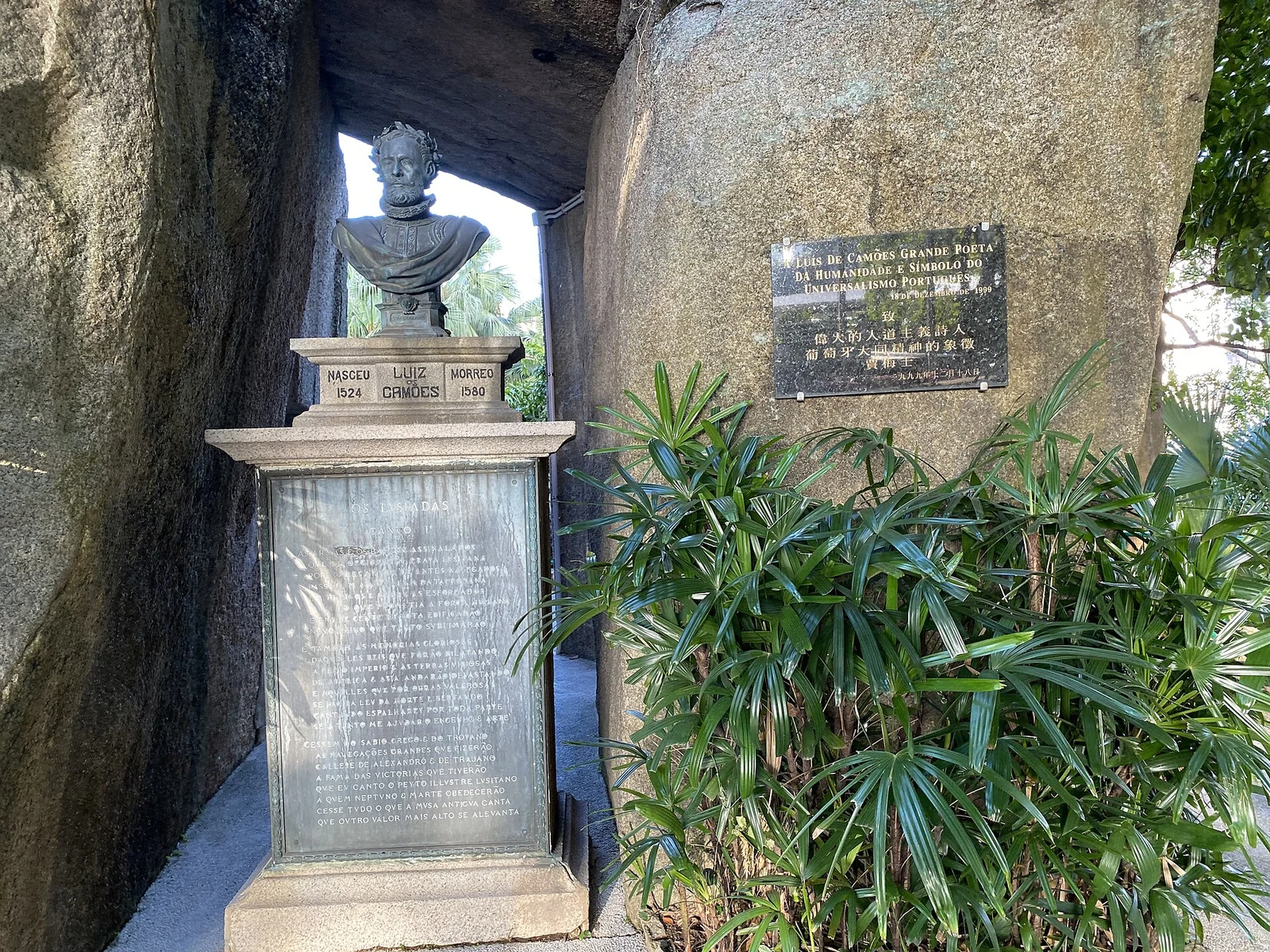
The bust of Luís de Camões in a rock setting at Camões Garden.
The entrance beside Camões Garden.

A burial ground with a recorded beginning

The Protestant Cemetery opened in 1821 after Robert Morrison asked the East India Company to seek permission for a burial ground. His wife had died in Macao that year, and the new site became the city’s first Protestant cemetery. It closed in 1857 when burial within the urban area was prohibited, and the grounds have remained intact.

At the front stands Morrison Chapel, built with the cemetery and rebuilt in 1922 in a Romanesque style. Its plain white walls, small scale and simple interior form a quiet entrance before the burial ground beyond.

A former residence among public places

The Oriental Foundation building began as a villa for Manuel Pereira in the 1770s. It later housed the East India Company’s commercial superintendent and chief factor, became government property in 1885 and served as the Camões Museum after the 1960s. It now hosts the Oriental Foundation.

Major renovation altered the house: its original two-storey center and wings were reduced, the roof changed from pitched to flat, and the front garden became a pool. The white façade with pink trim and broad entrance stair now belongs to an exhibition space. Its changing uses sit beside a square where residents still gather to rest.

Continue exploring · Macao ↗
Photo credits and rights
  1. LN9267 / CC BY-SA 4.0 · CC BY-SA 4.0 Photo source ↗ Rights information ↗
  2. The fountain and trees at Camões Garden.Николай Максимович / CC BY 3.0 · CC BY 3.0 Photo source ↗ Rights information ↗
  3. The bust of Luís de Camões in a rock setting at Camões Garden.LN9267 / CC BY-SA 4.0 · CC BY-SA 4.0 Photo source ↗ Rights information ↗
  4. The entrance beside Camões Garden.Николай Максимович / CC BY 3.0 · CC BY 3.0 Photo source ↗ Rights information ↗