From the journal

Mount Fortress: A Hilltop Beside the College Ruins

Built with Jesuit involvement between 1617 and 1626, Mount Fortress defended Macao in 1622; today the site also holds the Macao Museum.

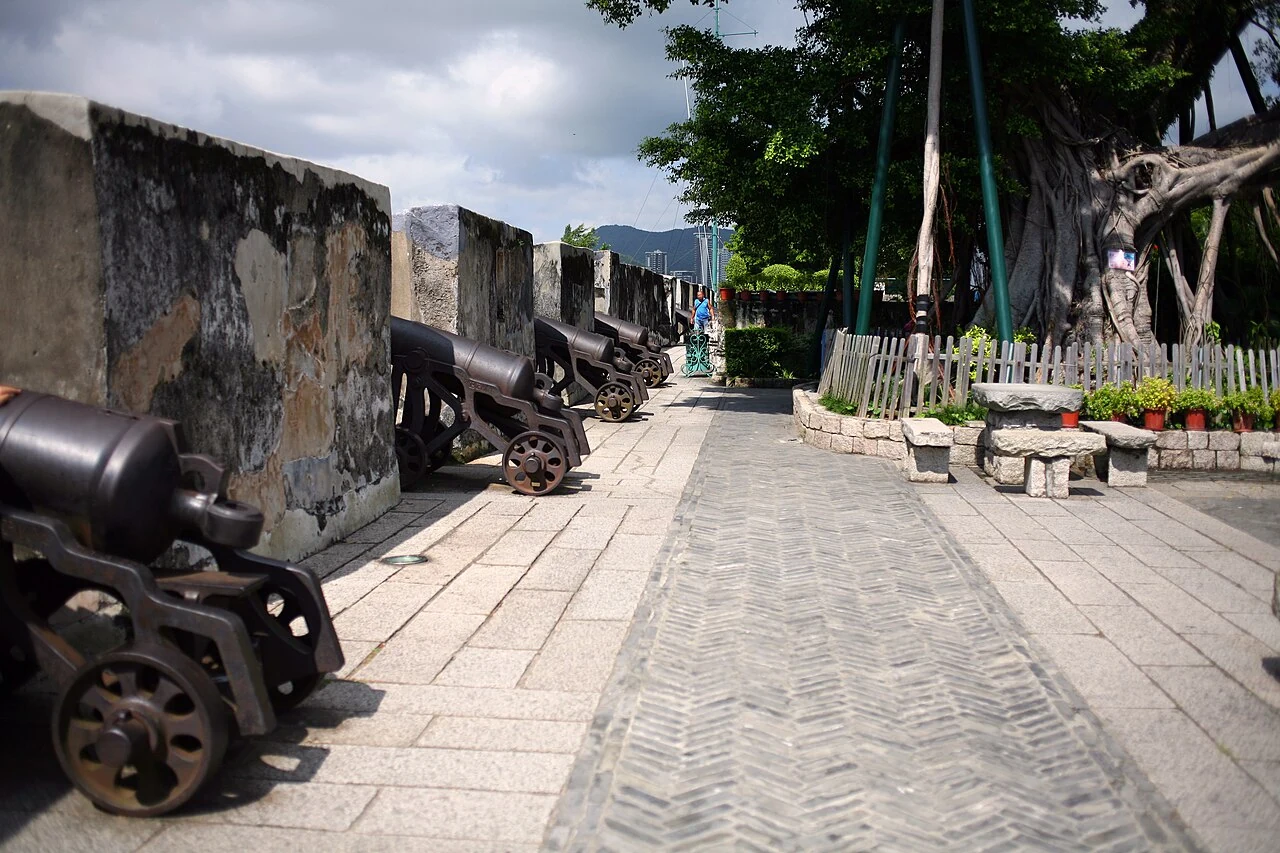
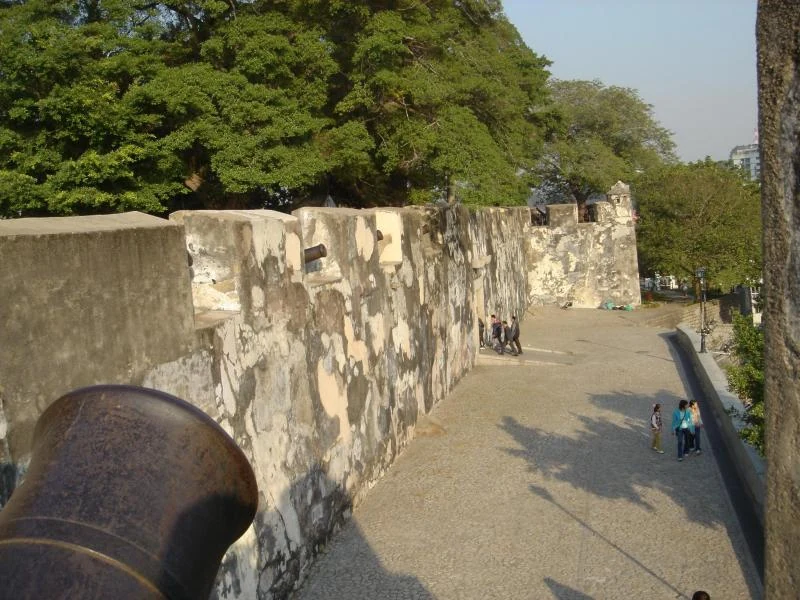
Cannons and defensive walls on the platform of Mount Fortress.

Built for the city’s defence

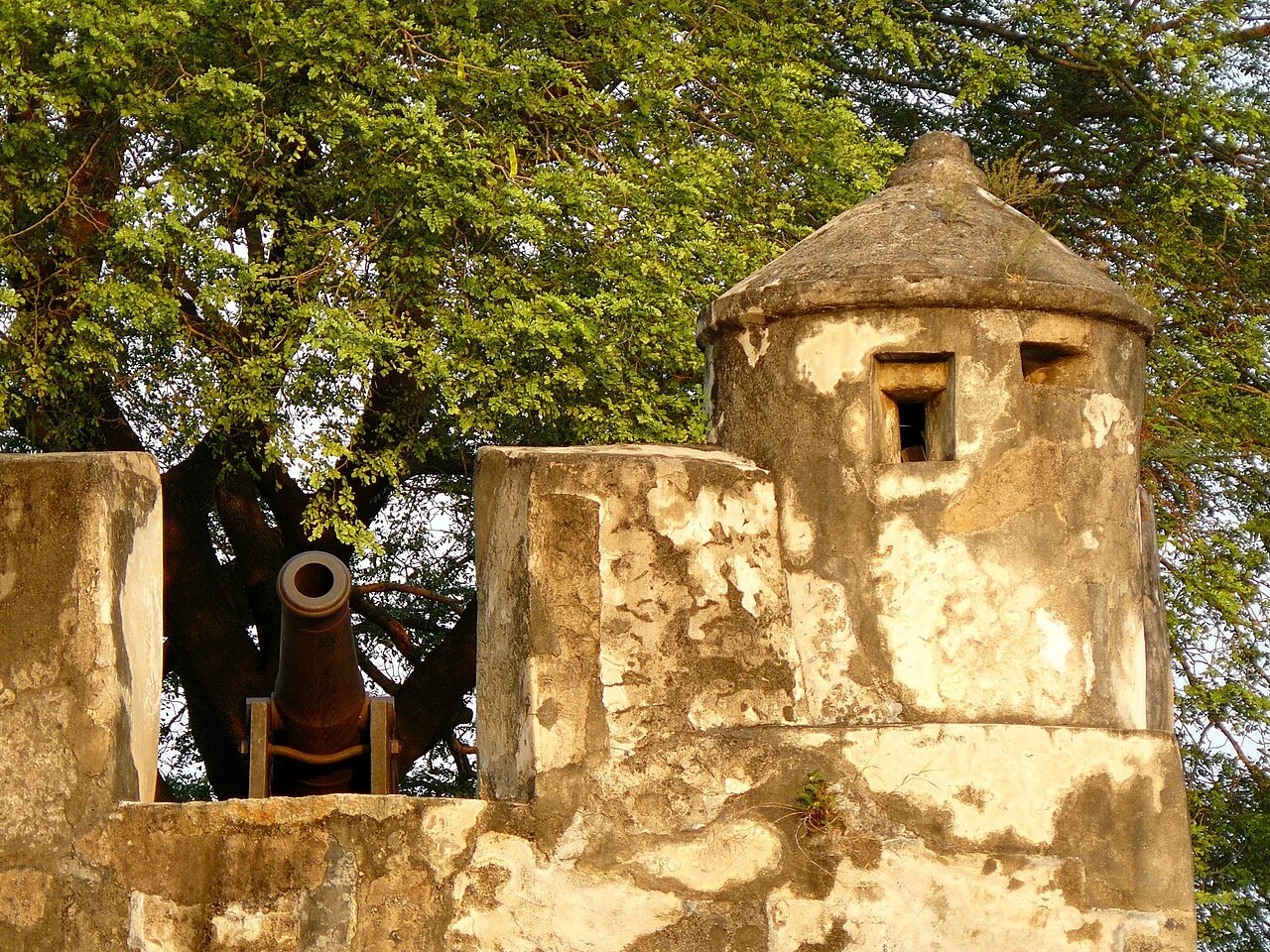
Mount Fortress was built in conjunction with the Jesuits between 1617 and 1626. It became the city’s principal military defence structure, equipped with cannons, barracks, wells and an arsenal. The arrangement was designed to endure a siege, with supplies described as sufficient for up to two years.

The hilltop position gives the fortress a commanding place beside the remains of St. Paul’s College and its church. The two sites are neighbors, not one compound with a single purpose: one was a military stronghold, the other a religious and educational complex. The slope makes their closeness visible while keeping their histories distinct.
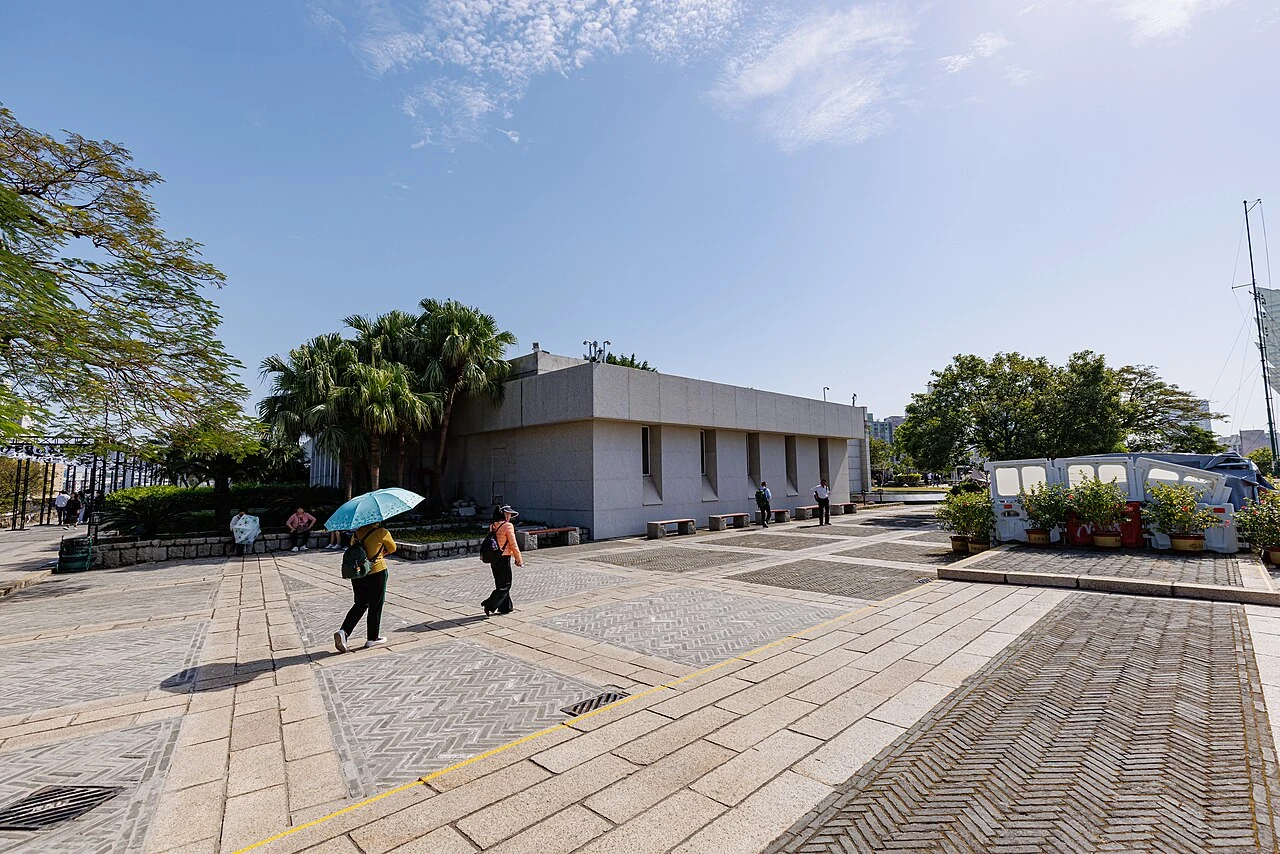
The open upper platform of Mount Fortress.
Cannons and defensive walls on the platform of Mount Fortress.
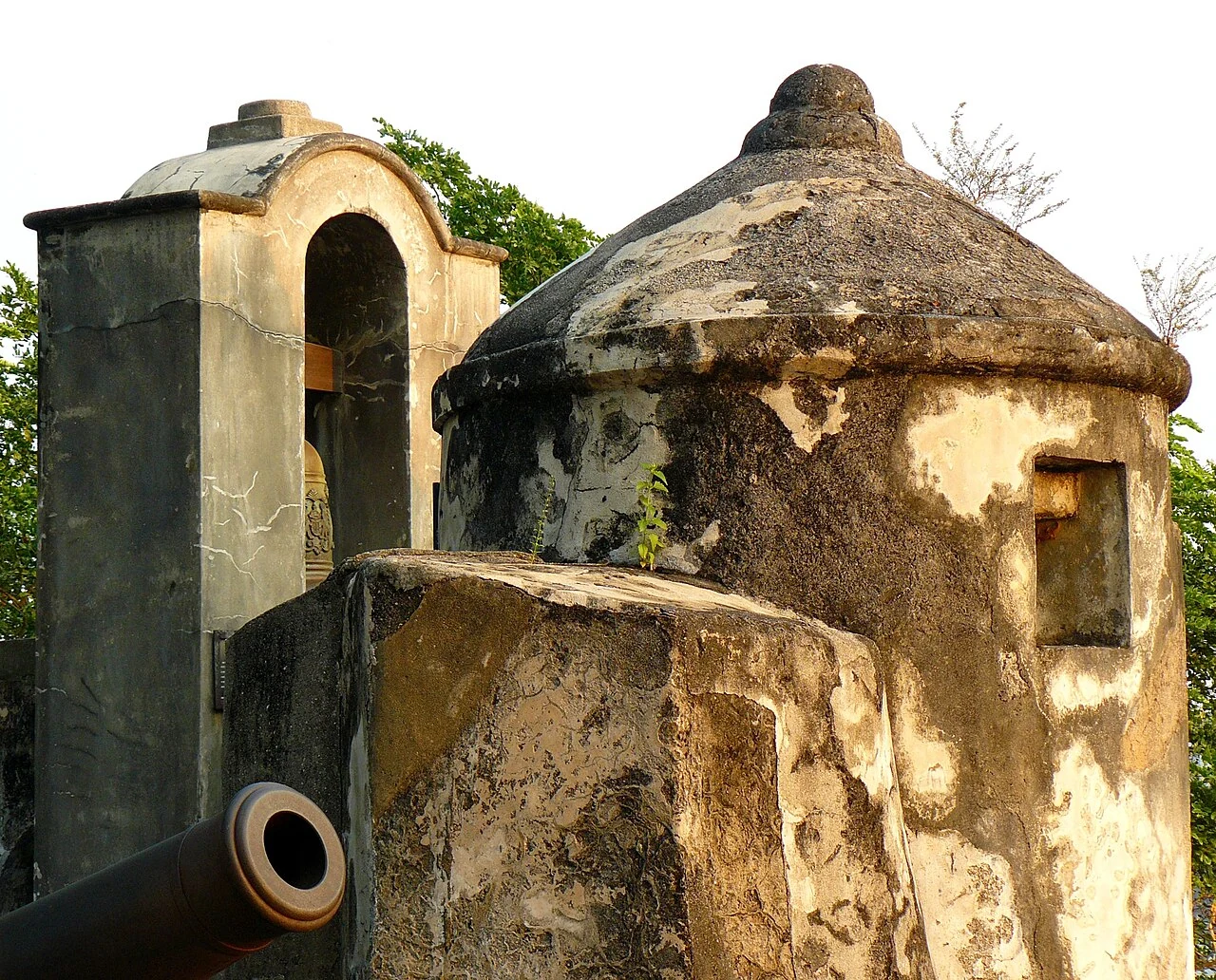
A small defensive lookout at Mount Fortress.
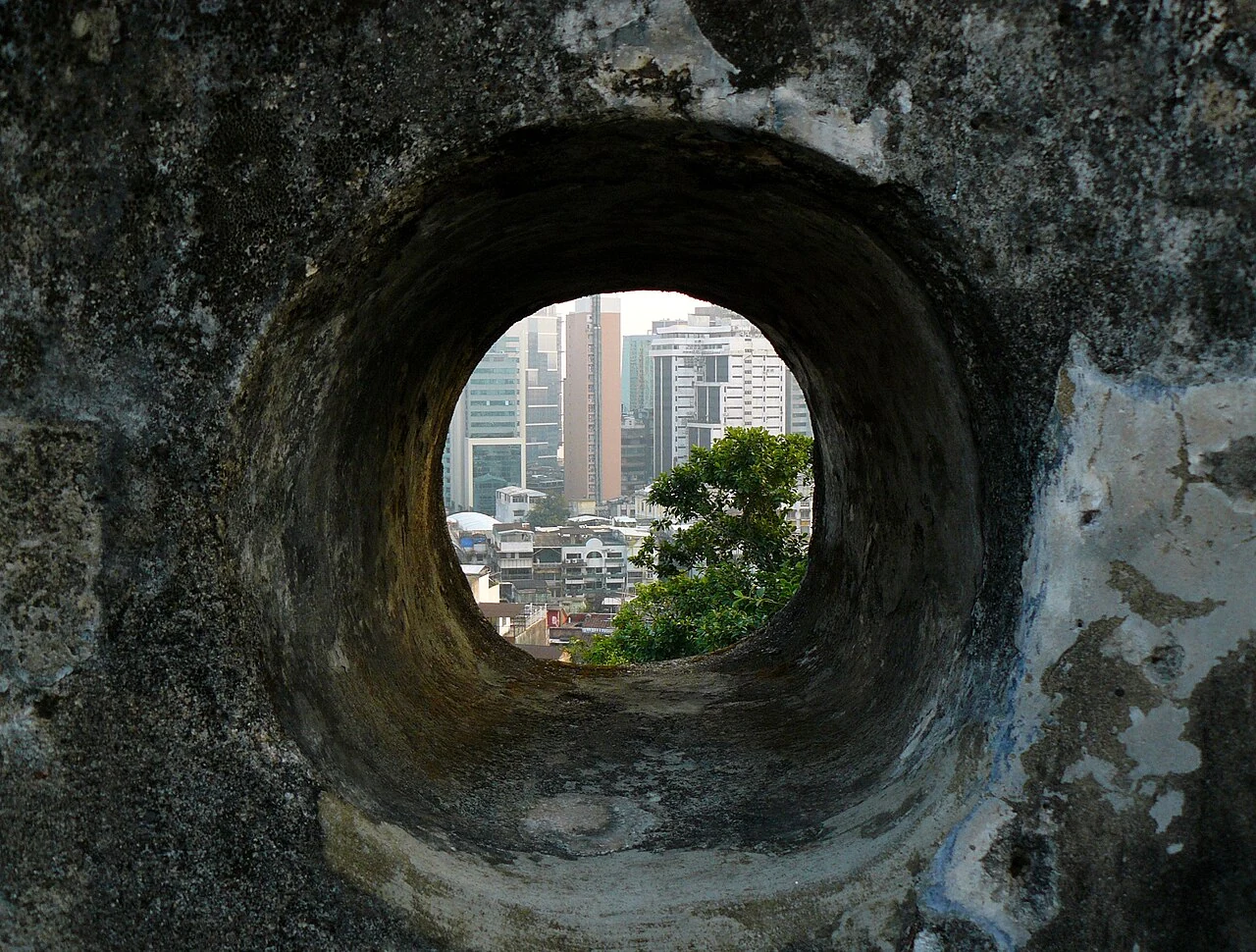
The city seen through an opening in the fortress wall.
Cannons and defensive walls on the platform of Mount Fortress.

A defence that shaped the city’s story

In 1622, the fortress was crucial in Macao’s successful defence against an attempted Dutch invasion. The event gives the site a clear historical purpose: these were working fortifications, not merely a scenic platform. The cannons and stores described in the heritage account help explain why the hill mattered in a moment of danger.

From military site to public history

The Macao Museum was installed at Mount Fortress in 1998. Its design follows the location, volume and form of the old military barracks, with two underground levels and a third above the fortress platform. The site therefore keeps the memory of military buildings while giving the hill a new public use.

From the ramparts, the city spreads below, but the museum asks visitors to turn from the view toward Macao’s history and culture. The fortress and museum are not competing meanings: one is the surviving defensive setting, the other a contemporary institution housed in a design that acknowledges the barracks once there.

Continue exploring · Macao ↗
Photo credits and rights
  1. Paolobon140 / CC BY-SA 4.0 · CC BY-SA 4.0 Photo source ↗ Rights information ↗
  2. The open upper platform of Mount Fortress.Dinkun Chen / CC BY-SA 4.0 · CC BY-SA 4.0 Photo source ↗ Rights information ↗
  3. Cannons and defensive walls on the platform of Mount Fortress.Jorge Láscar from Australia / CC BY 2.0 · CC BY 2.0 Photo source ↗ Rights information ↗
  4. A small defensive lookout at Mount Fortress.yeowatzup / CC BY 2.0 · CC BY 2.0 Photo source ↗ Rights information ↗
  5. The city seen through an opening in the fortress wall.yeowatzup / CC BY 2.0 · CC BY 2.0 Photo source ↗ Rights information ↗
  6. Cannons and defensive walls on the platform of Mount Fortress.yeowatzup / CC BY 2.0 · CC BY 2.0 Photo source ↗ Rights information ↗