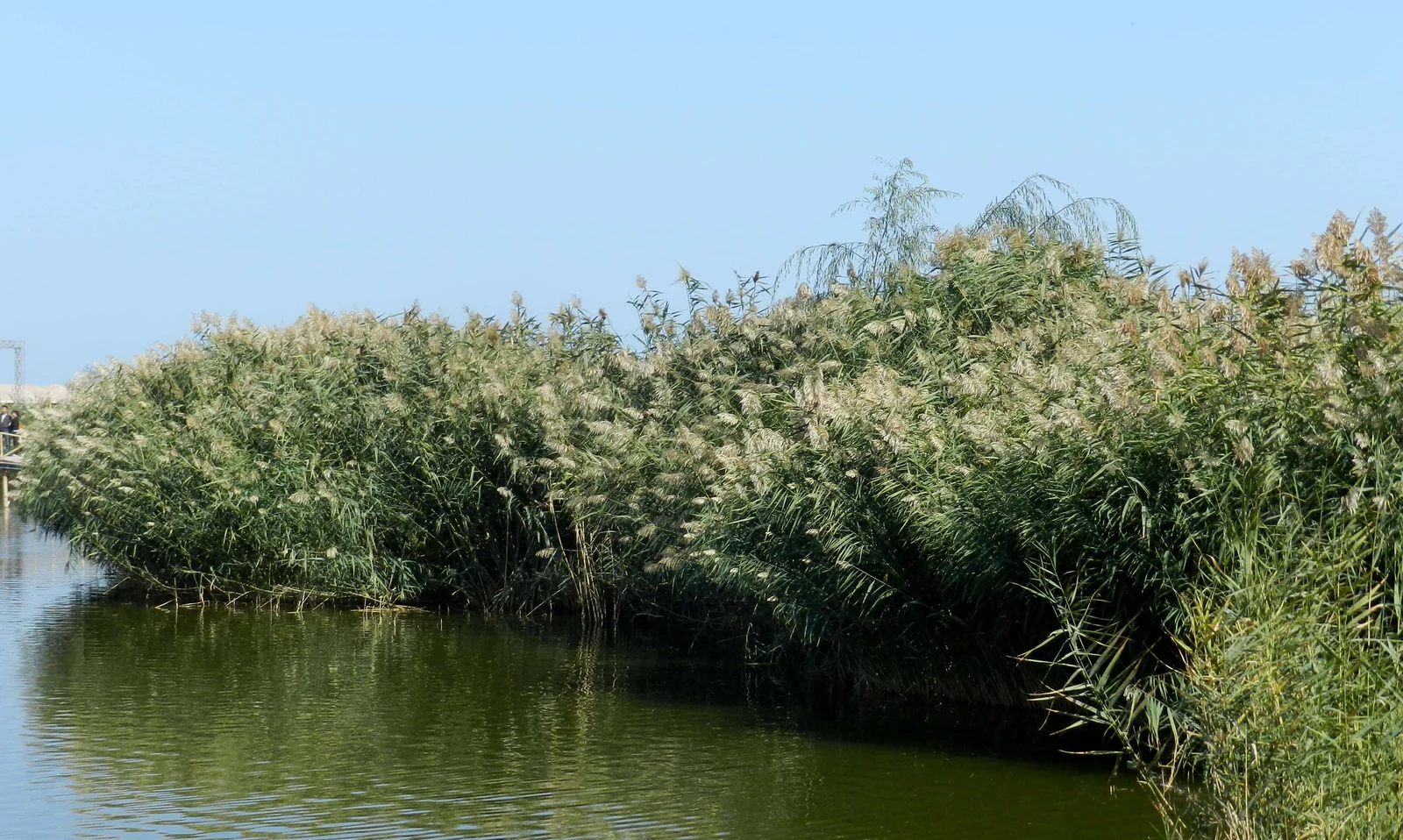
Bosten Lake lies in Bohu County, still in Bayingolin, where the mountains give way toward the Tarim. The Xinjiang water authority's 2023 page calls it the country's largest inland freshwater lake. That wording is the authority's description, and it is left in their voice. No depth, shoreline or second ranking is added beside it. The picture that matters is plainer. In a region where many rivers end in desert or in salt, a broad body of fresh water is a fact of the map. Reeds, open water and a low shore are the scene. The lake is enough of a subject without a further boast.
From the journal
The large lake
Bosten is Bohu's broad freshwater lake. A heritage market on the shore carries a Mongol name, and the lake stays the subject.
In the same city · Bayingolin ↗Fresh water that stays inland
A market with memory in its name
A notice from the regional culture department, dated 31 May 2023, lists an intangible-heritage market in Bohu, beside the lake. Its name is Donggui Xihai, and the name refers to the Torghut eastward return. Mongol memory is programmed on that shore: the market is how the county presents heritage beside the water. The notice records a county of many nationalities, Mongol among them, and it sets the market in the lake scenic area. The page is a list of markets, not a chronicle of the return. The visit stays with the lake and with the named gathering on its shore.
Lower water than the bends
Bayanbulak's bends are high in the same prefecture, inside a World Heritage component of the Tianshan. Bosten is the broad water lower down, after mountain rivers have turned toward the Tarim basin. The water-authority page sets the lake among the features of that inland drainage, in the company of the Tarim River and the southern oases. A swan wetland in a high basin and a large freshwater lake at Bohu can share a prefecture and still be different bodies of water. One is a mountain component. The other is a lake with a market on its shore. They are read as a pair only so the difference stays visible.