From the journal

Fishermen’s Lives at the Maritime Museum

The Maritime Museum’s folk exhibition brings boats, fishing methods, clothing and shipyard tools into view, alongside a whale-bone dragon boat model donated in 1990.

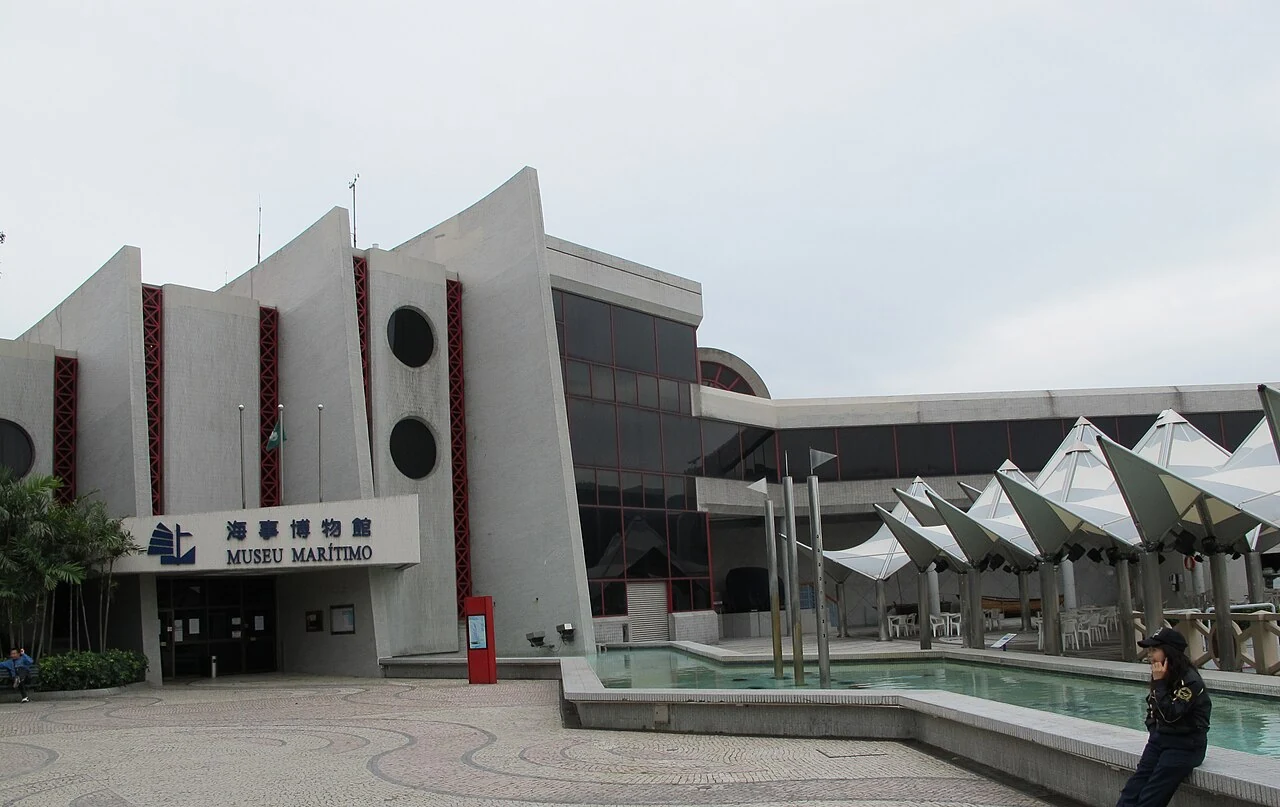
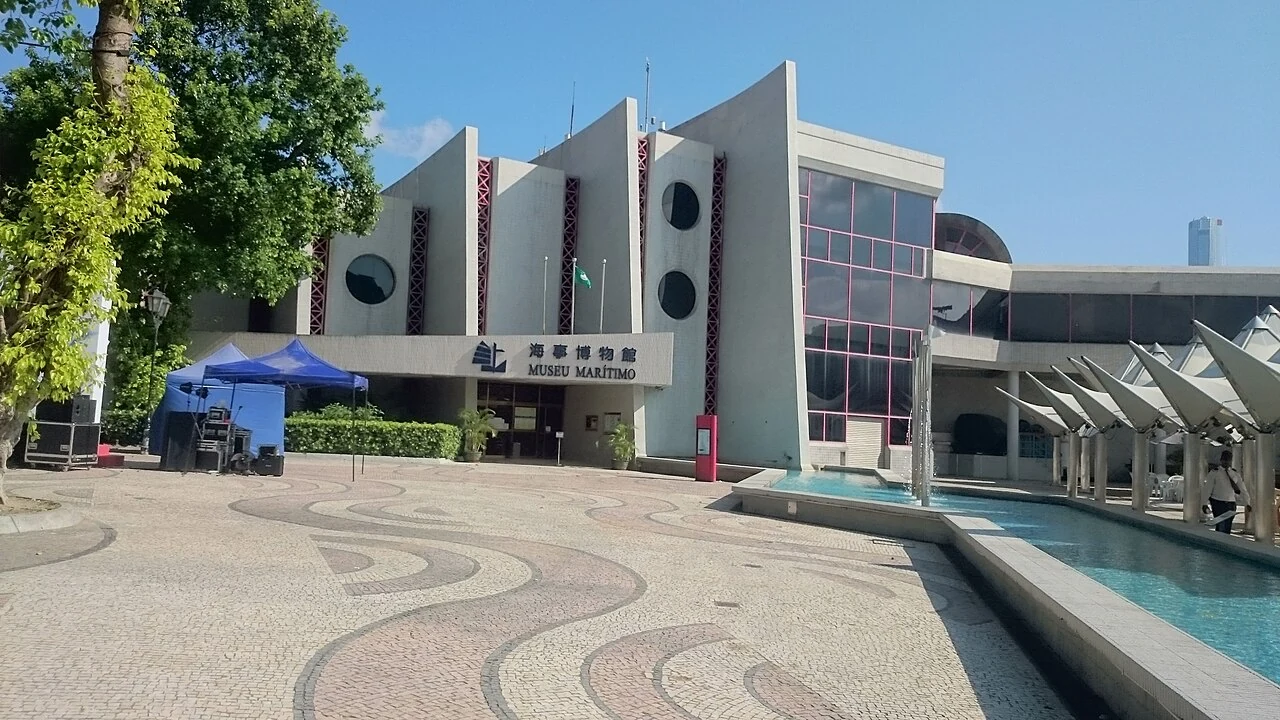
The exterior of the Maritime Museum beside A-Ma Temple.

Boats, Clothing and Fishing Methods

The Maritime Museum describes its folk exhibition as a presentation of fishing traditions and arts from Macao and other parts of southern China. Across the displays, visitors encounter different kinds of boats, fishing methods, clothing and tools used in shipyards. Together they present fishing as an entire way of working, from vessel to shore.

A vessel depends on more than its hull. Nets, hooks and other equipment shape what can be caught; clothing answers the conditions of work; a shipyard keeps boats usable. Placing these objects together shows knowledge moving between water, workshop and home. The exhibition’s range offers a material portrait of coastal livelihoods and the skills they required.
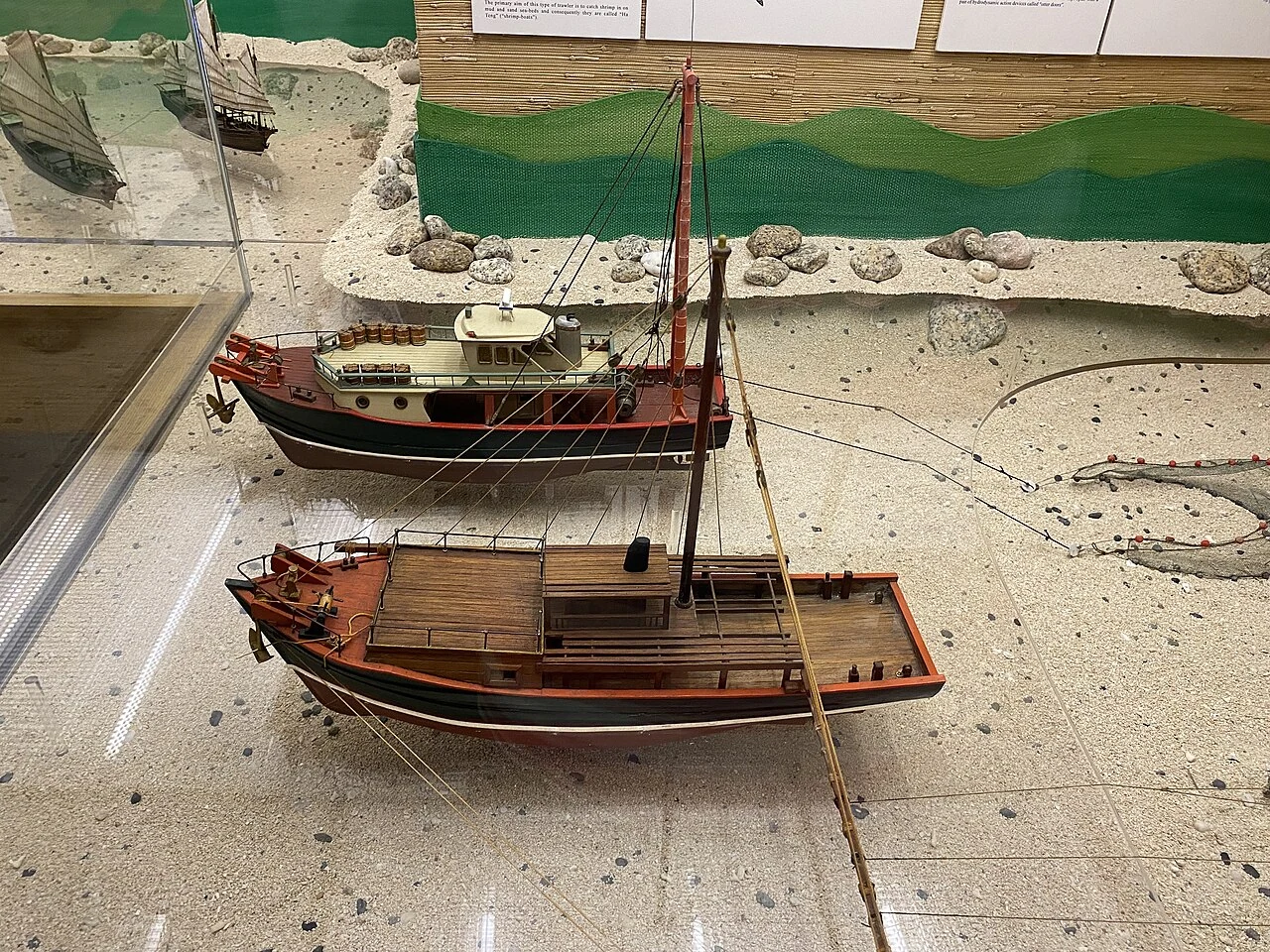
Traditional boat models displayed in the Maritime Museum.

A Model Kept as a Sacred Object

One object has a history that begins outside the museum: a dragon-boat model made from whale bone. According to the Maritime Museum, it was kept in a local temple and regarded as sacred. Temple representatives donated it to the museum in 1990.

The model carries more than a form. Its material distinguishes it from ordinary boat construction; its time in a temple ties it to local belief; its donation makes it part of a public collection. A miniature vessel can therefore preserve several kinds of memory at once—craft, worship and the community decision to entrust an object to a museum.

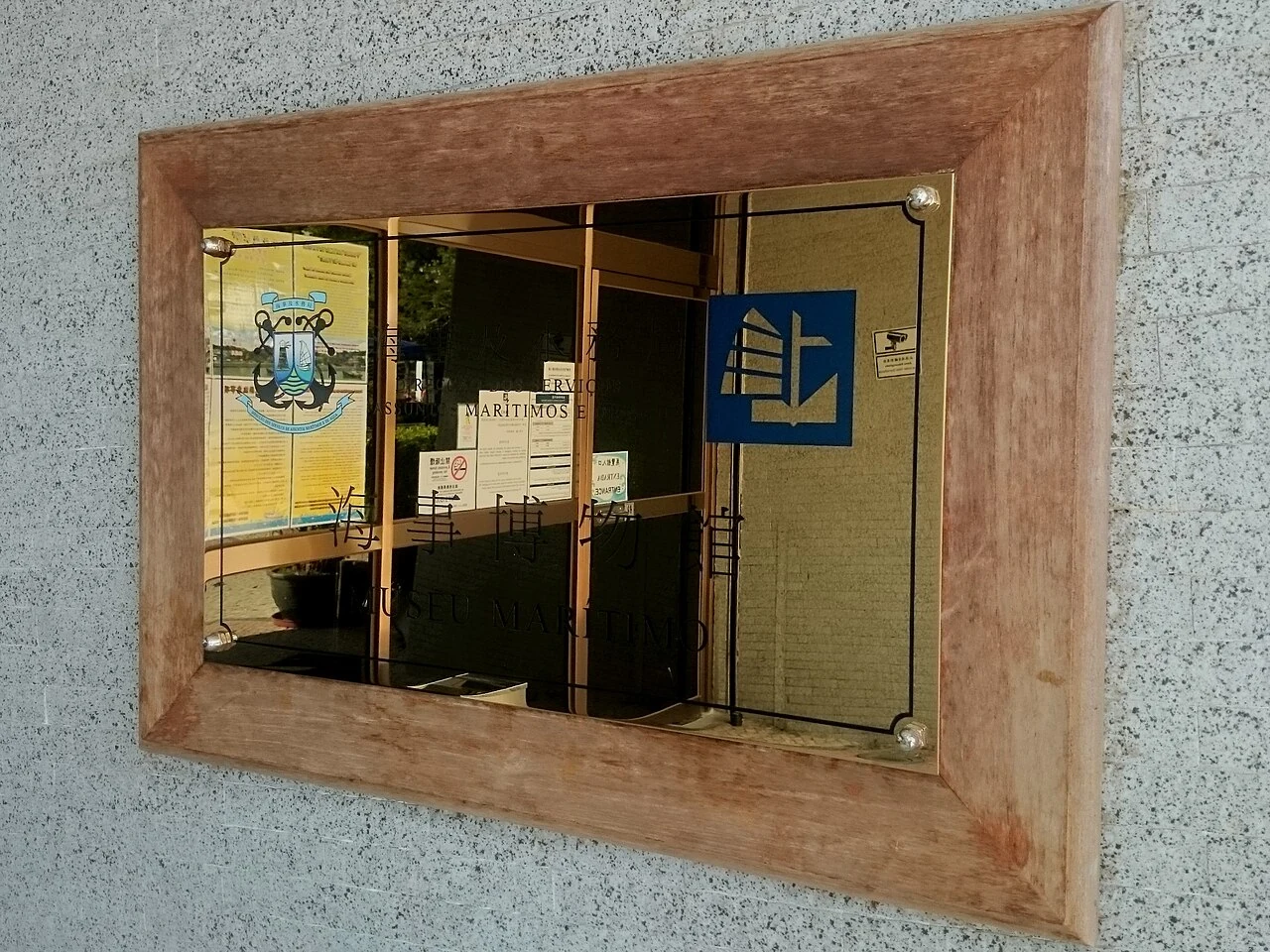
The Maritime Museum entrance sign.

A Collection of Connected Skills

The museum’s displays are strongest when read as connected parts of a livelihood. Boat forms answer particular waters and uses; fishing methods shape the movement of hands and equipment; shipyard tools prolong a vessel’s working life. Clothing belongs to this same system, made for people whose labour took place on or beside the water.

Macao’s relationship to the sea is not only a story of routes and ports. It is also the daily knowledge of those who fished, repaired boats and passed skills within a community. The folk exhibition gathers those material traces into one place, allowing the visitor to move from a model boat to the objects that supported real work.

The exterior of the Maritime Museum beside A-Ma Temple.
Continue exploring · Macao ↗
Photo credits and rights
  1. Solomon203 / CC BY-SA 4.0 · CC BY-SA 4.0 Photo source ↗ Rights information ↗
  2. Traditional boat models displayed in the Maritime Museum.LN9267 / CC BY-SA 4.0 · CC BY-SA 4.0 Photo source ↗ Rights information ↗
  3. The Maritime Museum entrance sign.Solomon203 / CC BY-SA 4.0 · CC BY-SA 4.0 Photo source ↗ Rights information ↗
  4. The exterior of the Maritime Museum beside A-Ma Temple.Fanghong / CC BY-SA 3.0 · CC BY-SA 3.0 Photo source ↗ Rights information ↗