From the journal

Pumps, Boots and the Changing Fire Service

Two hand-operated pumps from 1877 and 1908 anchor the Fire Services Museum’s account of equipment, buildings and the changing work of public protection.

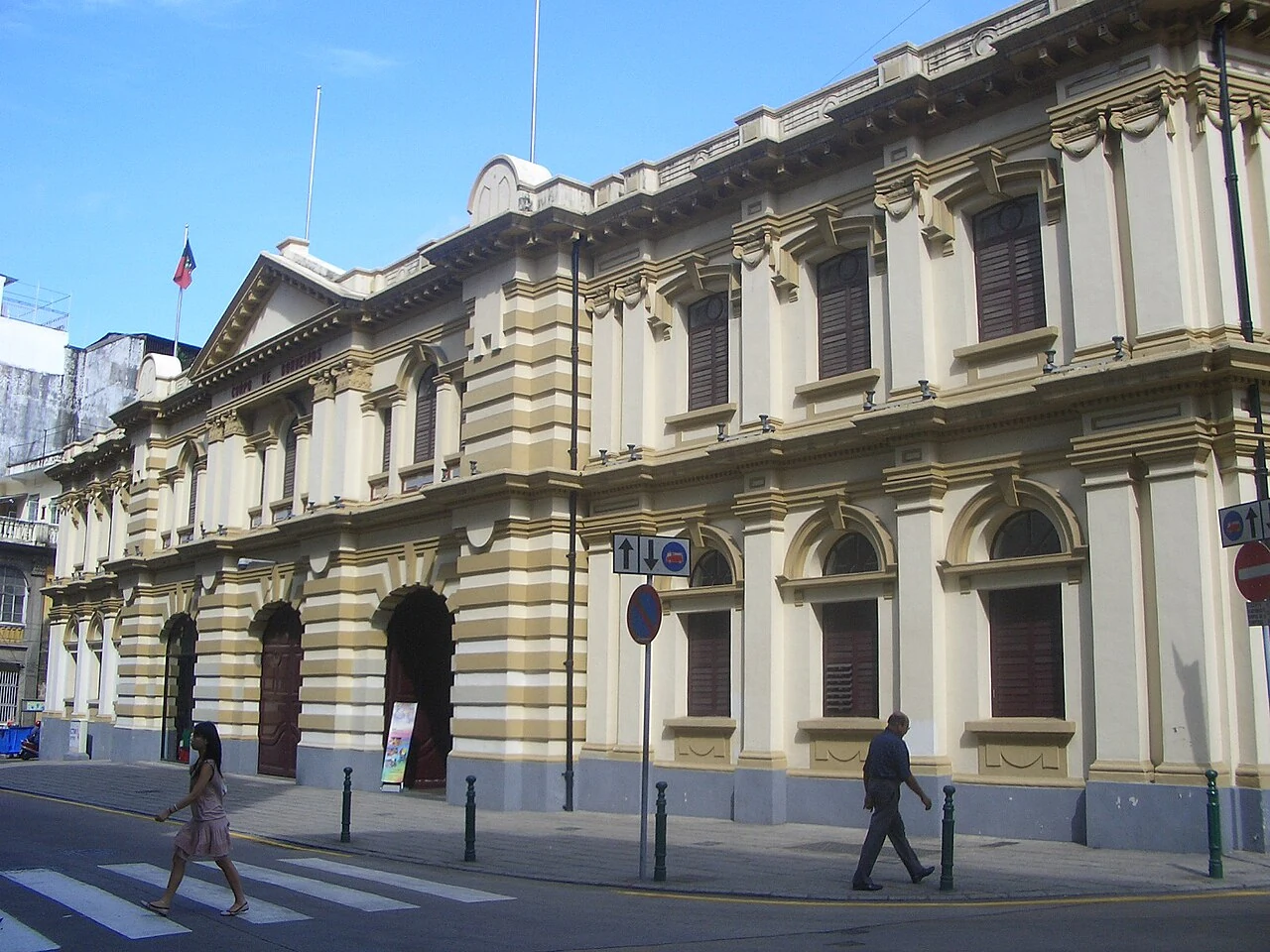
The historic fire-station building housing the Fire Services Museum.

A Pair of Hand-Powered Machines

The Fire Services Museum displays a Chinese-made hand pump from 1908 and a British-made hand pump from 1877. Their dates and origins make the two machines more than old equipment: they show how fire response depended on tools that demanded coordinated human effort. A hand pump needs water, people and a repeated mechanical action before it can send a stream toward a fire.

The museum’s main and inner exhibition rooms hold more than five hundred objects across about 350 square metres, according to the Fire Services Bureau. Pumps, uniforms and other equipment place the work within a larger history of public service. A tool becomes easier to understand when set beside the people expected to operate it and the buildings they served.
The historic fire-station building housing the Fire Services Museum.

From Vehicle Bay to Gallery

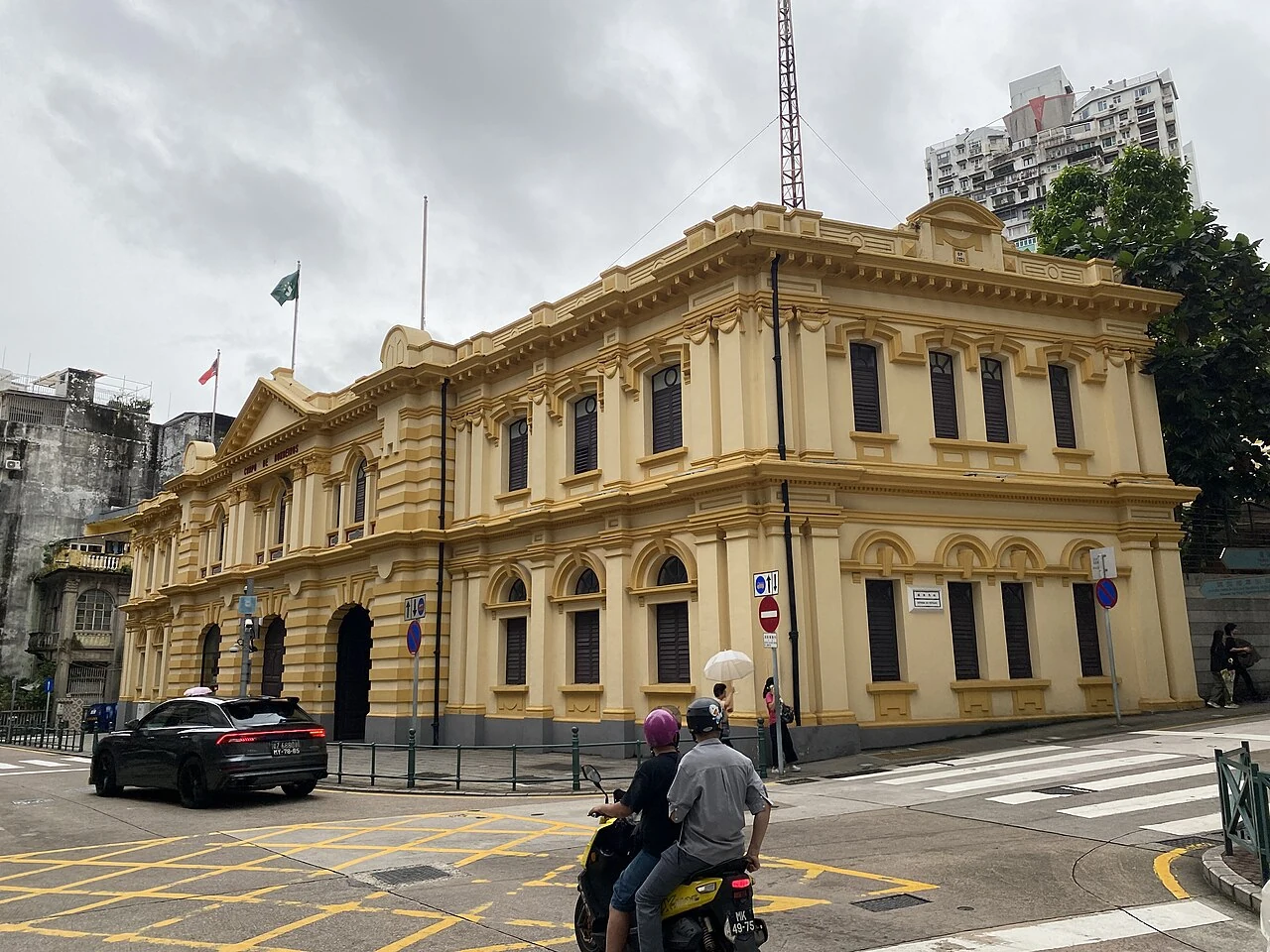
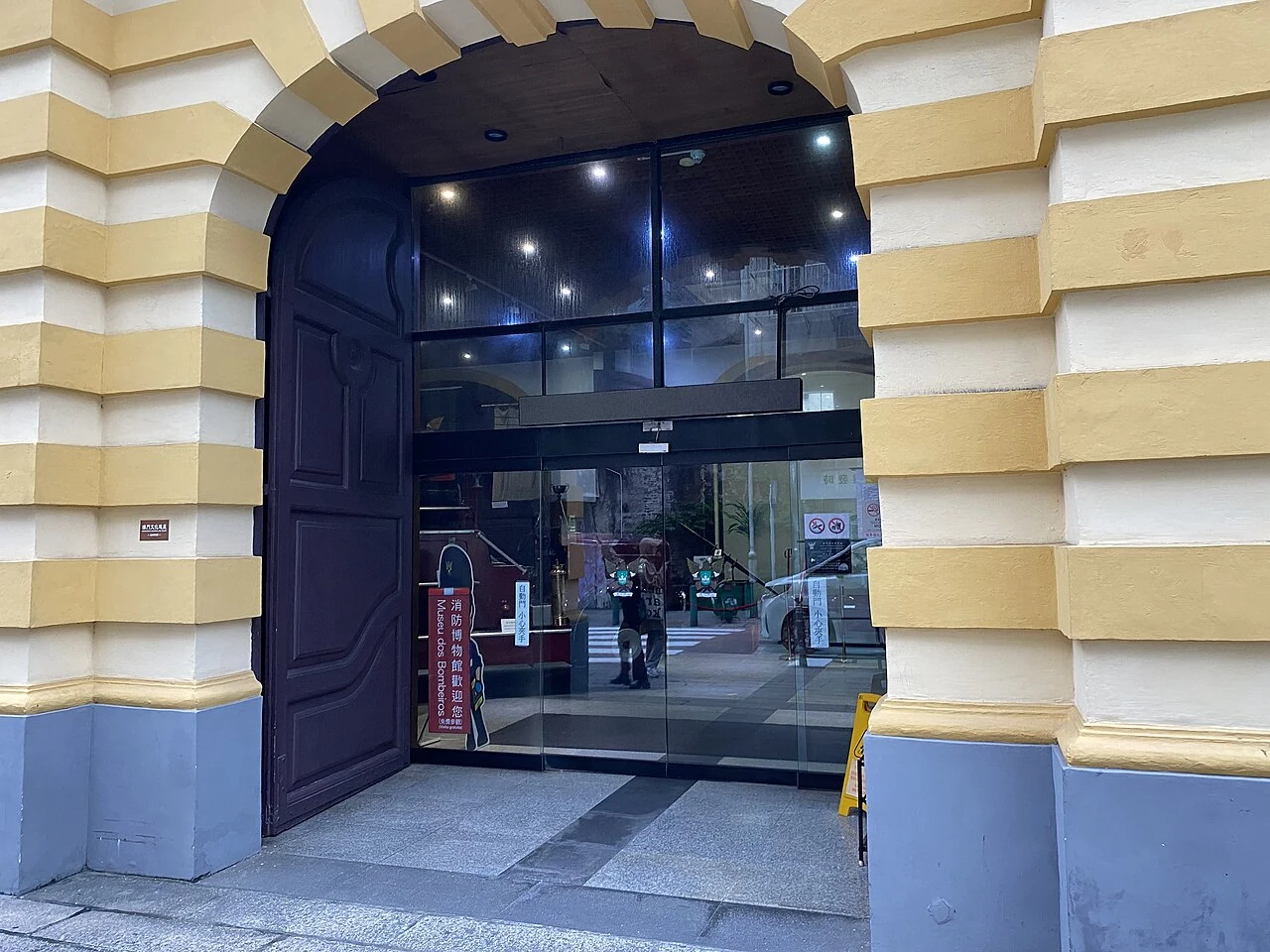
The museum occupies a two-storey building whose ground floor was once used to park fire engines. The upper floor served as sleeping quarters for duty crews. The building’s earlier plan makes the museum’s subject unusually close: the displays now occupy rooms that belonged to the service itself.

A fire station is shaped by readiness. Vehicles need a clear way out; crews need to remain near their equipment; rest and response share one address. The museum preserves that relationship in its architecture while using exhibits to explain how tools, clothing and organization changed. The rooms offer a view of the service as a workplace, not only as a collection of historical objects.

The entrance to the Fire Services Museum.

Public Safety as Material History

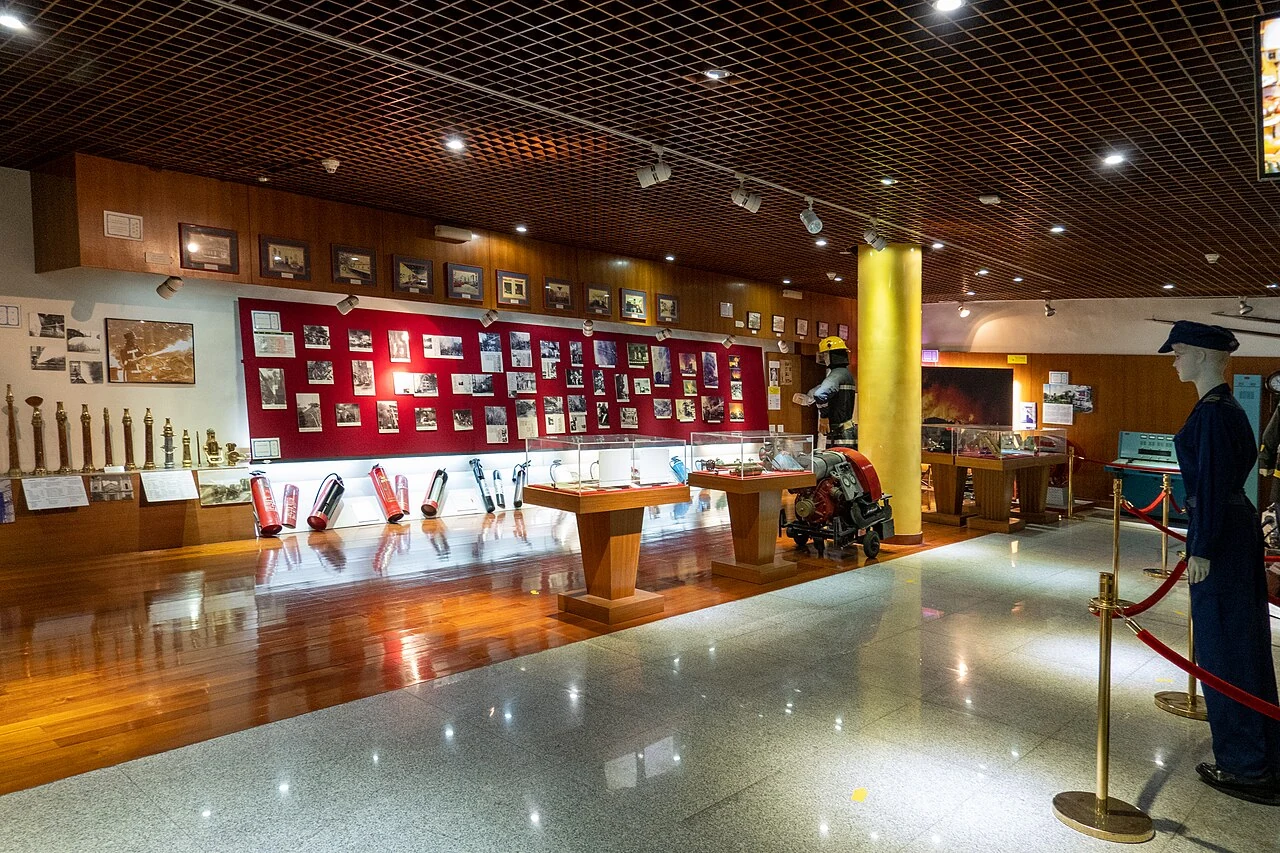
Old pumps and uniforms record a city’s changing response to fire. Materials and mechanisms show what earlier crews could carry and operate; later equipment reflects new technologies and a different scale of urban service. A museum cannot capture every alarm or rescue, but the objects make the conditions of response tangible.

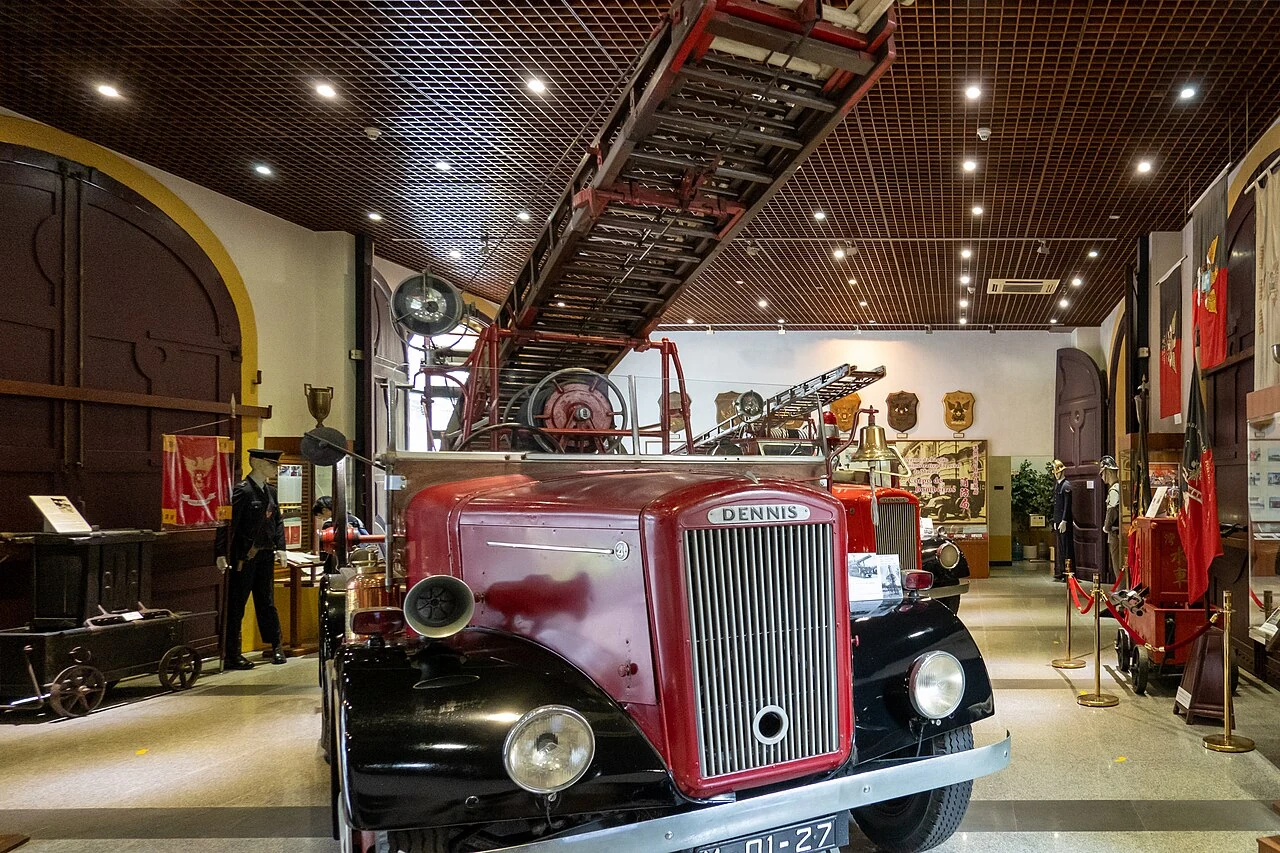
The Fire Services Museum ties those changes to a real civic building. The engine bay, duty quarters and exhibition rooms form one sequence from work to memory. Its two dated pumps offer a useful starting point: before engines became modern machines, water pressure was something crews had to create together by hand.

A historic fire engine displayed inside the Fire Services Museum.
Fire-service equipment and historical displays in the museum.
Continue exploring · Macao ↗
Photo credits and rights
  1. No machine-readable author provided. 9old9 assumed (based on copyright claims). / CC BY-SA 3.0 · CC BY-SA 3.0 Photo source ↗ Rights information ↗
  2. The historic fire-station building housing the Fire Services Museum.LN9267 / CC BY-SA 4.0 · CC BY-SA 4.0 Photo source ↗ Rights information ↗
  3. The entrance to the Fire Services Museum.LN9267 / CC BY-SA 4.0 · CC BY-SA 4.0 Photo source ↗ Rights information ↗
  4. A historic fire engine displayed inside the Fire Services Museum.Iswzo / CC BY-SA 4.0 · CC BY-SA 4.0 Photo source ↗ Rights information ↗
  5. Fire-service equipment and historical displays in the museum.Iswzo / CC BY-SA 4.0 · CC BY-SA 4.0 Photo source ↗ Rights information ↗