From the journal

The Calçada Underfoot

Portuguese calçada links Macao’s public squares and streets, a patterned paving tradition maintained as part of the city’s pedestrian fabric.

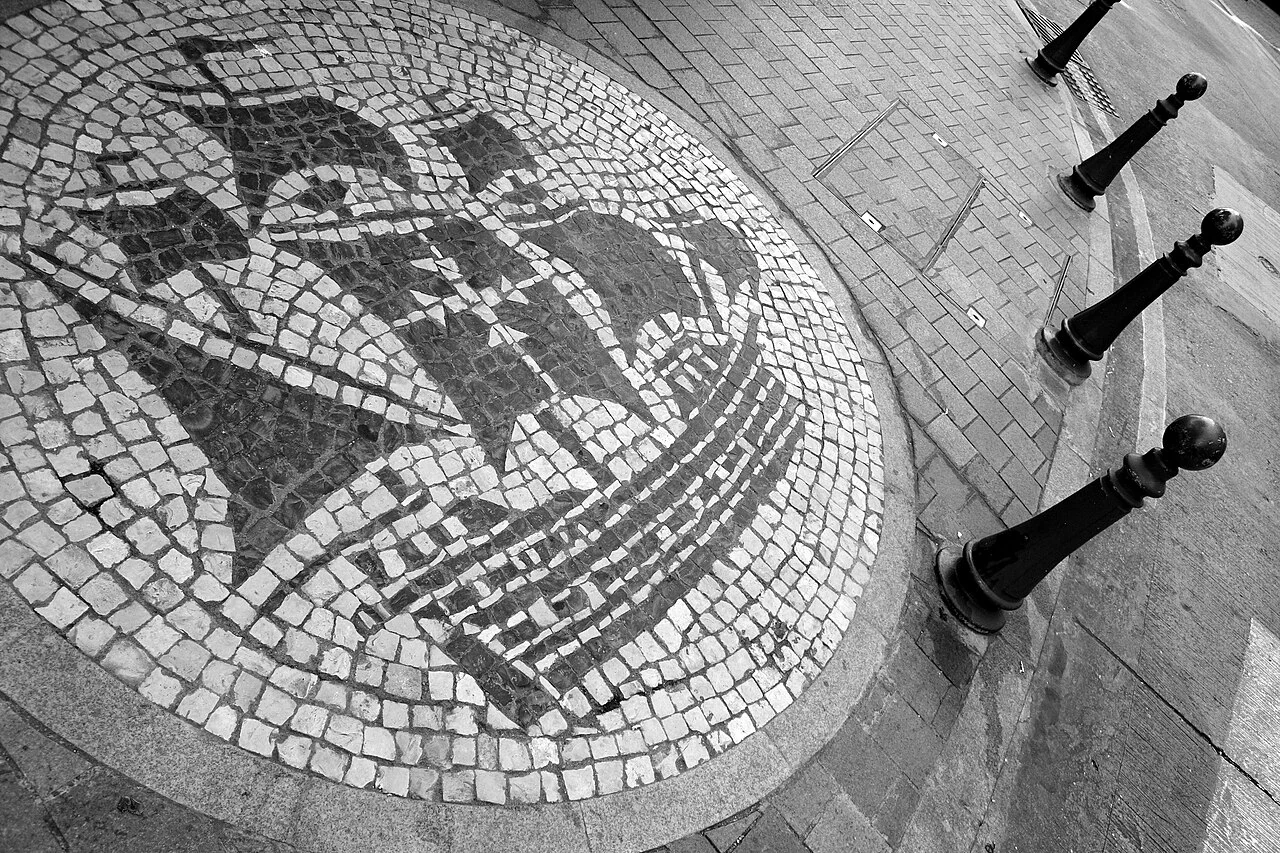
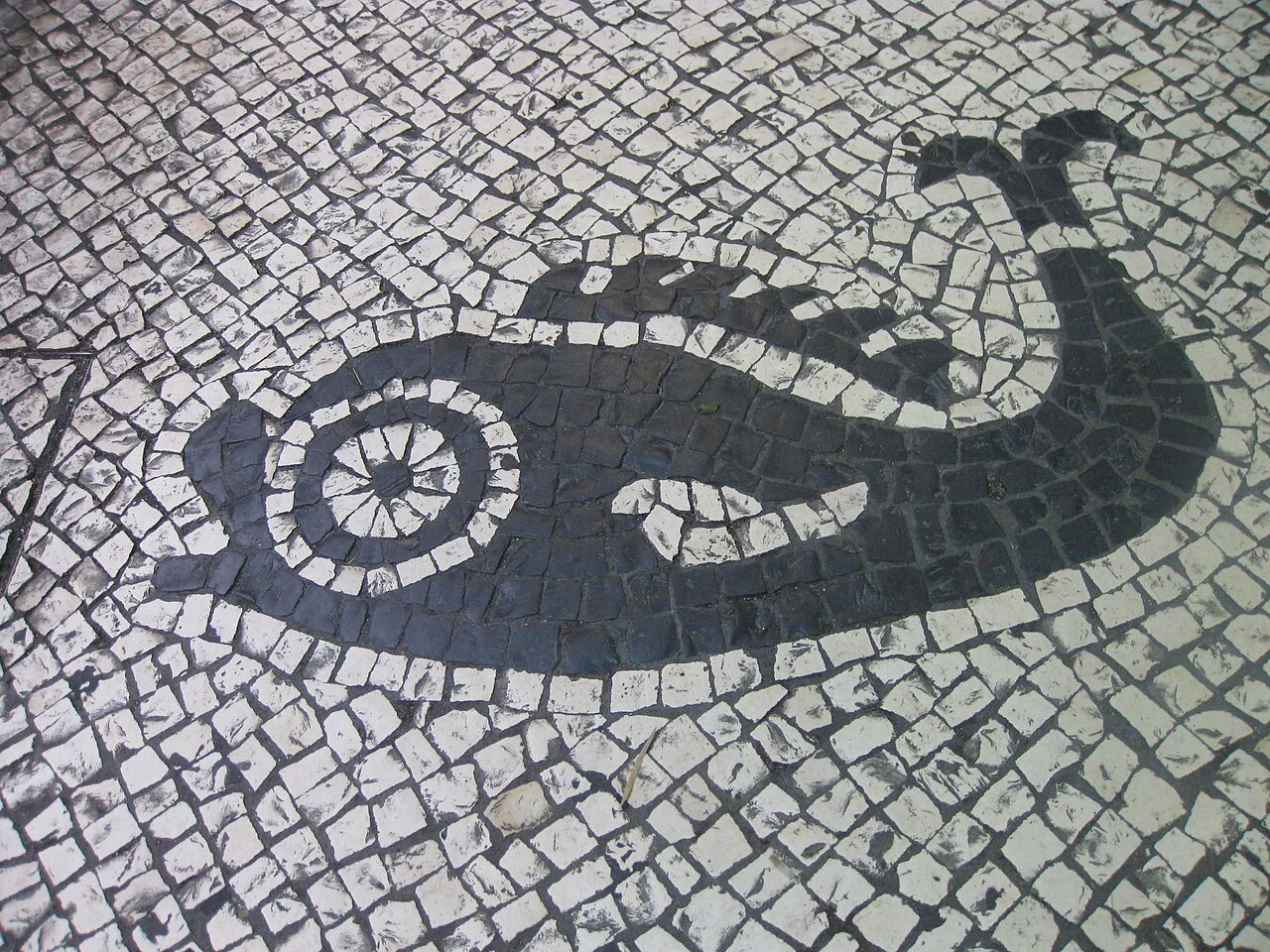
A figurative motif set into Macao’s black-and-white stone paving.

A Pattern at Walking Pace

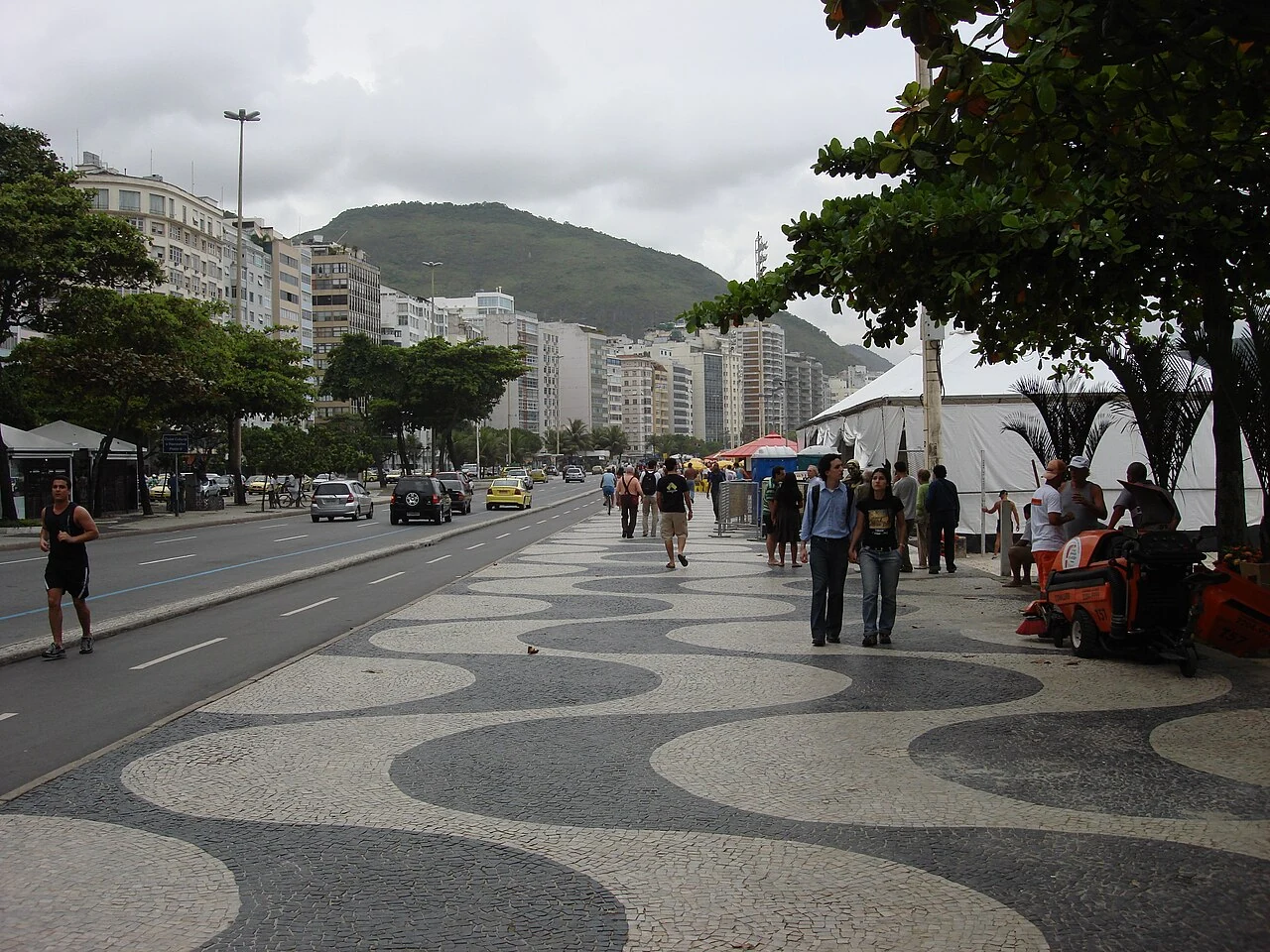
Calçada portuguesa is part of the pavement across Macao’s squares and streets. The Municipal Affairs Bureau says it will continue maintaining the traditional stone paving and using it in public spaces and routes. The surface belongs to the city’s everyday design: people cross it on errands, pause in plazas and follow it from one neighbourhood to another.

At walking pace, paving becomes a continuous visual field beneath shopfronts and façades. It gives a square a recognizable surface and carries the same material language into streets beyond it. The pattern is not confined to a single monument. It appears in the public spaces that people use to move through the city.
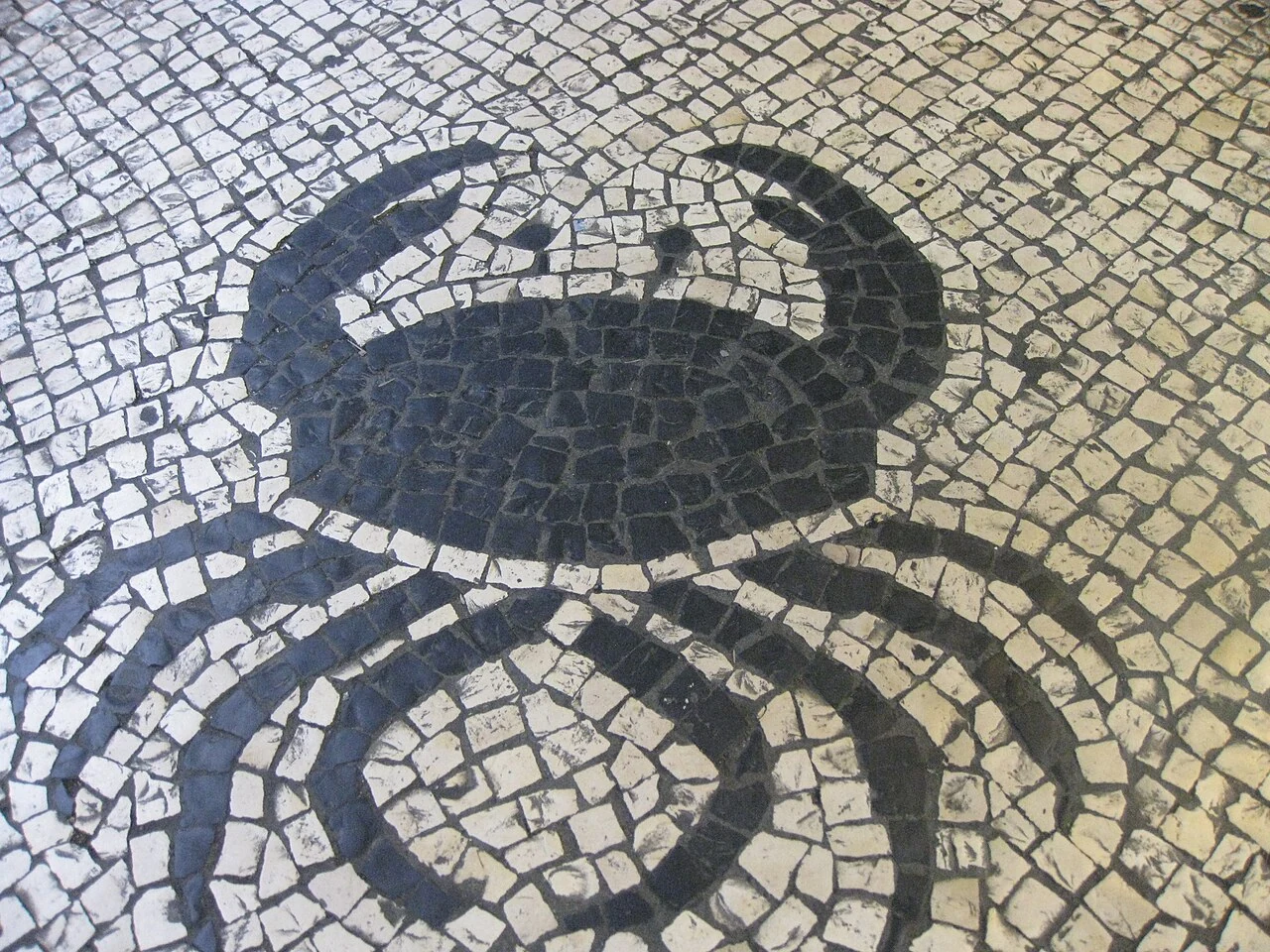
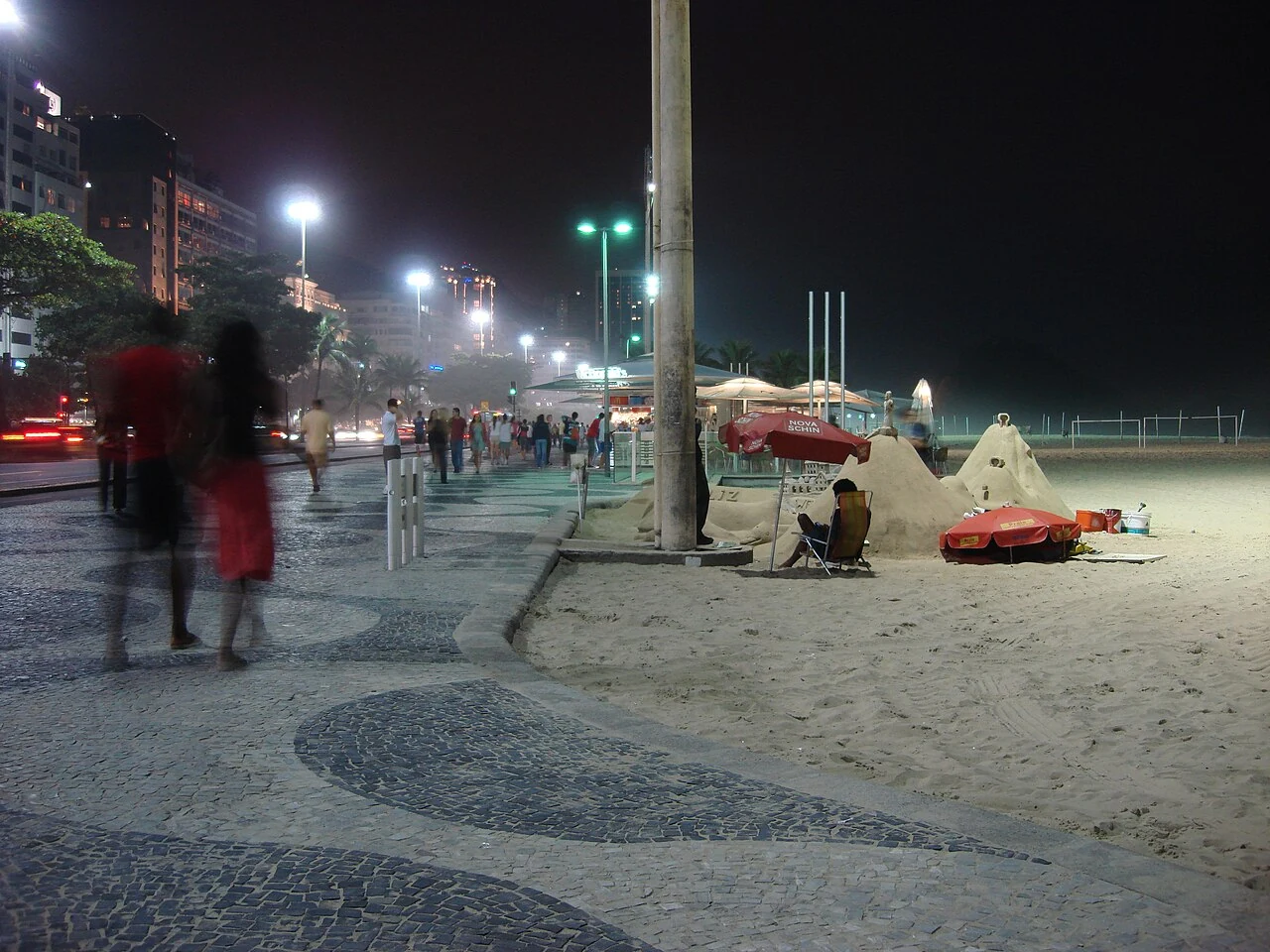
A figurative motif set into Macao’s black-and-white stone paving.

A Route Made of Stone

The bureau describes calçada as a link between neighbourhoods and tourist points. Its work is therefore both decorative and practical: it gives roads and squares a shared surface while helping make public areas more comfortable for pedestrians. A pattern can guide the eye, but the paving’s everyday role is to support the walk itself.

Macao’s urban character is often discussed through buildings from different cultural traditions. Calçada brings that history down to ground level. It is an element of public design that residents encounter routinely, connecting a lane to a plaza and one part of the city to another.

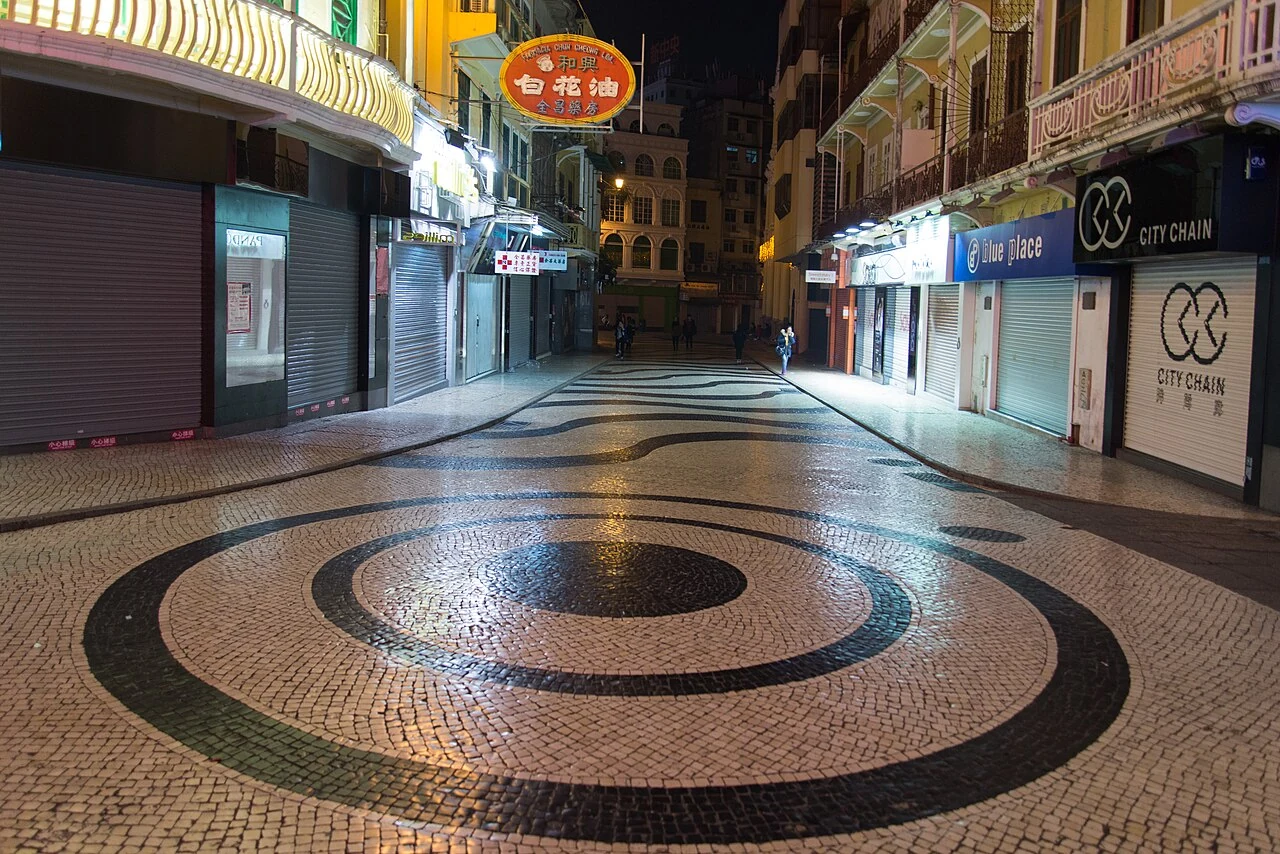
Black-and-white stone paving in a Macao public space.

Maintaining a Living Pavement

Stone paving wears under thousands of footsteps. The municipal bureau’s commitment to maintaining calçada recognizes it as working infrastructure as well as a cultural feature. Care keeps public squares and routes usable while retaining the surface that has become part of Macao’s urban image.

The pavement is easiest to notice when a pattern opens across a plaza or changes underfoot at a street crossing. Yet its most important quality may be continuity: a surface that connects everyday destinations. Calçada is one of the city’s quieter forms of cultural memory, carried at the level of the walker.

Black-and-white stone paving in a Macao public space.
A figurative motif set into Macao’s black-and-white stone paving.
Black-and-white stone paving in a Macao public space.
Continue exploring · Macao ↗
Photo credits and rights
  1. deror_avi / CC BY-SA 3.0 · CC BY-SA 3.0 Photo source ↗ Rights information ↗
  2. A figurative motif set into Macao’s black-and-white stone paving.deror_avi / CC BY-SA 3.0 · CC BY-SA 3.0 Photo source ↗ Rights information ↗
  3. Black-and-white stone paving in a Macao public space.Jorge Láscar from Australia / CC BY 2.0 · CC BY 2.0 Photo source ↗ Rights information ↗
  4. Black-and-white stone paving in a Macao public space.Jorge Láscar from Australia / CC BY 2.0 · CC BY 2.0 Photo source ↗ Rights information ↗
  5. A figurative motif set into Macao’s black-and-white stone paving.yeowatzup / CC BY 2.0 · CC BY 2.0 Photo source ↗ Rights information ↗
  6. Black-and-white stone paving in a Macao public space.kewl / CC BY 2.0 · CC BY 2.0 Photo source ↗ Rights information ↗