From the journal

A landing place before the bridges

Coloane Wharf was built in 1873.

The entrance arch at Coloane Pier.

The 1873 landing place

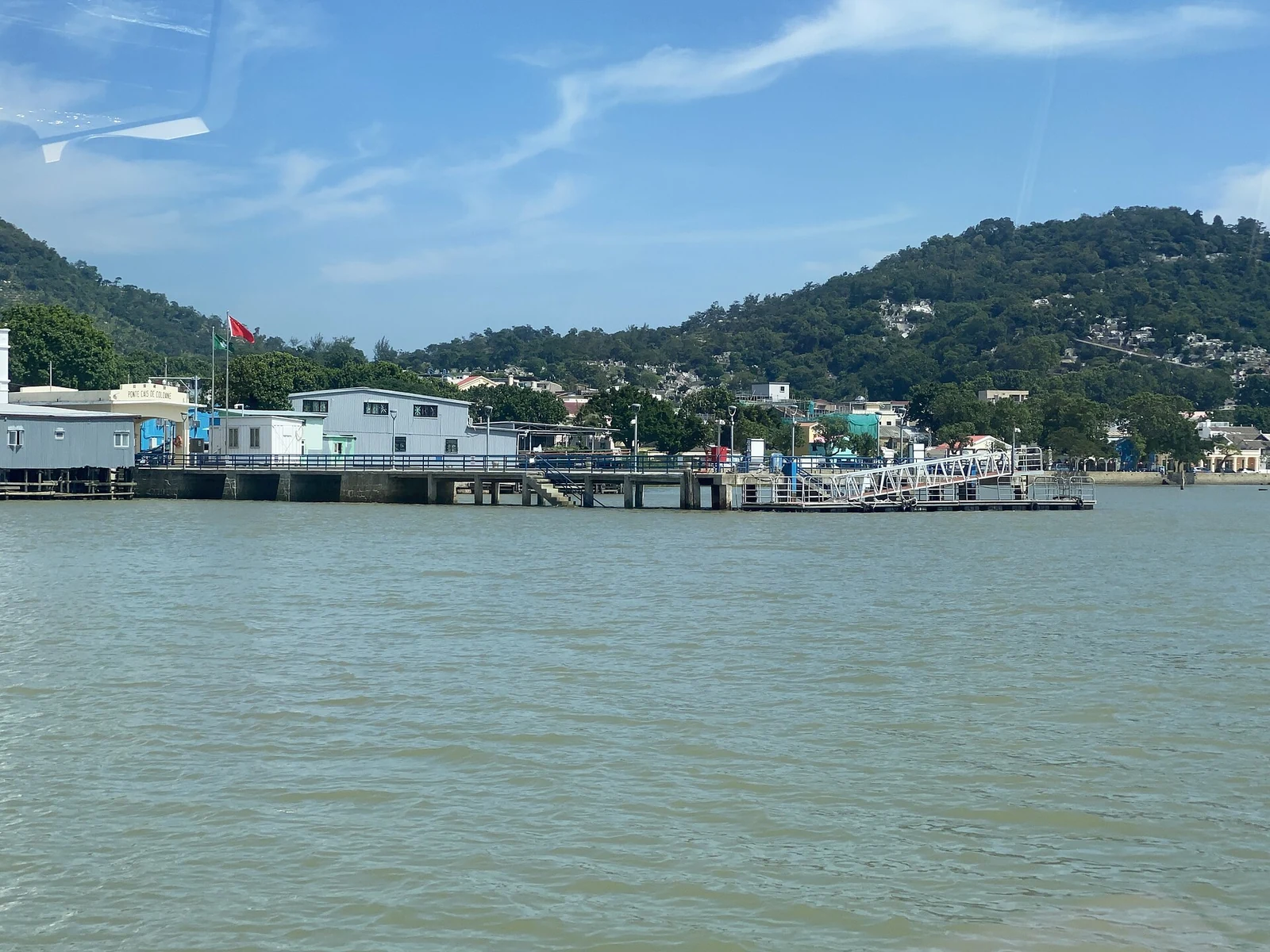
Coloane Wharf was built in 1873. Before the bridges and the Cotai Causeway connected the islands by road, the wharf was a public transport point where ferries carried passengers between Coloane, Taipa and Macau. Scheduled services also ran to the mainland. A customs office stood beside the landing place, reflecting the wharf’s role in managing movement as well as enabling it.

The location made the pier a gateway into the village and a link outward from it. Boats, rather than a road network, set the terms of travel. For people living on the island, arrival and departure were tied to the waterfront; the wharf was an everyday piece of infrastructure, not simply a scenic edge.
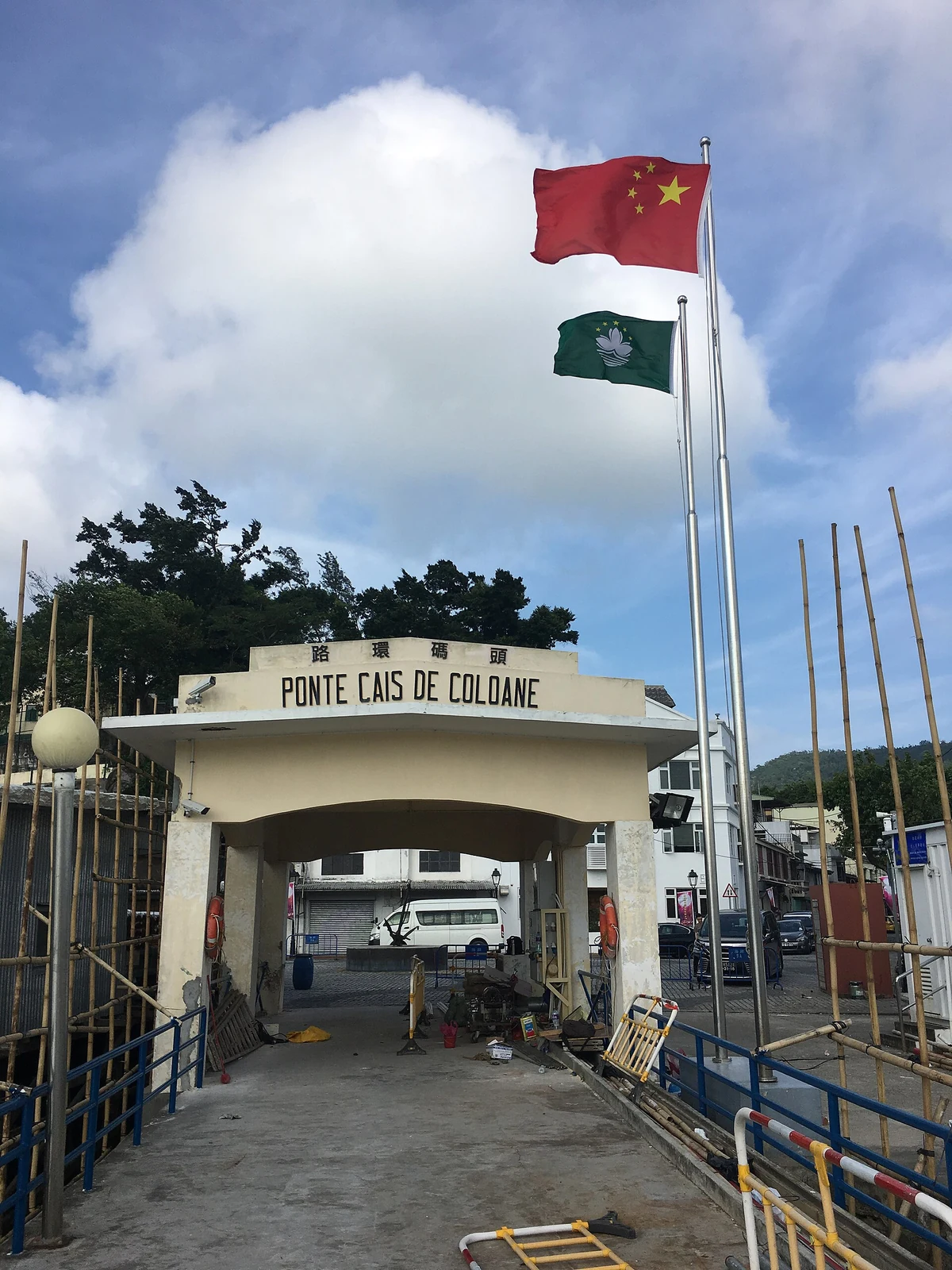
The entrance arch at Coloane Pier.
The waterside and buildings of Coloane seen from the harbour.

A working waterfront

The wharf was once among Macau’s major landing places. Its surroundings joined transport to trade: ferries brought people, while the waterfront was also associated with local seafood and shops selling dried marine products. The strong aroma of dried seafood still links the pier to Coloane’s trading life, even as bridges and roads have reduced the wharf’s former importance.

A customs office beside the landing helped make this a regulated threshold. The pier’s importance came from the combination of passenger traffic, scheduled routes and its place within the working village. The waterfront opened Coloane to the outside world while remaining close to the food businesses and streets of the settlement.

When land routes replaced ferry links

The construction of bridges and roads reduced the wharf’s transport role. Once a journey could continue overland, the ferry landing no longer carried the same weight in Macau’s public transport system. The change was gradual in the landscape but decisive in the function of the site: a major point of connection became a quieter waterfront landmark.

The story of Coloane Wharf is a history of changing infrastructure. Its 1873 date, the ferry links to Taipa and Macau, mainland services and customs station all belong to the period when water routes organized travel. The bridges changed that geography, but the old pier still marks the place where the village once met the wider territory by boat.

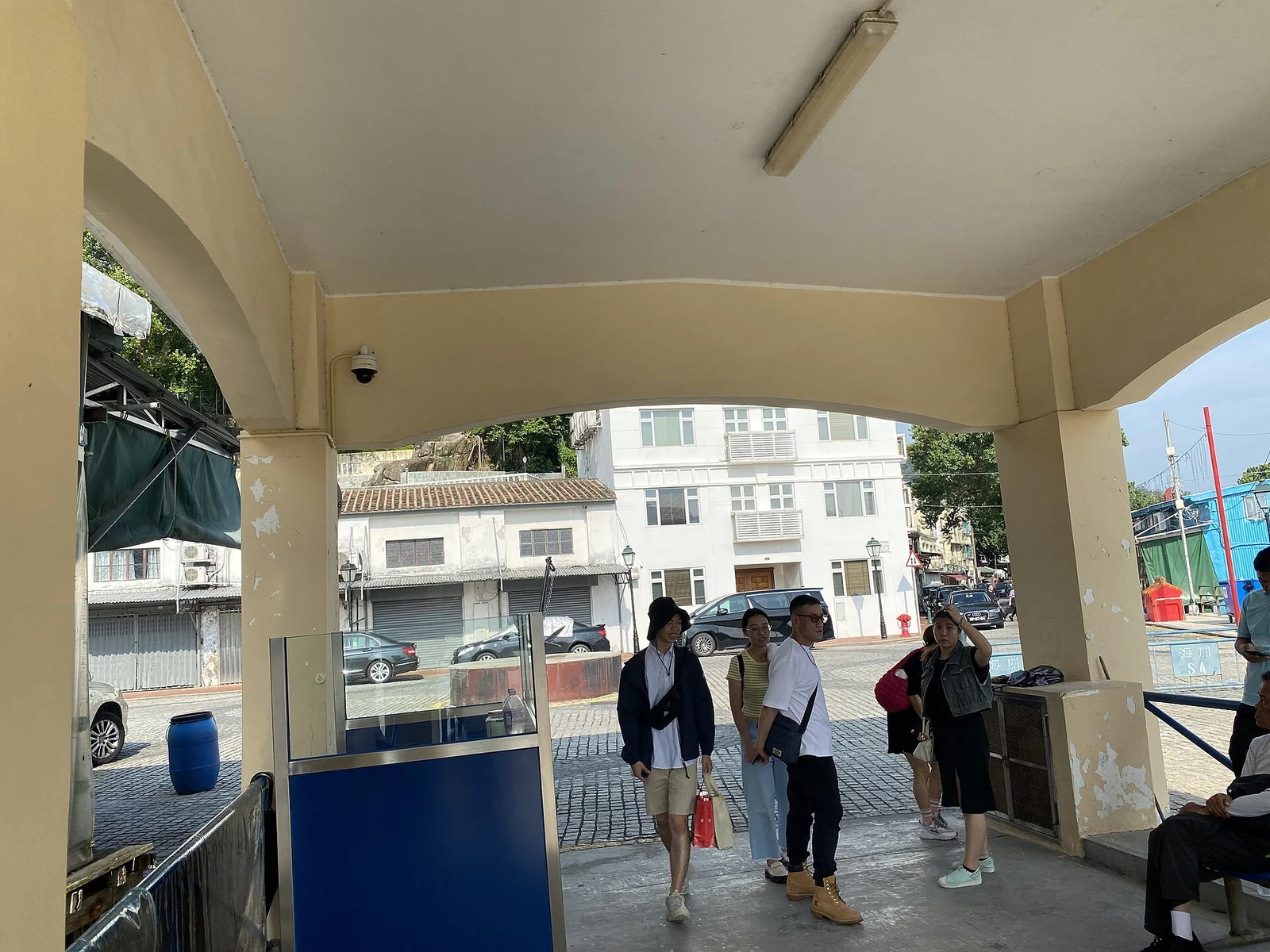
The covered structure of Coloane Pier.
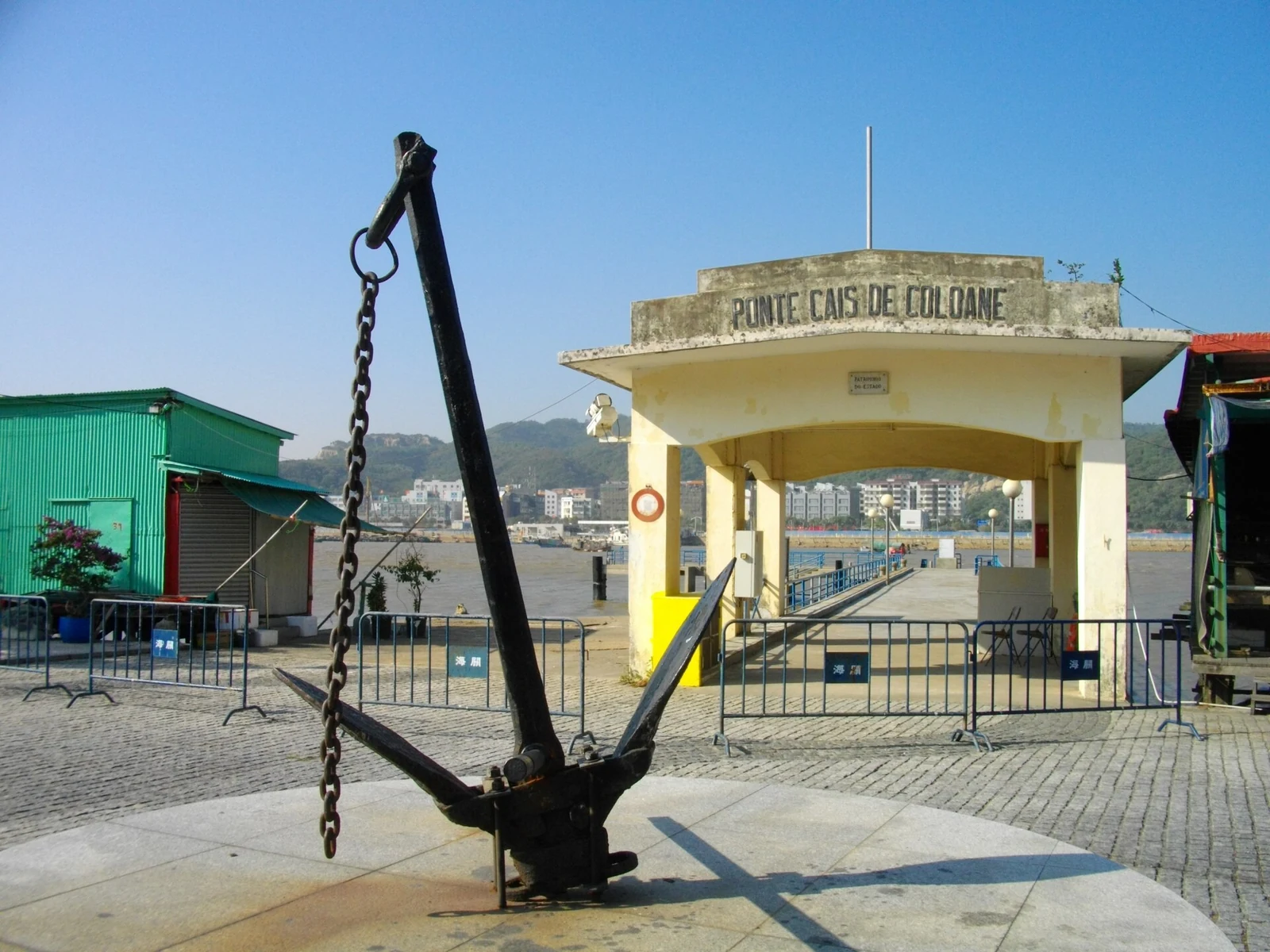
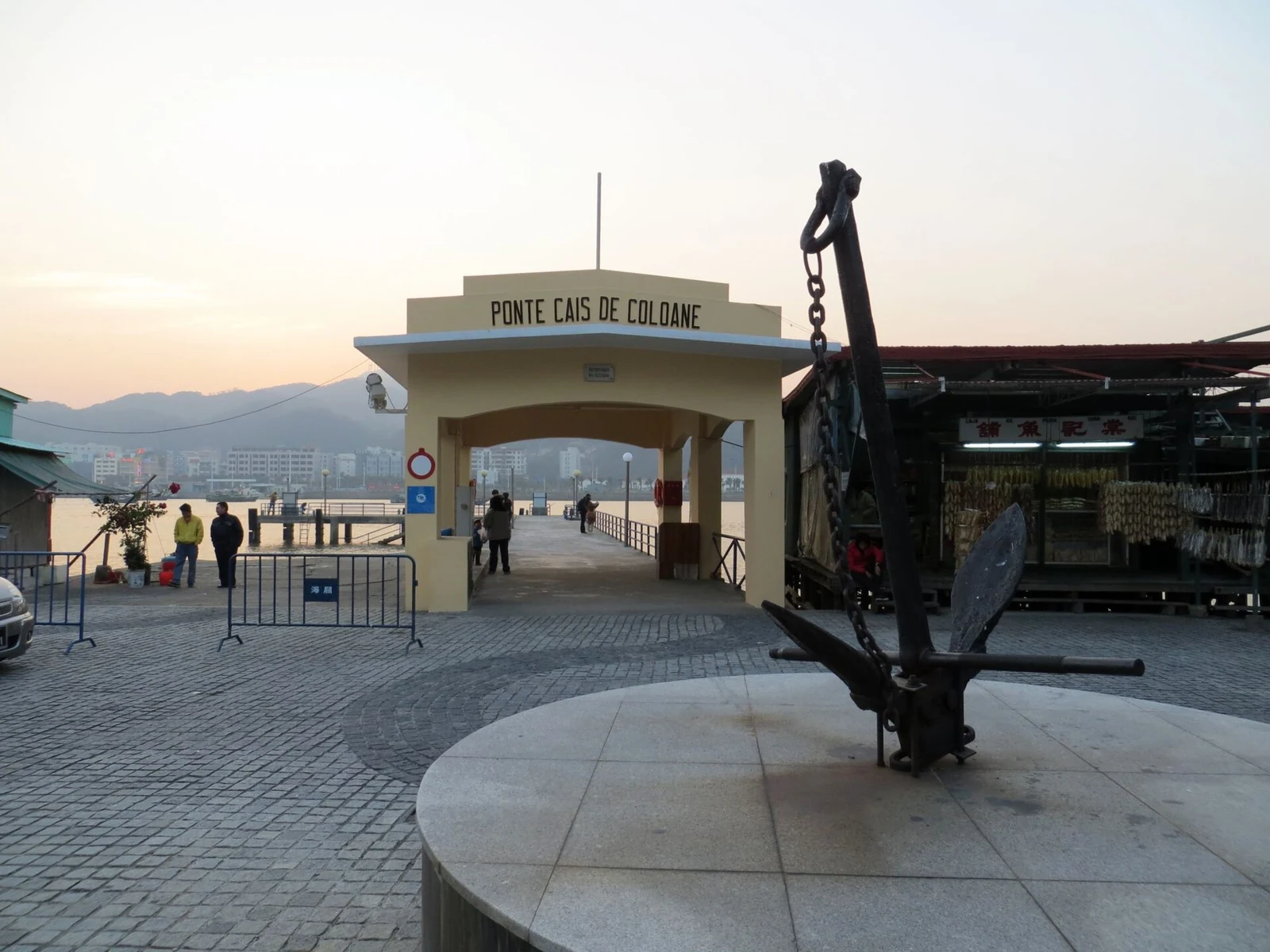
An anchor displayed beside the entrance to Coloane Pier.
Continue exploring · Macao ↗
Photo credits and rights
  1. Ngchikit / CC BY-SA 3.0 · CC BY-SA 3.0 Photo source ↗ Rights information ↗
  2. The entrance arch at Coloane Pier.LN9267 / CC BY-SA 4.0 · CC BY-SA 4.0 Photo source ↗ Rights information ↗
  3. The waterside and buildings of Coloane seen from the harbour.LN9267 / CC BY-SA 4.0 · CC BY-SA 4.0 Photo source ↗ Rights information ↗
  4. The covered structure of Coloane Pier.LN9267 / CC BY-SA 4.0 · CC BY-SA 4.0 Photo source ↗ Rights information ↗
  5. An anchor displayed beside the entrance to Coloane Pier.Abasaa / Public domain · Public domain Photo source ↗ Rights information ↗