From the journal

St. Anthony’s Church: Fire, Memory and the “Day of Calamity”

Founded between 1558 and 1560, St. Anthony’s Church preserves a record of repeated fires and a local commemoration tied to the 1874 blaze.

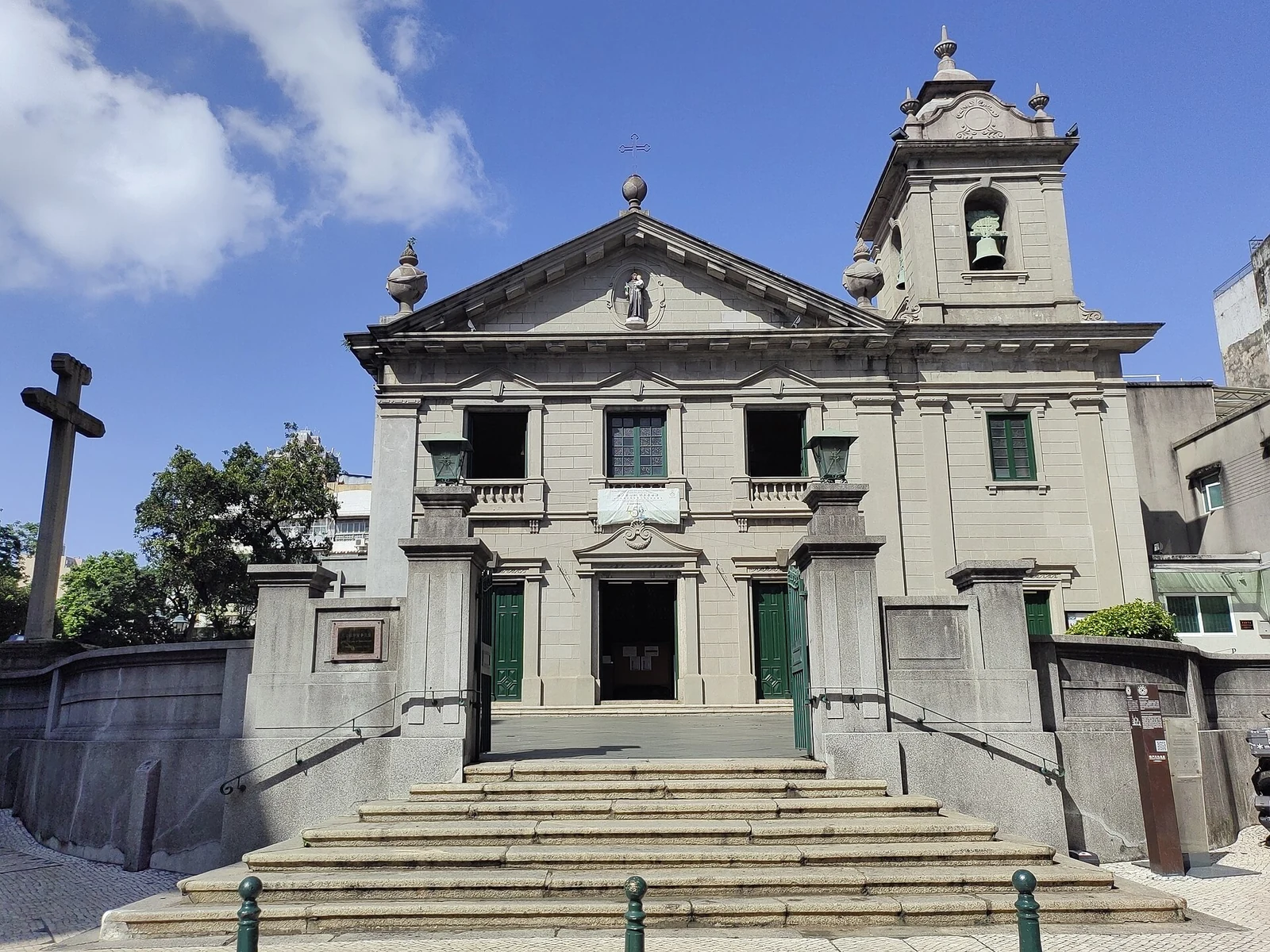
The front steps and façade of St Anthony’s Church.

A church from the sixteenth century

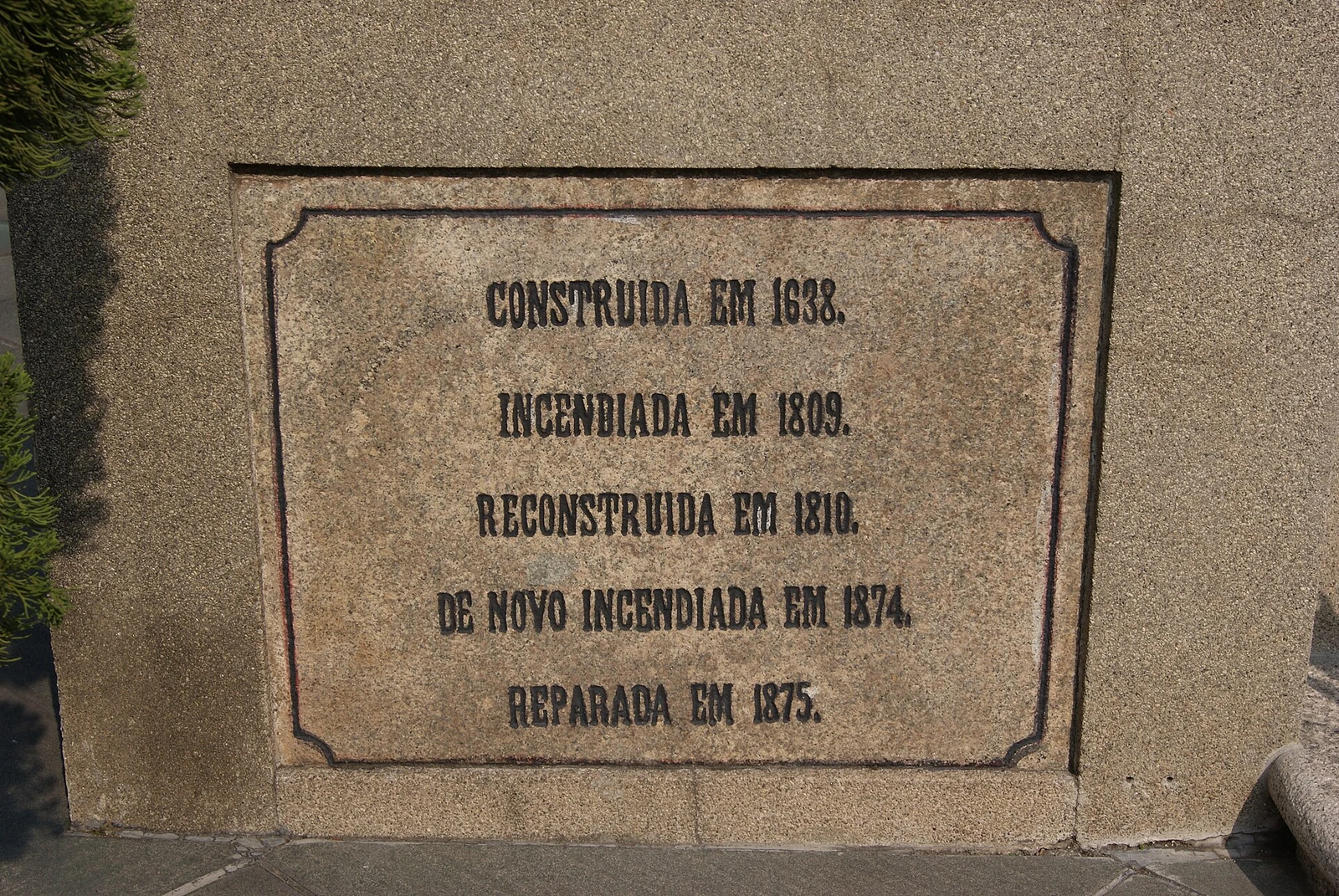
St. Anthony’s Church was founded between 1558 and 1560 as a small chapel with a thatched roof. A stone plaque at the entrance lists later losses and repairs: built in 1638, destroyed in 1809, rebuilt in 1810, destroyed again in 1874 and repaired in 1875. A fire on 22 September 1874 left a lasting mark on Macao’s calendar.

Residents called the date the “Day of Calamity.” Each year they carried an image of St. Anthony through the streets in remembrance. The plaque and procession turn a church’s rebuilding history into a public memory, with the annual date linking later generations to the fire.
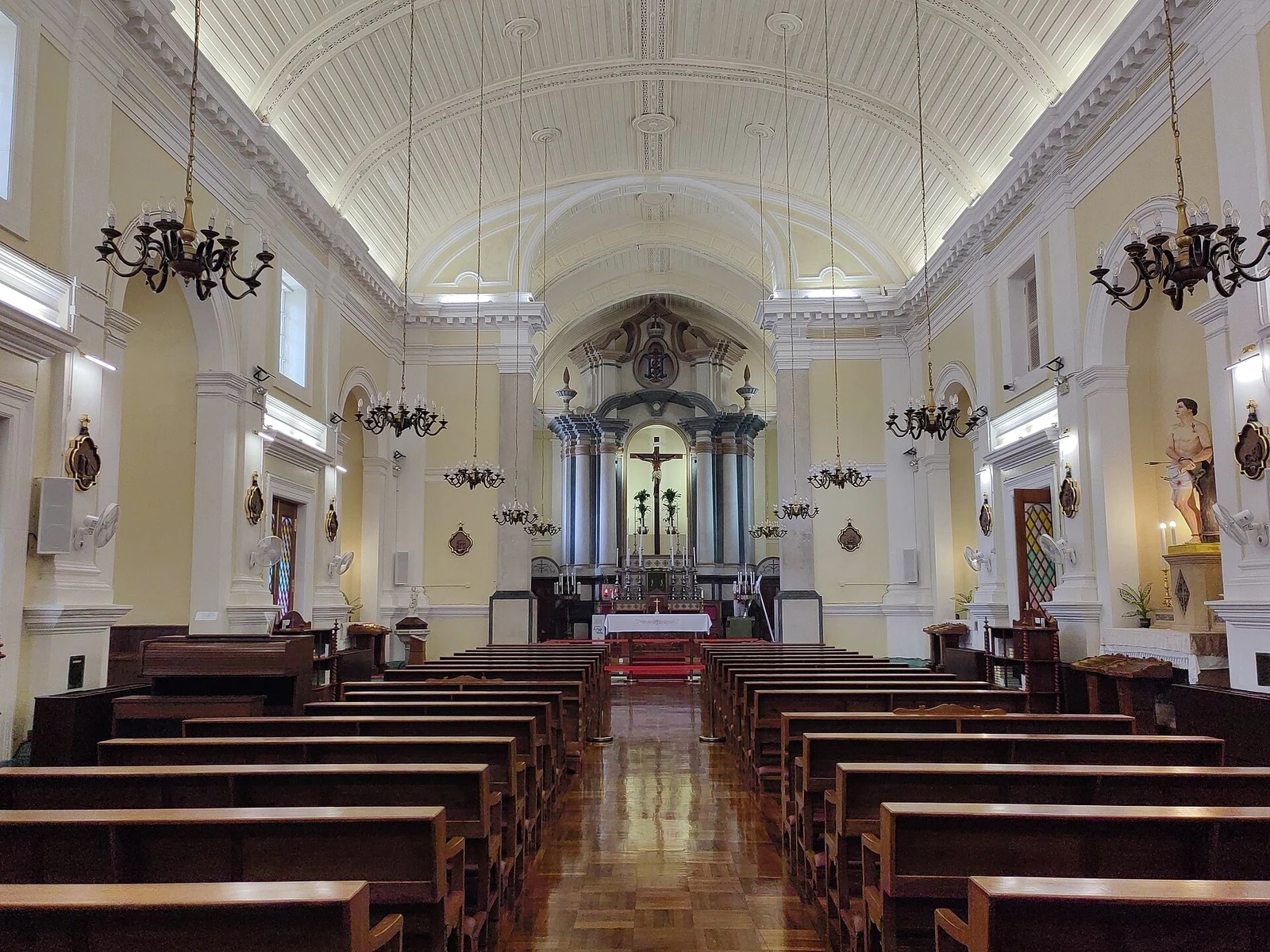
The nave and altar of St Anthony’s Church.
A historical inscription recording rebuilding and fires at St Anthony’s Church.
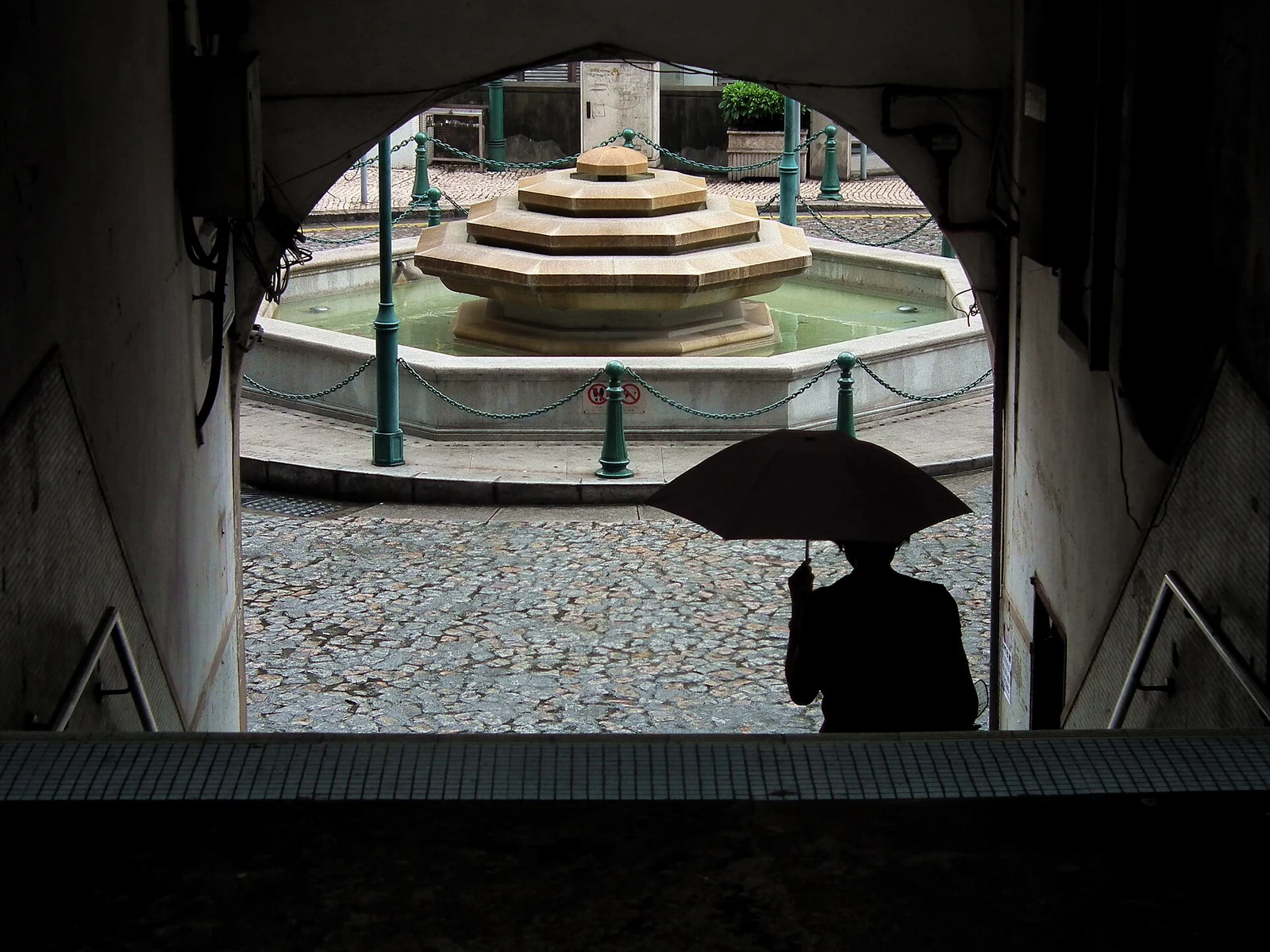
A small fountain and paved space seen from the church entrance.

A disaster remembered by date

The fire of 22 September 1874 remained especially vivid in local memory. The heritage account says Macao residents called the date the “Day of Calamity” and carried an image of St. Anthony through the streets in annual remembrance. The date joined a specific fire with a recurring public observance.

The procession is a record of how a community marked loss and rebuilt continuity through ritual. The documented elements—date, local name and procession—already show how a church’s history could become part of a city’s shared calendar.

Reading the church’s public record

The church sits above rising lanes and a small forecourt reached by several steps. Its plan bends around the surrounding streets, producing an asymmetrical façade with a single bell tower. The present exterior was remodeled in 1930; its simple pale surface gives little hint of the ornate interior.

Inside, a timber vault rises over the nave, with large chandeliers hanging below it. The main altar, rebuilt in 1875, is Baroque, with twisted lines and layered columns around the crucified Christ and the Jesuit emblem IHS. Small side chapels and a choir loft complete a space shaped by several phases of repair.

Continue exploring · Macao ↗
Photo credits and rights
  1. Yumeto / CC BY-SA 4.0 · CC BY-SA 4.0 Photo source ↗ Rights information ↗
  2. The nave and altar of St Anthony’s Church.Yumeto / CC BY-SA 4.0 · CC BY-SA 4.0 Photo source ↗ Rights information ↗
  3. A historical inscription recording rebuilding and fires at St Anthony’s Church.Jacklee . / CC BY-SA 3.0 · CC BY-SA 3.0 Photo source ↗ Rights information ↗
  4. A small fountain and paved space seen from the church entrance.lienyuan lee / CC BY 3.0 · CC BY 3.0 Photo source ↗ Rights information ↗