From the journal

Blue-and-White Signs That Carry Two Place Names

Macao’s street plates place Chinese and Portuguese names together. Across roughly five thousand signs, an everyday navigation system also records a bilingual public landscape.

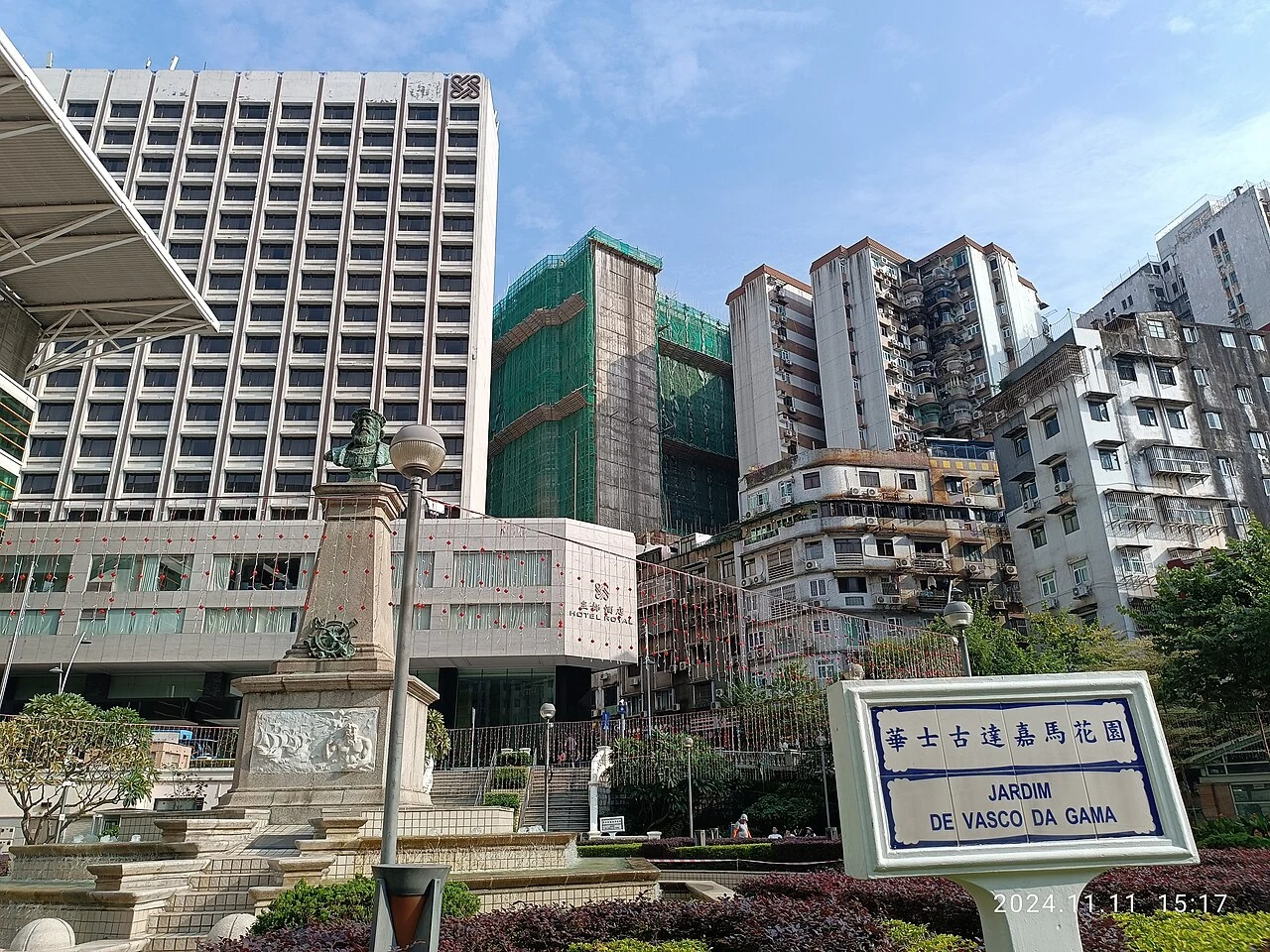
A blue-and-white bilingual street-name plaque in Macao.

The City’s Names on a Wall

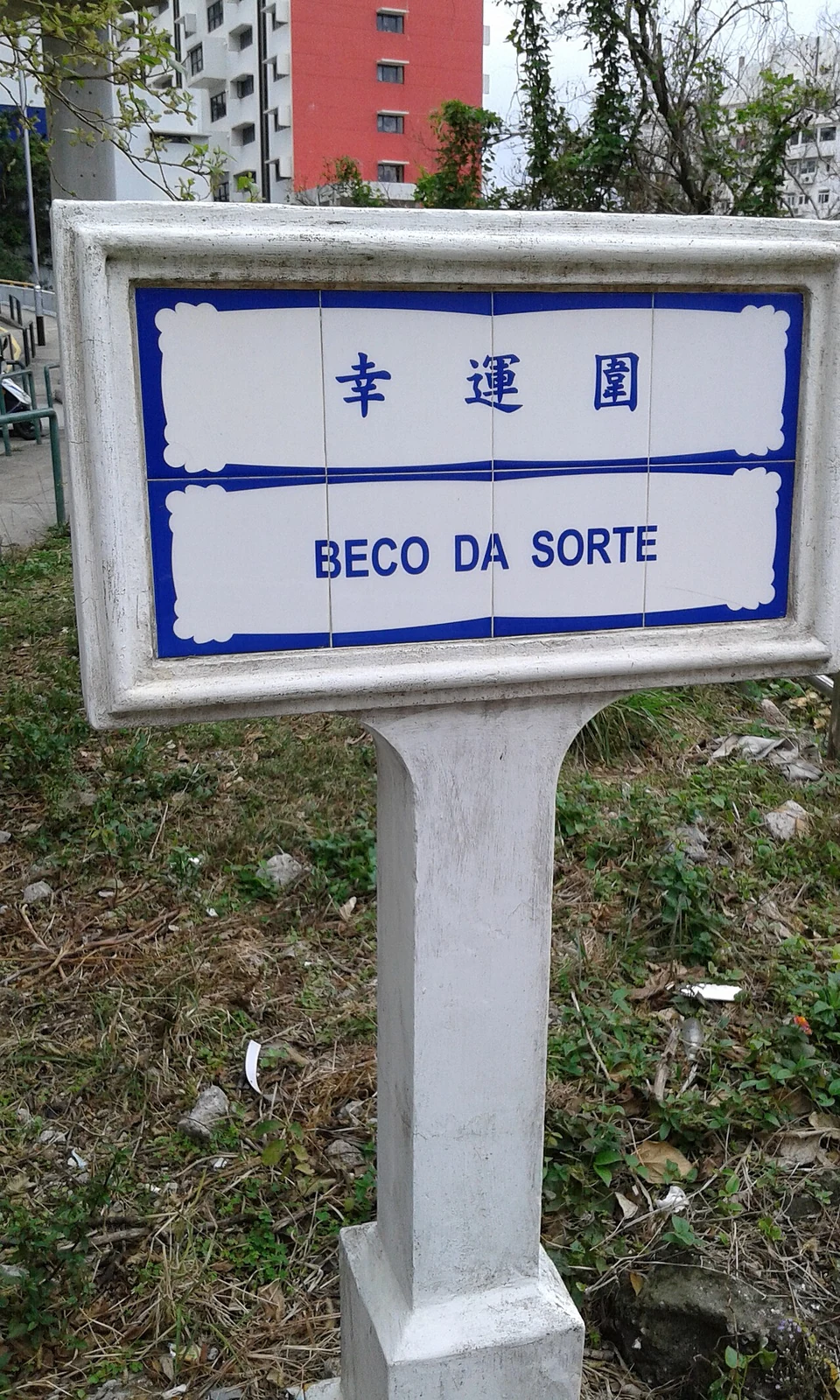
A street plate is one of Macao’s smallest public objects. The government’s feature on toponymy notes that around five thousand signs are scattered across the city. Each plate helps people find a route, but the paired Chinese and Portuguese names do something more: they show that the street belongs to more than one language at once.

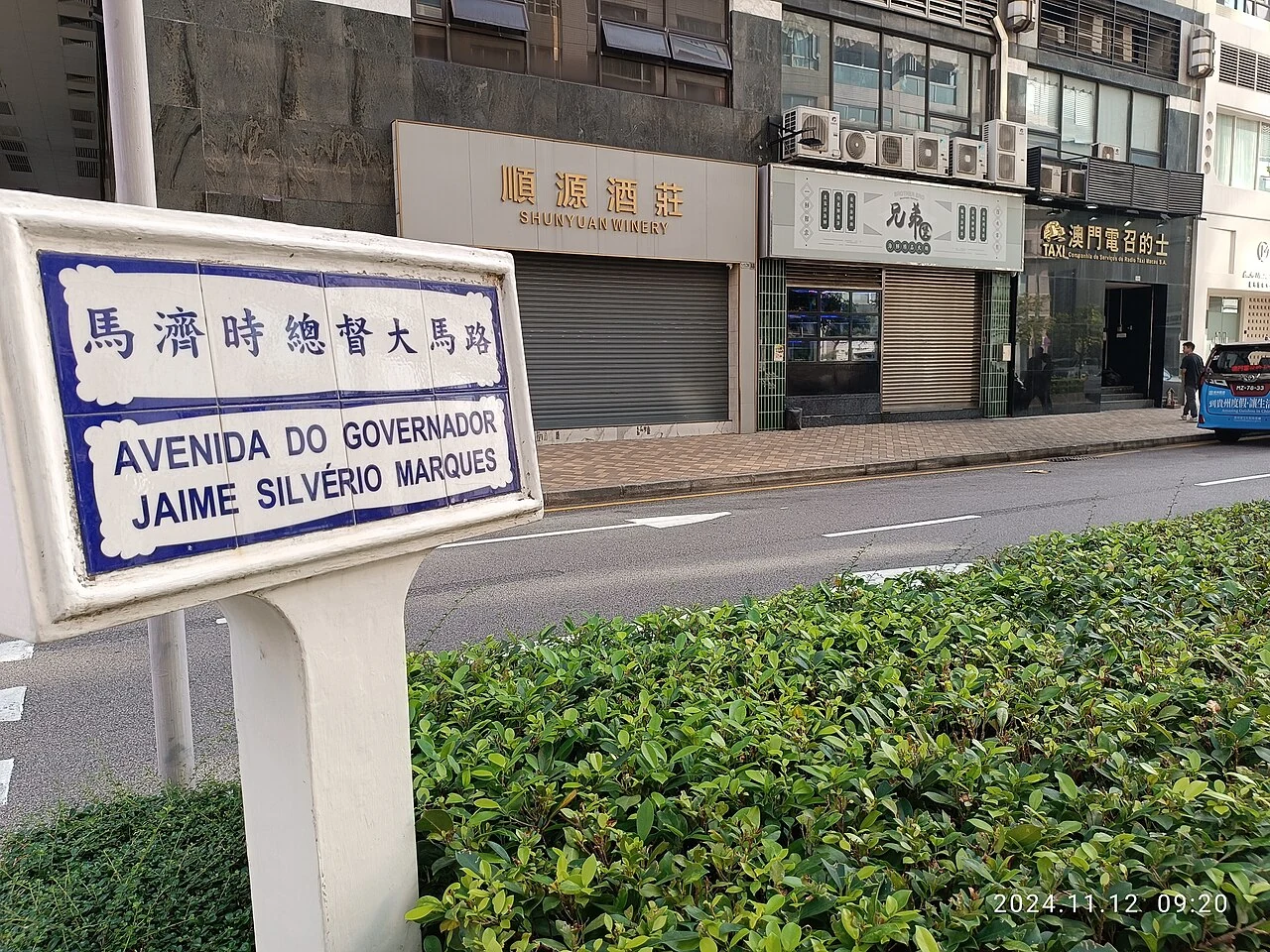
At eye level, the names share a limited space. The Roman letters and Chinese characters are not decoration around a single official label; both identify the same place. For residents, that pairing is practical. For a visitor, it is a visible introduction to the city’s layered public language.
A blue-and-white bilingual street-name plaque in Macao.

A Name That Moves Into Speech

Some streets acquire a spoken shorthand as well as a formal name. A government feature on Macao identity says local people commonly call Avenida de Almeida Ribeiro “San Ma Lo,” a romanized rendering of its Chinese name. The example shows how a street can live in official signs, maps and everyday conversation at the same time.

A place-name is used, not only displayed. It can guide someone across town, identify a meeting point or become the familiar name repeated by neighbours. The written plates make those systems visible; spoken forms carry them into daily life.

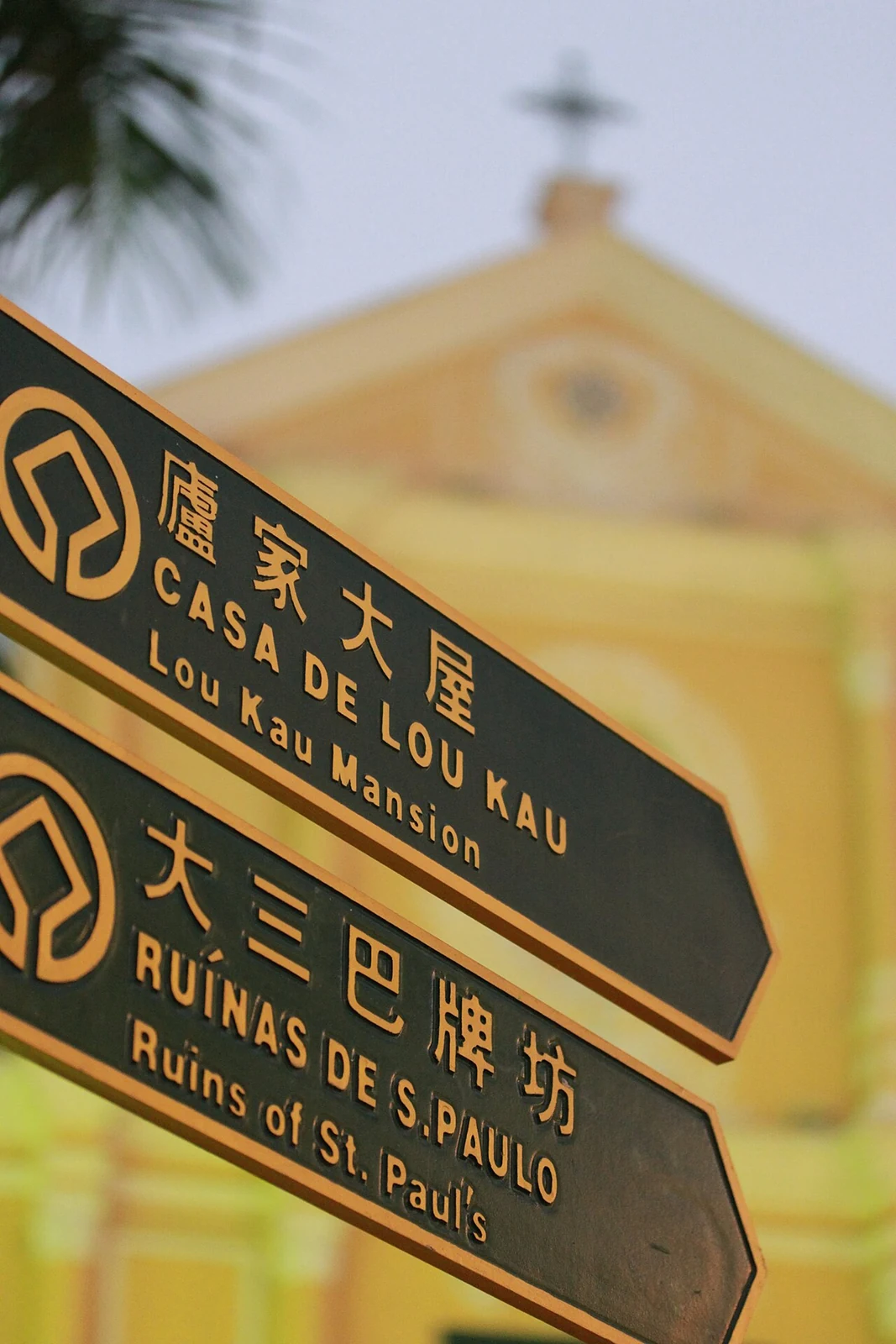
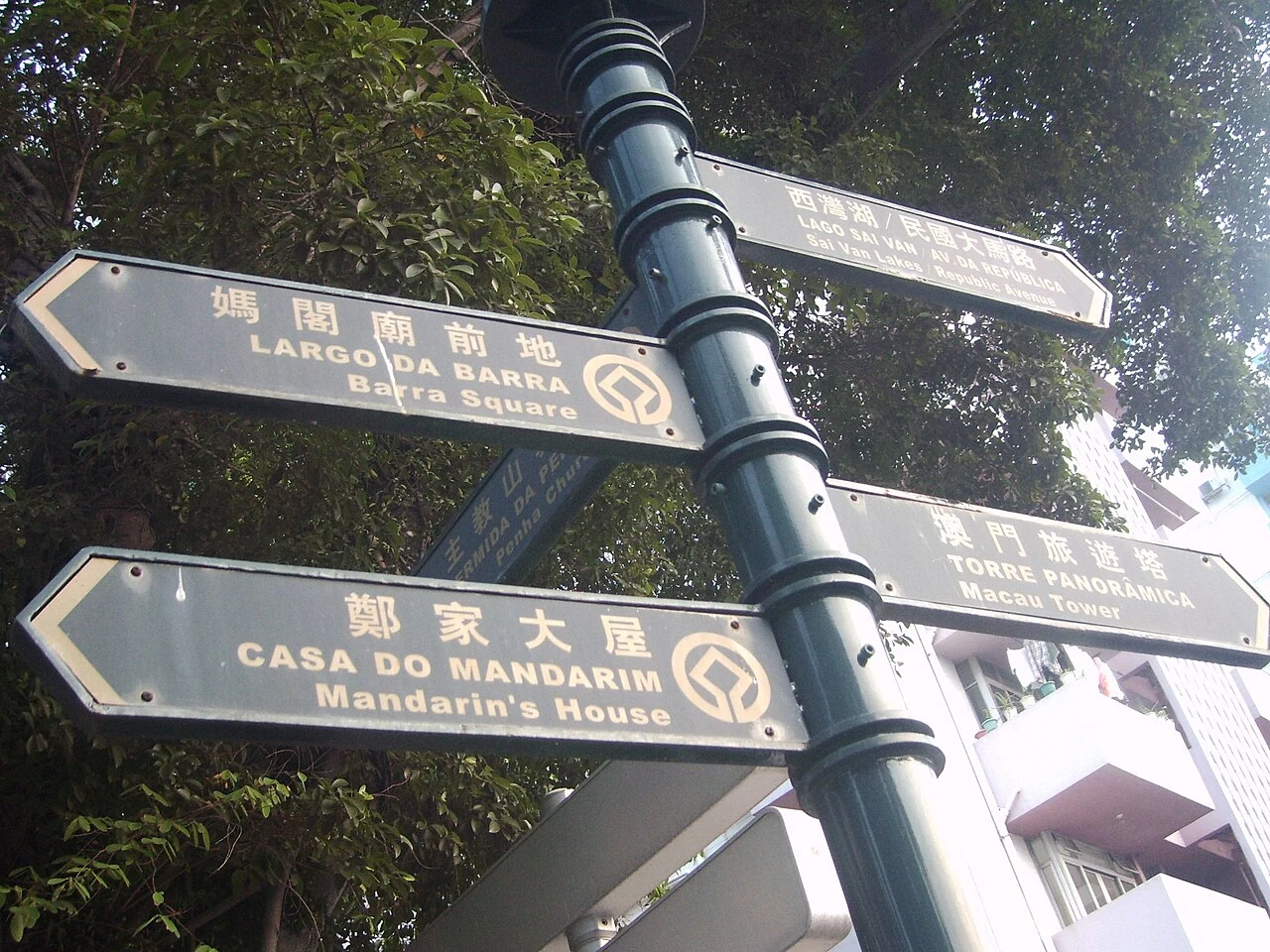
Multilingual direction signs in Macao’s historic streets.

Navigation as Cultural Memory

Thousands of street plates form a citywide layer of orientation. They connect addresses to public routes and hold local names in view even when buildings or businesses change. The sign is durable enough to guide a walk, yet small enough to be passed without notice.

To look closely is to see how Macao’s urban identity is made in ordinary settings. A pair of names on enamel, a familiar local pronunciation, a turn into a narrow street: language becomes part of the way the city is navigated. These signs do not summarize Macao, but they give its linguistic landscape a clear and repeatable form.

Multilingual direction signs in Macao’s historic streets.
A blue-and-white bilingual street-name plaque in Macao.
Continue exploring · Macao ↗
Photo credits and rights
  1. Pauloleong2002 / CC BY-SA 4.0 · CC BY-SA 4.0 Photo source ↗ Rights information ↗
  2. A blue-and-white bilingual street-name plaque in Macao.JohnLEE Brothers / CC0 · CC0 Photo source ↗ Rights information ↗
  3. Multilingual direction signs in Macao’s historic streets.Destron Commander ( talk ) / CC BY-SA 3.0 · CC BY-SA 3.0 Photo source ↗ Rights information ↗
  4. Multilingual direction signs in Macao’s historic streets.Xilin Sun / CC BY-SA 3.0 · CC BY-SA 3.0 Photo source ↗ Rights information ↗
  5. A blue-and-white bilingual street-name plaque in Macao.JohnLEE Brothers / CC0 · CC0 Photo source ↗ Rights information ↗