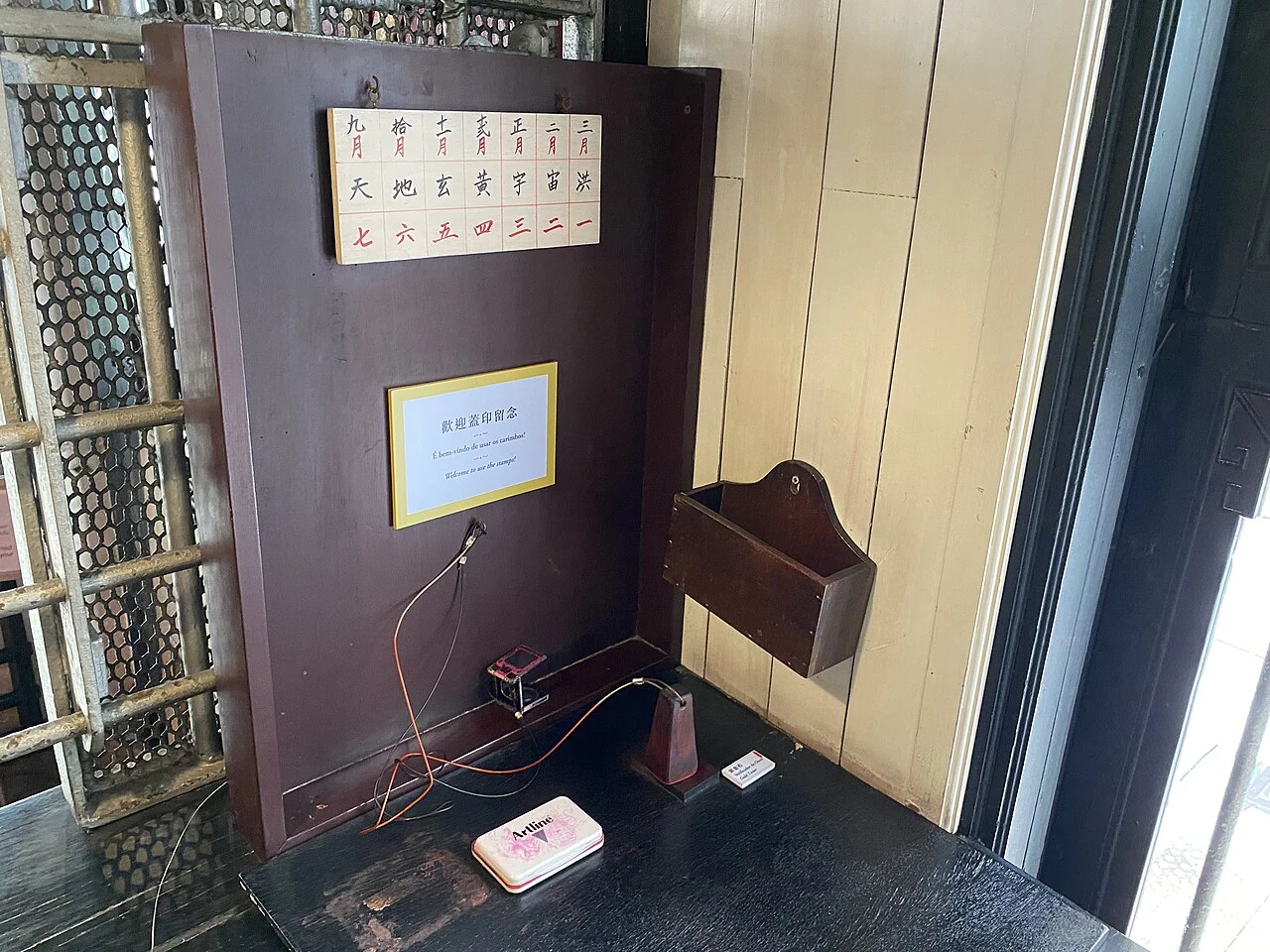
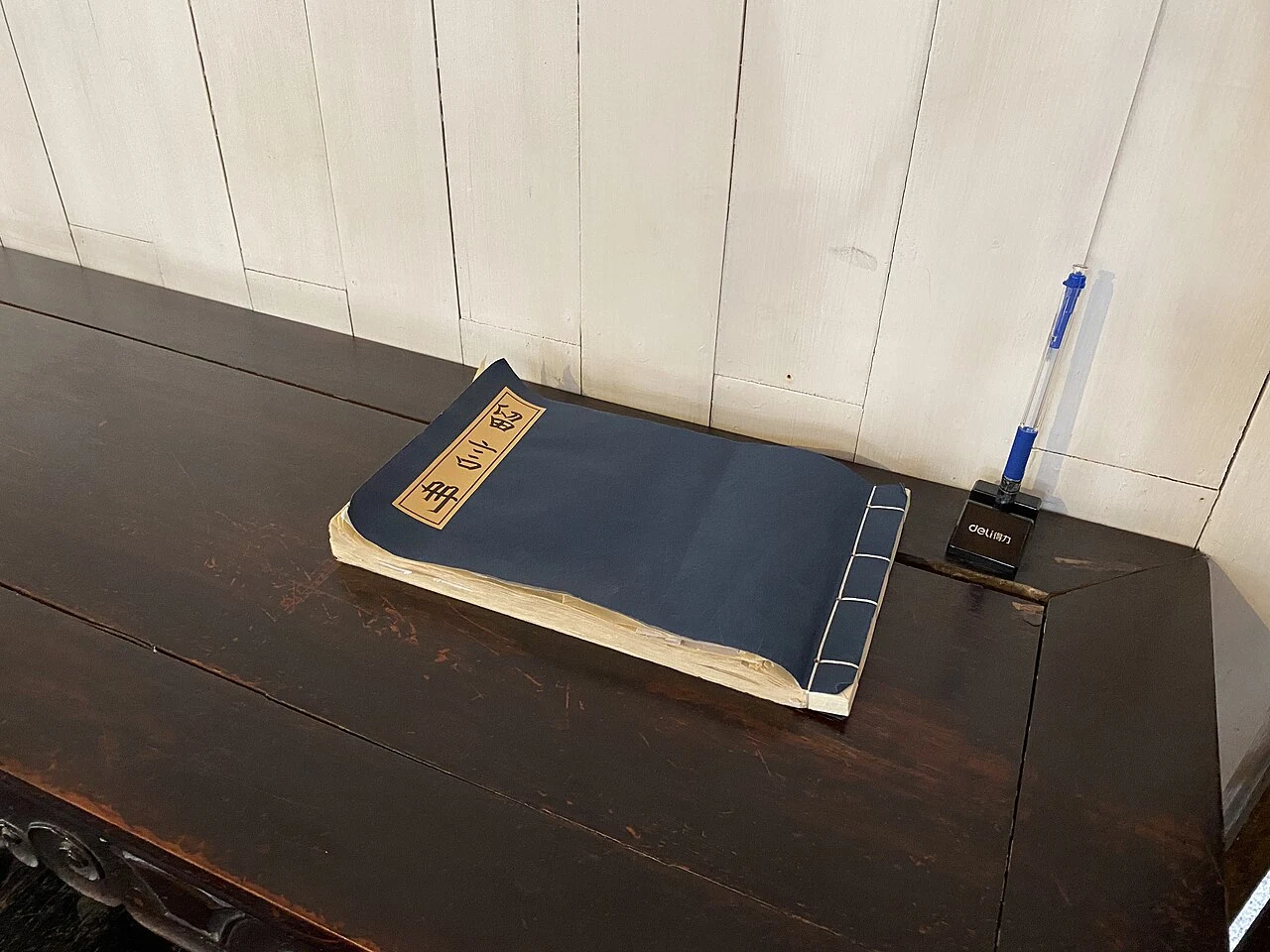
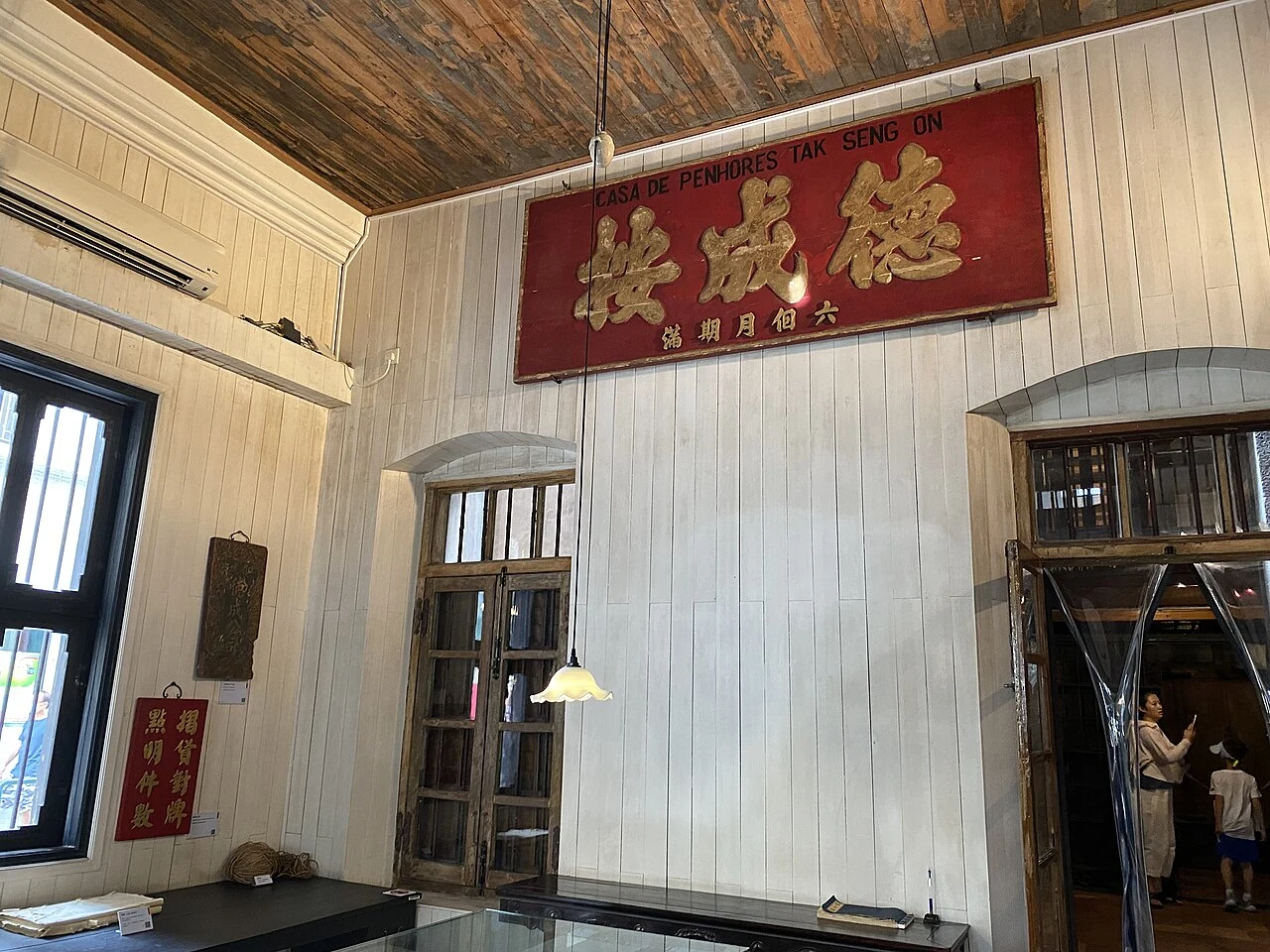
At Tak Seng On, the front building combined a pawnshop with a bank. That pairing places the transaction at the street edge: an object could be assessed, a loan arranged and the terms recorded in the part of the building customers entered. Pawnbroking converted possessions into short-term credit, with the object itself securing the loan.
From the journal
What Happened When an Object Entered a Pawnshop
Tak Seng On’s separated shopfront and storehouse offer a grounded way to understand the work of pawnbroking without inventing a customer’s story.
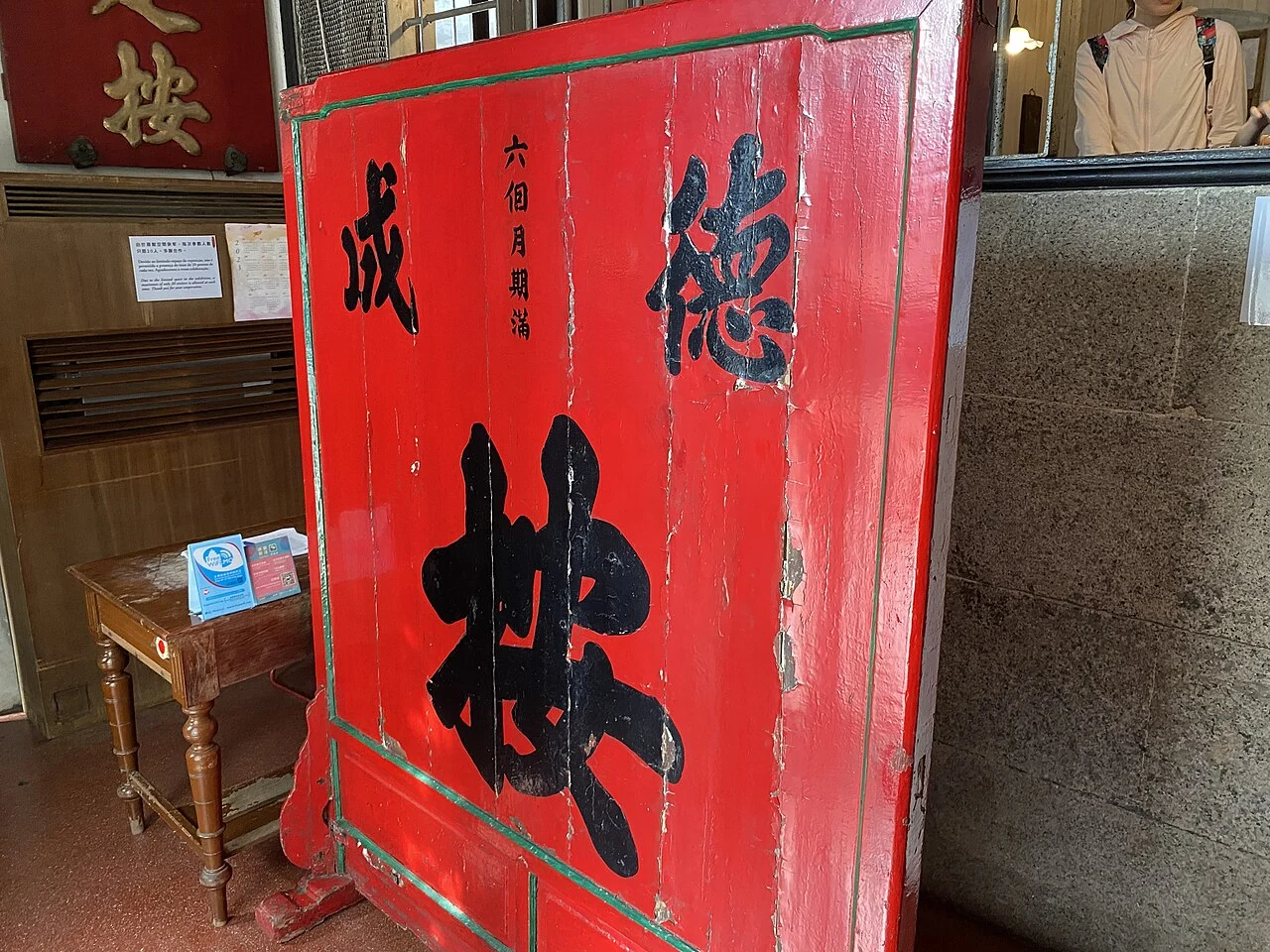
Negotiation at the Front
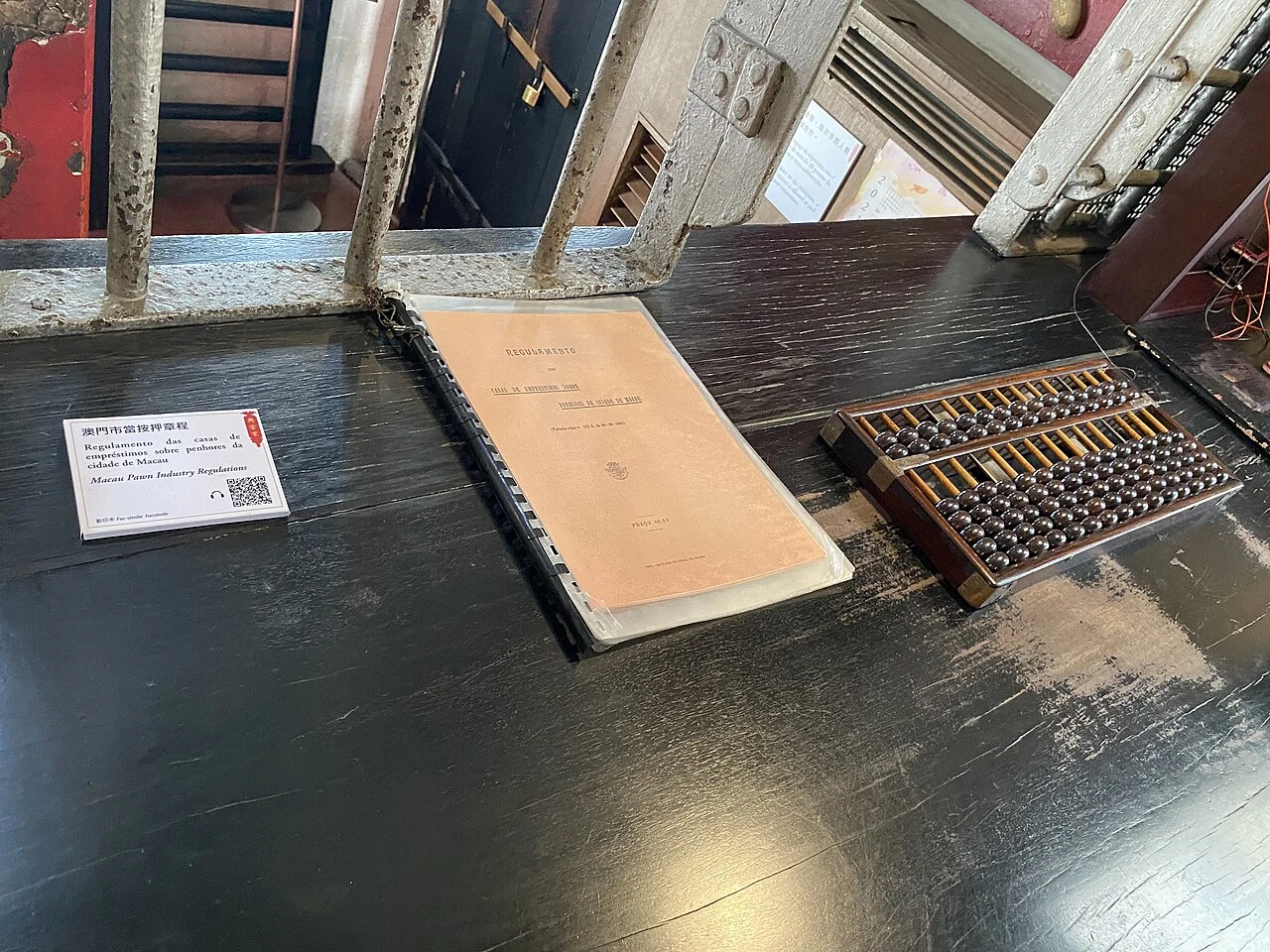
A Tall Building for Keeping Things
Behind the three-storey front block stood a seven-storey storehouse. Pledged goods remained under the shop’s care while their owners had time to repay and reclaim them. The separate warehouse gave safekeeping its own place in the business, apart from the street-facing negotiation at the pawnshop and bank. The two blocks made credit and custody parts of one urban institution.