From the journal

Shopfronts and Homes Along the Inner Harbour

Along Macao’s western waterfront, narrow lanes connect homes, small shops and the Inner Harbour’s working edge.

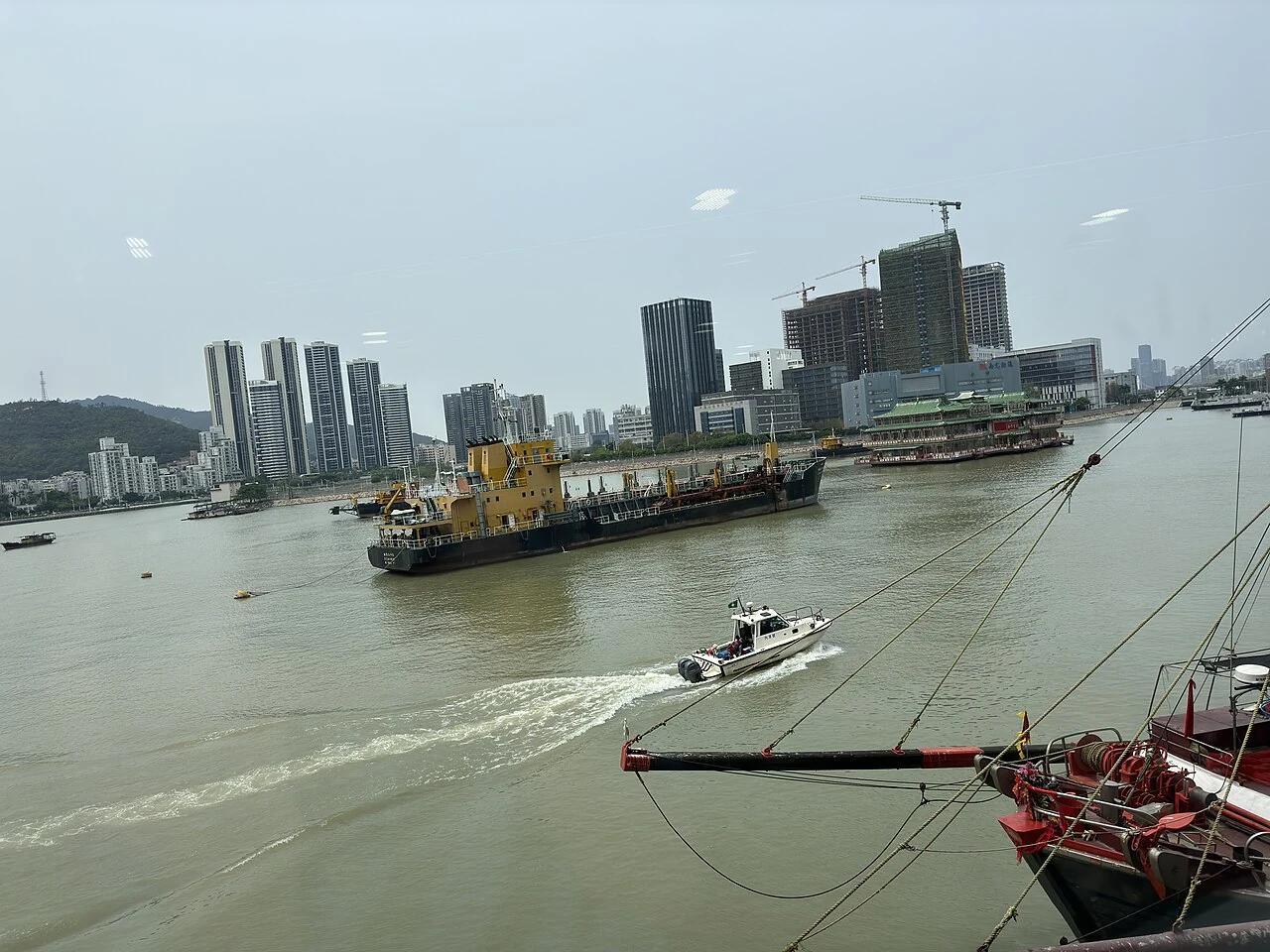
Boats and the working waterfront of Macao’s Inner Harbour.

A Waterfront Community in Short Streets

The Inner Harbour lies along the western side of the Macao Peninsula. Its waterfront is close to a dense neighbourhood of lanes, home doors and small shops. A short walk can pass from the water’s edge into streets where a repair shop, a food counter and a household errand sit side by side. The harbour is part of daily geography as well as a view: it meets the back streets that have long served people living and working in this quarter.

From the main road, narrow lanes turn between low-rise buildings toward the old waterfront. Shopfronts open onto the pavement, and the short distance between a doorway and the street keeps business tied to the neighbourhood. The Inner Harbour’s character comes from this close relationship between water, work and home life.
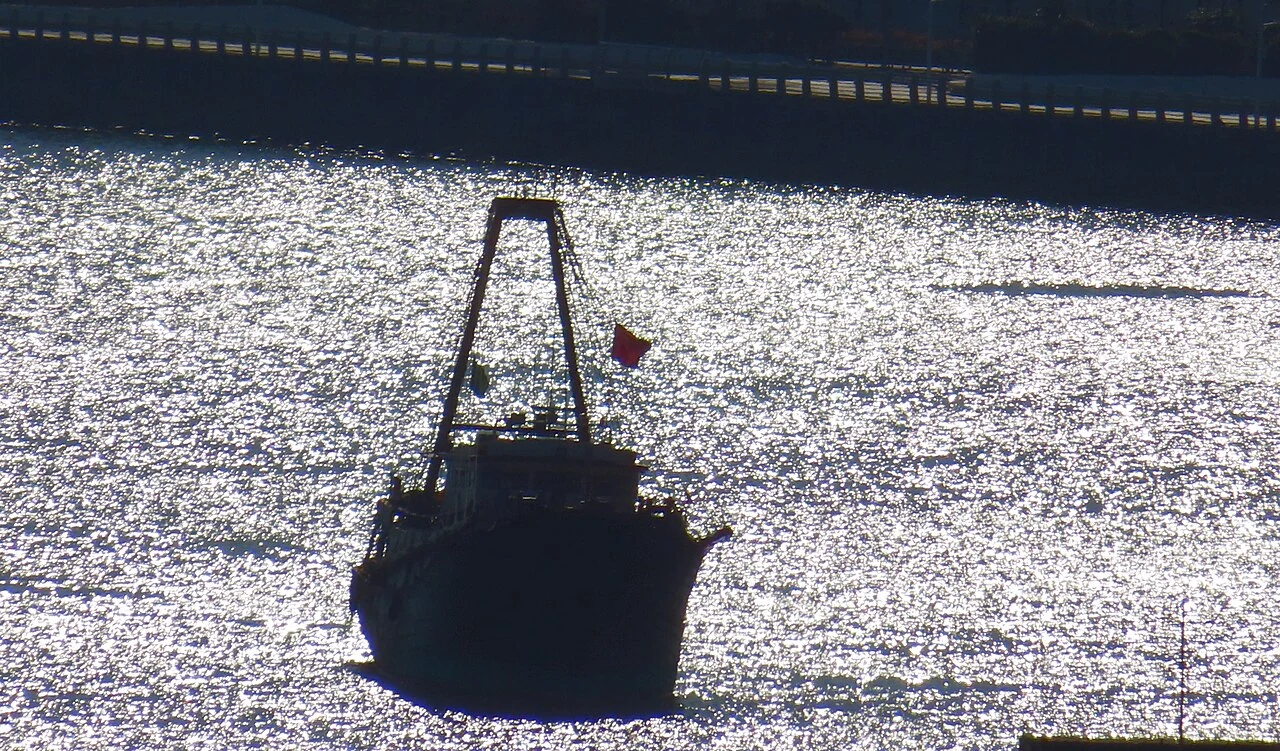
A working vessel on the Inner Harbour water.

Names on the Public Wall

Macao’s official feature on street names notes that around five thousand toponymic plates are spread across the city. In the Inner Harbour quarter, a street name is a small marker in a dense urban fabric. It helps residents and visitors place themselves among lanes whose short turns can make one block feel like a different neighbourhood from the next.

The signs also show how the city gives public space more than one written name. Portuguese and Chinese appear in the same streetscape, connecting local speech, official maps and the practical work of finding a door or shop. Read beside an open storefront, the plaque becomes part of the neighbourhood’s everyday language.

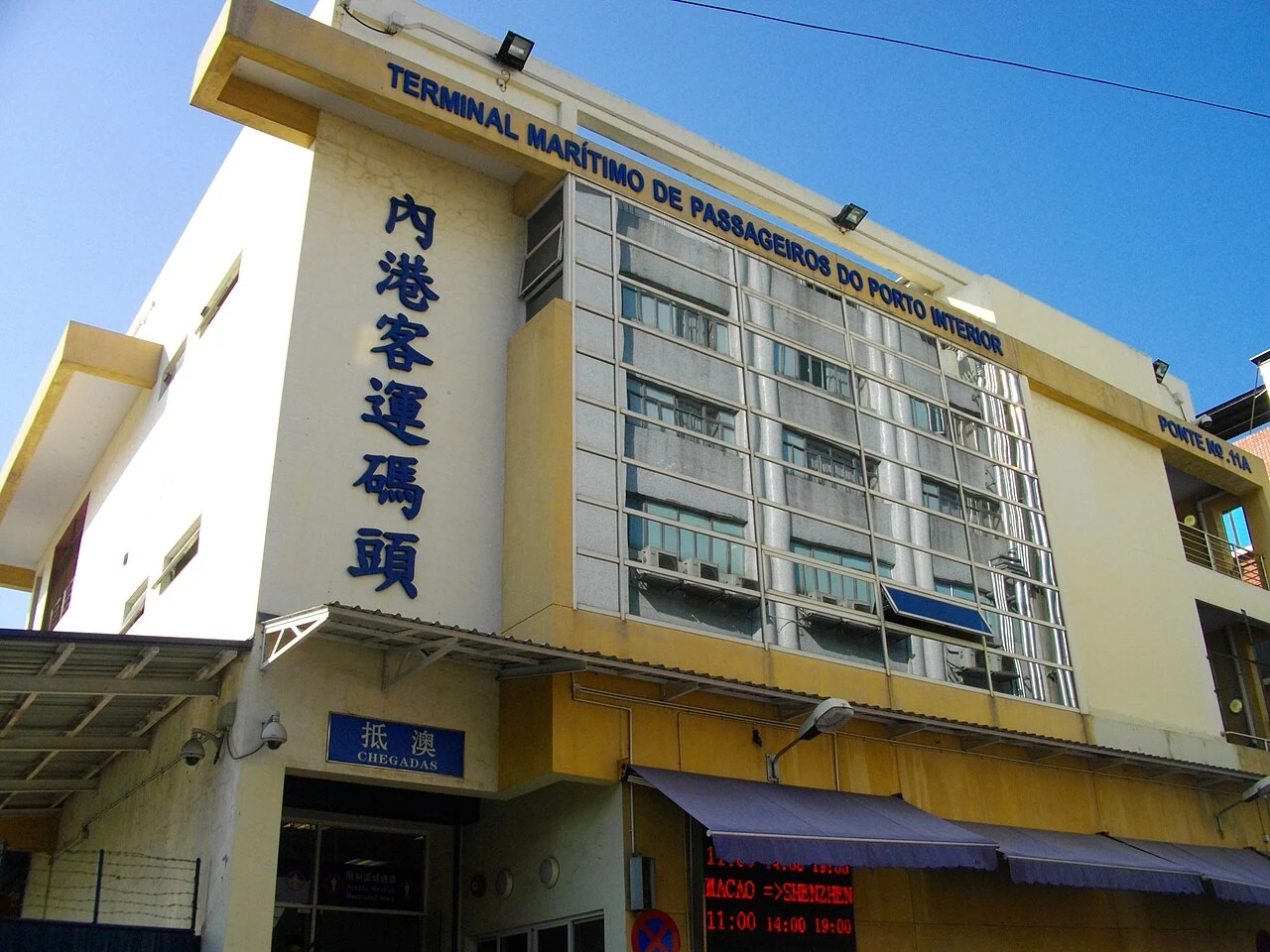
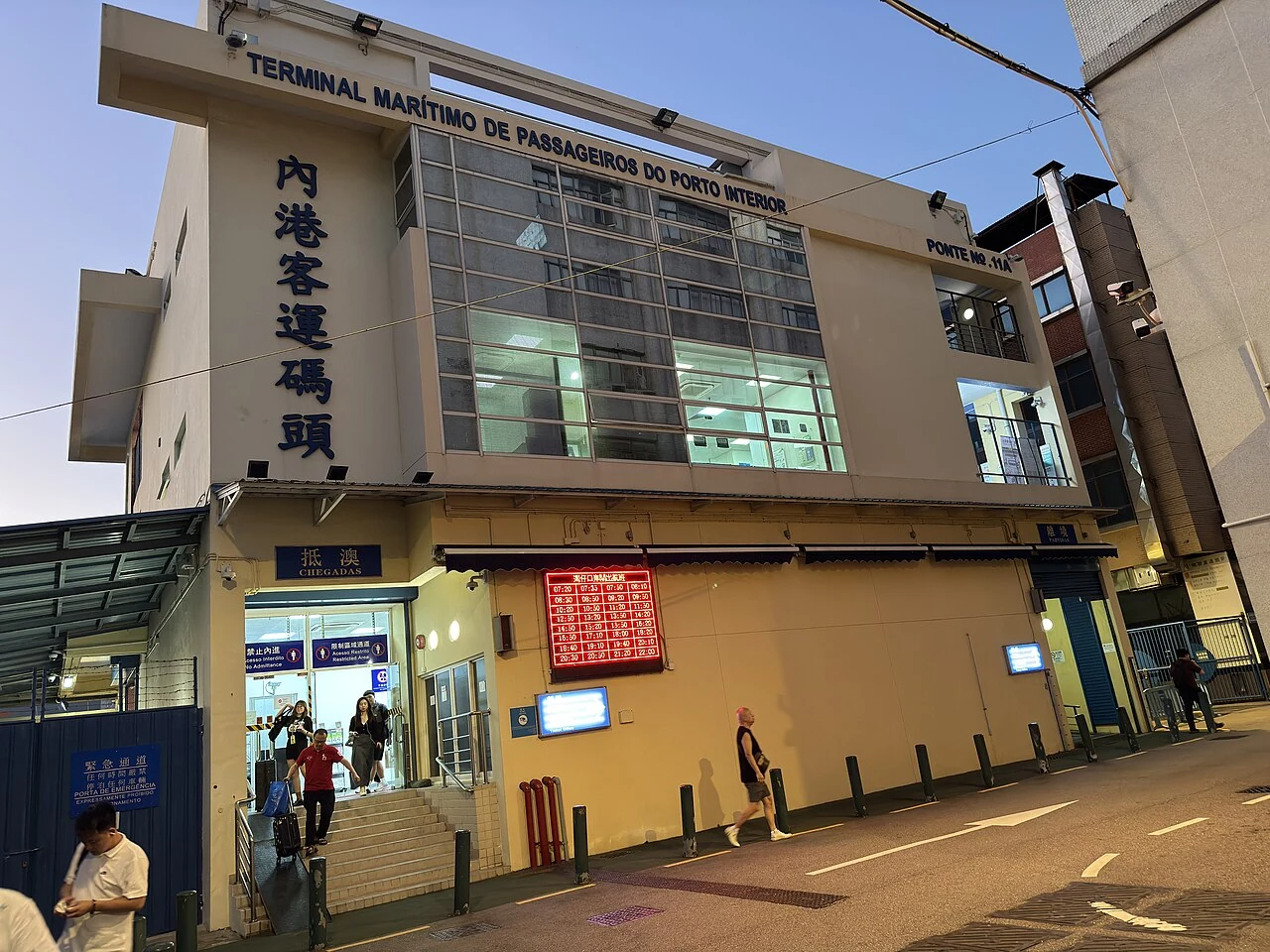
The Inner Harbour ferry-terminal building.

Trade That Faces the Street

On the western side of the Macao Peninsula, the Inner Harbour’s waterfront opens onto a close-grained neighbourhood of lanes and distinctive shops. A shopfront meets the pavement directly: the street becomes its approach, and the doorway keeps a business connected to nearby homes and errands. The harbour gives the district its broad edge; the shop doors and short turns set its everyday scale.

Along these blocks, a person can move quickly from the waterfront into a lane, then pass a row of businesses facing the street. The mix of homes and commerce gives the Inner Harbour a lived-in rhythm. Its shops are part of the neighbourhood’s daily pattern, while the shoreline keeps the city’s port history close at hand.

The Inner Harbour ferry-terminal building.
Continue exploring · Macao ↗
Photo credits and rights
  1. LN9267 / CC BY-SA 4.0 · CC BY-SA 4.0 Photo source ↗ Rights information ↗
  2. A working vessel on the Inner Harbour water.Pauloleong2002 / CC BY-SA 4.0 · CC BY-SA 4.0 Photo source ↗ Rights information ↗
  3. The Inner Harbour ferry-terminal building.LN9267 / CC BY-SA 4.0 · CC BY-SA 4.0 Photo source ↗ Rights information ↗
  4. The Inner Harbour ferry-terminal building.Abasaa / Public domain · Public domain Photo source ↗ Rights information ↗